Category: Cleansing

Energize Yourself with Kombucha

Kate Young RHN

Image by Cymantra – Admin

I met Kate Young a few weeks ago at a local holistic fair. She has a wealth of information on this topic, and I found it very interesting, that something I knew absolutely nothing about has so many health benefits and can be so delicious. She holds regular workshops on the benefits of Kombucha. During those workshops she teaches how to make the fermented drink. I think I just might attend one !  This is for all of you who, like me are new to Kombucha and whether you make it yourself, buy it or just want to know it’s benefits, you will enjoy this article.

Kate Young is a holistic nutritionist and practitioner living and practicing in Kelowna, BC. She completed formal nutritional training at Canadian School of Natural Nutrition as well as with Alive Academy. Kate’s love for helping people to realize their most excellent self has also led her to the Touch for Health practice which tests and balances energies within the body.  Kate believes we all, each and every one of us, have the power to take control of our own health, rise above dis-ease and maintain balance. She firmly maintains that investing yourself and your energies in a whole food based diet and holistic lifestyle can do amazing things in support of your journey to wellness!

About Kombucha

Kombucha has origins possibly dating back to 220 BC. The exact origin is still unknown, but theories have it first popping up in China or maybe Japan.

Spread to Russia and eventually over to Europe but eventually rations during the 2nd world war hampered the popularity

Popularity picked up again in the 1960’s and today is making a full come back

What is kombucha?

A light, sparkling, probiotic and nutrient dense fermented drink

Can be sweet or sour depending on brewing methods and flavoring

Energizing, balancing, focuses the mind

Made by fermenting a sweet tea facilitated by a SCOBY (Symbiotic Colony/Culture of Bacteria and Yeast), SCOBYs are sometime also called a mother, a baby, a mushroom, a starter

Fermentation is the process of using micro-organisms to transform and preserve foods creating probiotics and other healthful nutrients

Probiotics are good for our guts, our digestive ability, our immune systems


Kombucha contains:

B vitamins – catalysts for metabolic processes, nervous system, stress vitamin, mental health, metabolism of foods, energy, blood builders

Vitamin C – immune support, adrenal support, builds collagen, strengthens veins/soft tissue, heart health, liver detoxification

Probiotic Organisms

May include Lactobacillus, S.Boulardii, Acetobacter, Brettanomyces, Pediococcus

2 specific strains isolated: Gluconacetobacter Kombuchae (feeds on nitrogen of tea, produces acetic/gluconic acid, fomrs  SCOBY) and Zygosaccharomyces Kombuchaensis (yeast, produces carbonation)

Beneficial Acids:

Including: Gluconic Acid – powerful liver detoxifier, fights yeast infections including Candida

Acetic Acid – detoxification, inhibits bad bacteria, gives ‘buch it’s tangy smell and taste, also found in vinegars

Butyric Acid – aids detoxification of liver, w/gluconic heals gut wall and protects against yeast infection

Malic Acid – detoxification, muscle function, Fibromyalgia

Nucleic Acid – healthy cell regeneration

Anti-oxidants:

Catechins – cancer prevention, heart health, detoxification, weight management

Polyphenols – cancer prevention, heart health/high blood pressure, diabetes, eye health


Health Benefits can include:

  • Probiotics
  • Alkalize the body
  • Detoxify the liver
  • Increase metabolism
  • Improves digestion
  • Rebuild connective tissue
  • Relieves arthritic pain
  • Cancer prevention
  • Alleviate constipation
  • Boost energy
  • Reduces blood pressure
  • Relieve headaches & migraines
  • Reduces kidney stones
  • High in antioxidants
  • High in polyphenols
  • Improves eyesight
  • Heals eczema (topical and internal)
  • Prevents Arteriosclerosis
  • Speeds healing of ulcers
  • Helps clear candida & yeast infections
  • Aids healthy cell regeneration

Click Here to Learn More about Kate Young

Or Here to learn more about her workshops on how to make Kombucha

or click here for Her Facebook Page

She usually has an ongoing schedule for her workshops posted there.


Admin Cymantra – May 20 2016

Cannabis Oil, gathering an unstoppable momentum as a world class healer

Cannabis Oil_3

Cannabis oil is used in cancer treatment. There are already numerous cases around the world which confirm the healing aspect of cannabis oil.

Cannabis oil has healed some very serious diseases, including anxiety disorders, epilepsy, MS (Multiple Sclerosis), cerebral palsy and cancer.

What’s the difference between cannabis, hemp and marijuana?

First of all, let’s clear up some definitions. Cannabis sativa is the plant and species; hemp and marijuana are both varieties or subspecies of it. Marijuana is actually a Spanish slang term meaning “Mary-Jane”.

Marijuana is simply considered to have a higher THC content than hemp. THC (Tetrahydrocannabinol) is one of the unique phytonutrients or plant chemicals of cannabis. However, both hemp and marijuana contain various cannabinoids, a class of chemicals that activate cell membrane receptors.

A brief history of the suppression of cannabis

To those unfamiliar with the beginning of the United States, it may come as a shock to learn that hemp was a big part of the inception.

Not only was hemp (in all of its forms) completely legal, but also it was actually required to be planted by the early colonists! The Founding Fathers made references to it in their writings and grew it themselves.

It was widely known that hemp was an incredible plant with a wide variety of uses: textiles, rope, clothing, paper, fuel, nutrition, medicine and recreation. So how did hemp fall from such exalted status to become an illegal “controlled substance”, for which you could be imprisoned due to mere possession of it?

The answer, as with many of aspects of the global conspiracy, comes back to the mega rich and powerful ruling elite families, in this case the Rockefellers. I have written other articles exposing how the Rockefellers invented modern (Western) medicine and created the Big Pharma cartel as a way to sell their petroleum-based drugs.

John D. Rockefeller had the reputation as a ruthless businessman who once said, “Competition is sin.” The prohibition movement of the 1920s to ban alcohol was not really about making America more pure or morally upright. It was about the bottom line; Rockefeller wanted to eliminate competition to oil for fuel for motor-based vehicles. Similarly, the movement to ban hemp was also an attempt to destroy competition to oil-based products. Hemp is a powerful competitor to crude oil in many ways. Thus, the propaganda campaign was launched to demonized hemp and marijuana by inventing the fake phenomenon of “reefer madness”. The brainwashing worked and Congress outlawed the plant in various stages, eventually declaring it a controlled substance in 1970.

What is Cannabis Oil?

Cannabis oil is not to be confused with hempseed oil, which is the nutritional oil made from pressing hemp seeds, and is used as a food not a medicine. Medicinal cannabis oil is made by gathering large quantities of cannabis leaves from female plants, using a solvent to strip off some or all of the THC, and boiling off the excess water to produce a rich, gold or brown-colored concentrate. Depending on who is making it, the final product may have little or no THC, the chemical responsible for getting people “high”. For more information on one way to prepare cannabis oil, see Rick Simpson’s Run From The Cure.

Science has not yet discovered all of the hundreds or thousands of cannabis phytonutrients which are responsible for the healing effects of cannabis oil, but one of the main ones is CBD (Cannabidiol). Excitingly, CBD is being studied all over the world as people are beginning to realize its phenomenal healing benefits. Many clinical studies have shown that CBD is a very effective painkiller – especially for peripheral neuropathy associated with diabetes, arthritis, MS, cancer and other neurodegenerative conditions. CBD is especially brilliant because it prevents and suppresses inflammation. This means it is both a preventative and curative natural medicine. Chronic low level inflammation, as you may know, is the hidden cause of much pain and many diseases, so the potential for cannabis oil to help a lot of people is huge.

How does Cannabis Oil beat cancer?

All of the cells in our body have cannabinoid receptor sites, including cells which have gone rogue and become cancerous. The brilliant thing about cannabis oil is that its THC and CBD connect to these cannabinoid receptor sites, causing the cell to increase ceramide, which then causes apoptosis or cell death. However, normal cells are unaffected by this, so cannabis oil is a targeted killer of cancer cells, leaving healthy cells intact. It reminds my very much of laetrile (or amygdalin or Vitamin B17) which functions in exactly the same way with cyanide as a targeted killer of cancer. As Dennis Hill writes, “Nature has designed the perfect medicine that fits exactly with our own immune system of receptors and signaling metabolites to provide rapid and complete immune response for systemic integrity and metabolic homeostasis.”

The unstoppable momentum of Cannabis Oil in the US

Due to recent changes in State legislation in 2014, marijuana is now legal in 20 of the 50 states in the USA. In 2 of these states (Colorado and Washington), it is fully legalized for recreational use, with Oregon and Alaska to come, while the other states or territories require a medical marijuana license (you can see the state-by-state details here). So it has already come a long way, and will continue to go much further. I predict at one point it will be legal in all 50 states in the US, and eventually throughout the world. There is already legislation pending in other American states, and the US Federal Government just decided in its 2015 spending measure that it would no longer allocate funds to the DOJ (Department of Justice) to enforce marijuana laws. That’s the beginning of the end of Federal cannabis prohibition!

The unstoppable momentum of Cannabis Oil throughout the world

Many countries around the world are leaning towards legalization, including the Czech Republic, Ecuador, Jamaica, Mexico, Canada, Spain, Argentina and India, according to this article. Uruguay became the first country in 2013 to fully legalize cannabis. It is also legal in North Korea, believe it or not!

The case of Cannabis Oil shows the people have the power

Cannabis can have healing effects not just as cannabis oil; check out this video showing the power of raw cannabis leaves too. Truth be told, the healing power of cannabis has just barely been tapped. And, for those who don’t need to use cannabis medicinally, why not add it to your diet? The nutritional profile of hemp is unparalleled. Its protein profile is similar to that of human blood. It contains all 8 essential amino acids, as well as 2 key globulins, albumin and edestin (the latter of which is found only in hemp seeds). Edestin is so similar to protein found in the human body that it can actually repair your DNA! Additionally, hemp seeds contain the essential fatty acids linoleic acid (omega-6) and alpha-linoleic acid (omega-3) – in the ideal ratio for optimal health (3:1). These healthy fats reduce inflammation, boost the immune system and are responsible for strong and shiny skin, hair and nails. Hemp seeds have high quantities of iron, magnesium and zinc, and so combat many ailments resulting from a deficiency in these minerals. Other benefits of hemp seeds include reducing craving for junk foods and boosting memory.

The case of cannabis is a further positive indication to me that the NWO elite, the global conspirators, are not as powerful as they would like to think. We the people ultimately have the power, and the truth will ultimately triumph over lies, just as the powerful medicinal value of cannabis has outrun and outstripped the propaganda of “reefer madness”. Sometimes, though, it does take a long time for truth to prevail.

May 5, 2016

The 9 Foods You Should Never Eat


9 Foods Not to Eat

By Dr. Mercola

Many foods have been heavily promoted as being healthy when they are nothing more than pernicious junk foods. In the featured article, Clean Plates1 founder Jared Koch shared his list of nine staple foods that are far less “good for you” than you’ve been led to believe.

Here, I expand on the selections that are mentioned in the featured article.

1. Canned Tomatoes

Many leading brands of canned foods contain BPA — a toxic chemical linked to reproductive abnormalities, neurological effects, heightened risk of breast and prostate cancers, diabetes, heart disease and other serious health problems. According to Consumer Reports‘ testing, just a couple of servings of canned food can exceed the safety limits for daily BPA exposure for children.

High acidity — a prominent characteristic of tomatoes – causes BPA to leach into your food. To avoid this hazardous chemical, avoid canned foods entirely and stick to fresh fruits and vegetables, or switch over to brands that use glass containers instead—especially for acidic foods like tomatoes.

2. Processed Meats

As Koch warns, processed deli meats like salami, ham, and roast beef are typically made with meats from animals raised in confined animal feeding operations (CAFOs).

This means they’re given growth hormones, antibiotics and other veterinary drugs, and raised in deplorable conditions that promote disease, these meats are also filled with sodium nitrite (a commonly used preservative and antimicrobial agent that also adds color and flavor) and other chemical flavorings and dyes.

Nitrites can be converted into nitrosamines in your body, which are potent cancer-causing chemicals. Research has linked nitrites to higher rates of colorectal, stomach and pancreatic cancer. But that’s not all. Most processed deli meats also contain other cancer-promoting chemicals that are created during cooking. These include:

  • Heterocyclic Amines (HCAs) which are hazardous compounds created in meats and other foods that have been cooked at high temperatures. According to research, processed meats are clearly associated with an increased risk of stomach, colon and breast cancers.
  • Polycyclic Aromatic Hydrocarbons (PAHs): Many processed meats are smoked as part of the curing process, which causes PAHs to form. PAHs can also form when grilling. When fat drips onto the heat source, causing excess smoke, and the smoke surrounds your food, it can transfer cancer-causing PAHs to the meat.
  • Advanced Glycation End Products (AGEs): When food is cooked at high temperatures—including when it is pasteurized or sterilized—it increases the formation of AGEs in your food. AGEs build up in your body over time leading to oxidative stress, inflammation and an increased risk of heart disease, diabetes and kidney disease.

The truth is, processed meats are not a healthful choice for anyone and should be avoided entirely, according to a 2011 review of more than 7,000 clinical studies examining the connection between diet and cancer. The report was commissioned by The World Cancer Research Fund2 (WCRF) using money raised from the general public. Therefore the findings were not influenced by any vested interests, which makes it all the more reliable.

It’s the biggest review of the evidence ever undertaken, and it confirms previous findings: Processed meats increase your risk of cancer, especially bowel cancer, and NO amount of processed meat is “safe.” You’re far better off ditching the deli meats and opting instead for fresh organically-raised grass-fed meats, or wild caught salmon.

3. Margarine

The unfortunate result of the low-fat diet craze has been the shunning of healthful fats such as butter, and public health has declined as a result of this folly. There are a myriad of unhealthy components to margarine and other butter impostors, including:

  • Trans fats: These unnatural fats in margarine, shortenings and spreads are formed during the process of hydrogenation, which turns liquid vegetable oils into a solid fat. Trans fats contribute to heart disease, cancer, bone problems, hormonal imbalance and skin disease; infertility, difficulties in pregnancy and problems with lactation; and low birth weight, growth problems and learning disabilities in children. A US government panel of scientists determined that man-made trans fats are unsafe at any level.
  • Free radicals: Free radicals and other toxic breakdown products are the result of high temperature industrial processing of vegetable oils. They contribute to numerous health problems, including cancer and heart disease.
  • Emulsifiers and preservatives: Numerous additives of questionable safety are added to margarines and spreads. Most vegetable shortening is stabilized with preservatives like BHT.
  • Hexane and other solvents: Used in the extraction process, these industrial chemicals can have toxic effects.

Good-old-fashioned butter, when made from grass-fed cows, is rich in a substance called conjugated linoleic acid (CLA). Much of the reason why butter is vilified is because it contains saturated fat. If you’re still in the mindset that saturated fat is harmful for your health, then please read the Healthy Fats section of my Optimized Nutrition Plan to learn why saturated fat is actually good for you.

4. Vegetable Oils

Of all the destructive foods available to us, those made with heated vegetable oils are some of the worst. Make no mistake about it–vegetable oils are not the health food that you were lead to believe they were. This is largely due to the fact that they are highly processed, and when consumed in massive amounts, as they are by most Americans, they seriously distort the important omega-6 to omega-3 ratio. Ideally, this ratio is 1:1.

Anytime you cook a food, you run the risk of creating heat-induced damage. The oils you choose to cook with must be stable enough to resist chemical changes when heated to high temperatures, or you run the risk of damaging your health. One of the ways vegetable oils can inflict damage is by converting your good cholesterol into bad cholesterol—by oxidizing it. When you cook with polyunsaturated vegetable oils (such as canola, corn, and soy oils), oxidized cholesterol is introduced into your system.

As the oil is heated and mixed with oxygen, it goes rancid. Rancid oil is oxidized oil and should NOT be consumed—it leads directly to vascular disease. Trans-fats are introduced when these oils are hydrogenated, which increases your risk of chronic diseases like breast cancer and heart disease.

So what’s the best oil to cook with?

Of all the available oils, coconut oil is the oil of choice for cooking because it is nearly a completely saturated fat, which means it is much less susceptible to heat damage. And coconut oil is one of the most unique and beneficial fats for your body. For more in-depth information about the many benefits of coconut oil, please see this special report. Olive oil, while certainly a healthful oil, is easily damaged by heat and is best reserved for drizzling cold over salad.

5. Microwave Popcorn

Perfluoroalkyls, which include perfluorooctanoic acid (PFOA), and perfluorooctane sulfonate (PFOS), are chemicals used to keep grease from leaking through fast food wrappers, are being ingested by people through their food and showing up as contaminants in blood. Microwave popcorn bags are lined with PFOA, and when they are heated the compound leaches onto the popcorn.

These chemicals are part of an expanding group of chemicals commonly referred to as “gender-bending” chemicals, because they can disrupt your endocrine system and affect your sex hormones. The EPA has ruled PFCs as “likely carcinogens,” and has stated that PFOA “poses developmental and reproductive risks to humans.” Researchers have also linked various PFCs to a range of other health dangers, such as:

  • Infertility — A study published in the journal Human Reproduction3 found that both PFOA and PFOS (perfluorooctane sulfonate), dramatically increased the odds of infertility. PFOA was linked to a 60 to 154 percent increase in the chance of infertility.
  • Thyroid disease — A 2010 study4 found that PFOA can damage your thyroid function. Individuals with the highest PFOA concentrations were more than twice as likely to report current thyroid disease, compared to those with the lowest PFOA concentrations. Your thyroid contains thyroglobulin protein, which binds to iodine to form hormones, which in turn influence essentially every organ, tissue and cell in your body. Thyroid hormones are also required for growth and development in children. Thyroid disease, if left untreated, can lead to heart disease, infertility, muscle weakness, and osteoporosis.
  • CancerPFOA has been associated with tumors in at least four different organs in animal tests (liver, pancreas, testicles and mammary glands in rats), and has been associated with increases in prostate cancer in PFOA plant workers.
  • Immune system problems — Several studies by scientists in Sweden indicate that PFCs have an adverse effect on your immune system. As described in a report on PFCs by the Environmental Working Group (EWG), PFOA was found to decrease all immune cell subpopulations studied, in the thymus and spleen, and caused immunosupression.
  • Increased LDL cholesterol levels – A 2010 study in the Archives of Pediatric & Adolescent Medicine5 found that children and teens with higher PFOA levels had higher levels of total cholesterol and LDL or “bad” cholesterol, while PFOS was associated with increased total cholesterol, including both LDL cholesterol and HDL or “good” cholesterol.

I strongly recommend avoiding any product you know containing these toxic compounds, particularly non-stick cookware, but also foods sold in grease-proof food packaging, such as fast food and microwave popcorn. Clearly, if you’re eating fast food or junk food, PFCs from the wrapper may be the least of your problems, but I think it’s still important to realize that not only are you not getting proper nutrition from the food itself, the wrappers may also add to your toxic burden.

6. Non-Organic Potatoes and Other Fresh Produce Known for High Pesticide Contamination

Your best bet is to buy only organic fruits and vegetables, as synthetic agricultural chemicals are not permissible under the USDA organic rules. That said, not all conventionally grown fruits and vegetables are subjected to the same amount of pesticide load. While Koch focuses on potatoes, as they tend to take up a lot of pesticides and other agricultural chemicals present in the soil, I would recommend reviewing the “Shopper’s Guide to Pesticides in Produce”6 by the Environmental Working Group.

Of the 48 different fruit and vegetable categories tested by the EWG for the 2013 guide, the following 15 fruits and vegetables had the highest pesticide load, making them the most important to buy or grow organically:

Apples Celery Cherry tomatoes
Cucumbers Grapes Hot peppers
Nectarines (imported) Peaches Potatoes
Spinach Strawberries Sweet bell peppers
Kale Collard greens Summer squash


In contrast, the following foods were found to have the lowest residual pesticide load, making them the safest bet among conventionally grown vegetables. Note that a small amount of sweet corn and most Hawaiian papaya, although low in pesticides, are genetically engineered (GE). If you’re unsure of whether the sweet corn or papaya is GE, I’d recommend opting for organic varieties:

Asparagus Avocado Cabbage
Cantaloupe Sweet corn (non-GMO) Eggplant
Grapefruit Kiwi Mango
Mushrooms Onions Papayas (non-GMO. Most Hawaiian papaya is GMO)
Pineapple Sweet peas (frozen) Sweet potatoes

7. Table Salt

Salt is essential for life—you cannot live without it. However, regular ‘table salt’ and the salt found in processed foods are NOT identical to the salt your body really needs. In fact, table salt has practically nothing in common with natural salt. One is health damaging, and the other is healing.

  • Processed salt is 98 percent sodium chloride, and the remaining two percent comprises man-made chemicals, such as moisture absorbents, and a little added iodine. These are dangerous chemicals like ferrocyanide and aluminosilicate. Some European countries, where water fluoridation is not practiced, also add fluoride to table salt
  • Natural salt is about 84 percent sodium chloride. The remaining 16 percent of natural salt consists of other naturally occurring minerals, including trace minerals like silicon, phosphorous and vanadium

Given that salt is absolutely essential to good health, I recommend switching to a pure, unrefined salt. My favorite is an ancient, all-natural sea salt from the Himalayas. Himalayan salt is completely pure, having spent many thousands of years maturing under extreme tectonic pressure, far away from impurities, so it isn’t polluted with the heavy metals and industrial toxins of today. And it’s hand-mined, hand-washed, and minimally processed. Himalayan salt is only 85 percent sodium chloride, the remaining 15 percent contains 84 trace minerals from our prehistoric seas. Unrefined natural salt is important to many biological processes, including:

  • Being a major component of your blood plasma, lymphatic fluid, extracellular fluid, and even amniotic fluid
  • Carrying nutrients into and out of your cells
  • Maintain and regulate blood pressure
  • Increasing the glial cells in your brain, which are responsible for creative thinking and long-term planning
  • Helping your brain communicate with your muscles, so that you can move on demand via sodium-potassium ion exchange

While natural unprocessed salt has many health benefits, that does not mean you should use it with impunity. Another important factor is the potassium to sodium ratio of your diet. Imbalance in this ratio can not only lead to hypertension (high blood pressure) and other health problems, including heart disease, memory decline, erectile dysfunction and more. The easiest way to avoid this imbalance is by avoiding processed foods, which are notoriously low in potassium while high in sodium. Instead, eat a diet of whole, ideally organically-grown foods to ensure optimal nutrient content. This type of diet will naturally provide much larger amounts of potassium in relation to sodium.

8. Soy Protein Isolate and Other Unfermented Soy Products

Sadly, most of what you have been led to believe by the media about soy is simply untrue. One of the worst problems with soy comes from the fact that 90 to 95 percent of soybeans grown in the US are genetically engineered (GE), and these are used to create soy protein isolate. Genetically engineered soybeans are designed to be “Roundup ready,” which means they’re engineered to withstand otherwise lethal doses of herbicide.

The active ingredient in Roundup herbicide is called glyphosate, which is responsible for the disruption of the delicate hormonal balance of the female reproductive cycle. What’s more, glyphosate is toxic to the placenta, which is responsible for delivering vital nutrients from mother to child, and eliminating waste products. Once the placenta has been damaged or destroyed, the result can be miscarriage. In those children born to mothers who have been exposed to even a small amount of glyphosate, serious birth defects can result.

Glyphosate’s mechanism of harm was only recently identified, and demonstrates how this chemical disrupts cellular function and induce many of our modern diseases, including autism. Soy protein isolate can be found in protein bars, meal replacement shakes, bottled fruit drinks, soups and sauces, meat analogs, baked goods, breakfast cereals and some dietary supplements.

Even if you are not a vegetarian and do not use soymilk or tofu, it is important to be a serious label reader. There are so many different names for soy additives, you could be bringing home a genetically modified soy-based product without even realizing it. Soy expert Dr. Kaayla Daniel offers a free Special Report7, “Where the Soys Are,” on her Web site. It lists the many “aliases” that soy might be hiding under in ingredient lists — words like “bouillon,” “natural flavor” and “textured plant protein.”

Besides soy protein isolate, ALL unfermented soy products are best avoided if you value your health. Thousands of studies have linked unfermented soy to malnutrition, digestive distress, immune-system breakdown, thyroid dysfunction, cognitive decline, reproductive disorders and infertility—even cancer and heart disease.

The only soy with health benefits is organic soy that has been properly fermented, and these are the only soy products I ever recommend consuming. After a long fermentation process, the phytate and “anti-nutrient” levels of soybeans are reduced, and their beneficial properties become available to your digestive system. To learn more, please see this previous article detailing the dangers of unfermented soy.

9. Artificial Sweeteners

Contrary to popular belief, studies have found that artificial sweeteners such as aspartame can stimulate your appetite, increase carbohydrate cravings, and stimulate fat storage and weight gain. In one of the most recent of such studies8, saccharin and aspartame were found to cause greater weight gain than sugar.

Aspartame is perhaps one of the most problematic. It is primarily made up of aspartic acid and phenylalanine. The phenylalanine has been synthetically modified to carry a methyl group, which provides the majority of the sweetness. That phenylalanine methyl bond, called a methyl ester, is very weak, which allows the methyl group on the phenylalanine to easily break off and form methanol.

You may have heard the claim that aspartame is harmless because methanol is also found in fruits and vegetables. However, in fruits and vegetables, the methanol is firmly bonded to pectin, allowing it to be safely passed through your digestive tract. Not so with the methanol created by aspartame; there it’s not bonded to anything that can help eliminate it from your body.

Methanol acts as a Trojan horse; it’s carried into susceptible tissues in your body, like your brain and bone marrow, where the alcohol dehydrogenase (ADH) enzyme converts it into formaldehyde, which wreaks havoc with sensitive proteins and DNA. All animals EXCEPT HUMANS have a protective mechanism that allows methanol to be broken down into harmless formic acid. This is why toxicology testing on animals is a flawed model. It doesn’t fully apply to people.

The Healthiest Fruits on the Planet

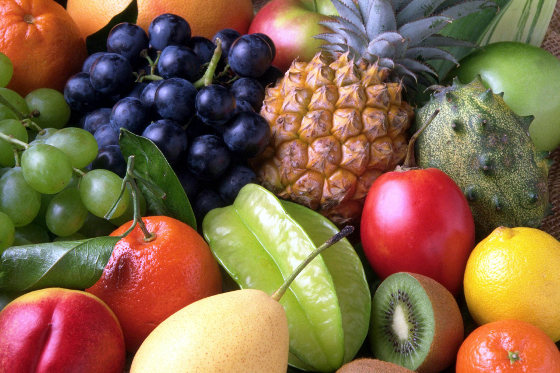
Fruits are nature’s treat for humans. They are healthy and sweet at the same time! There are very few fruits that can cause side effects that too when consumed in excess. In moderate to little high proportions Fruitsmost of the fruits can serve up a big portion of your daily requirement of Vitamins, minerals and essential fiber. All fruits are different from each other yet all of them pack a punch when it comes to nutrition and their health benefits(1); the most common of them are:
> They carry strong anti-oxidant properties that help them block the free radical damage, strengthen our immune system and prevent or slow the spread of Cancer;
> Fruits have high water content which keeps the body hydrated and restores the lost electrolyte balance owing to heavy exercises;
> Fruits contain a good amount of dietary fiber that aids digestions, prevents constipation, ensures good bowel movement and cleanses colon;
> Most of the fruits are low in fats and the ones that have fats contain good cholesterol known as HDL (high density lipoproteins) which combats and reduces the level of bad cholesterol in the body.
> Fruits are good for bones, teeth and reduce the risk of age related degenerative diseases;
> Fruits regulate blood pressure, lower down cholesterol and are therefore excellent for heart health;
> Fruits are better than any cosmetic product for keeping your facial skin youthful, reducing spots and delaying the ageing and wrinkling;
> Fruits promote healthy hair growth, reduce hair fall and prevent premature greying.
With so many basic benefits, there is no reason one cannot have a platter of seasonal fruits everyday. There is such a huge variety that you are bound to find something that suits your taste.
[Note: All nutritional details are per 100 grams of serving]

Top 45 Fruits Health Benefits And Nutrition Facts

1. Acai Berries

Nutrition Facts: These beautiful blue black berries are high fiber berries and unlike moAcai Berryst of the fruits have a significant amount of healthy fats. Acai berries are made up of 23% Carbohydrates, 71% of fats and 6% proteins.
Fats 71%
Carbohydrates 23%
Protein 6%
Glycemic load 1/100
fiber 2 gms
Vitamin A 15%
Saturated Fat 1.5 gms
Health Benefits: Great for digestion, Keeps you well hydrated, cleanses colon and encourages good fats in the body.
Trivia: Each branch of Acai palm bears 700-900 Acai berries every year! Acai berries must be packed in an air-tight container immediately as they tend to rot incredibly fast on exposure to air.

2. Apples

Nutrition Facts: Apples is one of the most popular fruit that is grown worldwide and comeapples from the family of rose. A 100 grams of Apple contains 13.81 grams of carbohydrate with 10.39 grams of Sugar, 3.3 mcg of Fluoride and 85% water.
Fats 3%
Carbohydrates 95%
Protein 2%
Glycemic load 3/100
fiber 2.4 gms
Vitamin C 8%
Phytosterols 12 mg
Water 85.6 g
Health benefits: Highly beneficial for strong teeth and gums, good source for fiber, prevents diabetes especially in women and incidence of gall stones.
Trivia: There are about 10,000 varieties of Apples grown in the world today! A very few people know this that Apples originated in Central Asia and not in the west. A naughty fact about Apple- Tossing an apple at a girl in ancient Greece was meant as a proposal of marriage.

3. Apricots

Nutrition Facts: Apricots come from the species of Prunus Armeniaca and a 100 grams of serving contains
11 grams of Carbohydrates of which 2 grams is Dietary fiber. It is a rich source of ApricotVitamin A (96 mcg), Beta Carotene (1094 mcg) and Vitamin C (10 mg).
Fats 7%
Carbohydrates 83%
Protein 10%
Glycemic load 4/100
fiber 2 gms
Vitamin A 39%
Vitamin C 17%
Potassium 7%
Water 86.4 g
Health Benefits: It is a strong Anti-oxidant which defies tumors and protects from signs of early ageing. Apricots help in regulating bowel movements, maintain  healthy eyes and are great for your hair and skin.
Trivia: Apricots are natives of Asia, from where they spread to Persia, Europe and finally to the US. In Ancient China they were believed to improve the fertility of women.

4. Avocados

Nutrition Facts: Also known as Alligator pear, Avocados are a high energy fruit with 100 grams serving releasing 160 Kcal. It has a very high content of dietary fiber at 6.7 grams and 9.80 monounsaturated fats.Avaocado
It is a rich source of Vitamin B2, B3, B5, b6, B9, C, E and K! You can also derive a healthy composition of trace metals like Magnesium, Manganese, Potassium and Zinc.
Fats 77%
Carbohydrates 19%
Protein 4%
Glycemic load 2/100
fiber 6.7 gms
Vitamin C 17%
Vitamin E 10%
Vitamin K 26%
Vitamin B2 8%
Vitamin B3 9%
Vitamin B6 13%
Folate 20%
Potassium 14%
Magnesium 7%
Copper 9%
Water 73.2 g
Health Benefits: Avocados are great for Cardiovascular Health, promote digestion, protect eyes, prevent and slow down age related degenerative diseases, help in weight loss and protect from free radical damage.
Trivia: They are perfect for people who are Vegan and are allergic to gluten. Avocado trees do not self-polinate, they need other Avocado trees to bear fruits.

5. Banana

Nutrition Facts: Bananas are typically a tropical fruits though they are widely grown across the world today. They are low fat and are made 22 % of carbohydrates.
Bananas are powerhouse of VitaminBanana B6, b5 and Vitamin C. They have a healthy composition of Manganese, Magnesium and Potassium.
Fats 3%
Carbohydrates 93%
Protein 4%
Glycemic load 8/100
fiber 2.6 gms
Vitamin C 15%
Vitamin B6 18%
Potassium 10%
Magnesium 7%
Manganese 13%
Water 74.9 g
Health Benefits: They lower blood pressure, are great for your heart, protect from diabetes, improves mood and helps in treating diarrhea.
Trivia: Bananas are botanically classified as Berries! There are about 1000 varieties of bananas grown across the world and 100 billion of them are consumed annually making them the 4th largest agricultural product.

6. Blackberries

Nutrition Facts: They come from Rosaceae Family and are a rich source of carbohydrates. You can derive significant amount of Vitamin C, Vitamin K and folate from these berries. They are also rich in Manganese and BlackberriesCopper. Apart from these, it also contains Choline in considerable proportions.
Fats 10%
Carbohydrates 79%
Protein 11%
Glycemic load 3/100
fiber 5.3 gms
Vitamin C 35%
Vitamin K 25%
Copper 8%
Manganese 32%
Water 88.1 g
Health Benefits: Blackberries have cancer fighting properties, is great for your skin, keeps up the electrolyte level in the body, acts as astringent, helps in treating dysentry and helps in effective diabetes management.
Trivia: When they are unripe, blackberries have reddish pink color. Many varieties of Blackberries are covered in thorns and they taste best in Jams and relish.

7. Blueberries

Nutrition Facts: These are perennial berries and is grown in Europe, Asian, Africa and North America. These berries are low fat and high fiber fruits with a rich composition of Vitamin C and Vitamin K. blueberriesIt is particularly high in trace metal, Manganese.
Fats 5%
Carbohydrates 91%
Protein 4%
Glycemic load 4/100
fiber 2.4 gms
Vitamin C 16%
Vitamin K 24%
Manganese 17%
Water 84.2 g
Health Benefits: Blueberries are excellent anti-oxidants, anti-inflammatory agent, rejuvenates your skin, prevents Cancer, delays and protects from age related degenerative conditions and keeps your bladder in a healthy shape.
Trivia: For Native Americans blueberries are nothing less than divine. They believe that god himself made these berries to feed the children  during famine. During the American Civil war, Blueberries were staple food of troops. Blueberries are amongst the rarest fruits that bear the blue color naturally.

8. Cantaloupe

Nutrition Facts: Also known as Musk melon and honeydew, it is a very fragrant andCantaloupe sweet fruit which originated in Ancient Armenia. Cantaloupe has rich composition of Vitamins like Vitamin A, Beta Carotene and Vitamin C. It contains minerals in moderation but has high concentrate of Manganese.
Fats 5%
Carbohydrates 87%
Protein 8%
Glycemic load 3/100
fiber 0.9 gms
Vitamin A 68%
Vitamin C 61%
Potassium 8%
Water 90.2 g
Health Benefits: Protects lungs health, maintains cardiovascular system, treats insomnia, nurtures pregnancies, rejuvenates skin, keeps the body hydrated and prevents hair loss.
Trivia: Cantaloupe was introduced to America the the great explorer Christopher Columbus. Honey dew, musk melon etc are the different species of same fruit.

9. Cherimoya

Nutrition Facts: Cherimoya is a less known fruit and is considered to have originated in Andes. CherimoyaIt is a high fiber fruit which is rich source of Vitamin B2, B6 and Vitamin C. It contains trace metals and minerals in moderation which makes it a very safe fruit.
Fats 7%
Carbohydrates 86%
Protein 7%
Glycemic load 6/100
fiber 2.3 gms
Vitamin C 19%
Vitamin B6 11%
Potassium 8%
Water 79.4 g
Health Benefits: It is known to for its anti-inflammatory properties, is good for your heart, optimizes immune function, improves bone health and delays appearance of signs of ageing on skin as well as hair.
Trivia: Cherimoya tree is known as Tree of Ice cream; it is all thanks to the creamy and tasty fruit it bears. Cherimoya is a sensitive fruit and gets spoilt really fast because of which it is usually available only locally where it is produced.

10. Cherry

Nutrition Facts: Cherry is a stone fruit from genus Prunus and is popular in its sweet form. CherriesSweet cherries are high energy and high fiber fruits with a very moderate composition of Vitamins and minerals. It mainly consists of Carbohydrates with hardly any fats.
Fats 3%
Carbohydrates 91%
Protein 6%
Glycemic load 5/100
fiber 2.1 gms
Vitamin C 12%
Potassium 6%
Water 82.2 g
Health Benefits: It helps in controlling diabetes, improves the quality of sleep, known to reduce and delay skin ageing, reduce muscle pain, manages arthritis and prevents cancer.
Trivia: Darker the color of cherry, healthier the fruit. Cherry has thousand varieties but only ten are produced commercially. One tree of cherry can produce almost 7000 cherries every year!

11. Choke berry

Nutrition Facts: It is native to North America and belongs to the family of Rosaceaea. ChokeberriesThey come on three colors- Black, Red and sometimes in purple. It is low in calories and high in dietary fiber. Chokeberries have a well balanced composition of Vitamin A, C, E, K and folate. The mineral density of chokeberries mostly include Iron, Calcium, Potassium, Manganese and Zinc.
Fats 6%
Carbohydrates 87%
Protein 7%
Glycemic load 9/100
fiber 17 gms
Vitamin K 37%
Vitamin B6 10%
Potassium 9%
Manganese 10%
Water 61.5 g
Health Benefits: Chokeberries help in controlling blood cholesterol, chronic inflammation, cancer, reduce the risk of cardiovascular diseases, prevent ulcers and maintain liver health.
Trivia: Chokeberries boast of one of the highest concentrate of anti-oxidants in fruits. The term chokeberry comes from the fact that this berry leaves a sensation in the mouth and throat making it feel dry like partial choking!

12. Cranberries

Nutrition Facts: Cranberries grow on dwarf shrubs and are white when unripe. Completely ripe Cranberriescranberries have deep red color and they are high on carbohydrates with very significant amount of dietary fiber but very low in fat composition. It is particularly rich in Vitamin C and Vitamin E. In trace metals, it has high quantity of Manganese.
Fats 2%
Carbohydrates 95%
Protein 3%
Glycemic load 2/100
fiber 4.6 gms
Vitamin C 22%
Vitamin E 6%
Vitamin K 6%
Manganese 18%
Water 87.1 g
Health Benefits: It has strong anti-oxidant and anti-inflammatory properties, keeps your body well hydrated, is great for your facial skin, has anti-cancer properties, protects liver and its juice cures UTI (Urinary Tract Infection).
Trivia: Cranberries are used by Native American as color dye and used stewed cranberries to cure arrow wounds! Thanksgiving in America and Canada is incomplete without serving of this sweet sour tarty berries.

13. Dates

Nutrition Facts: Dates are one of the oldest cultivated edible fruits and are believed to have Datesoriginated somewhere around Iraq. Dates are high energy, dietary fiber and high sugar fruit. But its use as a substitute to sugar is considered far healthier than the artificial Sugar itself. It is a rich source of Vitamin B5 and B6. It is particularly known for its trace metal composition which has Manganese, Magnesium, Potassium and Phosphorus.
Fats 0%
Carbohydrates 98%
Protein 2%
Glycemic load 39/100
fiber 6.7 gms
Vitamin B3 8%
Vitamin B6 12%
Potassium 20%
Magnesium 14%
Manganese 15%
Copper 18%
Water 21.3 g
Health Benefits: It alleviates constipation, prevents Anemia, provides instant energy, is good for heart, controls diarrhea and is generally good for regulating digestion.
Trivia: Dates Palm are national symbols of Arabia and Israel. They have a rare specialty which allows them to be irrigated with Ocean water and need at least 100 days of strong sunshine to flourish in the best way. They are sturdy and very tolerant to nature’s elements.

14. Durian Fruit

Nutrition Facts: This fruit belongs to the Genus Durio and has hard thick and thorny coveringDurian. The fruit itself is soft, creamy, juicy and emits strong odor. This fruit is a high energy and high carbohydrate fruit. It contains significant amount of Vitamin B1, B2, B6, Folate and Vitamin C. It also has a rich composition of trace metals like Manganese, Magnesium and Potassium.
Fats 30%
Carbohydrates 67%
Protein 3%
Glycemic load 10/100
fiber 3.8 gms
Vitamin C 33%
Vitamin B1 25%
Vitamin B2 12%
Vitamin B6 16%
Potassium 12%
Folate 9%
Copper 10%
Magnesium 8%
Manganese 16%
Water 65 g
Health Benefits: It aids digestion, improves blood flow, boosts healthy cholesterol, prevents anemia, improves metabolism and nourishes pregnancy.
Trivia: Durian is not a great fruit if take in excess by those who want to shed weight but is a great addition to a weight loss regimen in limited quantities. The smell of this fruit is hated by a lot of people and is termed as “worst smelling fruit in the World”!

15. Figs

Nutrition Facts: Figs are from the family- Moraceae and genus Ficus. It is a native of FigsMiddle East and Western Asia. Fig is powerhouse of energy and has a high sugar and fiber content. It has a complete composition of Vitamins in form of Vitamin A, B2, B5, B6 and Vitamin K. It also contains a rich combination of trace metals- Calcium, Iron, Magnesium, Manganese, Phosphorus and Zinc.
Fats 3%
Carbohydrates 94%
Protein 3%
Glycemic load 6/100
fiber 2.9 gms
Vitamin K 6%
Vitamin B6 6%
Potassium 7%
Water 79.1 g
Health Benefits: Figs can provide a lot of energy almost instantly. They are high in antioxidants, cure constipation, prevents gastrointestinal disorders, is good for skin, reduces the risk of Colon cancer and regulates blood pressure.
Trivia: The blossoms of figs are inside the fruit which give rise to so many tiny seeds that are edible and make it crunchy. Earlier Olympic athletes used to eat figs as a part of special diet recommended to them. Half cup of Figs have calcium equal to half glass of milk!

16. Goose Berries

Nutrition Facts: Gooseberries come from the same species as currants i.e Ribes. It is native tGooseberrieso Europe and has bitter sour taste. Goose berries are made up majorly of carbohydrates with high amount of Dietary fiber. It is a very rich source of Vitamin C and Manganese. Other nutrients are in moderate quantities in these berries.
Fats 11%
Carbohydrates 82%
Protein 7%
Glycemic load 2/100
fiber 4.3 gms
Vitamin C 46%
Manganese 7%
Water 87.9 g
Health Benefits: Goose berries enhance digestion, have strong anti-oxidant properties, improve the quality of hair, boost calcium absorption in the body, relieve from menstrual cramps and is very effective in controlling diabetes.
Trivia: If you consume water right after chewing on a gooseberry, it gives it out a sweet aftertaste. These berries are usually consumed in form of chewies, pickles and preserves and are rarely eaten in their natural form.

17. Grapes

Nutrition Facts: Grapes are berries and come from the Genus Vitis. Grapes have high sugarGrapes nutritionand healthy water content. They are a rich source of Vitamin B1, B2, B6 and Vitamin K. It is a safe fruit to consume because the composition of trace metals in this fruit is moderate.
Fats 2%
Carbohydrates 94%
Protein 4%
Glycemic load 6/100
fiber 0.9 gms
Vitamin C 18%
Copper 6%
Water 80.5 g
Health Benefits: They keep you well hydrated, flush toxins from the body, help in managing asthma, prevents heart diseases, reduce fatigue, aids digestion and is good for bone health.
Trivia: Grapes are new to America and were brought here some 300 years ago. About 2.5 pounds of grapes go into making one bottle of wine. Grapes come in green, black , red, yellow and even blue color! Raisins are sun dried grapes.
Know More:  Grapes Health Benefit

18. Grapefruit

Nutrition Facts: Though it has “grape” in its name but grapefruit is not related to them inGrapefruitanyway and look more like oranges. Grapefruits have a rich water content and contain carbohydrates with a high sugar proportions. It has a very high Vitamin C content and rest of Vitamins and minerals are found in smaller quantities.
Fats 3%
Carbohydrates 91%
Protein 6%
Glycemic load 3/100
fiber 1.6 gms
Vitamin A 23%
Vitamin C 52%
Potassium 4%
Water 88.1 g
Health Benefits: Grapefruit is known for its antioxidant properties, keeps you well hydrated, gives radiant skin, reduces risk of stroke, controls high blood pressure, has cancer preventing characteristics and prevents Asthma.
Trivia: Grapefruit actually evolved from another fruit which is native to Indonesia and Malaysia. Grapefruit is made 75% of water and if freshly squeezed juice is frozen immediately then it retains all its goodness for up to a week!

19. Guava

Nutrition Facts: Guava is a tropical fruit and the most common variety is called an Apple guava. Guava nutrition factsGuava is high energy and high sugar fruit with an impressive proportion of dietary fiber. It has the highest amount of Vitamin C, more than oranges! It also contains Vitamin B3, B5, B6 and Folate. It also has a healthy combination of Magnesium, Manganese and Potassium.
Fats 12%
Carbohydrates 75%
Protein 13%
Glycemic load 8/100
fiber 5.4 gms
Vitamin A 12%
Vitamin C 381%
Folate 12%
Potassium 12%
Copper 11%
Water 80.8 g
Health Benefits: It is a very rich anti-oxidant, is good for teeth and gums, is good for digestion, helps in diabetes management, improves vision, nurtures pregnancy and balances electrolyte levels in the body.
Trivia: The leaves of Guava have a toxin which discourages the growth of any other plants near a Guava tree. Guava is used as a popular salad ingredient and in fruit punches all around the world.

20. Jackfruit

Nutrition Facts: Jackfruit comes from Mulberry family and is a native of South and SouthJackfruitEast Asia particularly India. It contains high proportion of Sugar and dietary fiber. It is a rich source of Vitamin B1, B6 and Vitamin C. Amongst the trace metals, it contains high quantities of Magnesium and Potassium.
Fats 3%
Carbohydrates 92%
Protein 5%
Glycemic load 10/100
fiber 1.6 gms
Vitamin C 11%
Vitamin B2 6%
Potassium 9%
Copper 9%
Manganese 10%
Water 73.2 g
Health Benefits: It optimizes immune function, provides instant energy, maintains blood pressure, ensures healthy cardiovascular system, improves digestion, is good for eyesight and slows down the process of ageing.
Trivia: Jackfruit is the largest tree borne fruit and can weigh up to 50 kilos when completely grown up and reach up to a size of one meter! The smell and appearance of Jackfruit is akin to Durian but they are not a related species.

21. Kiwi Fruit

Nutrition Facts: Kiwi is a berry and is native to Northern China with some species originatingKiwi health benefits n nutrition factsfrom India and Siberia as well. Kiwi has a good amount of dietary fiber and is a rich source of Vitamin C, Vitamin B5, Folate and Vitamin E. They contain significant amount of Potassium with other metals in moderate quantities.
Fats 7%
Carbohydrates 87%
Protein 6%
Glycemic load 4/100
fiber 3 gms
Vitamin C 155%
Vitamin K 50%
Potassium 9%
Water 83.1 g
Health Benefits: Kiwi protects from free radical damage, is anti-cancer, alleviates symptoms of Asthma, maintains cardiovascular health, slows down macular degeneration and controls diabetes.
Trivia: Kiwi does not self pollinate and needs one male and female variety to reproduce. The largest producers of Kiwi fruit are New Zealand, Italy and Chile. Kiwi tree produces fruit for over 30 years and can survive for up to 50 years.

Most Popular This Week:

Avoid Botox – Do This Now

x

Dieters Are In For A Big Surprise!

x

1 Odd Trick Stops Erectile Dysfuntion

x

Kelowna Woman Avoids Surgery With Incredible Weight Loss Method!

x

12 Celebs Ruined By Drugs

x

Kelowna Woman Shocks Doctors As $3 ‘Skinny Pill’ Sweeps Canada

x

This Skin Trick Has Kelowna Women Looking Younger Than Ever!

x

67 Terrifying Medical Conditions That Are Really Rare

x

Sponsored by Revcontent

Quantcast


22. Kumquat

Nutrition Facts: Kumquat belongs to the family Rutaceae and resembles oranges closely in Kumquatterms of appearance and taste. Kumquat has a very high fiber content in raw form and is a rich source of Vitamin C, Vitamin B2, Iron, Magnesium, Manganese and Calcium.
Fats 10%
Carbohydrates 81%
Protein 9%
Glycemic load 4/100
fiber 6.5 gms
Vitamin C 73%
Manganese 7%
Water 80.8 g
Health Benefits: Kumquat increase immunity, Protects from cancer, improves Cardiovascular health, protects from Diabetes, is an anti-inflammatory agent, delays ageing, expedites healing and improves bone health.
Trivia: Kumquat has a sweet skin so it can be eaten whole including the skin. The flesh of this fruit is quite sour. They do not belong to citrus family but have their very own genus!

23. Lemon

Nutrition Facts: Lemon is native to Asia and is extremely sour fruit. Lemon has an impressiveLemon amount of Dietary fiber and almost equal amount of Sugar content. It is a rich source of Vitamin C, Vitamin B6 and has rest of the Vitamins and minerals in moderate quantities.
Fats 13%
Carbohydrates 63%
Protein 14%
Glycemic load 3/100
fiber 4.7 gms
Vitamin C 128%
Copper 13%
Water 87.4 g
Health Benefits: It strengthens immunity, protects from common diseases like cold and flu, aids weight loss, regulates ideal blood pressure, improves digestion, alleviates fever, brightens skin tone, restores electrolyte balance and application of skin removes scars and spots gradually.
Trivia: Lemon acts as a natural bleaching agent. The tree is in bloom the entire year and one tree can produce over 200 Kgs of lemons in a year! 5%-6% of lemon is made of Citric acid which makes it very sour and tarty.

24. Loquat Fruit

Nutrition Facts: Loquat belongs to family Rosaceae and is a native to South- Central China. LoquatLoquat is a very safe fruit as the nutritional composition of this fruit is very moderate. It is high in dietary fiber and is rich source of Vitamin A, Vitamin B6 and Manganese.
Fats 4%
Carbohydrates 93%
Protein 3%
Glycemic load 3/100
fiber 1.7 gms
Vitamin A 31%
Potassium 8%
Water 86.7 g
Health Benefits: Loquat protects from Colon Cancer, improves skin health, maintains blood pressure, increases blood formation, strengthens bones, improves eye sight and protects from Cancer.
Trivia: Loquat is a popular Ornamental plant and bear fragrant flowers. They need sunny days to grow well and are drought tolerant.

25. Lychee

Nutrition Facts: It is the only member of genus Litchi in Soapberry family. This fragrant, juicy lycheeand very sweet fruit is healthy source of Sugar, dietary fiber and is rich in water content. It has high amount of Vitamin C and has other vitamins and minerals in low but complete composition.
Fats 6%
Carbohydrates 90%
Protein 4%
Glycemic load 5/100
fiber 1.3 gms
Vitamin C 119%
Copper 7%
Water 81.8 g
Health Benefits: It strengthens immunity, protects from free radical damage, boosts blood production and purification, optimizes metabolism, great for skin and takes care of your Cardiovascular health.
Trivia: Lychees do not ripe after being harvested. Lychee is also used in perfume and it has a classic combination with Rose perfume and rose flavor.

26. Mango

Nutrition Facts: Mango is supremely tasty fruit which belongs to the genus Mangifera and is aMango native of South and South East Asia. It is high on sugar and dietary fiber. Mango is a rich source of Vitamin A, Vitamin B6, folate and Vitamin C. The nutrients in form of mineral and trace metals are present in strictly moderate quantities.
Fats 3%
Carbohydrates 94%
Protein 3%
Glycemic load 5/100
fiber 1.8 gms
Vitamin A 15%
Vitamin C 46%
Vitamin B6 7%
Copper 6%
Water 81.7 g
Health Benefits: Mango is rich in anti-oxidants, improves eye health, lowers cholesterol, improves digestion if taken in moderation and boosts immunity.
Trivia: Mango is the national fruit of India, Pakistan and Philippines. Mango tree is national tree of Bangladesh. It is a summer fruit and has over thousand varieties. They are close relatives of Cashew and Pistachios!

27. Mangosteen

Nutrition Facts: Mangosteen is evergreen and is believed to have originated in Indonesia. MangosteenIt has significant amount of fiber and is a rich source of Vitamin B9 and has considerable amount of Vitamin B1, B2 and Manganese. Rest of the other nutrients are found in smaller quantities in Mangosteen.
Fats 7%
Carbohydrates 91%
Protein 2%
Glycemic load 5/100
fiber 1.8 gms
Vitamin C 5%
Folate 8%
Manganese 5%
Water 80.9 g
Health Benefits: It is a low calorie fruit which has impressive antioxidant properties, improves blood flow, lowers bad cholesterol in the body, is anti-bacterial and anti-fungal in nature, expedites cell repair and aids weight loss.
Trivia: It is national fruit of Thailand and is known for its amazingly delicious taste. The Mangosteen tree can grow up to 75 feet and it takes about 10 years for the tree to bear its first fruit!

28. Mulberries

Nutrition Facts: Mulberries cover 10-16 species of deciduous trees collectively called Mulberry.Mulberries It is a rich source of Carbohydrates and contains high quantities of Vitamin B2, Vitamin C, Copper and Iron. It also has phytonutrients like beta Carotene and Lutein-zeaxanthin.
Fats 8%
Carbohydrates 81%
Protein 11%
Glycemic load 4/100
fiber 1.7 gms
Vitamin C 61%
Vitamin K 10%
Iron 10%
Water 87.7 g
Health Benefits: It slows down ageing, prevent cancer, treats anemia, controls diabetes, improves cardiovascular health, boosts immunity, promotes hair growth, purifies blood and cures chronic constipation.
Trivia: White Mulberry plants are used in Sericulture which means rearing of silk worms. Black mulberries are known to have the best taste. The largest trees of this species can reach up to 75 feet in height!

29. Olives

Nutrition Facts: Olives come from the family Oleaceae and is widely cultivated for its fruit as Oliveswell as their oil. Olives are high energy and are majorly made up of mono-unsaturated fats which makes them super healthy. They are a powerhouse of Vitamin E and sodium.
Fats 88%
Carbohydrates 10%
Protein 2%
Glycemic load 1/100
fiber 3.3 gms
Vitamin E 19%
Sodium 65%
Copper 6%
Manganese 13%
Water 75.3 g
Health Benefits: Olives control the bad cholesterol in the body, regulate high blood pressure, aid weight loss, delay the onset of degenerative diseases, prevent Anemia and improve fertility in women.
Trivia: 11 pounds of olives need to be pressed to produce 32 ounces of Olive oil. It is one of the healthiest oils in the world. Burning olive oil reduces its goodness significantly, this is why unlike other oils you can add the vegetables for cooking when olive oil is still heating.

30. Orange

Nutrition Facts: Orange belongs to Citrus species and they account for about 70% production Orangesof the fruits of this species. Oranges have a high content of water and an impressive composition of Dietary fiber and Sugar. Oranges are particularly rich in Vitamin C, Vitamin B1, B5 and Folate.
Fats 3%
Carbohydrates 93%
Protein 4%
Glycemic load 8/100
fiber 2.6 gms
Vitamin C 15%
Vitamin B6 18%
Potassium 10%
Magnesium 7%
Manganese 13%
Water 74.9 g
Health Benefits: Oranges are rich in antioxidants, purify blood, fight free radicals, build up the immunity of the body, reduces risk of developing Cancer, boosts heart health and regulates healthy heart function.
Trivia: The color orange is derived from this fruit and the flavor of orange assumes the coveted third place as world favorite after chocolate and Vanilla. In Victorian Britain Oranges were gifted dueing Christmas.

31. Papaya

Nutrition Facts: Papaya is the sole species in the genus Carica and is a native to tropics ofpapayaAmerica. It is a low fat, high carbohydrate and high fiber fruit. It has a high content of Vitamin A, Folate, Vitamin C and Magnesium.
Fats 3%
Carbohydrates 92%
Protein 5%
Glycemic load 2/100
fiber 1.8 gms
Vitamin A 22%
Vitamin C 103%
Folate 10%
Potassium 7%
Water 88.8 g
Health Benefits: Papaya is beneficial in bettering the eyesight and maintaining eye health, lowers cholesterol, aids healthy weight loss, boosts immunity, controls diabetes, improves digestion, reduces menstrual cramps and pain, promotes healthy skin and is good for hair growth.
Trivia: The flowers of Papaya can contain both male and female organs. Papaya leaves are used for treating Malaria and their stems and bark are used for making ropes!

32. Passion Fruit

Nutrition Facts: Passion fruit comes from species of Passion flower which is native ofPassion fruit Brazil, Paraguay and Argentina. It is a rich source of Vitamin A, Beta Carotene, Vitamin B2, B3, B6 and Vitamin C. It also contains trace metals like Iron, Magnesium, Phosphorus and Potassium in significant quantities.
Fats 6%
Carbohydrates 86%
Protein 8%
Glycemic load 6/100
fiber 10.4 gms
Vitamin A 25%
Vitamin C 50%
Vitamin B2 8%
Iron 9%
Potassium 10%
Water 72.9 g
Health Benefits: It protects from Cancer, lowers blood pressure, acts as a colon cleanser, improves eye sight, increases hemoglobin, aids digestion, boosts immunity, ensures cardiovascular health and alleviates the symptoms of Asthma.
Trivia: Botanically, Passion fruit is a berry and have four common varieties viz. Yellow, purple, Panama and Banana. Best passion fruits have smooth to slightly wrinkled skin and are heavy for their size.

33. Peaches

Nutrition Facts: Peaches belong to genus Prunus and are native to North West China. It is rich inPeaches dietary fiber and is a healthy source Vitamin B3, Vitamin C and Vitamin E. The mineral and trace metal composition is present in moderate quantities.
Fats 5%
Carbohydrates 87%
Protein 8%
Glycemic load 3/100
fiber 1.5 gms
Vitamin A 8%
Vitamin C 11%
Potassium 5%
Water 88.9 g
Health Benefits: Peach is a perfect snack for weight losing diet, reduces hair loss, acts as natural de-worming agent in the intestines, is a natural diuretic, control diabetes, inhibits tumor growth, strengthens kidney function and improves the quality of sleep.
Trivia: There are about 700 varieties of Peaches available. Peach oil is an excellent moisturizer and ancient Romans used to call them Persian apples. A peach plant can take up to four years to bear the first fruits.

34. Pears

Nutrition Facts: Pears come from genus Pyrus and family Rosaceaea. Pears have a high dietaryPears fiber and sugar content. Pears are a very safe fruit with moderate composition of Vitamins and minerals in them that make up 1-4% of dietary requirement with a 100 grams serving.
Fats 2%
Carbohydrates 96%
Protein 2%
Glycemic load 3/100
fiber 3.1 gms
Vitamin C 7%
Phytosterols 8.0 mg
Water 83.7 g
Health Benefits: Pears have anti-carcinogen agents that make it anti-cancer. It is good for controlling blood pressure, cleanses colon, lends instant energy, is anti-inflammatory, aids faster healing, prevents Osteoporosis, controls blood sugar level and reduces bad cholesterol in the body.
Trivia: About 3000 varieties of pears are grown world wide and China is their largest producer. Pear leaves were smoked in Europe before Tobacco was introduced in the continent. Pear juice is considered to be safe as first juice for infants.

35. Persimmon Fruits

Nutrition Facts: Persimmon belongs to genus Diospyros and is botanically classified as aPersimmonberry. It is a high carbohydrate ingredient with a lot of dietary fiber and is low on fats. Persimmon fruit is a rich source of Vitamin A, Vitamin B6 and Vitamin C. It is particularly loaded with Manganese.
Fats 2%
Carbohydrates 95%
Protein 3%
Glycemic load 5/100
fiber 3.6 gms
Vitamin A 33%
Vitamin C 13%
Magnesium 7%
Manganese 18%
Water 80.3 g
Health Benefits: Persimmon fruit promotes weight loss, protects eye sight, nourishes eyes, improves digestion, fights cancer, delays ageing, boosts immune function and is great for cardiovascular health.
Trivia: The cream colored flowers of Persimmon are female whereas pink are male! Persimmons have astringent properties and the unripe one can leave a dry trail in your mouth like acid.

36. Pineapple

Nutrition Facts: Pineapple is a tropical fruit and finds its origin in area between Brazil and PineappleParaguay. It is a rich source of dietary fiber along with Vitamin B1, B6 and Vitamin C. It also boasts of high concentrates of trace metal- Manganese.
Fats 2%
Carbohydrates 94%
Protein 4%
Glycemic load 3/100
fiber 1.4 gms
Vitamin C 80%
Vitamin B6 6%
Copper 6%
Manganese 46%
Water 86 g
Health Benefits: Pineapples strengthen immunity and thus build better body defenses. They slow down degenerative diseases particularly Macular degeneration, ensure healthy gums, has anti-cancer properties, aids digestion, regulates blood pressure, keeps your body hydrated and is very effective against acne.
Trivia: Pineapples hardly ripen after harvesting and a single pineapple takes almost three years to fully mature! Pineapple leaves are used to produce the textile fiber Pina which is widely used in weaving cloth for formal clothing in Philipines.

37. Plums

Nutrition Facts: Plums come from genus Prunus and are a high sugar and high fiber fruit. PlumsThey contain water, Vitamin C and Vitamin K in considerable quantities whereas other vitamins, minerals and trace metals are present in moderation.
Health Benefits: Plums restore lost electrolyte balance, relieve from constipation, good for eye sight, have anti-cancer capabilities, lower cholesterol levels, acts as laxatives, lowers blood glucose levels and detoxifies the body.
Trivia: Only those Plum trees that bear white flower produce plum fruit whereas the other species which is laden with pink flowers is essentially a flowering plant. Plum seeds have a chemical compound which turns into Cyanide in the human body!

38. Pomegranate

Nutrition Facts: Believed to have originated somewhere in the area of present day Iran. PomegrenateThey are very rich in dietary fiber and provide your body with important Vitamins like Vitamin B5, Folate, Vitamin C and Vitamin K. They also contain considerable quantities of Manganese, Phosphorus and Potassium.
Fats 12%
Carbohydrates 81%
Protein 7%
Glycemic load 6/100
fiber 4 gms
Vitamin C 17%
Vitamin K 21%
Folate 10%
Potassium 7%
Copper 8%
Water 77.9 g
Health Benefits: Pomegranates lower high blood pressure, Protect from heart diseases, reduce the risk of developing cancer, boosts immunity, hydrates your body, lowers anxiety and stress and keeps plaque from building on your teeth.
Trivia: The term pomegranate is from latin and means “Apple of many seeds”. One fully grown and matured pomegranate contains over hundred of edible seeds. They can be stored in refrigerator for up to two months without going bad.

39. Quince Fruit

Nutrition Facts: It is the sole member of genus Cydonia and are a powerhouse of Vitamin C. Quince fruitThey have healthy amount of Dietary fiber and hardly any fats. In trace metals, Iron and Potassium are found in considerable quantity whereas other nutrients are present in lower to moderate concentrates.
Fats 1%
Carbohydrates 97%
Protein 2%
Glycemic load 4/100
fiber 1.9 gms
Vitamin C 25%
Potassium 6%
Water 83.8 g
Health Benefits: Quince are known for their antioxidant properties, aid weight loss, control bad breath, is anti-bacterial, fights cancer, strengthens immune system, protects from free radical damage and is good for blood purification.
Trivia: Quince look like Golden apples and cannot be eaten in their raw form because of their extreme astringent quality. They are natives of Middle East. Quince just like Apples, oxidize very fast on exposure to air.

40. Raspberry

Nutrition Facts: Raspberries are from genus Rubus and belong to Rose Family. Raspberries Raspberryare high energy fruits with very high concentrate of Dietary fiber. It has a rich composition of Vitamins and are specifically high in Vitamin B5, Vitamin C and Vitamin K. It contains Manganese in high levels and other metals in moderation.
Fats 10%
Carbohydrates 82%
Protein 8%
Glycemic load 2/100
fiber 6.5 gms
Vitamin C 44%
Vitamin K 10%
Manganese 34%
Water 85.7 g
Health Benefits: Raspberries increase immunity, slow down ageing, protects from Cancer, arrests the growth of tumors, maintains eye health, control inflammation and helps in Diabetes management.
Trivia: There are over 200 varieties of Raspberries but only two are grown. Raspberries are more adapted to colder climates but a few varieties tend to grow in tropical climate as well.

41. Sapodilla

Nutrition Facts: Sapodilla is a sturdy evergreen growth native to Mexico, Central America andSapodilla Caribbean. They contain very high amount of Dietary fiber and are rich in Vitamin C and Vitamin B5. Trace metals and minerals are present in moderate quantity with the highest being Iron.
Fats 11%
Carbohydrates 87%
Protein 2%
Glycemic load 4/100
fiber 5.3 gms
Vitamin C 24%
Potassium 6%
Water 78 g
Health Benefits: They make for high energy fruits, are anti-inflammatory in nature, boost blood production, boost metabolism, protect from cancer causing toxins, cures digestion related disorders especially acid reflux, good for your skin and helps in treating diarrhea.
Trivia: A naturally growing Sapodilla can grow up to 100 feet! They are sturdy and can stand salt water and need a lot of sunshine. They can grow even without regular watering.

42. Star Fruit

Nutrition Facts: Star fruit is native to South East Asian countries and is also known as Carambola. StarfruitThey are known for their high fiber content, Vitamin C and Vitamin B5. All trace metals and mineral are present in low composition in this fruit.
Fats 9%
Carbohydrates 80%
Protein 11%
Glycemic load 6/100
fiber 2.8 gms
Vitamin C 57%
Copper 7%
Water 91.4 g
Health Benefits: It optimizes immune function, allays inflammation, has anti-cancer properties, aids healthy weight loss regimen, maintains blood pressure, Protects your heart, improves iron absorption, aids digestion and boost milk production in lactating mothers.
Trivia: Starfruit needs warm humid climate for best growth. They germinate throughout the year but need only 5-7 days in summers whereas take almost 12-18 days to germinate in the winter season.

43. Strawberry

Nutrition Facts: Strawberry is a hybrid species of genus Fragaria and botanically does notStrawberriesbelong to the Berry classification. Strawberries are rich in Carbohydrates, folate, Vitamin C and trace metal Manganese. It has a high water content and is moderately composed fruit as far as other vitamins and minerals are concerned.
Fats 8%
Carbohydrates 85%
Protein 7%
Glycemic load 2/100
fiber 2 gms
Vitamin C 98%
Folate 6%
Manganese 19%
Water 90.9 g
Health Benefits: Strawberries are great for your skin, Boosts memory, help in digestion, lower the risk of cardiovascular diseases, reduce inflammation, good for your eyes and promote strong immune function.
Trivia: The tiny seeds appearing on strawberry skin are actually a type of Dry fruits and contain their own seeds! Strawberries do not ripe after being plucked. They are known to increase libido and are considered natural aphrodisiac.

44. Tangerine

Nutrition Facts: Tangerine is a variety of Citrus fruit and looks closely like an Orange. TangerineIt is a high energy and high sugar fruit which is a rich source of Vitamin B1, B6 and Vitamin C. The trace metals are moderately contained in this fruit with richer concentrates of Calcium and Potassium.
Fats 5%
Carbohydrates 90%
Protein 5%
Glycemic load 4/100
fiber 1.8 gms
Vitamin A 14%
Vitamin C 44%
Potassium 5%
Water 85.2 g
Health Benefits: Tangerine is anti-inflammatory, anti-oxidant, heals wounds faster, restrict cholesterol absorption, improves digestion, is good for skin, boosts bone health, slows down ageing, gives a brighter skin and delays hair greying.
Trivia: Tangerine have intensive cleansing properties and are extremely beneficial for removing toxins from the body. Mandarins are highly respected in China and have been termed after the imperial officials of the Chinese royal court.

45. Watermelon

Nutrition Facts: Watermelon is a Vine fruit with origins in Southern Africa. They are very rich in Watermelonwater content and are a high sugar fruit. It is a very safe fruit for Children and adults alike as it contains all vitamins and minerals but in moderation. The only vitamin they have in substantial quantity is Vitamin C which is a water soluble Vitamin.
Fats 4%
Carbohydrates 89%
Protein 7%
Glycemic load 2/100
fiber 0.4 gms
Vitamin A 11%
Vitamin C 13%
Water 91.5 g
Health Benefits: Watermelon is excellent for your heart, improves bone health, shaves off the fats, boosts immunity function, expedites cell repair and soothes muscles.
Trivia: Watermelons have a lot of seeds inside but there are hybrids created some 50 years back to give out seedless melons. Watermelon has 92% water, one of the highest percentages in any fruit.

Conditions You Can Treat With Cannabidiol (CBD)

Cannabidiol is just one of the many cannabinoids found in marijuana, however, it is probably the most medically advanced substance in the world. Here’s what CBD can help treatment with…

Conditions You Can Treat With Cannabidiol (CBD)

There are more than 500 cannabinoids currently known to humanity and 1 of them is cannabidiol. It is easily the most interesting of all right next to THC as CBD has a ton of medicinal uses.

Thus, it is slowly becoming a global healing agent, but unlike “modern” drugs it has no negative side effects and can also help treat a number of conditions – some of which are extremely serious ones.

1. Cannabidiol VS Cancer

CBD has been proven to have antineoplastic properties which inhibit cancerous development and tumor growth. The stimulation of apoptotic pathways throughout the body forces the immune system to effectively destroy cancer cells.

2. Cannabidiol VS Multiple Sclerosis

Multiple sclerosis is an awful condition which is caused by the body’s own immune system attacking nerve endings. That results in  constant pain throughout the entire day.

However, marijuana is very well know for its pain relieving properties. More specifically, CBD has been found to relieve that exact same pain caused by multiple sclerosis.

Rough statistics show that up to 30% of multiple sclerosis patients in Europe puff weed to ease the symptoms of MS.

3. Cannabidiol VS Epilepsy

This battle is probably what CBD is most famous for currently and we all know who the winner is. There is still much to learn about the way cannabidiol works to stop seizures, but one thing’s for sure – the effects are there and no one can deny their power.

The countless success stories around the Internet of people treating their children’s epilepsy with medical marijuana (like this one) prove just how good of a medicine this plant is.

In the story mentioned above, we have a 9 year old girl with severe epileptic episodes in her earlier years going to 30 or more in a day and some days even more than 100.

However, since here mother started her on cannabis oil treatment, her daughter hasn’t had a single seizure in more than 18 months.

The sad part is that even though the results are too obvious to be true, hospitals are still denying medical marijuana renewals, because of the lack of scientific evidence of marijuana being a safe treatment option.

What a joke. Where’s the scientific evidence that any of the drugs you buy at your local pharmacy are a safe treatment option? There is none, because they aren’t.

They all do more damage than heal and if the same rule was applied to them as is to cannabis, there will be no pharmacies left.

4. Cannabidiol VS Depression

That lame state of mind we’ve all been at one point in our lives should be fought with the mind itself, however, throwing in some CBD in the mix won’t hurt at all.

According to this study, cannabidiol induces anti-depressant effects in mice. THC was also found to have these same anti-depressant properties which is why marijuana is a first choice for anyone feeling blue.

5. Cannabidiol VS Diabetes

CBD has been recently found to significantly reduce the incidence of diabetes in mice. This study showed that with the percentage lowered from 86% for non-treated mice to 30% in mice treated with cannabidiol.

This data proves that CBD can in fact inhibit and delay the destructive insulitis and inflammatory cytokine production.

6. Cannabidiol VS Schizophrenia

Recent research suggested that CBD is also an effective and at the same time safe treatment for patients suffering from schizophrenia – who isn’t right?

Cannabidiol has anxiolytic and anti-psychotic properties that help people with schizophrenia as well as another similar mind condition, namely bipolar disorder.

It has also been found to help negate some of the more unwanted effects of THC such as paranoia and anxiety. In my opinion, those are caused by the puffer’s mind frame right before they smoke.

7. Cannabidiol VS Cardiovascular Disease

Aside from the aforementioned serious conditions that CBD can help with, it can also help with the number 1 cause of death nowadays – cardiovascular disease.

According to this study, the same effects that cannabidiol exerts which help prevent diabetes are also responsible for its positive effects on cardiovascular disease.

CBD attenuated myocardial dysfunction, cardiac fibrosis, oxidative stress, inflammation, cell death, and interrelated signaling pathways.

Summary

Believe it or not, there are even more conditions that CBD can help with (probably even cure on its own), but a lot more research is needed to know.

However, since it acts on the endocannabinoid system in our bodies, which is located everywhere, it’s pretty logical to assume that it can help with almost anything.

The good thing is that CBD at least can be obtained legally much more easily than marijuana as a whole. That is due to the fact that it does not cause a high like THC.

But despite that fact, the decades of being demonized by the “health organizations” around the world have caused immense damage to the plant’s “image” including its underlying cannabinoids.

So, it will take time before marijuana and its substances become a (legal) major part of the medical industry, but once this happens, we will be surely looking at the medical revolution of the millennium.

Admin – February 2, 2016

Turmeric Is A Potent Inflammation & Cancer Fighter. How Much Turmeric Should You Take & How Often ?

Here’s everything you need to know about the health benefits of turmeric including how to take it, how much to take and how often…

turmeric-roots-and-a-jar-of-turmeric-powder

Historically, spices are treasured for the unique flavors they bring to food and for their healing properties.

Most spices provide some health benefits.

But one spice that shines for its medicinal benefits is turmeric.

You may have seen turmeric in the news as a potential treatment for diseases as diverse as arthritis, cancer, diabetes, heart disease, psoriasis, and Alzheimer’s.

But does this spice live up to its press?

And can you get the benefits of turmeric from food alone or should you take a turmeric supplement?

Turmeric and curcumin are often used interchangeably. What’s the difference between them?

Here’s everything you need to know about the health benefits of turmeric.

Traditional Health Benefits of Turmeric

Turmeric is a spice that comes from the root of Curcuma longa, a beautiful flowering tropical plant native to India.

Turmeric has been used for healing for thousands of years going back to Ayurveda, India’s 5,000-year-old natural healing system. (1)

Cooking residue found on pottery shards shows that people in parts of Asia cooked with turmeric 4,500 years ago. (2)

It is one of several spices used to make curry powder, an essential ingredient in south Asian cuisine.
It’s usually used dry, but the root can also be grated fresh like ginger.

This versatile spice was used traditionally to improve digestion, dissolve gallstones, relieve arthritis, and alleviate symptoms of allergies and colds. (34)

Turmeric + Curcumin Supplements See Amazon.com for best selection and value
It was applied externally for wounds and skin conditions.

It was also used as a beauty treatment. (5)

Soaps and creams containing turmeric are experiencing a surge in popularity today.

Turmeric paste is still applied to the skin of both the bride and groom in a ceremony before marriage in some parts of India, Bangladesh, and Pakistan to beautify skin and as a form of good luck.

The Relationship Between Turmeric and Curcumin

Many websites, even authoritative medical sites, incorrectly use the terms turmeric, curcumin, and even curry powder interchangeably.

This makes it hard to understand the information on turmeric.

Let’s clear up any confusion.

Curry powder is a mix of many spices including the spice turmeric.

Turmeric contains hundreds of compounds, each with its own unique properties.

But of all the compounds in turmeric, curcumin is by far the most promising and is the most widely studied.

Curcumin is not unique to turmeric, it is also found in ginger, another spice with a long history of medicinal use.

You can find many websites that make unrealistic claims about turmeric.

A few natural health websites boldly state that turmeric has been proven beneficial for over 600 ailments.

But the vast majority of studies were done on the isolated compound curcumin, not turmeric.
Turmeric + Curcumin Supplements See Amazon.com for best selection and value
The National Center for Complementary and Integrative Health says this about turmeric studies: “… there is little reliable evidence to support the use of turmeric for any health condition because few clinical trials have been conducted.” (6)

Why would this be?

It’s easier to study a compound like curcumin which can be isolated and standardized and acts more drug-like than spice-like.

But the overriding reason may be that there is little monetary incentive to research a spice that’s already found in millions of kitchens worldwide unless it can be transformed into a substance that can be patented.

Proven Health Benefits of Turmeric

As we’ve seen, the majority of studies have been done on curcumin — not turmeric — and it looks like there aren’t many health conditions this compound won’t help.

Proven health benefits of curcumin include alleviating allergies, breaking up the brain plaques of Alzheimer’s, easing the pain of arthritis, treating depression, controlling diabetes, and decreasing risk of heart attack. (7, 8, 9, 10111213)

But what about turmeric — what is it good for?

So far, turmeric has been found to contain at least 20 compounds that are antibiotic, 14 known cancer preventatives, 12 that are anti-tumor, 12 anti-inflammatory, and at least 10 antioxidants. (14)

Turmeric is considered a potent antioxidant, anti-inflammatory, antibacterial, antiviral, and anticancer agent. (1516)

And studies point to a few specific conditions that turmeric can help.

Turmeric for Alzheimer’s

One of the most exciting benefits of turmeric is that it may prevent Alzheimer’s.

Elderly villagers in India who eat turmeric as a regular part of their diet have the lowest rate of Alzheimer’s in the world. (17)

Over 200 compounds have been identified in turmeric and curcumin is not the only one being studied for Alzheimer’s. (18)

OptiMind A single supplement for better thinking, mental energy, productivity, and mood
Another compound in turmeric, turmerone, stimulates the production of new neurons and seems to encourage the brain to repair itself. (19)

This property could make it a useful treatment for a variety of degenerative brain diseases besides Alzheimer’s, including Parkinson’s, traumatic brain injury, and stroke. (20)

Turmeric for Arthritis

Arthritis and other inflammatory diseases are extremely common.

Over $650 million is spent in the United States every year on natural remedies for treating chronic inflammation.

Turmeric is anti-inflammatory and has been found to be beneficial for arthritis when taken internally and when applied topically. (21)

Turmeric + Curcumin Supplements See Amazon.com for best selection and value
The Arthritis Foundation reports that turmeric can provide long-term improvement in pain and function for those with osteoarthritis.

Their suggested dosage for osteoarthritis is to take one capsule (400-600 mg) three times per day or 0.5-1.0 gram of powdered turmeric root up to 3 grams per day.

Turmeric for Cancer

Curcumin is a promising candidate as a cancer treatment. (22)

It selectively kill tumor cells while leaving normal cells unharmed and works synergistically to increase the effectiveness of both chemotherapy and radiation. (23)

Dr. Saraswati Sukumar is a medical oncologist at the Johns Hopkins University School of Medicine and has been involved in hundreds of studies on the effects of turmeric on cancer. (24)

She has found that eating turmeric prepared in food provides more benefits than taking either curcumin or turmeric supplements. (25)

Turmeric Is Better than Prozac for Depression

Turmeric has impressive antidepressant properties.

In fact it’s been found to be more a more potent antidepressant than fluoxetine, the generic name for Prozac. (26)

It is believed to work by reducing the stress hormone cortisol while increasing serotonin, the neurotransmitter associated with happiness.

This is great news for the millions who have tried antidepressants without success or for those who experience unacceptable side effects (27)

Antidepressant Supplements See Amazon.com for best selection and value
Unlike antidepressant drugs, turmeric either in food or as a supplement can used indefinitely.
It can also be safely combined with other natural remedies for depression such as St. John’s wort and SAM-e. (28)

Enhancing Turmeric Naturally

Unfortunately, turmeric’s main active ingredient curcumin is not very well absorbed.

Unless the right steps are taken, it largely passes through the intestines unutilized.

You can greatly increase absorption by adding black pepper, as is done in curry powder.

Turmeric + Curcumin Supplements See Amazon.com for best selection and value
The compound piperine found in black pepper increases curcumin absorption by a whopping 2,000%. (29)

Since curcumin is fat soluble, its bioavailability is enhanced when turmeric is cooked in oil. (30)

Again, tradition has this covered.

Indian cuisine liberally uses peanut, sesame and coconut oil, and butter-derived ghee. (31)

Turmeric Tea

Turmeric tea is a great compromise between to trying to get enough turmeric into your daily diet and taking supplements.

Boiling turmeric in water for 10 minutes increases the solubility of curcumin up to 12 times. (32)

The people of Okinawa, Japan are the longest-lived in the world, with an average life span of 81.2 years.

And they drink large amounts of turmeric tea. (33)

To make basic turmeric tea, put 1/2 teaspoon of turmeric powder in 1 cup of water and simmer for 10 minutes.

Strain if needed and serve.

If you actually enjoy it, you’re in luck because not everyone is crazy about it.

It’s very bitter and medicinal-tasting.

I’ve been experimenting to find a recipe that’s both healthy and delicious.

Turmeric Tea See Amazon.com for best selection and value
This recipe is tasty and assures maximum bioavailability by both heating and adding coconut oil, a top brain-healthy fat.

Liquid Gold Turmeric Tea

  • 1/2 cup water
  • 1/2 teaspoon turmeric powder
  • 1/2 cup coconut milk
  • 1 tablespoon coconut oil
  • Honey or stevia to taste

Bring water to a boil. Add turmeric powder and simmer gently for 10 minutes.
Add coconut milk and coconut oil. Heat until warmed through.
Sweeten with honey or stevia to taste.

Feel free to experiment with the ingredients and proportions to create the brew that is just right for you.

You can substitute almond milk or regular milk for coconut milk, as long as it contains some fat.
Ghee, traditional clarified Indian butter, works great instead of coconut oil and adds a rich buttery flavor.

Turmeric Dosage

Most of us in Western countries are familiar only with the turmeric found in the dried spice section at the grocery store.

But you can buy turmeric root in some produce sections — it looks a lot like ginger, a plant cousin that’s another source of curcumin.

According to the University of Maryland’s Complementary and Alternative Medicine Guide, here are suggested turmeric dosages for adults:

  • Cut root: 1.5-3 grams per day
  • Dried, powdered root: 1-3 grams per day
  • Fluid extract (1:1): 30-90 drops per day
  • Tincture (1:2): 15-30 drops, 4 times per day

Their recommended curcumin dosage for a standardized powder supplement is 400-600 mg, 3 times per day.

Turmeric + Curcumin Supplements See Amazon.com for best selection and value
Look for products standardized for 95% curcuminoids that also contain piperine or black pepper extract.

When unsure, follow the dosage instructions on labels. (34)

Turmeric Supplement Side Effects

Turmeric consumed as a spice in food is considered safe.

There are almost no known turmeric side effects except for an increased risk of kidney stones in those susceptible. (35)

But I was somewhat surprised to learn that turmeric supplements carry a large number of possible side effects, interactions, and warnings.

While clearly turmeric and curcumin are not identical, their respective side effects and reactions are treated as one on sites like Drugs.com, RXlist.com, and the National Institutes of Health’s MedLine.
All three sites were in agreement that you should not take either curcumin or turmeric supplements if:

  • You are pregnant. Curcumin stimulates the uterus and raises the risk of a miscarriage. The safety of this spice while breastfeeding has not been established.
  • You are trying to conceive. If you are having trouble conceiving, turmeric could add to your difficulties.
  • You have a hormone-sensitive condition. Turmeric can act like estrogen so should be avoided if you have reproductive cancer, endometriosis, or uterine fibroids.
  • You have gallstones or gallbladder disease. Turmeric can make gallbladder problems worse.
  • You are scheduled for surgery in the next two weeks. Turmeric increases the risk of bleeding.
  • You take medications that slow clotting such as aspirin, clopidogrel, diclofenac, ibuprofen, naproxen, and warfarin. Turmeric increases the risk of bruising and bleeding.
  • You have GERD, ulcers, or other stomach problems. Turmeric can make GERD worse and cause gastric irritation, stomach upset, nausea, and diarrhea.
  • You take drugs to reduce stomach acid. Turmeric can interfere with the actions of medications like Zantac, Tagamet, and Nexium, increasing the production of stomach acid. (36)
  • You take diabetes medication. Turmeric increases the risk of hypoglycemia (low blood sugar).
  • You have an iron deficiency. Turmeric can prevent the absorption of iron.

Turmeric + Curcumin Supplements See Amazon.com for best selection and value
According to Drugs.com, 70 drugs interact adversely with turmeric and curcumin supplements.
You can find a complete list of turmeric interactions here.

Turmeric Benefits: The Bottom Line

Turmeric is a traditional healing spice with a long history of safe and effective use.
While there are turmeric capsules and turmeric tinctures available, their bioavailability is questionable.

They are also significantly more likely to cause side effects than cooking with turmeric which has no downside.

Some experts believe that the liberal use of turmeric in cooking is all you need to get therapeutic amounts.

We agree that it’s prudent to start first with turmeric in food and tea for that sweet spot of maximum benefits with virtually no risk of side effects.

And if you don’t get the results you want, you can try turmeric supplements.

If that still doesn’t bring the relief you’re looking for, then you can try curcumin supplements, staying mindful of interactions and side effects.

Chia Seeds Do Wonders Inside Our Body, Can Treat Colon Cancer

The majority of you have probably heard of them only recently, but chia seeds exist and have been used for several thousand years. Due to the fact that they are extremely valuable, they have been even used as a currency. These seeds (Salvia Hispanica) are abundant in omega fats, proteins, antioxidants and dietary fiber. Their mild aroma is similar to the one from the walnut. These seeds can absorb fluids, so they are ideal for hydration and a prolonged feeling of fullness.

These tiny, but rich and beneficial seeds have enjoyed great respect by the Maya and Inca tribes. In fact, their name comes from the Mayan word “Chia” which means “strength.” Undoubtedly, these invaluable seeds provide a lot of strength and power as a result of their strong health properties.
Health benefits
Chia seeds are a rich source of healthy essential fatty acids. Interestingly, these amazing seeds contain eight times more omega-3 fatty acids than salmon!
They are also abundant in omega 6 fatty acids, antioxidants (one gram of Chia seeds is four times richer in antioxidants than fresh blueberries) and proteins which are extremely important for your health.
These miraculous seeds are rich in vitamins, minerals, amino acids, and antioxidants and contain dietary fiber and easily- digestible plant proteins. Consequently, they are excellent for skin regeneration and burning fat, provide body strength and have a positive effect on the digestive system. The chia seed includes 37% fiber, which triggers the intestinal operation.
Chia seeds can also promote hydration, and as they are abundant in proteins and fiber, they will leave a feeling of satiety that will last long.  Therefore, the consumption of chia seeds to reduce the appetite will also accelerate your metabolism, and will activate glycogen which is also very important in the fat- burning process.
Nutritionists claim that these seeds are perfect if you feel exhausted and with no energy, since they affect the muscle function and release the energy in your body. Due to these properties of chia seeds, they are often consumed by athletes.
Furthermore, studies have shown that strict regimes or diets based on the consumption of chia seeds provide excellent results in the case of colon cancer, and prevention of cancer.
Also, according to research, if you consume chia seeds, you will positively affect the health of hair and nails, due to the fact that they are a great source of protein (20%).
Incorporating chia seeds in your regular diet
In order to enjoy in their numerous benefits, you need to consume these healthy seeds as often as possible. Hence, you can add them to your healthy meals and snacks.
You can add them during the preparation of your favorite pies and pastries, or instead of breadcrumbs in the preparation of some meals with chicken and fish. Chia seeds can also be an addition to your risotto, Gino, amaranth or millet. However, note that you need to add them at the end of the cooking process.
In order to increase the intake of proteins, you can add chia seeds to your salads. If you are a dessert-fan, you can enjoy a nice delicious pudding with chia seeds.
You can also create and prepare your own mix: For instance, add the seeds in coconut or almond milk, and spice it up with something according to your choice, blueberries, walnuts, raspberry, cranberry, crushed almonds, cocoa, apple, rose hip, dried coconut and the like. Leave it in the fridge for 10 minutes, and then, enjoy your tasty healthy mix!
Remember, no matter how you decide to consume them, one thing is for sure: chia seeds can improve your health and enhance your well- being!


12 Things That Happen To Your Body When You Eat Eggs

Eggs might just be the easiest, cheapest and most versatile way to up your protein intake.
Beyond easily upping your daily protein count— each 85-calorie eggs packs a solid 7 grams of the muscle-builder—eggs also boost your health. They’re loaded with amino acids, antioxidants and iron. Don’t just reach for the whites, though; the yolks boast a fat-fighting nutrient called choline, so opting for whole eggs can actually help you trim down.
When you’re shopping for eggs, pay attention to the labels. You should be buying organic, when possible. These are certified by the USDA and are free from antibiotics, vaccines and hormones. As for color, that’s your call. The difference in color just varies based on the type of chicken—they both have the same nutritional value, says Molly Morgan, RD, a board certified sports specialist dietician based in upstate New York. Here are 12 incredible effects the mighty egg can have on the human body.

1. YOU’LL REDUCE YOUR RISK OF HEART DISEASE

LDL cholesterol became known as “bad” cholesterol because LDL particles transport their fat molecules into artery walls, and drive atherosclerosis — basically, gumming up of the arteries. (HDL particles, by contrast, can removefat molecules from artery walls.) But not all LDL particles are made equal, and there are various subtypes that differ in size. Bigger is definitely better — many studies have shown that people who have predominantly small, dense LDL particles have a higher risk of heart disease than people who have mostly large LDL particles. Here’s the beauty part: Even if eggs tend to raise LDL cholesterol in some people, studies show that the LDL particles change from small and dense to large, slashing the risk of cardiovascular problems.

2. YOU’LL BOOST Y IMMUNE SYSTEM

If you don’t want to play chicken with infections, viruses and diseases, add an egg or two to your diet daily. Just one large egg contains almost a quarter (22%) of your RDA of selenium, a nutrient that helps support your immune system and regulate thyroid hormones. Kids should eat eggs, especially. If children and adolescents don’t get enough selenium, they could develop Keshan disease and Kashin-Beck disease, two conditions that can affect the heart, bones and joints.

3.YOU’LL IMPROVE YOUR CHOLESTEROL PROFILE
There are three ideas about cholesterol that practically everyone knows: 1) High cholesterol is a bad thing; 2) There are good and bad kinds of cholesterol; 3) Eggs contain plenty of it. Doctors are generally most concerned with the ratio of “good” cholesterol (HDL) to bad cholesterol (LDL). One large egg contains 212 mg of cholesterol, but this doesn’t mean that eggs will raise the “bad” kind in the blood. The body constantly produces cholesterol on its own, and a large body of evidence indicates that eggs can actually improve your cholesterol profile. How? Eggs seem to raise HDL (good) cholesterol while increasing the size of LDL particles.

4.YOU’LL HAVE MORE GET-UP-AND-GO
Just one egg contains about 15% of your RDA of vitamin B2, also called riboflavin. It’s just one of eight B vitamins, which all help the body to convert food into fuel, which in turn is used to produce energy. Eggs are just one of the25 Best Foods for a Toned Body!

5.YOUR SKIN AND HAIR WILL IMPROVE
B-complex vitamins are also necessary for healthy skin, hair, eyes, and liver. (In addition to vitamin B2, eggs are also rich in B5 and B12.) They also help to ensure the proper function of the nervous system. For more foods full of B vitamins, click here for this list of the essential 40 Best Foods for Muscle and Strength!

6.YOU’LL FEEL FULLER AND EAT LESS
Eggs are such a good source of quality protein that all other sources of protein are measured against them. (Eggs get a perfect score of 100.) Many studies have demonstrated the effect of high-protein foods on appetite. Simply put, they take the edge off. You might not be surprised to learn that eggs score high on a scale called the Satiety Index, a measure of how much foods contribute to the feeling of fullness.


7.YOU’LL LOSE FAT
Largely because of their satiating power, eggs have been linked with fat loss. A study on this produced some remarkable results: Over an eight-week period, people ate a breakfast of either eggs or bagels, which contained the same amount of calories. The egg group lost 65% more body weight, 16% more body fat, experienced a 61% greater reduction in BMI and saw a 34% greater reduction in waist circumference!


8.YOU’LL PROTECT YOUR BRAIN
Eggs are brain food. That’s largely because of an essential nutrient calledcholine. It’s a component of cell membranes and is required to synthesize acetylcholine, a neurotransmitter. Studies have shown that a lack of choline has been linked to neurological disorders and decreased cognitive function. Shockingly, more than 90% of Americans eat less than the daily recommended amount of choline, according to a U.S. dietary survey.

9.YOU’LL SAVE YOUR LIFE

Among the lesser-known amazing things the body can do: It can make 11 essential amino acids, which are necessary to sustain life. Thing is, there are 20 essential amino acids that your body needs. Guess where the other 9 can be found? That’s right. A lack of those 9 amino acids can lead to muscle wasting, decreased immune response, weakness, fatigue, and changes to the texture of your skin and hair.

10.YOU’LL HAVE LESS STRESS AND ANXIETY

If you’re deficient in the 9 amino acids that can be found in an egg, it can have mental effects. A 2004 study published in Proceedings of the National Academy of Sciences described how supplementing a population’s diet with lysine significantly reduced anxiety and stress levels, possibly by modulating serotonin in the nervous system. For more relaxing foods, check out these 20 Foods That Keep You Slim for Life!

11.YOU’LL PROTECT YOUR PEEPERS

Two antioxidants found in eggs — lutein and zeaxanthin — have powerful protective effects on the eyes. You won’t find them in a carton of Egg Beaters — they only exist in the yolk. The antioxidants significantly reduce the risk of macular degeneration and cataracts, which are among the leading causes of vision impairment and blindness in the elderly. In a study published in theAmerican Journal of Clinical Nutrition, participants who ate 1.3 egg yolks per day for four-and-a-half weeks saw increased blood levels of zeaxanthin by 114-142% and lutein by 28-50%!

12.YOU’LL IMPROVE YOUR BONES AND TEETH

Eggs are one of the few natural sources of Vitamin D, which is important for the health and strength of bones and teeth. It does this primarily by aiding the absorption of calcium. (Calcium, incidentally, is important for a healthy heart, colon and metabolism.)


Essential Oils That Stop Cancer In Its Tracks

essential oil cancerEven scientists now recognize the power agents that exist within some essential oils which stops cancer spreading, and which induces cancerous cells to close themselves down. Their disease-preventing ability is no longer doubted, especially for cancer.  A healthy body, from head to foot, typically has a frequency ranging from 62 to 78 MHz, while disease begins at 58Hz. During some testing with frequency and the frequency of essential oils it was measured that: Holding a cup of coffee dropped one man’s frequency from 66 Hz to 58 MHz in just 3 seconds. It took three days for his frequency to return to normal.

Other studies show that: Negative thoughts lower our frequency on average 12 MHz. Positive thoughts raises our frequency on average 10 MHz.

Studying some of the most popular essential oils in current use, such as mint, ginger, lemon, grapefruit, jasmine, lavender, chamomile, thyme, rose, and cinnamon, researchers sought out to discover how these oils may combat cancer. They did so by testing antibacterial potency as well as in vitro toxicology against human cancer cell lines.

Bruce Tanio, of Tainio Technology and head of the Department of Agriculture at Eastern Washington University, has developed a Calibrated Frequency Monitor (CFM) that has been used to measure the frequencies of essential oils and their effect on human frequencies when applied to the body. Essential Oils laboratory uses a CFM, and another is located at Johns Hopkins University where it is used to study frequency in relationship to disease.

“Cancer starts when the DNA code within the cell’s nucleus becomes corrupted,” says Immunologist Mahmoud Suhail. It seems some essential oils have a re-set function. It can tell the cell what the right DNA code should be.

Must Be Therapeutic Grade

There are plenty of essential oils being sold, however most are of poor quality, synthetically produced and diluted with alcohol and other additives. To be effective only 100% pure therapeutic grade quality essential oils must be used, otherwise you will not obtain the health benefits and in addition you need to change the combination every week with the right proportions of each of the oils.

Robert O. Becker, M.D., the author of the book, The Body Electric validates that the human body has an electrical frequency and that much about a person’s health can be determined by it. Nikola Tesla said that if you could eliminate certain outside frequencies that interfered in our bodies, we would have greater resistance toward disease. Dr. Otto Warburg was a two-time Nobel Laureate and winner of the Nobel Prize for cancer research, for discovering that human cells have an electrical voltage.

Beyond a doubt, certain frequencies can prevent the development of disease and other frequencies would destroy diseases. Substances of higher frequency will destroy diseases of lower frequency.

Therapeutic Grade Essential Oils begin at 52 and go as high as 320 MHz! For example: Rose 320 MHz, Helichrysum 181 MHz, Frankincense 147 MHz, Ravensara 134 MHz, Lavender 118 MHz, Myrrh 105 MHz, German Camomile 105 MHz, Juniper 98 MHz, Sandalwood 96 MHz, Angelica 85 MHz, Peppermint 78 MHz


Many Healing Abilities

Breast cancer cells are mostly destroyed by cinnamon, thyme, chamomile and jasmine oils, with chamomile killing up to 93% of them in vitro. Even more effective was thyme oil, which led to a 97% kill rate of the MCF-7 breast cancer cells.

Another study published in the journal Industrial Crops and Products found that chamomile oil harnesses powerful antioxidant properties. The research, evaluating 11 essential oils including lavender, thyme, winter savory, rosemary, sage, peppermint, French tarragon, bitter, and sweet fennel, found Roman chamomile to have the highest antioxidant activity.


Frankincense Oil – A Cancer Killer

“Frankincense separates the ‘brain’ of the cancerous cell – the nucleus – from the ‘body’ – the cytoplasm, and closes down the nucleus to stop it reproducing corrupted DNA codes,” says Suhail.

Frankincense oil is effective because it contains monoterpenes, compounds which have the ability to help eradicate cancerous cells at the onset of their development, as well as their progression stages, making it ideal for those who discover their cancer regardless of when it’s found.

Working with frankincense could revolutionise the treatment of cancer. Currently, with chemotherapy, doctors blast the area around a tumour to kill the cancer, but that also kills healthy cells, and weakens the patient. Treatment with frankincense could eradicate the cancerous cells alone and let the others live.

“There are 17 active agents in frankincense essential oil,” says Dr Suhail

Powerful stories of individuals with cancer and degenerative diseases and their experiences with using essential oils have been promoted at the budwig center.

Terminal liver cancer A woman in Long Beach, said her husband was told to put his affairs in order. His liver cancer had progressed so much so that the tumors were far too large for surgical removal. He was given six months to live. She was introduced to the power of 100% pure frankincense oil shortly following the diagnosis. He applied it topically over his liver and under his tongue daily. On their next visit with his physician, they discovered his tumors were miraculously shrinking. They continued using frankincense. In April, his tumors had shrunk so much so that his physician agreed to surgery. The cancer was removed, taking 3/4 of his liver. Today, he is in good health and enjoying life with his beautiful wife and family.
Five year old with brain cancer
A five year old with brain cancer used just one drop of frankincense , alternated with one drop of sandalwood applied to the bottom of her feet, along with lavender applied to her wrist helped. Now totally in perfect health..!!


Bladder Cancer
When Jackie Hogan was diagnosed with a rare bladder cancer, she was informed by doctors that she’d eventually need to have her bladder removed. She discovered the healing abilities of frankincense oil, which University of Oklahoma researchers have found, especially in conjunction with sandalwood oil, has properties that kill off cancer cells. So effective is the frankincense oil that experts say, “Frankincense essential oil may represent a candidate on a growing list of natural compounds selectively eradicating cancer cells.”

Lung Stage 4 – metastasis to bones, spine, ribs, hips, pelvis
Bebe’s mom had malignant tumors in her lungs, and it spread to her spine, her bones, her ribs, her shoulders, her hips and her pelvis. After starting do the essential oils, four months later, she was thriving and her diseases cells were rapidly dying. She was back home and gardening and planning on going on vacation. Seven months after being told by the doctors that she was would die from her stage 4, the doctors say that she in good health and no more cancer. Bebe recommends: Frankincense : take liberally every 2-3 hours, both topically over affected areas and the bottom of the feet. If you can put numerous drops under the tongue, even better.

Bone Marrow Degeneration
Ellen was diagnosed with bone marrow degeneration and polyscithemiarubravera. “After 3 months my blood tests are showing massive improvements placing most markers into the normal range! I have not had to do 2 of the last 3 phlebotomies that I was having every 2 weeks and are now every month or longer! I am feeling like a million dollars and no longer look like I am at death’s door! Do these oils and have faith that this will work. It does.”

Breast Cancer
I used frankincense to shrink a breast tumor. When I went for surgery, they couldn’t find any trace of cancer! I had a breast tumors in Feb. and just had it removed and am doing the oils. I put frankincense and lemongrass on my breast every day and herbal supplements. I had my 6 month check up last month and he said everything looked great. No more cancer! For me I will never do chemo or radiation the side effects are way to bad. He was very surprised I looked so good cause I didn’t have the treatments.

Cervical Cancer
My good friend just called to tell me that she found out that her sister’s cervical cancer came back for the 2nd time. She was scheduled today to have her uterus removed. When she found out, she sent her sister wintergreen and frankincense. She instructed her mother to make sure she applied the wintergreen and frankincense on the bottoms of feet every 3 to 4 hours for the pain along with applying directly on her abdomen.. A week ago, the diseased cells were still showing up in her blood work. Today [less than a month after first starting the oils] was her surgery to remove her uterus removed and they couldn’t find any cancer.

Leukemia
My brother’s son, who had a second reoccurrence of leukemia…was taking essential oils as well as the chemo & went into remission much quicker than the doctor had advised, and didn’t have any of the nasty side-effects.

Throat
My mom’s dear friend has been battling throat degeneration that was spreading to other areas of his body. Last October, he started using the oils! Frankincense and natural remedies. Today he went from an MRI and he was given a true miracle.

Pancreatic
A friend had pancreatic degeneration and was given 3-4 weeks. He did the following, 3 drops frankincense, 1 drop each lemongrass, lavender, peppermint, sandalwood and natural remedies. He is now in great health…It’s been 8 months now.

Prostate
This morning I got a call from a good friend of ours who has been battling prostate cancer. For the last 3-4 months, he has been taking the essential oils. Today he called to say that at his doctor appointment yesterday, he was told that he is totally clear!

Basal cell
My friends dad had Basal cell growths on his nose. It had gone through the thickness of his nostril and the oncologist wanted to remove a big section of the nostril, down to his upper lip and over a finger width into his cheek, by the time he contacted me. I hadn’t worked with cancer before with the oils and wanted to help as much as possible. He also eliminated sugar from his diet, increased water intake, ate more raw foods and believed he could beat this. Within a couple weeks it appeared closed, another week and the weeping stopped completely and the redness around the area started lightening. After six weeks, that side of his nose looked healthier than the other unaffected side!! That was 15 months ago and he has had no signs of it coming back.

Skin
“I went for a routine eye exam in Feb 2013. The Dr told me the growth over my eye is what I had suspected a form of skin degeneration: basil cell cancer. Yikes! One year prior to that eye exam I was at the Dermatologist office to have a few suspicious spots removed from my face, neck and back. Having gone through that invasive experience lead me to ask is there a safer way to remove this spot (mind you this spot is right above my eye). I did a bit of reading about essential oil use for skin cancer and it seemed less invasive than dermatologist plus I did not have to miss time from work. So I got a bottle of Frankincense and applied it as recommended topically 3 times a day and did 2 drops under my tongue morning and night. The first week no real significant change just a tingling sensation in that area after applying topically and taking it internally. The second week I did notice it getting smaller. During the third week the spot started to ooze a bit but it was getting smaller. The fourth week is when it seemed to IMPLODE on itself and oozed more but still it was getting smaller. The fifth week it was much, much smaller and formed a scab. Week six the scab fell off while washing my face and was the size of a tiny whitehead. In 6 weeks a gigantic spot was reduced to the size of a pin head all from applying and ingesting an essential oil – Frankincense. I was ASTOUNDED, AMAZED & THRILLED!!!! Essential oils worked for me!!!”

Melanoma
I applied frankincense morning and night and covered with a band aid. In 3 days the mole had shrunk. Day 5 it bled a little and half fell off. Day 7, gone! I had a little bit of pink skin and I worried it was a scar. A few days later, totally gone! My husband had a stage 4 malignant melanoma removed last year from his back…another melanoma came up on his nose…before we started using essential oils we did radiation on that one. It has since grown back…and we have since become educated using essential oils. He started using lavender frankincense, and Immortelle on the melanoma and it is SHRINKING!


by JOE BATTAGLIA

Chaga, The Cancer Healer and King of All Herbs

chaga

Birch trees take 15-20 years to reach maturity. During that time, the Chaga mushroom absorbs and concentrates many valuable enzymes, nutrients and healing compounds that are bioavailable to the human body.

Chaga grows primarily in Russia, but also in parts of Japan, Korea, Alaska, Canada and northern Scandinavia. And although Chaga is found on your typical white birch tree, the most potent variation is found on the black birch trees of Siberia.

Superfood is a word hot on everyone’s tongue these days, but right about now, you can’t use that buzz word without mentioning Chaga. It’s known as the “King of Herbs” and a “Gift from God” by many and after seeing it’s jaw-dropping antioxidant value, there’s no doubt why.

Antioxidant value comparison:

  • Chaga – 36,557
  • Acai Berries – 800
  • Goji Berries- 400
  • Blueberries – 24.5

Wild-harvested chaga mushrooms not only have the highest antioxidant levels in the mushroom kingdom, but of any known food known to man (as tested by the USDA and Tufts University in Boston, MA).

When I first saw an image of this polypore fungus, it looked like a giant mole…one with melanoma. And if you know about the ‘Doctrine of Signatures’, it essentially says, if a food looks like a body part, then it can be taken for a healing effect on that part of the body. Like a walnut, for example, bares a striking resemblance to the brain and as we all know, walnuts are high in Omega-3’s (important for proper brain function and health).

Turns out there’s no better treatment for melanoma than Chaga. Approximately 25 percent of the pigments in Chaga are melanin (a really high amount). Melanin is important for the health of the skin and hair with its protective properties and its ability to target free radicals and help with sleep.

Though new to many of us, Chaga has actually been used as a folk remedy for more than (a documented) 4,600 years. The uses for Chaga spans a wide range of health problems including:

  • stomach pain
  • ulcers
  • asthma
  • bronchitis
  • liver problems
  • eczema & psoriasis
  • cancer
  • chronic fatigues syndrome
  • the flu
  • HIV
  • tuberculosis
  • hypertension
  • viral infections
  • cardiovascular disease
  • diabetes.
  • fibromyalgia
  • rheumatoid arthritis
  • stroke
  • Alzheimer’s Disease and more…

Recent studies have shown Chaga to have anti-tumor and antiviral properties, effectiveness against influenza and various cancer cells and is being heavily researched and studied for the treatment of HIV.

The World Trade Organization (WTO) has even classified Chaga as a medicinal mushroom under WTO codes.

Here are some ways Chaga can benefit your health:

  • It’s adaptogenic – brings the body into homeostasis and beneficial for all autoimmune diseases by regulating the immune system.
  • The richest source of the enzyme SOD (superoxide dismutase). This super antioxidant prevents damage to the cell’s DNA. Low tissue levels of SOD correlate with a decline in overall health and a shorter lifespan
  • Provides lots of B-Vitamins and also flavonoids, enzymes, minerals and phenols
  • Contains the highest known antioxidant concentrations of any food
  • Contains an abundance of melanin, an important anti-aging compound that helps skin, balances the body’s bio-rhythms and activates the pineal gland
  • Rich in Zinc – which helps with proper cell growth, differentiation and survival
  • Promotes overall well-being
  • Boosts energy levels & physical stamina
  • Anti-aging properties
  • Anti-fungal & anti-candida
  • Antiviral & Anti-bacterial
  • Anti-Inflammatory
  • Joint health – contains the spongy stuff that’s in your joints – Glucosamine and chondroitin
  • Balances blood sugar levels

To take Chaga you can simply drop a tsp. of Chaga powder in warm liquid (such as your morning chai or hot cocoa) and drink up. It actually has a pleasant taste, no funky bitterness. Traditionally though, the tea is made by simmering Chaga at a low temperature for 6-8 hours. The temperature should not to exceed 140 degrees fahrenheit (staying at a low heat will protect the destruction of proteins, sterols and enzymes). Strain and drink at any temperature you like!

By:
Bess O’Connor  Mon, July 06 2015
You can learn more and buy Chaga at http://chaga.ca