

Admin – Cymantra April 2017
Admin – Cymantra April 2017
Alzheimer's Blood Sugar Brain Function Brain Function Cancer Cancer Cures Cardiovascular Disease Cinnamon Cleansing Colon Diabetes Heart Disease Low Energy Parkinson's Disease
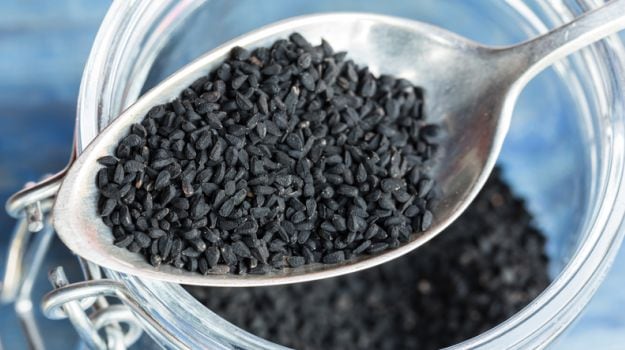
The kalonji, or Nigella seeds, is an interesting spice – when used for tempering, it adds a beautiful aroma to the dishes, and a hint of flavor that you can’t quite nail. In India, dry roasted kalonji is used for flavoring curries, dal, stir-fried vegetables, and even savories such as samosa, papdis and kachori among others.
Flavour and aroma aside, the tiny black seed comes with a whole lot of health benefits. It’s loaded with trace elements, vitamins, crystalline nigellone, amino acids, saponin, crude fiber, proteins and fatty acids like linolenic and oleic acids, volatile oils, alkaloids, iron, sodium, potassium and calcium. It keeps your heart healthy, addresses breathing problem, lubricates your joints, and is known to have anti-carcinogenic properties. That’s quite a lot for a seed that size, isn’t it? In fact, if you keep a bottle of kalonji oil at home, you can use them for plenty of things to boost your health and take care of niggling problems. Let’s take a look at some of them:
1. Fights Acne

2. Keeps a Check on Diabetes

3. Increases Memory and Alleviates Asthma
Ground kalonji seeds with a little bit of honey is known to boost memory. And if you mix this in warm water and drink, it also helps in alleviating breathing trouble (asthma included) in children and adults alike. But you need to do this is for at least 45 days, and avoid cold beverages and food during the period.

4. Gets Rid of Headaches

5. Aids Weight Loss

6. Eases Joint Pain

7. Controls Blood Pressure

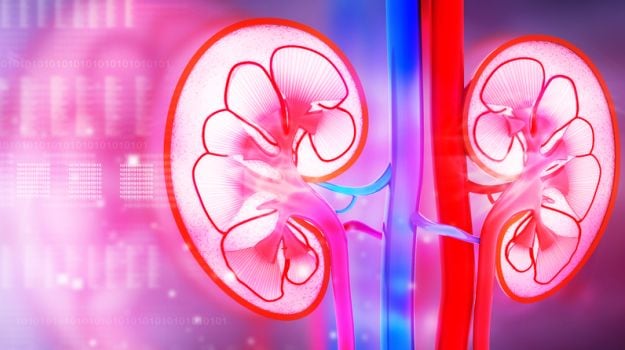
9. Makes Teeth Stronger


Quick Facts
Disclaimer:
The opinions expressed within this article are the personal opinions of the author. Cymantra is not responsible for the accuracy, completeness, suitability, or validity of any information on this article. All information is provided on an as-is basis. The information, facts or opinions appearing in the article do not reflect the views of Cymantra and Cymantra does not assume any responsibility or liability for the same.
This Author has found another health benefit of Kalonji Seeds. Suffering from intense heartburn for many years and trying all the standard remedies to no avail, I find that Kalonji seeds boiled and drank as a strong black tea almost alleviates my heartburn. Who’d have thought that this little black seed could provide so much pain relief from a otherwise daily occurrence.
Cymantra Admin
Original Article
Priya Chakraborty September 09, 2016
Acne Antioxidants Asthma Black Seeds and Oil Blood Pressure Brain Function Cancer Cancer Cures Cleansing Colon Diabetes Diet Disease & Prevention Eating Healthy Epilepsy Folklore General Health Heart Disease Heart Line Heartburn Immune System Information Kaloni Seeds Kidney Health Liver Disease Migrames Natural Cures Personal Health Skin Health Teeth Type 2 Diabetes Well Being Your Body Your Memory

An an ever increasing toxic environment, we are all striving to ensure our bodies are in the best health they can be. Maintaining a Healthy diet and exercise routine is hard when trying to fit it round a busy lifestyle.
Type 1 diabetes cannot be cured, but type 2 can, and with a few changes in your lifestyle you can quite easily reduce your risk of getting this illness.
Taking more exercise and cutting down on sugar and fatty foods is the best way to control your blood sugar, but there is another helpful thing you can do for your body. This simple step can be done every day to better regulate your blood sugar and to fight off type 2 diabetes.
Preparation
Take an egg and boil in the afternoon. Peel it, and using a fork, pierce it a couple of times. Then, place the egg in a big bowl, and then add vinegar, leaving it like this to stand overnight.
The following morning, consume the egg combining it with a glass of warm water.
Do this every day, and your blood sugar levels will be considerably reduced.
No need to hesitate, act now and start improving your health condition and reducing the high blood sugar levels.
Blood Sugar Cleansing Diabetes Disease & Prevention Eating Healthy Eggs Folklore Healthy Choices Myths Organic Foods Sugars Type 2 Diabetes Your Body

by PAUL FASSA
A little bit of knowledge is a dangerous thing when it overlooks all the details of the complete picture. There are claims that pop in on the internet that garlic is a poisonous plant food. The disinformation fear mongers or muddled misinformation mentors should all be ignored.
But, there is some truth about toxic garlic if you buy conventionally raised imported garlic. Over half of conventionally grown garlic comes from China. Almost all the rest comes from Mexico and some Central and South American nations.
Some of that garlic in China is grown in human feces, according to an Australian report. After having several large shipments detained in the USA due to mold and insect infestation, China and other nations have resorted to bleaching and fumigating their garlic with methyl bromide, a highly toxic pesticide that has been banned in some areas.
Institutional interventions that tend to ruin natural food benefits is what makes some garlic toxic. But there is an option. Pay slightly more to purchase locally or domestically grown organic garlic bulbs.
That’s what I do and I have been consuming at least two cloves of raw garlic daily for a couple of years. I don’t bother with chewing parsley to minimize garlic breath syndrome and I’ve been called on that. But you can if minimizing garlic breath is important to you.
An Obscure Garlic Brain Cancer Study
There’s more to garlic than simply “Russian penicillin”, the tag used for its microbe killing potential that leaves beneficial bacteria unharmed.
A small group of researchers at the Medical University of South Carolina discovered something else that’s useful for anyone willing to properly consume lots of garlic. They discovered that certain organic sulfur compounds in garlic actually kill brain cancer cells without disturbing healthy cells.
They did this in 2007. It didn’t get much mainstream press, if any. Maybe Big Pharma is trying to figure out how to create those compounds synthetically to get a patent and pay the FDA for approval after offering dubious papers from some sketchy trials and marketing it as the latest cancer cure sure to be a financial blockbuster.
Whether it’s useful for the cancer industry remains to be seen. But the results of this study were ignored by the mainstream press. It’s hard to tell if there was even a ripple within the medical establishment.
Interestingly, what’s implied from the background of the study abstract is that the protection against carcinogenesis provided by these garlic sulfur compounds was already known. The researchers, being curious fellows, were attempting to determine the mechanics of how theses compounds were so protective. That’s usually what in vitro (lab cultures in glass) studies are for.
Apparently they found out how and more. They isolated the exact mechanics, detailed in the full study text, and determined that these compounds are more than protective. They do what currently accepted toxic brain cancer treatments are supposed to do but don’t, while leaving other healthy cells alone which those “standard of care” treatments also don’t.
Three researchers teamed up in South Carolina for an in vitro analysis of what three natural garlic compounds can do to brain cancer cells, specifically glioblastoma, the fastest growing brain cancer tumor common to adults.
Two types of brain cancer cells were cultured, and three sulfur compounds from garlic were administered into the culture.
The compounds were diallyl sulfide (DAS), diallyl disulfide (DADS), and diallyl trisulfide (DATS). All three provided cytoxic (cancer killing) effects, especially DATS, which “induced cell death via reactive oxygen species (ROS) production and a mitochondria-mediated pathway”.
These compounds are able to get through the blood brain barrier to induce cancer cell apoptosis (natural cell death) and prevent future cell growth.
It’s recommended to peel open garlic cloves and expose them to air for 15 minutes or so to release those compounds. Some even say crush them for more exposure, then consume them raw to get the full benefits. This may not seem inviting to most.
But is sure beats the agonizing torture of oncology’s “standard of care” procedures that often cause death while attributing those very deaths to the disease and not the treatment.
Sprouted Garlic is Even Better
Sprouted garlic, older garlic bulbs with bright green shoots sprouting from their cloves, are commonly thought to be past their prime and routinely get tossed into the garbage bin without a second thought.
While some aging plant foods that begin to sprout, like potatoes, can actually be dangerous because they release toxic chemicals which can harm the body, that’s not the case with sprouted garlic.
In fact, a study funded by Korea’s Institute of Planning and Evaluation for Technology, which was published in the Journal of Agricultural and Food Chemistry circa 2014 found that sprouted garlic has even more antioxidant activity than its younger, fresher brethren.
Researcher Jong-Sang Kim explained, “Plants are very susceptible to attack from bacteria, viruses, and insects while sprouting. This causes them to produce a variety of chemicals called phytoalexins to defend themselves. Most of these are toxic to microorganisms and insects, but beneficial to human health.”
Kim’s group postulated that a similar process may be occurring when green shoots grow from older garlic cloves. Extracts from garlic sprouted for five days had the highest antioxidant activity, whereas extracts from fresh raw garlic had lower antioxidant activity. Furthermore, sprouting changed the metabolite profile of garlic.
Sprouted garlic enhances raw garlic’s proven anti-inflammatory, immune boosting, cardiovascular health protection, and its ability to kill 14 types of cancer cells.
So go ahead and grab a few domestic organic garlic bulbs from market shelves or farmers’ market locations and chew them raw in cooked foods and sandwiches, sliced and diced or crushed. Simply allow them to sprout to enhance their antioxidant properties.
https://www.youtube.com/watch?v=DRS6Un4jQYg
Paul Fassa is a contributing staff writer for REALfarmacy.com. His pet peeves are the Medical Mafia’s control over health and the food industry and government regulatory agencies’ corruption. Paul’s contributions to the health movement and global paradigm shift are well received by truth seekers.
Sources:
http://onlinelibrary.wiley.com/abstract…
http://onlinelibrary.wiley.com…
http://preventdisease.com…
http://www.whfoods.com…
http://www.naturalnews.com…
http://www.acs.org...
http://pubs.acs.org…
http://www.prevention.com…
Image: Flickr
Alzheimer's Brain Function Cardiovascular Disease Cleansing Disease & Prevention Essential oils Folklore Garlic Healthy Choices Immune System Inflammation Information Myths Organic Food Personal Health

You already know to eat your daily servings of vegetables, but when is the last time you gave any thought to your sea vegetables? Kelp, a type of seaweed, is chock full of good-for-you nutrients that can benefit your health and possibly even prevent disease.
Already a staple in many Asian cuisines, this type of sea algae is a natural source of essential vitamins, minerals, and antioxidants.
You may have seen this marine plant at the beach. Kelp is a type of large brown seaweed that grows in shallow, nutrient-rich saltwater, near coastal fronts around the world. It differs slightly in color, flavor, and nutrient profile from the type you may see in sushi rolls.

Kelp also produces a compound called sodium alginate. This is used as a thickener in many foods you may eat, including ice cream and salad dressing. But you can eat natural kelp in many different forms, including:
Because it absorbs the nutrients from its surrounding marine environment, kelp is rich in:
According to nutritionist Vanessa Stasio Costa, M.S., R.D.N., C.D.N., kelp “is often considered a ‘superfood’ due to its significant mineral content. It’s especially concentrated in iodine, which is important for optimal thyroid function and metabolism.”
The National Institutes of Health (NIH) say that seaweed such as kelp is one of the best natural food sources of iodine, an essential component in thyroid hormone production. A deficiency in iodine leads to metabolism disruption and can also lead to an enlargement of the thyroid gland known as goiter.
But beware of too much iodine. Overconsumption can create health issues, too. The key is to get a moderate amount to raise energy levels and brain functioning. It is difficult to get too much iodine in natural kelp but this could be an issue with supplements.
Stasio Costa also notes that kelp contains notable amounts of:
The benefits of these vitamins and nutrients are substantial. B vitamins in particular are essential for cellular metabolism and providing your body with energy. According to UCSF Medical Center, kelp has more calcium than many vegetables, including kale and collard greens. Calcium is important to maintain strong bones and optimal muscle function.
Since inflammation and stress are considered risk factors for many chronic diseases, Stasio Costa says including kelp in one’s diet could have numerous health benefits. Kelp is naturally high in antioxidants, including carotenoids, flavonoids, and alkaloids, which help to fight against disease-causing free radicals.
Antioxidant vitamins like vitamin C, and minerals like manganese and zinc, help to combat oxidative stress and may offer benefits to cardiovascular health. There have been many claims regarding kelp’s abilities to fight chronic disease, including cancer.
Recent studies have explored the role of sea vegetables in estrogen-related and colon cancers, osteoarthritis, and other conditions. Researchers found that kelp can slow the spread of colon and breast cancers. A compound found in kelp called fucoidan may also prevent the spread of lung cancer and prostate cancer. This doesn’t mean that kelp should be used to cure any diseases or be considered a guaranteed protection against disease.
In recent years, researchers have looked into kelp’s potential fat blocking properties. Because kelp contains a natural fiber called alginate, studies suggest that it may halt the absorption of fat in the gut. A study published in Food Chemistry found that alginate could help block fat absorption in the intestines by 75 percent. In order to reap the benefits of alginate, the research team plans to add the thickening compound to common foods such as yogurt and bread.
Kelp may have great potential for diabetes and obesity, although research is still preliminary. A study published in the journal Diabetes, Obesity and Metabolism found that a compound in the chloroplasts of brown seaweed called fucoxanthin may promote weight loss in obese patients when combined with pomegranate oil. Studies also suggest that brown seaweed may influence glycemic control and reduce blood glucose levels, benefitting people with type 2 diabetes.
In addition to its potential to slow down fat absorption in the gut, kelp is low in fat and calories.
Thankfully, you don’t need to go diving in the ocean to reap the benefits. Kelp is available in a variety of forms.
Nutritionist Lisa Moskovitz, R.D., C.D.N., C.P.T., recommends that you try to eat your nutrients, versus taking them in supplement form. She suggests including kelp in a balanced diet with plenty of vegetables, from both the land and sea. Kelp can be one small part of a broader healthy diet that includes a variety of unprocessed, nutrient-dense foods.
Moskovitz says that one of the easiest ways to incorporate kelp into your diet is to add an organic, dried variety into soups. You could also use raw kelp noodles in salads and main dishes or add some dried kelp flakes as seasoning. It is usually found in Japanese or Korean restaurants or grocery stores and can be enjoyed cold with oil and sesame seeds, hot in a soup or stew, or even blended into a vegetable juice.
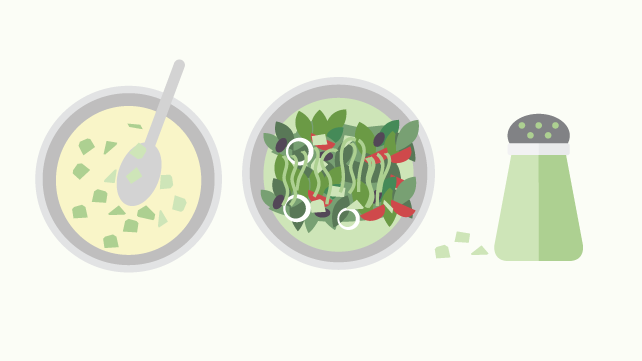
Health advisers warn that ingesting concentrated amounts of kelp can introduce excessive amounts of iodine to the body. This can overstimulate the thyroid and cause harm. There are significant health risks to consuming excessive iodine. It’s important to only eat kelp in moderation, and it should be avoided by those suffering from hyperthyroidism.
Nutritionist Stasio Costa notes that because kelp and other sea vegetables take up minerals from the waters they inhabit, they can also absorb dangerous heavy metals such as arsenic, cadmium, and lead. She recommends seeking out certified organic versions of sea vegetables and to look for packages that mention that the product has been tested for arsenic.
Always consult a health professional before beginning any supplementation regimen.
by Kristin Buettner
Antioxidants Calcium Diet Eating Healthy Food Healthy Choices Information Kelp Magnesium Natural Cures niacin Vitamins Well Being

Demagogues or rabble rousers have always had a leg up in the political arena. If you can whip up a frenzy of prejudice and ignorance and raise the specter of looming threats or conspiratorial “elites”, while not being particularly beholden to facts, you’ll get a big chunk of the population on your side. And in an age where our daily lives are overwhelmed by an incessant glut of information, demagogues have more power than ever. Amazing accessibility of most information has devalued facts, blurring lines between experts and demagogues. Getting away with untruths may be easier than ever.
Is there an actual information overload now? It’s not just the incessant texting, emailing, Facebook-checking and the hundreds of channels on TV with nothing on. As psychology professor Daniel Levitin points out:
“In 1976, there were 9,000 products in the average grocery store, and now it’s ballooned to 40,000 products. And yet most of us can get almost all our shopping done in just 150 items, so you’re having to ignore tens of thousands of times every time you go shopping.”
Even the store is overloading us. Levitin proposes that in the last 10 years we’ve created more information than in all the human history that preceded it.
“I’ve read estimates there were 30 Exabyte’s of information 10 years ago and today, there’s 300 Exabyte’s of information,” says Levitin.
On top of all this information and choices, Earl Miller, an MIT neuroscientist, notes that our brains were actually not even “wired” to multitask.
“When people think they’re multitasking, they’re actually just switching from one task to another very rapidly. And every time they do, there’s a cognitive cost in doing so,” explains Miller.
In fact, multitasking was found to increase the production of cortisol, a stress hormone, as well as adrenaline, which can overstimulate the brain and cause “mental fog”.
As we go around in our mental fog, why would we even listen to experts like Levitin and Miller? In the information overload age, a layman is empowered as much as a so-called “expert”. Let’s say you come across a Neil DeGrasse Tyson article. If you don’t like something about it, and especially if you don’t understand it, you are free to leave a comment under his Facebook article about just how wrong you think he is. You have the power to immediately set this “expert” straight. Doesn’t matter that you don’t have a degree in astrophysics. Your emotional reaction to his “facts” is all that matters here.
What may be happening is what social and political analyst (and another “expert”) Professor Tom Nichols termed “the death of expertise”.
“I fear we are witnessing the “death of expertise”: a Google-fueled, Wikipedia-based, blog-sodden collapse of any division between professionals and laymen, students and teachers, knowers and wonderers – in other words, between those of any achievement in an area and those with none at all. By this, I do not mean the death of actual expertise, the knowledge of specific things that sets some people apart from others in various areas. There will always be doctors, lawyers, engineers, and other specialists in various fields. Rather, what I fear has died is any acknowledgement of expertise as anything that should alter our thoughts or change the way we live,” writes Nichols.
Even doctors are no longer as much of an authority as people go online to diagnose themselves, resulting in the rise of cyberchondria. Just because you can find some symptoms in a search engine doesn’t mean you have that disease or that you know better how to treat it than a doctor. Still many of us do this every time we get a weird sensation.
Sticking to what we already think we know is also much easier. It doesn’t take a scientist to tell us we like to be right. Once we get an idea in our head, facts to the contrary aren’t necessarily going to make much difference.
Recent research, published in the Journal of Personality and Social Psychology, describes studies where when participants were confronted with facts that went against their views, they were likely to reframe their views as matter of opinion and personal morality (to which they had every right). On the other hand, once the presented facts were in line with their own thinking, they stated that their opinions were fact-based and didn’t invoke morality quite as much.
The researchers concluded that people’s belief systems include an aspect of “unfalsifiability” which they employ for defensive and offensive purposes. The defensive function serves to support their worldviews and a sense of identity, while anyone who ventured into the comments section of most Facebook posts could figure out what the offensive purpose is all about.
Further research by Dartmouth scientists revealed the implications of the “backfire effect”. The effect described a phenomenon whereby “corrections actually increase misperceptions.” Basically, when hearing two sides of an argument, people tend to side with the one they already agree with, corrective evidence notwithstanding. The researchers saw this related to the process by which people “bolster their preexisting views”. Especially if they have to argue their opinion vigorously (let’s say, in an internet flame war), their original opinion might become even more entrenched and extreme, facts be damned.
Of course, there’s also the Dunning-Kruger effect, whereby “low-ability” (aka not very smart people) don’t have the ability to know they are not smart and actually double down on their sense of superiority. On the flip side of that, smart people may actually underestimate their abilities. So the less intelligent get louder and the more intelligent keep to themselves.
Still, no matter how many psychology studies say this or that, none of it matters if you are disinclined to believe them. With too many facts and studies, it’s easier to stay in the mental fog. And that’s the space where demagogues operate. From the Ancient Greek warmongering leader Cleon to Hitler to Joseph McCarthy, a rabble rouser prays on the people who value beliefs more than facts. To produce desired actions from the crowd, they invoke the age-old tactic of invoking fear. Scare enough people that everything is wrong and you are the only one who can protect them, and you might find yourself in a leadership position.
“What is really fascinating when we look at the brain research around fear is that our brains proxy anything that feels unfamiliar, incoherent or inaccessible as being unsafe,” says Harvard psychologist Susan David.
Immigrants, foreign countries, people with different skin color or sexual orientation have certainly become the fearsome “unfamiliar” in the mouths of many a demagogue, some of them still in the running for the job of the leader of the free world.
Fear of the unfamiliar works especially well when confronted with an incessant barrage of information. The devil you know is your devil. You know how to live with him.
Fear is also more interesting to the news. How many of us would really tune in to watch how everything around the world is actually working out? But give us a story about a new threat and most of us would not change the channel.
Is there a solution to where we find ourselves? Can we get a grip on the information deluge? How do we make sure that someone will not come to lead us right into another world war or some totalitarian regime as demagogues often do? There may be little we can do. As history shows, the rise of demagogues is often predicated on a certain number of factors which are all in play in the modern world. This may be a something we’d just have to ride out. And vote out.
by September 11, 2016
Brain Function Brain Function Business Creativity Creativity Depression Healthy Techniques Information Insomnia Inspirational Life Lessons Positive Mental Attitude Positive Thoughts Psychology Science Self Improvement Self Limiting Practices Superior State of Mind Well Being

The hot fruit of the cayenne plant (“capsicum annuum”) has been used as a superb culinary spice for centuries and may be the most valuable medicinal herb in the entire plant kingdom for many of the reasons mentioned above!
Have you ever gone after the chips and salsa with gusto and then felt flushed while your nose started to run a little bit? Cayenne warms the body and stimulates the release of mucus from the respiratory passages. If you’ve ever eaten a fresh hot pepper, you know it clears the sinuses and causes sweating.
Cayenne peppers raise the body temperature as it stimulates circulation and blood flow to the skin. Herbs that promote fever and sweating are considered to have a diaphoretic (sweat-inducing) action which helps reduce fever and relieves the congestion of colds and sinusitis.
The active ingredient in cayenne is called capsaicin and in 2004, Dr. Sanjay K. Srivastava and colleagues (University of Pittsburgh School of Medicine) treated pancreatic cells with capsaicin. They found that it disrupted mitochondrial function and induced apoptosis (programmed cell death) in cancerous cells without affecting normal pancreatic cells!
The results of the study were published in the April 20, 2005, issue of Innovations Report, in which Dr. Srivastava stated: “Our results demonstrate that capsaicin is a potent anticancer agent, induces apoptosis in cancer cells and produces no significant damage to normal pancreatic cells, indicating its potential use as a novel chemotherapeutic agent for pancreatic cancer”
In an article published in Reuters on March 16, 2006, entitled, “Hot Pepper Kills Prostate Cancer Cells in Study,” Dr. Soren Lehmann of the Cedars-Sinai Medical Center and the UCLA School of Medicine asserted: “Capsaicin had a profound anti-proliferative effect on human prostate cancer cells in culture. It caused 80% of the prostate cancer cells growing in mice to commit suicide in a process known as apoptosis.” Researchers in Japan have also shown that cayenne pepper can dramatically slow the development of prostate tumors, and is an excellent addition to alternative cancer treatment for this type of cancer.
And if cayenne’s cancer-fighting capabilities weren’t enough, its effects upon the venous structure and heart are nothing short of miraculous. Cayenne is incredibly nourishing to the heart and has been known to stop heart attacks within 30 seconds. If you want something in your first aid kit for a heart attack, carry cayenne tincture.
According to Dr. John R. Christopher, “In 35 years of practice, and working with the people and teaching, I have never on house calls lost one heart attack patient and the reason is, whenever I go in (if they are still breathing) I pour down them a cup of cayenne tea (a teaspoon of cayenne in a cup of hot water) and within minutes they are up and around.”
In addition to being a welcome addition, there’s also evidence to suggest that cayenne may be useful in the treatment of obesity. Results of one trial showed that consumption of 10 grams of cayenne pepper with meals helped to reduce appetite, while results of another revealed that cayenne increases the metabolism of dietary fats.
Lastly, herbalists from centuries past would pour cayenne pepper directly on fresh wounds in order to sterilize and stop bleeding.
Many of us (over 90%) have worms or different parasites in our systems. One simple way to get rid of them is to have a “cayenne drink” daily. Fill up a glass with water or juice and then add 1/4 tsp of cayenne pepper. Stir it up and then “down the hatch.” Yes, it’s a bit spicy, but you’ll get used to it.
As you can see, the amazing curative powers of cayenne are almost mind-boggling. Clearly, it is a “wonder herb” that has scientifically proven its worth! According to Dr. Richard Schulze, “If you master only one herb in your life, master cayenne pepper. It is more powerful than any other.”
On a personal note, I take cayenne pepper every day as part of my nutritional regimen and a “preventative” cancer treatment. I also keep a cayenne tincture in the house and in both cars … just in case!
This article was republished with permission from the truth about cancer
Admin – Cymantra Oct. 2016
Cancer Cancer Cures Capsaicin Cayenne Cleansing Cleansing Digestion Disease & Prevention Folklore Food Healthy Choices Heart Disease Herbs Information Natural Cures Peppers Personal Health Reversing Diseases Well Being
 Cancer Cells Die In 42 Days: This Famous Austrian’s Juice Cured Over 45k People From Cancer & Other Incurable Diseases! (Recipe included)
The claims of efficacy are not supported by acceptable evidence and there are no reliable scientific data to support the claimed mode of action.
It is likely that the recommended fast could be dangerous for cancer patients because there is a potential risk of general malnutrition. As Breuss bans conventional cancer treatment while patients undergo his treatment, there is a risk that patients will discontinue conventional treatment.
Scientific examinations of the benefits and dangers of Breuss Cancer Cure are lacking.
Rudolph Breuss was born in Austria in 1899. He first worked as an electrician, and later as a naturopath. He developed the Breuss Cancer Cure or Breuss Total Cancer Treatment. Breuss died in 1990.
Ingredients, application and dosage
He made this unique juice that provides exceptional outcomes for dealing with cancer. He has treated more than 45, 000 people who struggled with cancer and other incurable illness with this method. Breuss stated that cancer can endure only with the help of proteins.
He designed an unique eating regimen which lasts for 42 days, and he suggests drinking simply tea and his special vegetable juice, with beetroot as its main ingredient. During these 42 days, the cancer cells starve and die, while your total health is enhanced.
Simply keep in mind not to exaggerate it with the consumption of the juice, beverage as much as your body needs.
Beetroot is plentiful in anti-oxidants, C, B1, B2, B6 vitamins, folic and pantothenic acid, and the minerals– potassium, phosphorus, magnesium, calcium, sodium, iron, zinc, beetroot is thought about to be one of the most health useful veggies. The red color in beets comes from magenta pigments referred to as betacyanins.
A variety of research studies have actually confirmed beetroot is incredibly beneficial in treatment against leukemia and cancer.
First of all, beets are abundant in betaine, which is an amino acid with effective anticancer properties. Plus, it’s a strong anti-inflammatory, antioxidant and detoxing representative. Research studies verify that betaine damages cells in the growth tissue.
Beetroot can be used for the treatment of lots of kinds of cancer and the findings of one study exposed that 100% of topics dealing with cancer favorably responded to beet treatment.
It’s beneficial for pregnant women due to the fact that it contains high levels of folic acid. It enhance the function of the liver and gall bladder, avoiding constipation. It assists with headaches, toothaches, dysentery, bone issues, skin problems and menstrual discomforts. It’s a real all-purpose medical plant which need to be an essential part of every diet.
The treatment is described in three books written by Breuss, but it is not clear whether the publishers have changed, added or left out original statements. For example, the English translation of Breuss’ book does not mention that he did not allow radiation treatment and injections concurrently with his treatment. Further amendments were written by Thomar.
Breuss rigidly stipulated that cancer patients are not allowed to drink or eat anything other than the juices and teas he recommended for a period for 42 days. He gave strict instructions about the preparation and ingestion of specific juices and teas. Juices include beetroot, carrots, celeriac, black radish and potatoes in cases where the patient has been diagnosed with cancer of the liver. All vegetables had to be organically grown and vegetable sediments were to be removed. The maximum ingested amount of juice was 500 ml per day.
Breuss allotted three teas for all types of cancers: “sage tea”, “kidney tea” and “cranesbill tea”. “Sage tea” includes Salvia officinalis (sage), Hypericum perforatum (St. John’s wort), Mentha piperita (peppermint) and Melissa officinalis (balm) in a specific ratio.
In cases of leukemia, patients would have to drink the recommended teas and juices, but could eat anything else with the exception of meat soup, beef, pork and reheated food (the English translation mentions beef soup, pork, chemical food additives, burnt food and fats).
Breuss further stipulated that patients should not start the Breuss Cancer Cure immediately after surgery, but should wait for at least two to five months. No concurrent treatments were permitted during the treatment. He recommended fresh air and exercise, and smoking should be stopped.
Additional instructions were added in 1987: patients should have one or two bowls of onion broth a day (only the liquid). To support the heart, patients should take 20 to 40 drops of Crataegus oxyacantha (hawthorn) tincture. People with diabetes should continue insulin treatment.
Instructions published in 1990: for substitution of calcium and potassium, patients should drink a tea made from Plantago lanceolata (plantain lance), Plantago major (broad-leaved plantain), Cetraria islandica (Iceland moss), Pulmonaria officinalis (lungwort), Glechoma hederacea (ground ivy), Verbascum thapsus (mullein) and Ligusticum mutellina (Meum mutellina herb). Patients with liver or gall bladder problems should drink a broth of bean pods instead of onion broth.
Beetroot Blood Sugar Bone Health Brain Function Cancer Cancer Cells Cancer Cures Cleansing Cleansing Disease & Prevention Energy Folklore Information Juices Natural Cures Organic Food Personal Health Reversing Diseases Vegetables Vitamins Well Being Your Body

Diabetes is an extremely prevalent health condition in the modern world and many people, old and young, suffer from a form of it. It is caused by either lack of insulin produced by the pancreas or inability of the body to use it properly.
Asthma Bronchitis Cleansing Cleansing Diabetes Disease & Prevention Energy Folklore Food Healthy Techniques Life Hacks Low Energy Mango Myths Personal Health

About two weeks ago, I wrote an article about coconut oil an awesome tropical oil with many health benefits.
A few people commented that they use coconut oil for something called ‘Oil Pulling’ which is kind of like using an oil as mouthwash.
Apparently, there are quite a few studies that support this process and a lot of people on blogs and discussion boards swear by it.
I have now been doing this every morning for about 10 days and I am impressed.
Oil pulling has been used for thousands of years as an Indian folk remedy.
It involves putting about a tablespoon of oil in your mouth, then swishing it around your teeth for 10-20 minutes.
There are thousands of different types of bacteria in the mouth. Some of them are friendly, others are not.
Certain bacteria can cause harm, such as Streptococcus Mutans, which is the main culprit behind plaque buildup, gingivitis and cavities.
The bacteria in the mouth create a “biofilm” on the teeth a thin layer that they use to adhere to the surface. This is what we know as “plaque.”
Having some plaque on your teeth is normal, but if it gets out of hand it can cause all sorts of problems.
The way oil pulling works is simple. When you swish the oil around your mouth, the bacteria “get stuck” in it and dissolve in the liquid oil.
Basically, you remove a large amount of the bacteria and plaque in your mouth each time you do this.
Traditionally, the Indians used other oils such as sesame oil or sunflower oil.
Oil pulling should work with pretty much any oil you choose.
I prefer coconut oil because Lauric Acid (about half of the fats in coconut oil) is proven to be antimicrobial it can kill bacteria, viruses and fungi (1, 2).
The taste of coconut oil is also fairly pleasant compared to other oils. I found it rather disgusting at first having my mouth full of oil, but I got used to it after a few days.
Now let’s look at a few studies on oil pulling
Streptococcus Mutans is one of the main bacteria in the mouth and a key player in plaque buildup and tooth decay.
In a study published in 2008 with 20 adolescent boys, oil pulling (using sesame oil) caused a reduction in the number of Streptococcus Mutans in the plaque in as little as 2 weeks.
It was not as effective as a Chlorhexidine mouthwash, but much cheaper and MUCH less nasty.
Gingivitis is caused by inflammation of the gums and happens when the immune system starts attacking the bacteria in the plaque.
Another study compared oil pulling and chlorhexidine in adolescents with plaque-induced gingivitis. Both oil pulling and chlorhexidine mouthwash were effective against gingivitis.
Bad breath, otherwise known as halitosis, is in many cases (not all) caused by the smell of chemicals and gases produced by bacteria in the mouth.
It makes sense that if you get rid of some of these bacteria, you reduce bad breath.
In a third study of 20 adolescents, oil pulling therapy significantly reduced all markers for bad breath and was just as effective as chlorhexidine mouthwash (5).
Oil pulling is incredibly simple and effective.
Here’s how to do it:
If you use coconut oil like me, then you may have to chew on the oil for a few seconds for it to melt, because it is solid at room temperature.
It is best to do this on an empty stomach, before you brush your teeth.
I prefer to do it while I take a shower in the morning.
I put the oil in my mouth, swish it around while in the shower and try to “push” and “pull” the oil between my teeth.
When I get out of the shower I spit out the oil, rinse my mouth with water and brush my teeth.
There is no need to use a lot of force here, if doing this causes pain in your facial muscles then just relax a bit. Try using less oil next time and don’t swish it around too forcefully.
It’s important to spit out the oil. You don’t want to swallow it because it is full of bacteria and nasty things.
I’ve been doing this for about 10 days now.
I’ve definitely noticed that my breath is fresher and my teeth look a lot cleaner both whiter and more shiny.
I’ve never had any dental problems, but I can see how this could have benefits for people that have them.
There are a lot of wild claims out there about oil pulling and how it “pulls” toxins out of your bloodstream. I really don’t think that makes a lot of sense.
However, oil pulling IS effective at reducing the harmful bacteria in your mouth and improving oral and dental health.
I have to say that I am really surprised at how effective this is. I plan to continue doing this for a long time.
Original Source: Anya V Authority Nutrition
Candida Cleansing Cleansing Coconut Oil Eating Healthy Folklore Gingivitas Healthy Techniques Myths Natural Cures Organic Food Personal Health Plaque Reversing Damage