
Related: What Fasting Does for the Brain
Related: What Fasting Does for the Brain
Alzheimer's Blood Sugar Brain Function Brain Function Cancer Cures Candida Cleansing Creativity Depression Diabetes Disease & Prevention Eating Healthy Energy Fasting Genius Healthy Techniques Immune System Information Insomnia Insomnia Life Hacks Mysteries Myths Personal Health Reversing Damage Self Esteem Spiritual Energy Sugars Well Being Your Memory
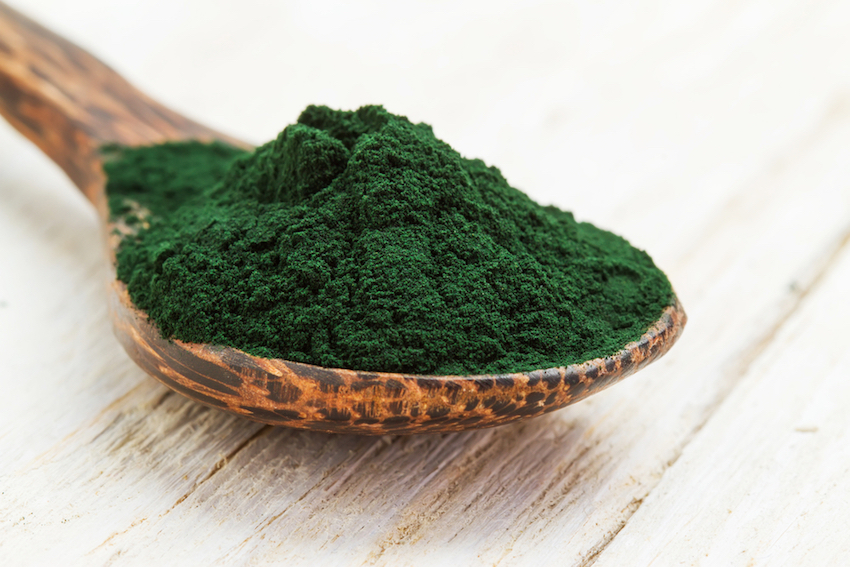
The health benefits of spirulina are undeniable. Spirulina is hailed as a superfood that promotes body and brain health. This blue-green “miracle” algae grows naturally in oceans and salty lakes in subtropical climates.
Spirulina is rich in nutrients, some of which aren’t found in the average daily vitamin. According to the FDA, the health benefits of Spirulina include significant amounts of calcium, niacin, potassium, magnesium, B vitamins and iron. Spirulina is a great source of B-complex vitamins, beta-carotene, vitamin E, manganese, zinc, copper, iron, selenium, and antioxidants. It also has essential amino acids (compounds that are the building blocks of proteins). In fact, protein makes up about 60 to 70 percent of Spirulina’s dry weight.
One of the health benefits of Spirulina comes from its antioxidant properties. Spirulina protects our cells by warding off inflammation and other diseases in the body. Spirulina has been shown to positively reduce the risk of heart disease by lowering “the bad” LDL cholesterol and triglycerides in the body while promoting HDL “the good” cholesterol. In higher doses, spirulina could reduce blood pressure.
Anemia is a fairly common ailment which can lead to fatigue due to a reduction in hemoglobin or red blood cells in the blood. When one’s diet is supplemented with spirulina, it has been documented that hemoglobin content of red blood cells increases.
Spirulina has 4 grams of protein in a single tablespoon making it a more concentrated source of protein than red meat and only 20 calories. With a high concentration of bio-available iron, it is excellent during pregnancy and for those with anemia as it will not cause constipation. The health benefits of Spirulina are compounding in the body as the proteins and nutrients are bioavailable and easily absorbed.
The health benefits of Spirulina include its ability to detoxify the body. It is great for cleansing the body of heavy metals by binding to them and removing them from the body. Evidence suggests that it can bind to radioactive isotopes and may be useful for radioactivity exposure or radiation therapy. A combination of zinc and Spirulina may help the body clear arsenic of people whose drinking water has unusually high levels, according to the National Institute of Health (NIH).
Many people promote Spirulina as a treatment for a range of metabolism and heart health issues, including weight loss, diabetes, and high cholesterol, according to the NIH. The health benefits of Spirulina help a range of eclectic health problems, including premenstrual symptoms and amyotrophic lateral sclerosis (Lou Gehrig’s disease), according to the NIH. People also recommend Spirulina as an aid for various mental and emotional disorders, including anxiety, stress, depression and attention deficit-hyperactivity disorder (ADHD).
Toxicological studies of the effects of spirulina consumption on humans and animals, including feeding as much as 800 mg/kg, and replacing up to 60% of protein intake with spirulina, have shown no toxic effects. Fertility, teratogenicity, peri- and postnatal, and multigenerational studies on animals also have found no adverse effects from spirulina consumption.
Doctors consider Spirulina to be safe in general, especially in light of its long history as a food. Spirulina may become contaminated with toxic metals, harmful bacteria, and microcystins — toxins produced from some algae —if it is grown in unsafe conditions. Be sure to buy Spirulina from a trusted source and always buy organic when possible.
Spirulina is available in tablet, flake and powder form. Adding a tablespoon a day to your fresh green juice or to 8 ounces of water will kill the sugar/carb cravings you have and keep you full for hours. For those that want to reap the benefits of this powerhouse but can’t hack the flavor, capsules are a great way to go as spirulina has a very strong taste. A little experimentation will help you find the way you will most enjoy adding Spirulina to your diet. Here is a recipe to try:
INGREDIENTS
METHOD
By Stephanie Weeks June 2016
Anitoxidants Brain Function Depression Depression Disease & Prevention Folklore Healthy Choices Healthy Techniques Herbs Information Insomnia Magnesium Spirulina Well Being

We all enjoy consuming watermelon. But, we throw out the tiny seeds without to realize their health advantages.
These seeds consist of nutrients like fatty acids, essential proteins, minerals like magnesium, potassium, manganese, iron, zinc, phosphorus and are full of vitamin B like thiamine, niacin, folate. Also, they offer 600grams of calories.
Watermelon seeds have citrulline substance which acts an antioxidant, which has a positive effect in the case of arteriosclerosis, hypertension, angina and erectile dysfunction, thus promoting the expansion of blood vessels.
Cook, grind or bake them in order to take the maximum advantage of its medicinal properties.
HERE’S THE MAGIC RECIPE:
You need 20-30 watermelon seeds. Grind and boil them for 15minutes in 2l water. Consume this for 2 days and make a pause the third day.
The procedure needs to be repeated for several weeks but is very important to pause every third day.
HEALTH BENEFITS OF WATERMELON SEEDS
The seeds which are full of magnesium save the heart so it could work normally. Also, they maintain the blood pressure level and enhance the metabolism process. They are amazing to avoid heart diseases and hypertension.
The seeds have antioxidant content which helps you to avoid aging, strengthen your skin, and keep it healthier and young.
Clean your acne, dirt, and dead skin cells by taking a cotton bud and dipping it in watermelon seed oil. This oil is suitable for every kind of skin and will help you to deal with the aliment of skin.
These seeds have high protein and amino acid content which will easily strengthen your hair. Also, roasted watermelon seeds will make your hair shiny because of the copper they contain which produce melanin – a pigment that gives color to your hair.
Watermelon seed oil has a mild texture which can be absorbed easily. You can use the oil as a moisturizer for dried, itchy scalp.
The seed has essential fatty acids which will help to avoid hair damage.
Arginine will help you to deal with coronary heart disease and will balance the blood pressure. Arginine also helps in preventing narrowing of blood vessels. Tryptophan and lysine are other amino acids which are present in these types of seeds.
The advantages of consuming watermelon seeds make a lot of supply of magnesium which is present in food like wheat, rice, oat and cocoa powder. Pantothenic acid is known as vitamin B5 which is essential for breaking down carbohydrates into energy.
The deficiency of vitamin B6 can cause a condition referred to as Beriberi. B6 is a complex vitamin B which helps to convert carbohydrate into energy.
The body needs amino acids as argnine and lysine to perform in the perfect way. The latter is effective for the assimilation of calcium for strengthening the bones and the tissues.
80% of the watermelon seeds fats are unsaturated and healthy fats with an addition of omega 3 acids. These seeds are a great source of energy to the body with no additional calories and they will fulfill half of the needed health fats per day.
The seeds include a good amount of protein which keeps our hair healthy and glossy, and our fingernails long and robust.
The seeds have a great amount of magnesium which is well for maintaining the functions of the body in a perfect manner. It strikes a balance between the blood pressure levels and helps in the perfect functioning of the heart.
Toss a teaspoon of dry and ground watermelon seeds in a teaspoon of honey, and then put it in a ¾ cup of warm water. Mix it well and consume it immediately – 2 times daily. It will help you to control edema problem
Watermelon seeds have lycopene antioxidant which is an excellent and efficient remedial method to boost the male potency levels in men.
If you want to properly recover from an illness, utilize watermelon seeds in the diet. Within a couple of days, you will see the effects. Also, for those who have memory issues, the seeds will help to recover and sharp the memory once again.
To control diabetes, put a handful of watermelon seeds in 1l water for 45minutes. This is a worthy benefit due to the prevalence of diabetes within the population.
The watermelon seeds have fatty acids which are a perfect use for soft, supple and moisturized skin. Also, it helps to prevent skin conditions and acne issues.
The seeds have minerals like copper which helps in promoting the creation of melanin in the body liable for providing color to the hair. Also, it offers the color to the skin.
The watermelon seeds have essential fatty acids which deeply nourish the hair strands. This gives strength to the hair and causes it to be a point that hair breakage is kept at bay. Combine the oil with a carrier oil and massage the scalp once in a week.
Source: Family Health Freedom Network
Blood Pressure Blood Sugar Cardiovascular Disease Cleansing Cleansing Diabetes Eating Healthy Edema Fingernails Healthy Techniques Magnesium Magnesium Deficiency Managing Diabetes Skin Health Watermelon Your Body
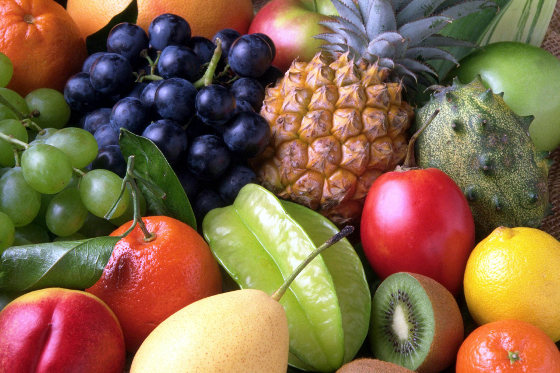
 most of the fruits can serve up a big portion of your daily requirement of Vitamins, minerals and essential fiber. All fruits are different from each other yet all of them pack a punch when it comes to nutrition and their health benefits(1); the most common of them are:
 st of the fruits have a significant amount of healthy fats. Acai berries are made up of 23% Carbohydrates, 71% of fats and 6% proteins.
| Fats | 71% |
| Carbohydrates | 23% |
| Protein | 6% |
| Glycemic load | 1/100 |
| fiber | 2 gms |
| Vitamin A | 15% |
| Saturated Fat | 1.5 gms |
 s from the family of rose. A 100 grams of Apple contains 13.81 grams of carbohydrate with 10.39 grams of Sugar, 3.3 mcg of Fluoride and 85% water.
| Fats | 3% |
| Carbohydrates | 95% |
| Protein | 2% |
| Glycemic load | 3/100 |
| fiber | 2.4 gms |
| Vitamin C | 8% |
| Phytosterols | 12 mg |
| Water | 85.6 g |
 Vitamin A (96 mcg), Beta Carotene (1094 mcg) and Vitamin C (10 mg).
| Fats | 7% |
| Carbohydrates | 83% |
| Protein | 10% |
| Glycemic load | 4/100 |
| fiber | 2 gms |
| Vitamin A | 39% |
| Vitamin C | 17% |
| Potassium | 7% |
| Water | 86.4 g |

| Fats | 77% |
| Carbohydrates | 19% |
| Protein | 4% |
| Glycemic load | 2/100 |
| fiber | 6.7 gms |
| Vitamin C | 17% |
| Vitamin E | 10% |
| Vitamin K | 26% |
| Vitamin B2 | 8% |
| Vitamin B3 | 9% |
| Vitamin B6 | 13% |
| Folate | 20% |
| Potassium | 14% |
| Magnesium | 7% |
| Copper | 9% |
| Water | 73.2 g |
 B6, b5 and Vitamin C. They have a healthy composition of Manganese, Magnesium and Potassium.
| Fats | 3% |
| Carbohydrates | 93% |
| Protein | 4% |
| Glycemic load | 8/100 |
| fiber | 2.6 gms |
| Vitamin C | 15% |
| Vitamin B6 | 18% |
| Potassium | 10% |
| Magnesium | 7% |
| Manganese | 13% |
| Water | 74.9 g |
 Copper. Apart from these, it also contains Choline in considerable proportions.
| Fats | 10% |
| Carbohydrates | 79% |
| Protein | 11% |
| Glycemic load | 3/100 |
| fiber | 5.3 gms |
| Vitamin C | 35% |
| Vitamin K | 25% |
| Copper | 8% |
| Manganese | 32% |
| Water | 88.1 g |
 It is particularly high in trace metal, Manganese.
| Fats | 5% |
| Carbohydrates | 91% |
| Protein | 4% |
| Glycemic load | 4/100 |
| fiber | 2.4 gms |
| Vitamin C | 16% |
| Vitamin K | 24% |
| Manganese | 17% |
| Water | 84.2 g |
 sweet fruit which originated in Ancient Armenia. Cantaloupe has rich composition of Vitamins like Vitamin A, Beta Carotene and Vitamin C. It contains minerals in moderation but has high concentrate of Manganese.
| Fats | 5% |
| Carbohydrates | 87% |
| Protein | 8% |
| Glycemic load | 3/100 |
| fiber | 0.9 gms |
| Vitamin A | 68% |
| Vitamin C | 61% |
| Potassium | 8% |
| Water | 90.2 g |
 It is a high fiber fruit which is rich source of Vitamin B2, B6 and Vitamin C. It contains trace metals and minerals in moderation which makes it a very safe fruit.
| Fats | 7% |
| Carbohydrates | 86% |
| Protein | 7% |
| Glycemic load | 6/100 |
| fiber | 2.3 gms |
| Vitamin C | 19% |
| Vitamin B6 | 11% |
| Potassium | 8% |
| Water | 79.4 g |
 Sweet cherries are high energy and high fiber fruits with a very moderate composition of Vitamins and minerals. It mainly consists of Carbohydrates with hardly any fats.
| Fats | 3% |
| Carbohydrates | 91% |
| Protein | 6% |
| Glycemic load | 5/100 |
| fiber | 2.1 gms |
| Vitamin C | 12% |
| Potassium | 6% |
| Water | 82.2 g |
 They come on three colors- Black, Red and sometimes in purple. It is low in calories and high in dietary fiber. Chokeberries have a well balanced composition of Vitamin A, C, E, K and folate. The mineral density of chokeberries mostly include Iron, Calcium, Potassium, Manganese and Zinc.
| Fats | 6% |
| Carbohydrates | 87% |
| Protein | 7% |
| Glycemic load | 9/100 |
| fiber | 17 gms |
| Vitamin K | 37% |
| Vitamin B6 | 10% |
| Potassium | 9% |
| Manganese | 10% |
| Water | 61.5 g |
 cranberries have deep red color and they are high on carbohydrates with very significant amount of dietary fiber but very low in fat composition. It is particularly rich in Vitamin C and Vitamin E. In trace metals, it has high quantity of Manganese.
| Fats | 2% |
| Carbohydrates | 95% |
| Protein | 3% |
| Glycemic load | 2/100 |
| fiber | 4.6 gms |
| Vitamin C | 22% |
| Vitamin E | 6% |
| Vitamin K | 6% |
| Manganese | 18% |
| Water | 87.1 g |
 originated somewhere around Iraq. Dates are high energy, dietary fiber and high sugar fruit. But its use as a substitute to sugar is considered far healthier than the artificial Sugar itself. It is a rich source of Vitamin B5 and B6. It is particularly known for its trace metal composition which has Manganese, Magnesium, Potassium and Phosphorus.
| Fats | 0% |
| Carbohydrates | 98% |
| Protein | 2% |
| Glycemic load | 39/100 |
| fiber | 6.7 gms |
| Vitamin B3 | 8% |
| Vitamin B6 | 12% |
| Potassium | 20% |
| Magnesium | 14% |
| Manganese | 15% |
| Copper | 18% |
| Water | 21.3 g |
 . The fruit itself is soft, creamy, juicy and emits strong odor. This fruit is a high energy and high carbohydrate fruit. It contains significant amount of Vitamin B1, B2, B6, Folate and Vitamin C. It also has a rich composition of trace metals like Manganese, Magnesium and Potassium.
| Fats | 30% |
| Carbohydrates | 67% |
| Protein | 3% |
| Glycemic load | 10/100 |
| fiber | 3.8 gms |
| Vitamin C | 33% |
| Vitamin B1 | 25% |
| Vitamin B2 | 12% |
| Vitamin B6 | 16% |
| Potassium | 12% |
| Folate | 9% |
| Copper | 10% |
| Magnesium | 8% |
| Manganese | 16% |
| Water | 65 g |
 Middle East and Western Asia. Fig is powerhouse of energy and has a high sugar and fiber content. It has a complete composition of Vitamins in form of Vitamin A, B2, B5, B6 and Vitamin K. It also contains a rich combination of trace metals- Calcium, Iron, Magnesium, Manganese, Phosphorus and Zinc.
| Fats | 3% |
| Carbohydrates | 94% |
| Protein | 3% |
| Glycemic load | 6/100 |
| fiber | 2.9 gms |
| Vitamin K | 6% |
| Vitamin B6 | 6% |
| Potassium | 7% |
| Water | 79.1 g |
 o Europe and has bitter sour taste. Goose berries are made up majorly of carbohydrates with high amount of Dietary fiber. It is a very rich source of Vitamin C and Manganese. Other nutrients are in moderate quantities in these berries.
| Fats | 11% |
| Carbohydrates | 82% |
| Protein | 7% |
| Glycemic load | 2/100 |
| fiber | 4.3 gms |
| Vitamin C | 46% |
| Manganese | 7% |
| Water | 87.9 g |
 and healthy water content. They are a rich source of Vitamin B1, B2, B6 and Vitamin K. It is a safe fruit to consume because the composition of trace metals in this fruit is moderate.
| Fats | 2% |
| Carbohydrates | 94% |
| Protein | 4% |
| Glycemic load | 6/100 |
| fiber | 0.9 gms |
| Vitamin C | 18% |
| Copper | 6% |
| Water | 80.5 g |
 anyway and look more like oranges. Grapefruits have a rich water content and contain carbohydrates with a high sugar proportions. It has a very high Vitamin C content and rest of Vitamins and minerals are found in smaller quantities.
| Fats | 3% |
| Carbohydrates | 91% |
| Protein | 6% |
| Glycemic load | 3/100 |
| fiber | 1.6 gms |
| Vitamin A | 23% |
| Vitamin C | 52% |
| Potassium | 4% |
| Water | 88.1 g |
 Guava is high energy and high sugar fruit with an impressive proportion of dietary fiber. It has the highest amount of Vitamin C, more than oranges! It also contains Vitamin B3, B5, B6 and Folate. It also has a healthy combination of Magnesium, Manganese and Potassium.
| Fats | 12% |
| Carbohydrates | 75% |
| Protein | 13% |
| Glycemic load | 8/100 |
| fiber | 5.4 gms |
| Vitamin A | 12% |
| Vitamin C | 381% |
| Folate | 12% |
| Potassium | 12% |
| Copper | 11% |
| Water | 80.8 g |
 East Asia particularly India. It contains high proportion of Sugar and dietary fiber. It is a rich source of Vitamin B1, B6 and Vitamin C. Amongst the trace metals, it contains high quantities of Magnesium and Potassium.
| Fats | 3% |
| Carbohydrates | 92% |
| Protein | 5% |
| Glycemic load | 10/100 |
| fiber | 1.6 gms |
| Vitamin C | 11% |
| Vitamin B2 | 6% |
| Potassium | 9% |
| Copper | 9% |
| Manganese | 10% |
| Water | 73.2 g |
 from India and Siberia as well. Kiwi has a good amount of dietary fiber and is a rich source of Vitamin C, Vitamin B5, Folate and Vitamin E. They contain significant amount of Potassium with other metals in moderate quantities.
| Fats | 7% |
| Carbohydrates | 87% |
| Protein | 6% |
| Glycemic load | 4/100 |
| fiber | 3 gms |
| Vitamin C | 155% |
| Vitamin K | 50% |
| Potassium | 9% |
| Water | 83.1 g |

 terms of appearance and taste. Kumquat has a very high fiber content in raw form and is a rich source of Vitamin C, Vitamin B2, Iron, Magnesium, Manganese and Calcium.
| Fats | 10% |
| Carbohydrates | 81% |
| Protein | 9% |
| Glycemic load | 4/100 |
| fiber | 6.5 gms |
| Vitamin C | 73% |
| Manganese | 7% |
| Water | 80.8 g |
 amount of Dietary fiber and almost equal amount of Sugar content. It is a rich source of Vitamin C, Vitamin B6 and has rest of the Vitamins and minerals in moderate quantities.
| Fats | 13% |
| Carbohydrates | 63% |
| Protein | 14% |
| Glycemic load | 3/100 |
| fiber | 4.7 gms |
| Vitamin C | 128% |
| Copper | 13% |
| Water | 87.4 g |
 Loquat is a very safe fruit as the nutritional composition of this fruit is very moderate. It is high in dietary fiber and is rich source of Vitamin A, Vitamin B6 and Manganese.
| Fats | 4% |
| Carbohydrates | 93% |
| Protein | 3% |
| Glycemic load | 3/100 |
| fiber | 1.7 gms |
| Vitamin A | 31% |
| Potassium | 8% |
| Water | 86.7 g |
 and very sweet fruit is healthy source of Sugar, dietary fiber and is rich in water content. It has high amount of Vitamin C and has other vitamins and minerals in low but complete composition.
| Fats | 6% |
| Carbohydrates | 90% |
| Protein | 4% |
| Glycemic load | 5/100 |
| fiber | 1.3 gms |
| Vitamin C | 119% |
| Copper | 7% |
| Water | 81.8 g |
 native of South and South East Asia. It is high on sugar and dietary fiber. Mango is a rich source of Vitamin A, Vitamin B6, folate and Vitamin C. The nutrients in form of mineral and trace metals are present in strictly moderate quantities.
| Fats | 3% |
| Carbohydrates | 94% |
| Protein | 3% |
| Glycemic load | 5/100 |
| fiber | 1.8 gms |
| Vitamin A | 15% |
| Vitamin C | 46% |
| Vitamin B6 | 7% |
| Copper | 6% |
| Water | 81.7 g |
 It has significant amount of fiber and is a rich source of Vitamin B9 and has considerable amount of Vitamin B1, B2 and Manganese. Rest of the other nutrients are found in smaller quantities in Mangosteen.
| Fats | 7% |
| Carbohydrates | 91% |
| Protein | 2% |
| Glycemic load | 5/100 |
| fiber | 1.8 gms |
| Vitamin C | 5% |
| Folate | 8% |
| Manganese | 5% |
| Water | 80.9 g |
 It is a rich source of Carbohydrates and contains high quantities of Vitamin B2, Vitamin C, Copper and Iron. It also has phytonutrients like beta Carotene and Lutein-zeaxanthin.
| Fats | 8% |
| Carbohydrates | 81% |
| Protein | 11% |
| Glycemic load | 4/100 |
| fiber | 1.7 gms |
| Vitamin C | 61% |
| Vitamin K | 10% |
| Iron | 10% |
| Water | 87.7 g |
 well as their oil. Olives are high energy and are majorly made up of mono-unsaturated fats which makes them super healthy. They are a powerhouse of Vitamin E and sodium.
| Fats | 88% |
| Carbohydrates | 10% |
| Protein | 2% |
| Glycemic load | 1/100 |
| fiber | 3.3 gms |
| Vitamin E | 19% |
| Sodium | 65% |
| Copper | 6% |
| Manganese | 13% |
| Water | 75.3 g |
 of the fruits of this species. Oranges have a high content of water and an impressive composition of Dietary fiber and Sugar. Oranges are particularly rich in Vitamin C, Vitamin B1, B5 and Folate.
| Fats | 3% |
| Carbohydrates | 93% |
| Protein | 4% |
| Glycemic load | 8/100 |
| fiber | 2.6 gms |
| Vitamin C | 15% |
| Vitamin B6 | 18% |
| Potassium | 10% |
| Magnesium | 7% |
| Manganese | 13% |
| Water | 74.9 g |
 America. It is a low fat, high carbohydrate and high fiber fruit. It has a high content of Vitamin A, Folate, Vitamin C and Magnesium.
| Fats | 3% |
| Carbohydrates | 92% |
| Protein | 5% |
| Glycemic load | 2/100 |
| fiber | 1.8 gms |
| Vitamin A | 22% |
| Vitamin C | 103% |
| Folate | 10% |
| Potassium | 7% |
| Water | 88.8 g |
 Brazil, Paraguay and Argentina. It is a rich source of Vitamin A, Beta Carotene, Vitamin B2, B3, B6 and Vitamin C. It also contains trace metals like Iron, Magnesium, Phosphorus and Potassium in significant quantities.
| Fats | 6% |
| Carbohydrates | 86% |
| Protein | 8% |
| Glycemic load | 6/100 |
| fiber | 10.4 gms |
| Vitamin A | 25% |
| Vitamin C | 50% |
| Vitamin B2 | 8% |
| Iron | 9% |
| Potassium | 10% |
| Water | 72.9 g |
 dietary fiber and is a healthy source Vitamin B3, Vitamin C and Vitamin E. The mineral and trace metal composition is present in moderate quantities.
| Fats | 5% |
| Carbohydrates | 87% |
| Protein | 8% |
| Glycemic load | 3/100 |
| fiber | 1.5 gms |
| Vitamin A | 8% |
| Vitamin C | 11% |
| Potassium | 5% |
| Water | 88.9 g |
 fiber and sugar content. Pears are a very safe fruit with moderate composition of Vitamins and minerals in them that make up 1-4% of dietary requirement with a 100 grams serving.
| Fats | 2% |
| Carbohydrates | 96% |
| Protein | 2% |
| Glycemic load | 3/100 |
| fiber | 3.1 gms |
| Vitamin C | 7% |
| Phytosterols | 8.0 mg |
| Water | 83.7 g |
 berry. It is a high carbohydrate ingredient with a lot of dietary fiber and is low on fats. Persimmon fruit is a rich source of Vitamin A, Vitamin B6 and Vitamin C. It is particularly loaded with Manganese.
| Fats | 2% |
| Carbohydrates | 95% |
| Protein | 3% |
| Glycemic load | 5/100 |
| fiber | 3.6 gms |
| Vitamin A | 33% |
| Vitamin C | 13% |
| Magnesium | 7% |
| Manganese | 18% |
| Water | 80.3 g |
 Paraguay. It is a rich source of dietary fiber along with Vitamin B1, B6 and Vitamin C. It also boasts of high concentrates of trace metal- Manganese.
| Fats | 2% |
| Carbohydrates | 94% |
| Protein | 4% |
| Glycemic load | 3/100 |
| fiber | 1.4 gms |
| Vitamin C | 80% |
| Vitamin B6 | 6% |
| Copper | 6% |
| Manganese | 46% |
| Water | 86 g |
 They contain water, Vitamin C and Vitamin K in considerable quantities whereas other vitamins, minerals and trace metals are present in moderation.
 They are very rich in dietary fiber and provide your body with important Vitamins like Vitamin B5, Folate, Vitamin C and Vitamin K. They also contain considerable quantities of Manganese, Phosphorus and Potassium.
| Fats | 12% |
| Carbohydrates | 81% |
| Protein | 7% |
| Glycemic load | 6/100 |
| fiber | 4 gms |
| Vitamin C | 17% |
| Vitamin K | 21% |
| Folate | 10% |
| Potassium | 7% |
| Copper | 8% |
| Water | 77.9 g |
 They have healthy amount of Dietary fiber and hardly any fats. In trace metals, Iron and Potassium are found in considerable quantity whereas other nutrients are present in lower to moderate concentrates.
| Fats | 1% |
| Carbohydrates | 97% |
| Protein | 2% |
| Glycemic load | 4/100 |
| fiber | 1.9 gms |
| Vitamin C | 25% |
| Potassium | 6% |
| Water | 83.8 g |
 are high energy fruits with very high concentrate of Dietary fiber. It has a rich composition of Vitamins and are specifically high in Vitamin B5, Vitamin C and Vitamin K. It contains Manganese in high levels and other metals in moderation.
| Fats | 10% |
| Carbohydrates | 82% |
| Protein | 8% |
| Glycemic load | 2/100 |
| fiber | 6.5 gms |
| Vitamin C | 44% |
| Vitamin K | 10% |
| Manganese | 34% |
| Water | 85.7 g |
 Caribbean. They contain very high amount of Dietary fiber and are rich in Vitamin C and Vitamin B5. Trace metals and minerals are present in moderate quantity with the highest being Iron.
| Fats | 11% |
| Carbohydrates | 87% |
| Protein | 2% |
| Glycemic load | 4/100 |
| fiber | 5.3 gms |
| Vitamin C | 24% |
| Potassium | 6% |
| Water | 78 g |
 They are known for their high fiber content, Vitamin C and Vitamin B5. All trace metals and mineral are present in low composition in this fruit.
| Fats | 9% |
| Carbohydrates | 80% |
| Protein | 11% |
| Glycemic load | 6/100 |
| fiber | 2.8 gms |
| Vitamin C | 57% |
| Copper | 7% |
| Water | 91.4 g |
 belong to the Berry classification. Strawberries are rich in Carbohydrates, folate, Vitamin C and trace metal Manganese. It has a high water content and is moderately composed fruit as far as other vitamins and minerals are concerned.
| Fats | 8% |
| Carbohydrates | 85% |
| Protein | 7% |
| Glycemic load | 2/100 |
| fiber | 2 gms |
| Vitamin C | 98% |
| Folate | 6% |
| Manganese | 19% |
| Water | 90.9 g |
 It is a high energy and high sugar fruit which is a rich source of Vitamin B1, B6 and Vitamin C. The trace metals are moderately contained in this fruit with richer concentrates of Calcium and Potassium.
| Fats | 5% |
| Carbohydrates | 90% |
| Protein | 5% |
| Glycemic load | 4/100 |
| fiber | 1.8 gms |
| Vitamin A | 14% |
| Vitamin C | 44% |
| Potassium | 5% |
| Water | 85.2 g |
 water content and are a high sugar fruit. It is a very safe fruit for Children and adults alike as it contains all vitamins and minerals but in moderation. The only vitamin they have in substantial quantity is Vitamin C which is a water soluble Vitamin.
| Fats | 4% |
| Carbohydrates | 89% |
| Protein | 7% |
| Glycemic load | 2/100 |
| fiber | 0.4 gms |
| Vitamin A | 11% |
| Vitamin C | 13% |
| Water | 91.5 g |
Anitoxidants Blood Pressure Blood Sugar Bone Health Candida Cleansing Cleansing Colon Diabetes Disease & Prevention Eating Healthy Eye Health Food Fruit Fruits Healthy Choices Heart Disease Immune System Inflammation Insomnia Intestinal yeast overgrowth Kidney Health Lowering Cholesterol Managing Diabetes Natural Antibiotics Natural Cures Personal Health Skin Health Ulcers
Cannabidiol is just one of the many cannabinoids found in marijuana, however, it is probably the most medically advanced substance in the world. Here’s what CBD can help treatment with…

There are more than 500 cannabinoids currently known to humanity and 1 of them is cannabidiol. It is easily the most interesting of all right next to THC as CBD has a ton of medicinal uses.
Thus, it is slowly becoming a global healing agent, but unlike “modern” drugs it has no negative side effects and can also help treat a number of conditions – some of which are extremely serious ones.
CBD has been proven to have antineoplastic properties which inhibit cancerous development and tumor growth. The stimulation of apoptotic pathways throughout the body forces the immune system to effectively destroy cancer cells.
Multiple sclerosis is an awful condition which is caused by the body’s own immune system attacking nerve endings. That results in constant pain throughout the entire day.
However, marijuana is very well know for its pain relieving properties. More specifically, CBD has been found to relieve that exact same pain caused by multiple sclerosis.
Rough statistics show that up to 30% of multiple sclerosis patients in Europe puff weed to ease the symptoms of MS.
This battle is probably what CBD is most famous for currently and we all know who the winner is. There is still much to learn about the way cannabidiol works to stop seizures, but one thing’s for sure – the effects are there and no one can deny their power.
The countless success stories around the Internet of people treating their children’s epilepsy with medical marijuana (like this one) prove just how good of a medicine this plant is.
In the story mentioned above, we have a 9 year old girl with severe epileptic episodes in her earlier years going to 30 or more in a day and some days even more than 100.
However, since here mother started her on cannabis oil treatment, her daughter hasn’t had a single seizure in more than 18 months.
The sad part is that even though the results are too obvious to be true, hospitals are still denying medical marijuana renewals, because of the lack of scientific evidence of marijuana being a safe treatment option.
What a joke. Where’s the scientific evidence that any of the drugs you buy at your local pharmacy are a safe treatment option? There is none, because they aren’t.
They all do more damage than heal and if the same rule was applied to them as is to cannabis, there will be no pharmacies left.
That lame state of mind we’ve all been at one point in our lives should be fought with the mind itself, however, throwing in some CBD in the mix won’t hurt at all.
According to this study, cannabidiol induces anti-depressant effects in mice. THC was also found to have these same anti-depressant properties which is why marijuana is a first choice for anyone feeling blue.
CBD has been recently found to significantly reduce the incidence of diabetes in mice. This study showed that with the percentage lowered from 86% for non-treated mice to 30% in mice treated with cannabidiol.
This data proves that CBD can in fact inhibit and delay the destructive insulitis and inflammatory cytokine production.
Recent research suggested that CBD is also an effective and at the same time safe treatment for patients suffering from schizophrenia – who isn’t right?
Cannabidiol has anxiolytic and anti-psychotic properties that help people with schizophrenia as well as another similar mind condition, namely bipolar disorder.
It has also been found to help negate some of the more unwanted effects of THC such as paranoia and anxiety. In my opinion, those are caused by the puffer’s mind frame right before they smoke.
Aside from the aforementioned serious conditions that CBD can help with, it can also help with the number 1 cause of death nowadays – cardiovascular disease.
According to this study, the same effects that cannabidiol exerts which help prevent diabetes are also responsible for its positive effects on cardiovascular disease.
CBD attenuated myocardial dysfunction, cardiac fibrosis, oxidative stress, inflammation, cell death, and interrelated signaling pathways.
Believe it or not, there are even more conditions that CBD can help with (probably even cure on its own), but a lot more research is needed to know.
However, since it acts on the endocannabinoid system in our bodies, which is located everywhere, it’s pretty logical to assume that it can help with almost anything.
The good thing is that CBD at least can be obtained legally much more easily than marijuana as a whole. That is due to the fact that it does not cause a high like THC.
But despite that fact, the decades of being demonized by the “health organizations” around the world have caused immense damage to the plant’s “image” including its underlying cannabinoids.
So, it will take time before marijuana and its substances become a (legal) major part of the medical industry, but once this happens, we will be surely looking at the medical revolution of the millennium.
Admin – February 2, 2016
Bone Health Cancer Cancer Cells Cancer Cures Cannabidiol Cannabis Cannabis Cannabis Oil Cardiovascular Disease Cleansing Cleansing Crystals Depression Depression Diabetes Epilepsy Essential oils Folklore Healthy Techniques Immune System Insomnia Insomnia Medical Marijuana Multiple Sclerosis Myths Natural Cures Pain Relief Personal Health Well Being Your Memory

Microwave ovens, originally sold as “Radaranges,” use technology that passes electromagnetic waves through food, exciting the molecules and causing them to move and heat up as they respond to the microwave radiation.
Microwaves are electromagnetic energy that travel at the speed of light. The magnetron in the microwave oven produces wave energy. This wave energy converts polarity of molecules from positive to negative. This polarity changes millions of times every second in the microwave oven. These microwaves bombard the food molecules and makes the polarized molecules to radiate at the same frequency millions of times every second. This friction heats up the food and also causes ‘structural isomerism’, that is, structural damage of the food molecules.
A Swiss study led by biologist and food scientist Dr. Hans Hertel identified the effects of microwaved food. For eight weeks, eight people lived in a controlled environment and intermittently ate raw foods, conventionally cooked foods and microwaved foods. Blood samples were tested after each meal. The microwaved food caused significant changes in blood chemistry.
Hans Hertel, a Swiss scientist, states:
“There are no atoms, molecules or cells of any organic system able to withstand such a violent, destructive power for any extended period of time, not even in the low energy range of milliwatts… This is how microwave cooking heat is generated – friction from this violence in water molecules. Structures of molecules are torn apart, molecules are forcefully deformed (called structural isomerism) and thus become impaired in quality.”
You might wonder why food is often unevenly heated when taken out of the microwave. The uneven heating occurs because microwaves work with whatever water molecules are present, and since not all areas of food contain the same amount of water, heating becomes uneven.
Another study at Stanford University investigated the effects of microwaving breast milk. One of the head scientists said “Microwaving human milk, even at a low setting, can destroy some of its important disease-fighting capabilities.” They claimed that besides heating, there were many other disturbing alterations in the milk
In early 1991, a lawsuit was filed against an Oklahoma hospital after a patient died from receiving blood that was heated in a microwave oven.
In Comparative Study of Food Prepared Conventionally and in the Microwave Oven, published by Raum & Zelt in 1992, it states:
“Production of unnatural molecules is inevitable. Naturally occurring amino acids have been observed to undergo isomeric changes (changes in shape morphing) as well as transformation into toxic forms, under the impact of microwaves produced in ovens. One short-term study found significant and disturbing changes in the blood of individuals consuming microwaved milk and vegetables. Eight volunteers ate various combinations of the same foods cooked different ways. All foods that were processed through the microwave ovens caused changes in the blood of the volunteers. Hemoglobin levels decreased and overall white cell levels and cholesterol levels increased. Lymphocytes decreased. Luminescent (light-emitting) bacteria were employed to detect energetic changes in the blood. Significant increases were found in the luminescence of these bacteria when exposed to blood serum obtained after the consumption of microwaved food.”

The majority of you have probably heard of them only recently, but chia seeds exist and have been used for several thousand years. Due to the fact that they are extremely valuable, they have been even used as a currency. These seeds (Salvia Hispanica) are abundant in omega fats, proteins, antioxidants and dietary fiber. Their mild aroma is similar to the one from the walnut. These seeds can absorb fluids, so they are ideal for hydration and a prolonged feeling of fullness.
Cancer Cures Chia Seeds Cleansing Colon Disease & Prevention Eating Healthy Eating Healthy Healthy Techniques Kidney Health Life Hacks Liver Disease Reversing Diseases Spices
 Even scientists now recognize the power agents that exist within some essential oils which stops cancer spreading, and which induces cancerous cells to close themselves down. Their disease-preventing ability is no longer doubted, especially for cancer. A healthy body, from head to foot, typically has a frequency ranging from 62 to 78 MHz, while disease begins at 58Hz. During some testing with frequency and the frequency of essential oils it was measured that: Holding a cup of coffee dropped one man’s frequency from 66 Hz to 58 MHz in just 3 seconds. It took three days for his frequency to return to normal.
Studying some of the most popular essential oils in current use, such as mint, ginger, lemon, grapefruit, jasmine, lavender, chamomile, thyme, rose, and cinnamon, researchers sought out to discover how these oils may combat cancer. They did so by testing antibacterial potency as well as in vitro toxicology against human cancer cell lines.
Bruce Tanio, of Tainio Technology and head of the Department of Agriculture at Eastern Washington University, has developed a Calibrated Frequency Monitor (CFM) that has been used to measure the frequencies of essential oils and their effect on human frequencies when applied to the body. Essential Oils laboratory uses a CFM, and another is located at Johns Hopkins University where it is used to study frequency in relationship to disease.
“Cancer starts when the DNA code within the cell’s nucleus becomes corrupted,” says Immunologist Mahmoud Suhail. It seems some essential oils have a re-set function. It can tell the cell what the right DNA code should be.
There are plenty of essential oils being sold, however most are of poor quality, synthetically produced and diluted with alcohol and other additives. To be effective only 100% pure therapeutic grade quality essential oils must be used, otherwise you will not obtain the health benefits and in addition you need to change the combination every week with the right proportions of each of the oils.
Robert O. Becker, M.D., the author of the book, The Body Electric validates that the human body has an electrical frequency and that much about a person’s health can be determined by it. Nikola Tesla said that if you could eliminate certain outside frequencies that interfered in our bodies, we would have greater resistance toward disease. Dr. Otto Warburg was a two-time Nobel Laureate and winner of the Nobel Prize for cancer research, for discovering that human cells have an electrical voltage.
Beyond a doubt, certain frequencies can prevent the development of disease and other frequencies would destroy diseases. Substances of higher frequency will destroy diseases of lower frequency.
Therapeutic Grade Essential Oils begin at 52 and go as high as 320 MHz! For example: Rose 320 MHz, Helichrysum 181 MHz, Frankincense 147 MHz, Ravensara 134 MHz, Lavender 118 MHz, Myrrh 105 MHz, German Camomile 105 MHz, Juniper 98 MHz, Sandalwood 96 MHz, Angelica 85 MHz, Peppermint 78 MHz
Breast cancer cells are mostly destroyed by cinnamon, thyme, chamomile and jasmine oils, with chamomile killing up to 93% of them in vitro. Even more effective was thyme oil, which led to a 97% kill rate of the MCF-7 breast cancer cells.
Another study published in the journal Industrial Crops and Products found that chamomile oil harnesses powerful antioxidant properties. The research, evaluating 11 essential oils including lavender, thyme, winter savory, rosemary, sage, peppermint, French tarragon, bitter, and sweet fennel, found Roman chamomile to have the highest antioxidant activity.
“Frankincense separates the ‘brain’ of the cancerous cell – the nucleus – from the ‘body’ – the cytoplasm, and closes down the nucleus to stop it reproducing corrupted DNA codes,” says Suhail.
Frankincense oil is effective because it contains monoterpenes, compounds which have the ability to help eradicate cancerous cells at the onset of their development, as well as their progression stages, making it ideal for those who discover their cancer regardless of when it’s found.
Working with frankincense could revolutionise the treatment of cancer. Currently, with chemotherapy, doctors blast the area around a tumour to kill the cancer, but that also kills healthy cells, and weakens the patient. Treatment with frankincense could eradicate the cancerous cells alone and let the others live.
“There are 17 active agents in frankincense essential oil,” says Dr Suhail
Powerful stories of individuals with cancer and degenerative diseases and their experiences with using essential oils have been promoted at the budwig center.
Terminal liver cancer A woman in Long Beach, said her husband was told to put his affairs in order. His liver cancer had progressed so much so that the tumors were far too large for surgical removal. He was given six months to live. She was introduced to the power of 100% pure frankincense oil shortly following the diagnosis. He applied it topically over his liver and under his tongue daily. On their next visit with his physician, they discovered his tumors were miraculously shrinking. They continued using frankincense. In April, his tumors had shrunk so much so that his physician agreed to surgery. The cancer was removed, taking 3/4 of his liver. Today, he is in good health and enjoying life with his beautiful wife and family.
Five year old with brain cancer
A five year old with brain cancer used just one drop of frankincense , alternated with one drop of sandalwood applied to the bottom of her feet, along with lavender applied to her wrist helped. Now totally in perfect health..!!
Bladder Cancer
When Jackie Hogan was diagnosed with a rare bladder cancer, she was informed by doctors that she’d eventually need to have her bladder removed. She discovered the healing abilities of frankincense oil, which University of Oklahoma researchers have found, especially in conjunction with sandalwood oil, has properties that kill off cancer cells. So effective is the frankincense oil that experts say, “Frankincense essential oil may represent a candidate on a growing list of natural compounds selectively eradicating cancer cells.”
Lung Stage 4 – metastasis to bones, spine, ribs, hips, pelvis
Bebe’s mom had malignant tumors in her lungs, and it spread to her spine, her bones, her ribs, her shoulders, her hips and her pelvis. After starting do the essential oils, four months later, she was thriving and her diseases cells were rapidly dying. She was back home and gardening and planning on going on vacation. Seven months after being told by the doctors that she was would die from her stage 4, the doctors say that she in good health and no more cancer. Bebe recommends: Frankincense : take liberally every 2-3 hours, both topically over affected areas and the bottom of the feet. If you can put numerous drops under the tongue, even better.
Bone Marrow Degeneration
Ellen was diagnosed with bone marrow degeneration and polyscithemiarubravera. “After 3 months my blood tests are showing massive improvements placing most markers into the normal range! I have not had to do 2 of the last 3 phlebotomies that I was having every 2 weeks and are now every month or longer! I am feeling like a million dollars and no longer look like I am at death’s door! Do these oils and have faith that this will work. It does.”
Breast Cancer
I used frankincense to shrink a breast tumor. When I went for surgery, they couldn’t find any trace of cancer! I had a breast tumors in Feb. and just had it removed and am doing the oils. I put frankincense and lemongrass on my breast every day and herbal supplements. I had my 6 month check up last month and he said everything looked great. No more cancer! For me I will never do chemo or radiation the side effects are way to bad. He was very surprised I looked so good cause I didn’t have the treatments.
Cervical Cancer
My good friend just called to tell me that she found out that her sister’s cervical cancer came back for the 2nd time. She was scheduled today to have her uterus removed. When she found out, she sent her sister wintergreen and frankincense. She instructed her mother to make sure she applied the wintergreen and frankincense on the bottoms of feet every 3 to 4 hours for the pain along with applying directly on her abdomen.. A week ago, the diseased cells were still showing up in her blood work. Today [less than a month after first starting the oils] was her surgery to remove her uterus removed and they couldn’t find any cancer.
Leukemia
My brother’s son, who had a second reoccurrence of leukemia…was taking essential oils as well as the chemo & went into remission much quicker than the doctor had advised, and didn’t have any of the nasty side-effects.
Throat
My mom’s dear friend has been battling throat degeneration that was spreading to other areas of his body. Last October, he started using the oils! Frankincense and natural remedies. Today he went from an MRI and he was given a true miracle.
Pancreatic
A friend had pancreatic degeneration and was given 3-4 weeks. He did the following, 3 drops frankincense, 1 drop each lemongrass, lavender, peppermint, sandalwood and natural remedies. He is now in great health…It’s been 8 months now.
Prostate
This morning I got a call from a good friend of ours who has been battling prostate cancer. For the last 3-4 months, he has been taking the essential oils. Today he called to say that at his doctor appointment yesterday, he was told that he is totally clear!
Basal cell
My friends dad had Basal cell growths on his nose. It had gone through the thickness of his nostril and the oncologist wanted to remove a big section of the nostril, down to his upper lip and over a finger width into his cheek, by the time he contacted me. I hadn’t worked with cancer before with the oils and wanted to help as much as possible. He also eliminated sugar from his diet, increased water intake, ate more raw foods and believed he could beat this. Within a couple weeks it appeared closed, another week and the weeping stopped completely and the redness around the area started lightening. After six weeks, that side of his nose looked healthier than the other unaffected side!! That was 15 months ago and he has had no signs of it coming back.
Skin
“I went for a routine eye exam in Feb 2013. The Dr told me the growth over my eye is what I had suspected a form of skin degeneration: basil cell cancer. Yikes! One year prior to that eye exam I was at the Dermatologist office to have a few suspicious spots removed from my face, neck and back. Having gone through that invasive experience lead me to ask is there a safer way to remove this spot (mind you this spot is right above my eye). I did a bit of reading about essential oil use for skin cancer and it seemed less invasive than dermatologist plus I did not have to miss time from work. So I got a bottle of Frankincense and applied it as recommended topically 3 times a day and did 2 drops under my tongue morning and night. The first week no real significant change just a tingling sensation in that area after applying topically and taking it internally. The second week I did notice it getting smaller. During the third week the spot started to ooze a bit but it was getting smaller. The fourth week is when it seemed to IMPLODE on itself and oozed more but still it was getting smaller. The fifth week it was much, much smaller and formed a scab. Week six the scab fell off while washing my face and was the size of a tiny whitehead. In 6 weeks a gigantic spot was reduced to the size of a pin head all from applying and ingesting an essential oil – Frankincense. I was ASTOUNDED, AMAZED & THRILLED!!!! Essential oils worked for me!!!”
Melanoma
I applied frankincense morning and night and covered with a band aid. In 3 days the mole had shrunk. Day 5 it bled a little and half fell off. Day 7, gone! I had a little bit of pink skin and I worried it was a scar. A few days later, totally gone! My husband had a stage 4 malignant melanoma removed last year from his back…another melanoma came up on his nose…before we started using essential oils we did radiation on that one. It has since grown back…and we have since become educated using essential oils. He started using lavender frankincense, and Immortelle on the melanoma and it is SHRINKING!
Bone Health Cancer Cancer Cells Cancer Cures Cleansing Cleansing Disease & Prevention Essential oils Healthy Choices Healthy Techniques Immune System Natural Antibiotics Personal Health

The gut contains up to 80% of our immune cells. They’re contained in GALT, or gut associated lymphatic tissue. From our tonsils and adenoids in the throat to our colon, the gut is the storehouse of the lymphatic system. Lymphocytes, or white blood cells that are part of the lymphatic system, are also stored and made in the thymus behind the heart, the spleen, appendix, bone marrow, and lymph nodes scattered throughout the body. See how important mouth to colon health is? Why would the body put nearly our entire immune system there if exposure to food wasn’t so vital?
Cleansing Disease & Prevention Healthy Choices Healthy Techniques Lymphatic System Personal Health Well Being Your Body

Moringa oleifera is a fast-growing tree native to South Asia and now found throughout the tropics. Its leaves have been used as part of traditional medicine for centuries, and the Ayurvedic system of medicine associates it with the cure or prevention of about 300 diseases.1
Moringa, sometimes described as the “miracle tree,” “drumstick tree,” or “horseradish tree,” has small, rounded leaves that are packed with an incredible amount of nutrition: protein, calcium, beta carotene, vitamin C, potassium… you name it, moringa’s got it. No wonder it’s been used medicinally (and as a food source) for at least 4,000 years.2
The fact that moringa grows rapidly and easily makes it especially appealing for impoverished areas, and it’s been used successfully for boosting nutritional intake in Malawi, Senegal, and India. In these areas, moringa may be the most nutritious food locally available, and it can be harvested year-round.3
That being said, there is no denying that moringa offers an impressive nutritional profile that makes it appealing once it is harvested. You can get the benefits of moringa using fresh moringa leaves, powdered moringa, or cold-pressed moringa oil.
Moringa leaves are loaded with vitamins, minerals, essential amino acids, and more. One hundred grams of dry moringa leaf contains:4
Moringa leaves are rich in antioxidants, including vitamin C, beta-carotene, quercetin, and chlorogenic acid. The latter, chlorogenic acid, has been shown to slow cells’ absorption of sugar and animal studies have found it to lower blood sugar levels. As noted in the Asian Pacific Journal of Cancer Prevention:5
“The leaves of the Moringa oleifera tree have been reported to demonstrate antioxidant activity due to its high amount of polyphenols.
Moringa oleifera extracts of both mature and tender leaves exhibit strong antioxidant activity against free radicals, prevent oxidative damage to major biomolecules, and give significant protection against oxidative damage.”
Further, in a study of women taking 1.5 teaspoons of moringa leaf powder daily for three months, blood levels of antioxidants increased significantly.6
 Moringa appears to have anti-diabetic effects,7 likely due to beneficial plant compounds contained in the leaves, including isothiocyanates. One study found women who took seven grams of moringa leaf powder daily for three months reduced their fasting blood sugar levels by 13.5 percent.8
Separate research revealed that adding 50 grams of moringa leaves to a meal reduced the rise in blood sugar by 21 percent among diabetic patients.9
The isothiocyanates, flavonoids, and phenolic acids in moringa leaves, pods, and seeds also have anti-inflammatory properties. According to the Epoch Times:10
“The tree’s strong anti-inflammatory action is traditionally used to treat stomach ulcers. Moringa oil (sometimes called Ben oil) has been shown to protect the liver from chronic inflammation. The oil is unique in that, unlike most vegetable oils, moringa resists rancidity.
This quality makes it a good preservative for foods that can spoil quickly. This sweet oil is used for both frying or in a salad dressing. It is also used topically to treat antifungal problems, arthritis, and is an excellent skin moisturizer.”
Moringa also has cholesterol-lowering properties, and one animal study found its effects were comparable to those of the cholesterol-lowering drug simvastatin.11 As noted in the Journal of Ethnopharmacology:12
“Moringa oleifera is used in Thai traditional medicine as cardiotonic. Recent studies demonstrated its hypocholesterolemic effect.
… In hypercholesterol-fed rabbits, at 12 weeks of treatment, it significantly (P<0.05) lowered the cholesterol levels and reduced the atherosclerotic plaque formation to about 50 and 86%, respectively. These effects were at degrees comparable to those of simvastatin.
… The results indicate that this plant possesses antioxidant, hypolipidaemic, and antiatherosclerotic activities, and has therapeutic potential for the prevention of cardiovascular diseases.”
The leaves and seeds of moringa may protect against some of the effects of arsenic toxicity, which is especially important in light of news that common staple foods, such as rice, may be contaminated.13 Contamination of ground water by arsenic has also become a cause of global public health concern, and one study revealed: 14
“Co-administration of M. oleifera [moringa] seed powder (250 and 500 mg/kg, orally) with arsenic significantly increased the activities of SOD [superoxide dismutase], catalase, and GPx with elevation in reduced GSH level in tissues (liver, kidney, and brain).
These changes were accompanied by approximately 57%, 64%, and 17% decrease in blood ROS [reactive oxygen species], liver metallothionein (MT), and lipid peroxidation respectively in animal co-administered with M. oleifera and arsenic.
Another interesting observation has been the reduced uptake of arsenic in soft tissues (55% in blood, 65% in liver, 54% in kidneys, and 34% in brain) following administration of M. oleifera seed powder (particularly at the dose of 500 mg/kg).
It can thus be concluded from the present study that concomitant administration of M. oleifera seed powder with arsenic could significantly protect animals from oxidative stress and in reducing tissue arsenic concentration. Administration of M. oleifera seed powder thus could also be beneficial during chelation therapy…”
From a digestive standpoint, moringa is high in fiber that, as the Epoch Times put it, “works like a mop in your intestines… to clean up any of that extra grunge left over from a greasy diet.”15 Also noteworthy are its isothiocyanates, which have anti-bacterial properties that may help to rid your body of H. pylori, a bacteria implicated in gastritis, ulcers, and gastric cancer. Moringa seeds have even been found to work better for water purification than many of the conventional synthetic materials in use today.
According to Uppsala University:16
“A protein in the seeds binds to impurities causing them to aggregate so that the clusters can be separated from the water. The study… published in the journal Colloids and Surfaces A takes a step towards optimization of the water purification process.17
Researchers in Uppsala together with colleagues from Lund as well as Namibia, Botswana, France, and the USA have studied the microscopic structure of aggregates formed with the protein.
The results show that the clusters of material (flocs) that are produced with the protein are much more tightly packed than those formed with conventional flocculating agents. This is better for water purification as such flocs are more easily separated.”
There is speculation that moringa’s ability to attach itself to harmful materials may also happen in the body, making moringa a potential detoxification tool.
 If you have access to a moringa tree, you can use the fresh leaves in your meals; they have a flavor similar to a radish. Toss them like a salad, blend them into smoothies, or steam them like spinach. Another option is to use moringa powder, either in supplement form or added to smoothies, soups, and other foods for extra nutrition. Moringa powder has a distinctive “green” flavor, so you may want to start out slowly when adding it to your meals.
You can also use organic, cold-pressed moringa oil (or ben oil), although it’s expensive (about 15 times more than olive oil).18 As mentioned, while I don’t necessarily recommend planting a moringa tree in your backyard (a rapid-growing tree can grow to 15 to 30 feet in just a few years), you may want to give the leaves or powder a try if you come across some at your local health food market. As reported by ethnobotanist Chris Kilham, this is one plant food that displays not just one or two but numerous potential healing powers:19
“Virtually all parts of the plant are used to treat inflammation, infectious disorders, and various problems of the cardiovascular and digestive organs, while improving liver function and enhancing milk flow in nursing mothers. The uses of moringa are well documented in both the Ayurvedic and Unani systems of traditional medicine, among the most ancient healing systems in the world.
Moringa is rich in a variety of health-enhancing compounds, including moringine, moringinine, the potent antioxidants quercetin, kaempferol, rhamnetin, and various polyphenols. The leaves seem to be getting the most market attention, notably for their use in reducing high blood pressure, eliminating water weight, and lowering cholesterol.
Studies show that moringa leaves possess anti-tumor and anti-cancer activities, due in part to a compound called niaziminin. Preliminary experimentation also shows activity against the Epstein-Barr virus. Compounds in the leaf appear to help regulate thyroid function, especially in cases of over-active thyroid. Further research points to anti-viral activity in cases of Herpes simplex 1.”
19th September 2015
Guest Writer for Wake Up World
Blood Pressure Blood Sugar Cleansing Cleansing Disease & Prevention Folklore General Health Healthy Techniques Inflammation Moringa Moringa Natural Cures Personal Health Well Being