Category: Folklore

3 Mistakes Everyone Makes While Eating That Cause Indigestion, Bloating and Acid Reflux

bloating and indigestion

We’ve all been there. One hand is clutching your stomach while your other hand is leaning forward and reaching for that last piece of chicken. You know you’re full, but everything is so damn delicious. Anyway, you worked out yesterday so it’s okay. Or was it last week? Doesn’t matter, this chicken is filling that caloric deficit right now, so it’s all even.

The food coma is something we all experience now and again, but if you’re experiencing it every time you go out to a restaurant or every weekend, then something’s got to change. It’s not normal to feel sleepy, sluggish and bloated after every meal. You know this and I know this, 90% of the time the culprit is simply overeating.

But what about when it’s not? What if you’re eating healthy, not overeating and yet you still feel sluggish and bloated afterwards? That’s where digestion comes in. Unfortunately most of us aren’t even aware that the eating habits we’ve developed as a society are causing us to feel this way.

Here are the top 3 unhealthy habits I recommend avoiding at your next meal:

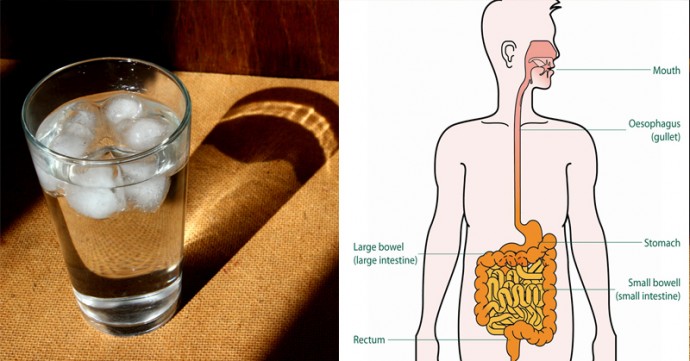
Drinking lots of water with your meal

Feeling confused already? A nutritionist telling you NOT to drink water? Hear me out. Water is wonderful. And it’s great to have with your meal in small sips, for the purpose of helping the food along the digestive tract. But drowning your meals with multiple glasses of water is just going to give you indigestion and make you feel bloated afterwards.When food enters your stomach, a substance called hydrochloric acid (HCL) is secreted from the stomach lining to help begin the process of digestion. HCL is super acidic — after all, it needs to be in order to break big chunks of food into tiny, absorbable nutrients. So if you start chugging back water with your meal, you’re going to dilute the hydrochloric acid and thereby dampen (pun intended) its efforts.

If it helps to paint a picture, imagine a pool of water in your stomach with bits of food floating around, the acid just kind of fizzing out trying to do its job. Feeling gross and bloated already? Good, don’t do it!

Solution:

Drink lots of water either an hour before or after your meals. Only sip on a glass of water throughout your meal.

Eating lots of starch and protein together

Steak and mashed potato. Burger and fries. Eggs Benedict. All the glorious combinations that make us want to pass out on the couch after. Eating large amounts of starch (e.g. bread, pasta, rice, potatoes) and protein (e.g. fish, chicken, beef, eggs) at the same time can cause indigestion and acid reflux.

This is because protein has a much slower rate of digestion, and starches digest much faster into simple sugars. Technically speaking, starches should be saying “hasta la vista” to the stomach pretty quickly and entering the next stage of digestion in the small intestine. But because they’re all mushed up with the protein in the stomach, they have to hang around and wait for hours until the protein finishes digesting too.

And when starches hang around too long, they ferment i.e. release gas which causes us to belch every so eloquently.

Solution:

Eat your starch first, follow it up with protein afterwards. Don’t sweat it if you’re having a small portion of starch alongside your protein, the key is not to overdo the rice and potatoes. P.S. you can eat your veggies with starch and protein, either combo works well!

Having ice-cold water with your meal

Yep, I’m back to talking about water again. And here you thought all there was to water was drinking it. Nay friend. When it comes to temperature of drinking water at a meal, opt for room temperature instead of cold. Ice-cold water constricts blood vessels, so it hinders the body’s ability to digest food and absorb nutrients.

Ice-cold water will also solidify any fats that are being eaten making them difficult to digest as well. Plus, your body’s energy is going to get diverted from trying to digest food to trying to regulate your body’s temperature. So much unnecessary exhaustion.

Solution:

Think Japanese. Order some hot water (with lemon, optional) or green tea before the start of your meal and slowly sip on it to prime your gut for optimal digestion. Always tell the server “no ice” and “room temperature”.

Keep in mind that these tips are for optimal digestion. If you suffer from weak digestion, these are far more applicable to you than someone who rarely suffers from feeling bloated or sluggish after a meal. These tips are also more crucial when you have a big brunch or celebratory meal coming up  — basically, when you know a food coma is just around the corner.

Broccoli Sprouts Kill Cancer; Fast

The development of science once more suggests that the best medicine can be found in the diet, and the most knowledgeable doctor is the Nature. In this case, broccoli, or even more potent, broccoli sprouts, have been proved to possess the capacity to prevent numerous health issues.

broccoli-sprouts-kill-cancer-fast

This vegetable has been repeatedly shown to be one of nature’s most valuable health-promoting foods. Broccoli sprouts are more than beneficial in cases of:

  • Allergies (1)
  • Osteoarthritis (2)
  • Diabetes (3)
  • Hypertension(4, 5)
  • Cancer

Broccoli Kills Cancer

Many researchers suggest that eliminating cancer stem cells may be key to controlling cancer. Sulforaphane, a sulfur compound, has been shown to kill these cancer stem cells, thereby, it has the potential to slow down the growth of cancer.

This is a thing that cannot be done by chemotherapies, but it can be done through our diet! The  cancer- fighting power of broccoli has been proved on various occasions, ever since studies in the mid-1990s showed that the broccoli compound glucoraphanin, which is a precursor to sulforaphane, boosts cell enzymes that protect against molecular damage from cancer-causing chemicals. (910 )

Moreover, studies have also found that sulforaphane normalizes DNA methylation.(11) This is a process by which a methyl group is added to part of a DNA molecule.

The methyl groups consists of one carbon atom attached to three hydrogen atoms. DNA methylation is crucial in regulating gene expression, and is also an extremely important a part of normal cell function, allowing cells to “remember who they are and where they have been”.

This DNA process also suppresses the genes for things we want to avoid, such as viral and other disease-related genes. On the other hand, abnormal DNA methylation plays a critical role in the development of nearly all types of cancer.

The sulforaphane found in broccoli activates more than 200 different genes. To be more concrete, broccoli possesses the needed ingredients to activate genes that prevent cancer development, and deactivate the opposite ones, the genes that help the cancer to spread. What is even better, you do not need large amounts of broccoli to use its benefits and feel ots effects.

Actually, PLoS One (12found published a study in 2008 which studied the effects of broccoli. The researchers collected tissue samples over the course of the study and found that the men who ate broccoli showed hundreds of beneficial changes in genes known to play a role in fighting cancer.

In addition, their findings showed that four servings of broccoli per week are enough to protect from prostate cancer. One serving of broccoli is about two spears, which means that the enough quantity is only 10 broccoli spears per week.

Various Cancers Can Be Cured With The Use Of Sulforaphane

One rather disturbing aspect of chemo- protection strategies is that they are rarely organ-specific. In particular, chemo- protection produces a general cancer protective effect which blocks multiple steps that are common to cancer formation. This is probably a reason why broccoli appears to work against a variety of different types of cancers.

There have been numerous studies on the sulforaphane’s effect on breast cancer, and it has been discovered that it hinders the growth of human breast cancer cells as well, at least in the laboratory. Moreover, it was also proved that it acts by disrupting the action of protein microtubules within the cancer cells, which promote cell division and growth.

What makes broccoli even more suitable for this matter is the fact that certain cancer drugs also work in this manner, but, of course, its use does not bring any of the side effects associated with synthetic drugs.

Furthermore, PreventDisease.com (13) also reports that:
“Previous research has also proven that the compound blocks the formation of breast tumors in rats, and it can even force colon cancer cells to commit cell suicide. It seems that sulforaphane works its magic on the detoxification enzymes that try to defend the cancer-promoting substances.”

Sprouts Have Even Bigger Power

As we previously mentioned, about 10 broccoli spears per week has been shown to offer protection against prostate cancer. Nevertheless, fresh broccoli sprouts have been shown to be far more capable and powerful, allowing you to eat far less in terms of quantity, which is excellent for those who do not like the taste or smell of broccoli.

In terms of research, (14) even small quantities of broccoli sprout extracts have been shown to markedly reduce the size of rat mammary tumors that were induced by chemical carcinogens.

 “Three-day-old broccoli sprouts consistently contain 20 to 50 times the amount of chemoprotective compounds found in mature broccoli heads, and may offer a simple, dietary means of chemically reducing cancer risk.”- according to researchers at Johns Hopkins University. (15)

Another good thing related to broccoli sprouts is that you can grow them at home quite easily and with low costs. Moreover, it is an advantage that they do not need to be cooked. They are eaten raw, usually as an addition to salad.

When compared to either broccoli or cauliflower, which also contains sulforaphane, (16)three-day-old broccoli sprouts contain anywhere from 10 to 100 times higher levels of glucoraphanin, compared to the mature varieties.

If you prefer mature broccoli heads, always opt for a variety of high potency, since the chemo- protective abilities of samples from 22 varieties of fresh and seven brands of frozen mature broccoli varied greatly, as tests showed. Fresh broccoli sprouts, on the other hand, are far more uniform in their potency. (17)

Furthermore, an extract of broccoli sprouts was discovered to be capable to protect your skin from sun damage, which could potentially lead to skin cancer.

Actually, Dr. Paul Talalay, a professor of pharmacology and molecular sciences at Johns Hopkins University School of Medicine in Baltimore investigated this issue and claims that:

“Cells contain an elaborate network of protective genes that code for proteins that protect against four principal injurious processes to which all of our cells are exposed and which are the causes of cancer, degenerative disease and aging. Those four processes are: oxidation; DNA damage; inflammation and radiation, namely ultraviolet radiation. The cells’ protective system normally operates at about one-third capacity, so the real question is what would ramp up that system.

The highest doses of sulforaphane extract reduced UV-induced redness and inflammation (erythema) by an average of 37 percent, although protection varied from 8 percent to 78 percent. If you apply an extract of broccoli sprouts that contains high levels of sulforaphane to regions of human skin, you can protect them very substantially.” 

Grow Your Own Broccoli Sprouts

Broccoli sprouts are easily grown at home, even if you have limited space. What is extremely important is to always pick organic seeds, and a pound of seeds will probably make over 10 pounds of sprouts. When you try, you will discovered that it is very easy to grow a continual supply of broccoli sprouts, and the benefit of your homemade- grown broccoli is more than evident.

By Dr. Mercola

5 Ways to Improve the Performance of Your Greatest Asset: You

5 Ways to Improve the Performance of Your Greatest Asset: You

Image credit: Snapwire Snaps

We are constantly looking for ways to enhance, grow and improve our assets, but we often overlook the most important one of them all. Your greatest asset is not your bank account, stock portfolio, 401(k) or real estate holdings — it’s you.

What are you doing to make sure you perform at your very best? Imagine if your personal performance started to suffer — your business would soon follow. Here are five simple ways to improve the performance of your greatest asset.

1. Prioritize your health and wellness.

For your business to thrive, you need to be involved. This won’t happen if you are in and out of the hospital with health issues. Regular exercise and an intelligent diet helps your body and mind operate at peak performance.

Time is a rare commodity — but make sure to carve out at least 30 minutes a day for physical exercise. If you are bound to a desk and chair all day make sure to get up and stretch every hour. A mid-day walk also goes a long way to help combat the health risks associated with sitting for long periods of time.

2. Delegate and outsource all of your busy work.

You will operate so much more efficiently if you can eliminate all of the busy work that typically slows you down. When you don’t have tedious tasks pulling at you from all directions you can focus 100 percent of your attention on the objectives that directly impact the growth of your business.

Learning to delegate was difficult for me at first — I felt like I had to do everything myself to ensure it was done correctly. I learned to trust the people I have in place and delegation has allowed me to focus on more important parts of my business related to growth. More doors and opportunities have opened up simply because I pushed all of those little time sucking tasks off my daily plate.

3. Don’t hold back stress and anger. Voice your opinion.

If you ignore the issues that are causing you to become stressed out and angry it’s just going to keep building up until you explode. This isn’t good for anyone involved — it’s best to address anything that upsets and angers you on the spot.

Sure, take time to assess the situation and come up with a well thought-out solution, but don’t keep putting it off and letting it build up. When you don’t have pending issues or stress on your mind you can devote all of your energy to what’s important — working on your business and working towards your goals.

4. Have fun, and include your team members.

If you aren’t having fun then you need to reconsider what you are doing and try something new. Having fun is one of the most overlooked components of success. Sales, money and growth are usually on top of the priority list — but if you aren’t having fun you are going to burn out and your performance will suffer, eventually impacting your business.

The same concept applies to your employees and team members — if they are having fun they are going to enjoy what they are doing, and that will directly impact how they perform. Make sure you create a fun work environment but also consider hosting an out-of-the-office event once a month or even once a quarter — something as simple as an evening of bowling can really help to keep the fun vibe alive and well.

5. Find a mentor.

Ask every successful entrepreneur for one piece of advice and you will undoubtedly have several of them tell you to get a mentor. You aren’t going to have the answer to every question and some situations are going to leave you seeking help.

Rather than stress out or scramble for a solution you can simply pick up the phone knowing you will have someone on the other end that is there to help. Having a mentor that you know you can turn to any time eliminates a lot of unnecessary stress. Less stress equals better personal performance.


Jonathan Long – July 02, 2015

Why You Should Avoid Heinz Ketchup

heinz-ingredients-toxic-mercury
The general public is becoming more aware that processed food is toxic and full of chemicals. We’re understanding that organic is a better option and it’s better to make something at home with fresh, organic ingredients than to buy it from the store. There are certain store bought little things though that we may not think much about making ourselves because they seem simple, i’m talking about condiments like mustard, sauces, dressings and ketchup. Whether you’re a meat eater or a vegan you may still love that ketchup taste and use it on a variety of foods or to dip foods into. Recently I was doing some research on high fructose corn syrup and what I found shocked me.I’ll get to that more in a minute, but first I want to share with you why you should read and understand the heinz ketchup ingredient label. At first glance you may think that there are a few questionable ingredients but by digging deeper you’ll actually find it’s not only not healthy but extremely toxic and in my personal opinion quite dangerous to consume over time.

Here’s the heinz “ketchup” ingredient label:
heinz-ingredients-toxic-mercury

If you aren’t already familiar with how ingredient labels work, the label lists ingredients in order from most to least in the product, meaning that tomato concentrate from red ripe tomatoes is what is in this ketchup most, followed secondly by distilled vinegar, high fructose corn syrup etc. Onion powder and natural flavoring are a small percentage of the overall content of this bottle. Now that you understand this I want to share with you what is actually in heinz ketchup served at mostly every restaurant, fast food or not in America and in many other countries.

Here’s the full ingredient list:

1. Tomato Concentrate

2. Distilled Vinegar

3. High Fructose Corn Syrup

4. Corn Syrup

5. Salt, Spice, Onion Powder, Natural Flavor etc.

When I first read this label I laughed to myself because Heinz is already trying to trick you, the consumer into thinking it’s a healthy condiment by labeling two of the ingredients differently even though they are the exact same ingredient. Can you guess which two? It’s quite obvious right? High fructose corn syrup and corn syrup are the same exact thing, they are both ‘high fructose corn syrup’ but they are going with adding a second corn syrup name to try to trick you into thinking there are more ingredients than there really are for two reasons.

First, they probably want you to think that corn syrup is healthier than high fructose corn syrup so they separate the two. They also want you to think there is a difference, which there is not and lastly they most likely did this because consumers are becoming aware of the higher the ingredient on the ingredient list the more there is contained in the product. So if they just took “High Fructose Corn Syrup” and put that on the label with no ‘corn syrup’ that would probably be much higher on the list. The ingredient label may look more like this:

1. High Fructose Corn Syrup

2. Tomato Concentrate

3. Distilled Vinegar

4. Salt, Spices etc.

Their label would be ruined! It would create transparency and show you that you’re buying and eating more corn syrup from GMO corn than ACTUAL tomato based ketchup. This is just the start too, wait until you understand the rest of the label. This is already a tomato-red flag in my opinion though. They are already using the labeling system to try to deceive you. The second issue I have with heinz ketchup and another reason why I will not consume it is that they use distilled vinegar. Guess where most vinegar comes from? Genetically Modified Corn.

With the high fructose corn syrup, corn syrup and distilled vinegar we already have three corn based ingredients in what should be tomato tasting ketchup, but wait! there’s more.

The label goes on to say ‘salt, spice, onion powder, natural flavoring’ at the end. The salt they use is the cheapest form of salt that can be bought which is the type of salt that causes high blood pressure, toxicity in the body and mineral imbalances (high sodium in the blood) which leads to many health challenges if consumed too frequently. They go on the label to say ‘natural flavors’ and what they mean by that? Only God knows.  If we look at the rest of the heinz label (as you can see below) you’ll notice that there is no fiber or protein but there is sodium and sugar. Where does the sugar come from? Maybe ‘natural flavor’ is sugar. You’ll see that 1 tbsp is 7% of your daily sugar value so each spoonful of ketchup you consume on anything you increase your sodium daily value by 7%, count away… 7-14-21-28. Do you see how quick that adds up? you could consume a large chunk of your daily sodium value with just a condiment, let alone the food you eat along with it.

heinz-daily-value-ingredients

There are multiple reasons to avoid heinz ketchup for the sake of your health and well-being but i’ll sum it up in 3 solid reasons why you should avoid heinz ketchup like the plague and why i’ll be doing so also.

1. High Fructose Corn Syrup: Heinz Ketchup is LOADED with high fructose corn syrup. I wonder if that would be the number one ingredient in the ketchup if they didn’t play this “list the ingredient twice under two names” trick on us. High fructose corn syrup is extremely unhealthy and toxic. It acts like a sugar in the body when it’s metabolized, somewhat… only worse! because it comes from genetically modified corn it is even more toxic. It spikes your blood sugar levels and will damage the liver over time. High fructose corn syrup can lead to obesity, heart disease, diabetes, a weakend immune system and so much more. You may already know this but what frightened me even more was what I read from Dr. Mark Hyman’s website recently.  He noted that an FDA researcher contacted the corn producers to send her a barrel of high fructose corn syrup for testing, they wouldn’t send her a barrel even though she attempted to receive one multiple times. Finally, she changed her approach and asked a new beverage company on the market for a barrel. They sent her one gladly. After doing the testing she found that high fructose corn syrup contains high levels of Mercury, an extremely toxic heavy metal. This information and research comes from an FDA researcher! Mercury affects the brain, nervous system, can lead to autism and it really harms children. I highly recommend avoiding heinz ketchup or ANY other food containing high fructose corn syrup with your children.

Remember, Heinz decided to list high fructose corn syrup and ‘corn syrup’ as separate so they actually have a higher level of high fructose corn syrup in ketchup than you’d think, meaning higher levels of mercury also if their corn syrup correlates with corn syrup that has been tested thus far.

Not only has high fructose corn syrup been proven to be unhealthy and toxic, genetically modified foods have also, this is both a GMO food and a toxic poisonous sweetener.

2. Distilled Vinegar & Sugar: Heinz ketchup contains distilled vinegar as another ingredient and on their label they list 4 grams of sugar per serving which is each tablespoon. Distilled vinegar is created from genetically modified corn which is grown with toxic pesticides and chemicals. Ingesting this in the form of vinegar is not beneficial in any way to your health, it’s only toxic. They list ‘natural flavors’ on the ingredients and list 4 grams of sugar above it. This leads me to believe they not only added high fructose corn syrup in a all to generous amount but they added sugar also and labeled it as ‘natural flavors’ on the label. Most sugar in mass produces products come from GMO sources. GMO beet sugar is the most common used. If the toxic high fructose corn syrup wasn’t bad enough for your pancreas, liver, metabolism, immune system, nervous system and brain the super generous Heinz Corporations decided to add some more chemicals, gmo’s and sugar into your ketchup to add fuel to the fire for you!

This much sugar without any fiber or anything else has been shown to spike blood sugar levels and begins to weigh on your pancreas and your liver.

3. No Nutritional Value Whatsoever: Heinz has NO fiber and NO protein and NO nutrition in their ketchup. The miniscule amount of ‘tomato paste’ may contain a very very small amount of cooked lycopene that won’t even be available by your body to absorb. This ketchup is a chemical shit storm of genetically modified ingredients, sugar and toxic sugar like substances. It’s void of any nutrition yet full of GMO’s, sugar, and chemicals and even possibly mercury, a heavy metal that is extremely toxic to the body.

If you care about your health and well-being, and the health and well-being of your family you’ll avoid this ketchup and opt for a healthier organic non-gmo ketchup, there are plenty of options on the market. Another option is to simply click here to learn how to make your own organic ketchup, it only takes two minutes to make!

Related : 5 Reasons High Fructose Corn Syrup Can Kill You

By David BenjaminJune 30

Uncovering 5 Cannabis Misconceptions

Harvesting Cannabis

We have to admit, it makes sense why many people misunderstand cannabis and the benefits it holds for both individuals and society. Cannabis, after all, has been fraught with decades of misguided stereotypes, scare tactics, and inaccurate information masquerading as facts. Our legal system and anti-drug policies make it even harder to debunk these outlandish myths, as they themselves encourage misuse, perpetuate stereotypes, and spread fear-based messaging and biased conclusions, leaving society uninformed and struggling to separate the truths from the lies.

Exposing these false messages through research and awareness is our best bet at eliminating the misconceptions surrounding cannabis. Here are five misleading anti-cannabis sentiments we’ve all probably heard at some point or another. For each of these points, we state the facts and logic to debunk the arguments so you can decide on your own what to believe.


1. “Cannabis is a gateway drug.”

Heroin use

This myth has persisted despite being debunked on numerous occasions. It shouldn’t be surprising that people who consume harder, more illicit drugs have potentially consumed cannabis as well. We can say the same for alcohol and tobacco, yet, we don’t consider them a gateway to drug abuse because it’s foolish to associate a correlation as a cause.

The missing logic from the gateway argument unfolds even further when you look to its larger social implications. In a post on Psychology Today, Constance Scharff, Ph.D, points to alcohol and tobacco as the more sensible ‘gateway’ drugs:

“Many people mistakenly believe that marijuana use precedes rather than follows initiation of other illicit drug use. In fact, most drug use begins with alcohol and nicotine before marijuana, making nicotine and alcohol the two most common drugs of abuse.”

Aside from the confusing differentiation of cannabis, alcohol, and tobacco, Dr. Karen Van Gundy, Associate Professor of Sociology at the University of New Hampshire, recently completed a study on cannabis showing other factors of causation hidden in the gateway myth:

“But pot does serve as a ‘gateway’. Mainly for young people who are poor, unemployed and subjected to severe psychological stress.”

Larger social issues are at play here, so claiming that cannabis is a gateway drug is ignoring the numerous and complex factors, from environmental to psychological, that account for why heavy drug users turn to a variety of substances.


2. “Marijuana is worse for your lungs than tobacco.”

Cigarettes

Hats off to the tobacco corporations who’ve successfully perpetuated the idea that smoking cannabis is more harmful to your lungs than cigarette smoke — a crux of capitalism rather than science. No matter the projected rationale behind these arguments, whether it’s harping on the lack of filters or claiming that you inhale longer with marijuana, no study proves marijuana to contain more harmful effects than tobacco.

The Journal of the American Medical Association (JAMA) published a study in 2012 indicating that smoking cannabis was not linked with lung damage:

“Marijuana may have beneficial effects on pain control, appetite, mood, and management of other chronic symptoms. Our findings suggest that occasional use of marijuana for these or other purposes may not be associated with adverse consequences on pulmonary function. It is more difficult to estimate the potential effects of regular heavy use, because this pattern of use is relatively rare in our study sample; however, our findings do suggest an accelerated decline in pulmonary function with heavy use and a resulting need for caution and moderation when marijuana use is considered.”

Another study found that cannabis and tobacco smoke are not equally carcinogenic, and research led by the University of California San Francisco in conjunction with the University of Alabama at Birmingham found that cannabis is less damaging to the lungs than tobacco.

We aren’t saying that smoking marijuana doesn’t have any negative effects on your lungs — any sort of inhalation can have repercussions on your pulmonary health. But research has indicated on multiple occasions that tobacco is more harmful to your lungs than cannabis. Keep in mind that for both tobacco and cannabis, the resulting effect on your lungs is dependent on the quantity you consume.

If you’re concerned about your lung health as a cannabis user, remember that there are many other ways to consume cannabis without smoking it. Legalization opponents miss the mark when they spout this one off. Put this one to rest, people.


3. “Cannabis use leads to crime.”

Cannabis and crime

Here’s an example of propaganda at its best: the 1936 film Reefer Madness. Prohibition and anti-cannabis supporters still ride the waves of fear induced by a film that’s almost 80 years old. It makes sense to link cannabis to crime if you don’t want it around but, similar to the gateway myth, the argument is blind to the bigger social issues.

This myth hangs on to a premise that largely relies on the status of cannabis in our legal system. Crime trends and statistics used to fuel the argument against legalization don’t make sense, as the whole point is to end those arrests and allocate police attention to the real issues.

To take a look at how crime and cannabis really interconnect, we refer to a study in London that decriminalized cannabis for a year in the borough of Lambeth. Results showed a large drop in crime rates across the board, even in non-drug related crimes:

“We use the key lessons from this localized policing experiment to shed light on what would be the impacts on crime if the same policy were to be applied citywide, by developing and calibrating a model of the market for cannabis and crime, we account for the behavior of police and cannabis users.”

This policy change decreased crime and allowed the borough to further understand how cannabis functions in their community. The authors also noted how police were able to prioritize higher-risk crimes, improving the overall safety of the borough rather than tackling low-risk cannabis offenses. Can you imagine if the entire US adopted this model?

Speaking of the United States, in March, The Washington Post reported the significant and positive impact Colorado’s retail cannabis legalization has been having on Denver crime:

“The total number of marijuana court cases fell from 39,027 in 2011 to 2,036 cases in 2014. Those 37,000 fewer cases represent a savings of untold millions of dollars in court costs and law enforcement fees. They represent 37,000 fewer people who have to deal with the stigma and financial burden of an arrest and possible conviction.”

Cannabis isn’t indicative nor a cause of criminal behavior. Rather, anti-drug policies use cannabis as a scapegoat for community issues, which only results in promoting illicit activity and the black market rather than eliminating it.


4. “Cannabis is addictive.”

Cannabis user on couch

A simple guideline when it comes to using cannabis is to consume responsibly and within moderation. Anything can be considered harmful if it’s done or used in excess. People can be addicted to food, exercise, and even sleep when that’s all they do, all of which are perfectly legal activities.

The National Institute on Drug Abuse tells us that 9% of users become dependent on cannabis, which is unfortunate, but less overwhelming than cannabis opponents would have you believe. The organization describes the symptoms of marijuana addiction as “linked to a mild withdrawal syndrome”:

“Frequent marijuana users often report irritability, mood and sleep difficulties, decreased appetite, cravings, restlessness, and/or various forms of physical discomfort that peak within the first week after quitting and last up to 2 weeks.”

Addiction is an issue with all substances, which is why both awareness and mindset are crucial when using cannabis. The potential harm, no matter how minimal, should be combated through education and proper protocol, not fear and misinformation.


5. “We all know what stoners look like.”

Stereotypical stoner

This one doesn’t need science to be debunked; instead, it requires a moral conscience and a willingness to dispel stereotypes as a way of seeing the world. The cannabis archetype is set in stone: Cheech and Chong, Snoop Dog, Scooby and Shaggy all come to mind, but they aren’t the only stoners out there (not to mention how truly successful these so-called “lazy” stoners actually are).

Morgan Freeman, Jennifer Aniston, Maya Angelou, George Clooney, and many other successful people have all used cannabis, and they all look, live, and consume differently. There’s no one way or one type of person who consumes.

Not convinced? Check out these cannabis-friendly people, many of whom you probably recognize. Do all of them fit neatly into the archetypical stoner image?

We’ve got some work to do before the stereotypes and myths disappear, but consuming responsibly and being sensible with how we introduce the truths to others will lead to great things.

By Nick Elam — 6/30/2015

10 Serious Reasons to Avoid Soy At All Costs

soy not a healthIn the twentieth century the soybean was one of the two major new crops introduced into the U.S. (the other crop being canola). It has now become the number one export crop and one of the second largest crops for cash sales. Most soybean products are processed into oil (shortening, margarine, cooking oil & salad dressings) and meal. For example, you may have noticed (or may start noticing) the popular ingredient “Soy Lecithin” in many of your foods and household items. There was a time when soy was praised a superfood, from combating cancer and high cholesterol. However, new evidence has emerged with soy’s negative impact on health (and the environment). Read on to discover the deceptions and dangers of soy.


Health Dangers of Soy:

1. Impaired immune system
Soy contains endocrine disrupting chemicals called phytoestrogens (specifically Genistein and daidzein) (1, 2, 3). They influence the reproductive organs as well as the immune system. In one study they found that mice treated with genistein (soy isoflavone) had less interferon (IFN)-gamma in culture supernatants (4) compared to mice treated with oil. Interferon-gamma is a cytokine that is crucial in innate and adaptive immunity against viral and bacterial infections and tumour control. Decreased levels of this molecule mean decreased immunity and decreased tumour control.

2. Impaired Fertility
Soy isoflavones as seen in point 1 (above), are structurally similar to endogenous estrogens and display both estrogenic and weak anti-estrogenic activities (5). Impaired fertility and reproductive tract disorders can be a result of said activities. In female rats exposed to high doses of isoflavones their fertility decreased (6, 7) and had altered estrous cycling (8) – it also led to increased uterine weight and epithelial cell height which may contribute to ovarian cysts. Studies done with male rats had no found effects on sexual maturity, preputial separation, fertility, sperm count or testosterone levels (8).


3. Thyroid Disorders
Soy-containing foods and their isoflavones may adversely affect thyroid function. In one study they investigated whether breast and soy-containing formula feedings in infants were associated with development of autoimmune thyroid disease in the children (9). “There was no difference in the frequency and duration of breast feeding in early life among the three groups of children. However, the frequency of feedings with soy-based milk formulas in early life was significantly higher in children with autoimmune thyroid disease (prevalence 31%) as compared with their siblings (prevalence 12%; chi 2 = 7.22 with continuity factor; p less than 0.01), and healthy nonrelated control children (prevalence 13%, chi 2 = 5.03 with continuity factor; p less than 0.02)” (9). This suggests that feeding infants soy formula is associated with autoimmune thyroid disease in the early years.


Another study found that compounds in acidic methanol extracts of soybeans inhibit thyroid peroxidase- (TPO) catalyzed reactions required for normal thyroid hormone synthesis (10). Inhibition of thyroid hormone synthesis can lead to goiter and thyroid neoplasia.


4. Brain Damage
In major study including 3,734 elderly Japanese-American men, those who consumed most soy during their midlife had a 2.4 times higher risk of developing Alzheimer’s disease later in their life (11, 12). These men consumed tofu at least twice a week and had more cognitive impairment than those who never ate or only sporadically consumed tofu.


These researchers also found that high consumption of tofu during midlife was associated with lower brain weight. 574 of the men were assessed for brain atrophy using an MRI machine, and although brain shrinkage naturally occurs with age, those men who ate more tofu had “an exaggeration of the usual patterns we see in aging” (11, 12).


5. Infant Abnormalities
Problems regarding infants and soy is an important topic, especially for mothers who choose to use soy-infant formulas instead of breast feeding. According to Mary G. Enig, Ph.D., “the amount of phytoestrogens that are in a day’s worth of soy infant formula equals 5 birth control pills.”


Soy-infant formulas contain high levels of isoflavones, and exposing infants to this daily intake equivocates to a 6-11 fold higher isoflavone exposure (based on bodyweight) than the dose that creates hormonal changes in adults consuming soy foods. When infants were tested for isoflavone concentrations circulating in the blood, the levels were 13,000-22,000 times higher than natural estrogen concentrations in the early years (13, 14).


Biggest Problems Surrounding Soy:

1. Genetic Modification (GMOs)
Did you know that up to 91% of soy grown in the U.S. is genetically modified (GM)? The soybeans are specially selected so that they will resist the toxic herbicide Roundup. This means that the soybeans themselves are loaded with this toxic pesticide. In addition, genes from bacteria that produce a protein foreign to the human food supply are also inserted into the genes of the soybean plant, making this food item an un-natural food supply.


2. Contains Toxins: “anti-nutrients”; hemagglutinin; goitrogens; phytates
Anti-nutritional factors like saponins, soyatoxin, phytates, protease inhibitors, oxalates, goitrogens and estrogens all interfere with our protein-digesting enzymes and result in poor digestion and thus poor health.


Soybeans also contain hemagglutinins which act as clot-inducing substances (causes red blood cells to stick together). This makes our red blood cells unable to absorb oxygen and distribute it throughout the body.


Goitrogens are a category of foods that promote formation of goiter (enlarged thyroid) – and soy foods fall in that category. They block thyroid hormone synthesis and obstruct iodine metabolism.


The soybean has one of the highest phytate levels of any grain or legume. Phytates prevent the absorption of minerals like calcium, magnesium, iron and zinc by binding to the metal ions and preventing them from entering the cells of your body. As many vegans consume soybean products, and depend on them for absorption of these exact minerals, they may be doing just the opposite.


3. Contains Isoflavones
Soy contains the isoflavones genistein (as seen previously) and daidzein. Isoflavones are a type of phytoestrogen which resemble the human compound called estrogen. Phytoestrogens have been found to block the hormone estrogen and can have serious effects on human tissues such as disrupting endocrine function, causing infertility, and promoting breast cancer in women.


4. Toxic Levels of Aluminum & Manganese
Aluminum tanks are used to process and acid-wash soybeans before consumption. Aluminum particles from the tanks are directly absorbed into the soybean, and result in high aluminum concentrations in the bean. Soy infant formula also contains manganese levels 80 times higher than that found in human breast milk (15, 16).


5. Soy Infant Formula Concerns
The isoflavones in soy infant formula is of great concern to new and expecting parents who choose to bottle-feed instead of breast-feed. Nearly 20% of U.S. infants are bottle-fed soy formula. As seen throughout this article, it is clear that the isoflavones in soy formula can negatively impact your child’s health (impairing sexual development and reproductive health).


Soy Products That Are Good For You
Choose fermented soy products such as:
1. Tempeh – fermented soybean cake that is firm and has a nutty, mushroom-like flavor
2. Miso – fermented soybean paste that is quite salty and commonly used in miso soup
3. Natto – sticky fermented soybeans with a strong, cheesy flavor
4. Soy Sauce – fermented soybeans, salt & enzymes


Soy Products To Avoid:
– Tofu
– TVP (texturized vegetable protein) or soy protein isolate
– Soybean oil
– Soymilk
– Soy cheese, soy ice cream, soy yogurt
– Soy “meat”
– Soy protein
– Edamame
– Soy infant formula
– Avoid ALL processed foods, and purchase only whole foods prepared by yourself! Many packaged food products contain soy.


What Should You Eat Instead Of Soy?
Many vegans consume “mock meat” typically made out of soybeans that are not fermented. As an alternative to the above list you can eat:


– Tofu – Instead, eat tempeh (it is similar, just more dense)
– Soybean oil – Instead, use olive oil, hemp seed oil, coconut oil, etc.
– Soymilk – Instead, drink hemp, rice, almond, coconut or oat milk
– Soy cheese, soy ice cream, soy yogurt – Instead eat Daiya cheese (much better than soy cheese), and coconut or banana ice cream (you can use bananas as a yogurt too if you wanted – just mash them up!)
– Soy “meat” – Instead, eat tempeh
– Soy protein – Instead, eat heart-healthy, amino-acid packed hemp protein
– Soy infant formula – Instead, use infant formulas that are soy-free


by CARLY FRASER

Sources:

(1) Colborn, T., Vom Saal, F., & Soto, A. (1993) Developmental effects of endocrine-disrupting chemicals in wildlife and humans. Environmental Health Perspectives, 101, 378-384.
(2) Poon, B., Leung, C., Wong, C., & Wong, M. (2005) Polychlorinated biphenyls and organochlorine pesticides in human adipose tissue and breast milk collected in Hong Kong. Archives of Environmental Contamination and Toxicology, 49, 274-282.
(3) Irvine, C., Shand, N., Fitzpatrick, M., & Alexander, S. (1998). Daily intake and urinary excretion of genistein and daidzein by infants fed soy- or dairy-based infant formulas. American Journal of Clinical Nutrition, 68, 1462-1465.
(4) Calemine, J., Zalenka, J., Karpuzoglu, E., Ward, D., Lengi, A., & Ahmed, S. (2003) The immune system of geriatric mice is modulated by estrogenic endocrine disruptors (diethylstillbestrol, alpha-zearalanol, and genistein): effects on interferon-gamma. Toxicology, 194, 115-128.
(5) Mitchell, J., Cawood, E., Kinniburgh, D., Provan, A., Collins, A., & Irvine, S. (2001) Effect of a phytoestrogen food supplement on reproductive health in normal males. Clinical Science, 100, 613-618.
(6) Jefferson, W., Padilla-Banks, E., & Newbold, R. (2005) Adverse effects on female development and reproduction in CD-1 mice following neonatal exposure to the phytoestrogen genistein at environmentally relevant doses. Biology of Reproduction, 73, 798-806.
(7) Jefferson, W., Padilla-Banks, E., Goulding, E., Lao, S., Newbold, R., & Williams, C. (2009) Neonatal exposure to genistein disrupts ability of female mouse reproductive tract to support preimplantation embryo development and implantation. Biology of Reproduction, 80, 425-431.
(8) Dinsdale, E., & Ward, W. (2010) Early exposure to soy isoflavones and effects on reproductive health: a review of human and animal studies. Nutrients, 2, 1156-1187.
(9) Fort, P., Moses, N., Fasano, M., Goldberg, T., & Lifshitz, F. (1990) Breast and soy-formula feedings in early infancy and the prevalence of autoimmune thyroid disease in children. Journal of The American College of Nutrition, 9, 164-167.
(10) Divi, R., Chang, H., & Doerge, D. (1997) Anti-thyroid isoflavones from soybean: isolation, characterization and mechanisms of action. Biochemical Pharmacology, 54, 1087-1096.
(11) White, L., Petrovich, H., Ross, G., & Masaki, K. (1996) Association of mid-life consumption of tofu with late life cognitive impairment and dementia: the Honolulu-Asia aging study. Fifth International Conference on Alzheimer’s Disease, 487.
(12) White, L., Petrovich, H., Ross, G., Masaki, K., Hardman, J., Nelson, J., Davis, D., & Markesbery, W. (2000) Brain, aging and midlife tofu consumption. Journal of The American College of Nutrition, 19, 242-255.
(13) Cassidy, A., Bingham, S., & Setchell, K. (1994) Biological effects of a diet of soy protein rich in isoflavones on the menstrual cycle of premenopausal women. American Journal of Clinical Nutrition, 60, 333-40.
(14) Setchell, K., Zimmer-Nechemias, L., Cai, J., & Heubi, J. (1997) Exposure of infants to phyto-estrogens from soy-based infant formula. Lancet, 350, 23-27.
(15) McGraw, M., Bishop, N., Jameson, R., Robinson, M., O’Hara, M., Hewitt, C., & Day, J. (1986) Aluminum content of milk formulae and intravenous fluids used in infants. Lancet, 1, 157.
(16) Dabeka, R., & McKenzie, A. (1987) Lead, cadmium, and fluoride levels in market milk and infant formulas in Canada. J Assoc Off Anal Chem, 70, 754-57.

Additional sources:

http://articles.mercola.com/sites/articles/archive/2010/09/18/soy-can-damage-your-health.aspx
http://articles.mercola.com/sites/articles/archive/2000/09/17/soy-brain.aspx


Insomnia What Does it Effect

insom sqInsufficient sleep not only can affect your memory and daily performance, but studies have now shown that lack of sleep can impair your ability to drive an automobile.


The U.S. Department of Transportation reports that drowsiness, including nodding off while driving, is responsible for 1,550 deaths and 40,000 injuries each year.

When the Center for Disease Control and Prevention surveyed 75,000 drivers in 12 states, results declared that 35 percent slept less than seven hours in a night, 48 percent snored, and nearly 38 percent had fallen asleep at least once during the day, while nearly 5 percent admitted to falling asleep behind the wheel.
Results also proved drivers ages 25 to 35 are more prone to nodding off while driving and men are more prone to falling asleep while driving than women. According to ABC News, Dr. Allan Pack, director of the Center for Sleep at University of Pennsylvania reports:

“Most of us believe that there are a lot more fall asleep crashes than reported… [I]t’s probably not reported accurately because a number of states don’t even having a ‘falling asleep while driving’ tick in the box when reporting a car crash… [P]eople believe that if they cut back on their sleep there is no real consequence. Everyone knows the dangers of alcohol, but I don’t think people understand the dangers of drowsy driving.”

In related news, USA Today reports that people who are sleep-deprived eat close to 300 calories a day more than they do when they are well-rested. Ice cream is one of the most common foods people eat when tired.

So perhaps it’s not surprising an additional study also showed that you can double your chances of reaching your target weight if you get the proper amount of sleep each night — between six and eight hours. According to the Telegraph, the study found that people trying to lose at least 10 pounds were more likely to reach their goal if they had lower stress levels and got the right amount of sleep.

Dr. Mercola’s Comments:

Data from the U.S. Centers for Disease Control and Prevention (CDC) found that over 35 percent of Americans reported getting less than seven hours of sleep on average during a 24-hour period. There is some controversy over what the ideal amount of sleep actually is, but research seems to be accumulating that sleeping less than eight hours a night has significant cumulative consequences.

Case in point, the CDC analysis found that people who slept fewer than seven hours were more likely to report unintentionally falling asleep during the day — including nodding off or falling asleep while driving. This is easily one of the most significant and potentially deadly risks of too little sleep, as the National Highway Traffic Safety Administration estimates that drowsy driving results in 1,550 deaths, 71,000 injuries and more than 100,000 accidents each year. But there are other, more insidious, risks to too little sleep as well, and chief among them is the impact on your weight.


Lack of Sleep Could be Making You Fat

Two recent studies added to the evidence showing that your sleeping habits influence both your ability to lose weight and your tendency to eat more:


    • People trying to lose weight were more likely to lose 10 pounds when they slept between six and eight hours a night, according to research in the International Journal of Obesity.&
      nbsp;


  • People ate an average of nearly 300 calories more when they were sleep-deprived compared to when they were well rested, research presented at an American Heart Association revealed. And the calories overwhelmingly came from junk foods like ice cream and fast food.&
    nbsp;

Other research found that among adults younger than 40, those who typically slept for five hours or less each night had a greater accumulation of belly fat, and yet another study, published in the Annals of Internal Medicine, found dieters who slept for 8.5 hours lost 55 percent more body fat than dieters who only got 5.5 hours of shut-eye.

This is only scratching the surface of the research linking your sleeping habits with your body weight — so what’s this connection all about?  It is likely the effect of altered metabolism, because when you’re sleep deprived, leptin (the hormone that signals satiety) falls, while ghrelin (which signals hunger) rises. In one study, researchers found that people who received only four hours of sleep a night for two nights experienced:

    • 18 percent reduction in leptin
    • 28 percent increase in ghrelin


This combination leads to an increase in appetite. Additionally, sleep-deprived people tend to eat more sweet and starchy foods, as opposed to vegetables and proteins. For instance, in the study mentioned above where people ate 300 extra calories when they were sleep-deprived.
The lead researcher told USA Today:

“Ice cream stood out as the preferred food during the sleep-deprived state.”


These sugar cravings may stem from the fact that your brain is fueled by glucose (blood sugar); therefore, when lack of sleep occurs, your brain starts searching for carbohydrates to keep going. If you’re chronically sleep deprived, consistently giving in to these sugar cravings will virtually guarantee you’ll gain weight.


More Consequences of Too Little Shut-Eye


I would easily rank a sound night’s sleep as high as proper diet and exercise in terms of its influence on optimal health. One of the explanations for why the health effects of sleep deprivation and sleep disruption are so numerous is that the circadian system “drives” the rhythms of biological activity at the cellular level. Hence disruptions tend to cascade outward throughout your entire body.
Among some of the consequences of too little sleep are:

      • High blood sugar levels and an increased risk of diabetes
      • Accelerated aging
      • Hypertension (high blood pressure)
      • Depression
      • Increased risk of cancer


And according to a report in the Journal of the American Medical Association (JAMA), lack of sleep can further exacerbate other serious and chronic diseases , such as:


Parkinson disease (PD) Alzheimer disease (AD) Multiple sclerosis (MS)
Gastrointestinal tract disorders Kidney disease Behavioral problems in children


According to another study, people with chronic insomnia also have a three times greater risk of dying from any cause.  Sleep deprivation can even caus changes in your brain activity similar to those experienced by people with psychiatric disorders, and your body does most of its repairs during sleep, so not getting enough of it can impair your immune system, leaving you less able to fight off diseases of ALL kinds.


How do You Know You’re Getting Enough Sleep?


Obviously if you feel well-rested and are able to wake up in the morning with no problem, you’re probably doing just fine in the sleep department. But if you’re fatigued, nodding off or yawning throughout the day, and just want to go back to bed when your alarm clock goes off in the morning, your sleep schedule may need some tweaking.

Generally speaking, adults need between six and eight hours of sleep every night. However, there are plenty of exceptions. Some people feel fine on as little as five hours a night, while others need as much as nine or 10 in order to feel at their best.

The amount of sleep you need can also drastically change depending on circumstances. For example, most people need more sleep when feeling ill, or during emotionally stressful times. Pregnant women also typically need more sleep than usual during the first trimester.

So my advice is to carefully and sensitively listen to your body and respond accordingly. And don’t think you’re going to meet all of your sleep needs by sleeping in for one morning on the weekend.  Chronic lack of sleep has a cumulative effect when it comes to disrupting your health. You cannot skimp on sleep on weekdays, thinking you’ll “catch up” over the weekend. What’s needed is consistency, and when it comes to sleep, routine is the word.

Creating a Healthy Sleep Routine


If you’re a parent, you probably automatically adopted such a routine for your kids — perhaps winding down with quiet activities for an hour or two before bedtime, then getting into pajamas and reading a book.
Why are bedtime routines so important for kids?

Because they work— and they can work for you too. So if you’re staying up late watching TV, surfing the Web or working, it’s time to set some limits. Determine a set bedtime for yourself, just as you do for your children, and avoid watching TV or using electronics for about an hour prior to going to bed. It is too stimulating to your brain, making it more difficult to “shut down” and fall asleep.

Instead, try spending this wind-down time doing something that soothes and relaxes your mind. You may want to spend time journaling, meditating, sipping herbal tea, washing your face, or reading a calming or spiritual book.

I also recommend getting to bed as early as possible. Your bodily systems, particularly your adrenals, do a majority of their recharging or recovering during the hours of 11 p.m. and 1 a.m., so you should definitely try to be asleep during those hours. From there, make sure your bedroom is ideally suited for sleep, as this can also go a long way to ensure restful and uninterrupted sleep:

    • Cover your windows with blackout shades or drapes to ensure complete darkness. Even the tiniest bit of light in the room can disrupt your internal clock and your pineal gland’s production of melatonin and serotonin. Even the faint glow from your clock radio could be interfering with your sleep.Also close your bedroom door, get rid of night-lights, and refrain from turning on any light during the night, even when getting up to go to the bathroom. If you have to use a light, install “low blue” light bulbs in your bedroom and bathroom. These emit an amber light that will not suppress melatonin production.
    • Keep the temperature in your bedroom at or below 70 degrees F (21 degrees Celcius). Many people keep their homes and particularly their upstairs bedrooms too warm. Studies show that the optimal room temperature for sleep is quite cool, between 60 to 68 degrees F (15.5 to 20 C). Keeping your room cooler or hotter can lead to restless sleep.When you sleep, your body’s internal temperature drops to its lowest level, generally about four hours after you fall asleep. Scientists believe a cooler bedroom may therefore be most conducive to sleep, since it mimics your body’s natural temperature drop.

You can find my comprehensive recommendations and guidelines to help improve your sleep in my article 33 Secrets to a Good Night’s Sleep. If you’re having trouble sleeping, this is the place to look to get your sleep back on track.

SourceImages:deviantART/pajaaa & Wikimedia/Mikael Häggström

The 15 Most Effective Natural Remedies For Anxiety

Herbal-Remedies-For-Anxiety

Herbal therapies are astoundingly popular and their interest is growing as the dangers of pharmaceuticals become widely known and accepted. In 2008 statistician Patricia M. Barnes of the National Center for Health Statistics and her colleagues reported that almost 20 percent of children and adults in the U.S. had used an herbal medicine during the past year. That percentage according to some experts has doubled. A team led by physician David M. Eisenberg of Harvard Medical School determined that use of herbs for physical and mental problems including anxiety had risen 380 percent in seven years.

The use of plants as treatments dates to at least 3000 b.c. although some theories propose humans have been using plants has medicine for as long as we’ve existed. Today this practice is part of a broader movement that has been fueled by the high ineffectiveness of prescription drugs, their side effects and the fact that these drugs do not work for everyone. Natural remedies come with little to no risk and if you find the right one for your condition, you can use it for life. That being said, always consult with a Naturopathic Doctor before initiating any herbal treatments for diagnosed conditions, especially if you are already taking medication.


1. Cannabis

Cannabis has very powerful neuroprotective properties with an incredible ability to regulate emotional behavior and may be the most reliable medicinal plant available as a therapeutic target for the treatment of anxiety and depressive disorders. A study conducted with mice suggests that beta-caryophyllene may be useful in treating anxiety and depression. The findings were published online in the journal Physiology & Behavior.


2. Valerian

Valerian root (valeriana officinalis) is derived from a plant native to Europe and Asia and has been used for thousands of years as a remedy for various ailments. It is believed that valerian root has an impact on the availability of the neurotransmitter GABA in the brain. GABA is a neurotransmitter in the central nervous system that is responsible for regulating and specifically for inhibiting the activity of the brain’s neurons. Extra GABA in your system promotes relaxation and lowers stress levels. For this reason, valerian root is known as a sedative. Valerian is very effective at relieving stress itself and insomnia caused by stress.


3. Honey

The nutrients in honey produce a calming effect, especially when taken in significant amounts. Honey can also be mixed with a suitable beverage for a good night’s sleep!

4. Lemon Balm

A large amount of published data has emerged on the benefits of lemon balm for alleviating anxiety and mood disorders in humans. In the past five years alone, the powerful relaxing effects of lemon balm extracts have been documented by scientists around the world. These studies confirm what herbal practitioners have long known–that lemon balm in combination with other herbal agents is effective in addressing conditions related to stress and anxiety. In one study of healthy volunteers, those who took standardized lemon balm extracts (600 mg) were more calm and alert than those who took a placebo.

5. Passionflower

Passion Flower

Natural sedative relieves occasional anxiety and mild panic attacks. Passion Flower is a woody vine that bears small berry-like fruit called grandilla. The brightly colored flowers and above-ground portions of the Passion Flower vine are used to derive medicinal compounds that relax the central nervous system and promote emotional balance. In the United States, Passion Flower is classified as GRAS (Generally Recognized as Safe) by the Food and Drug Administration. Substances that receive a GRAS classification have maintained a long, safe history of common use in foods or have been determined to be safe based on proven scientific research.

6. Winter Cherry

Relieves nervous tension, occasional anxiety and mental fatigue. Winter Cherry, or Ashwagandha Root, is among the most prominent herbal preparations used in Ayurveda, a holistic system of medicine that originated in India. The root of this small evergreen shrub is primarily recognized for its adaptogenic properties, meaning it naturally increases the body’s resistance to physical and emotional stress. Practitioners of Ayurveda traditionally prescribe Winter Cherry to promote gentle relaxation and emotional balance. Research has shown that Winter Cherry is a safe, natural sedative that produces the most noticeable benefits following daily use for two to six weeks.


7. Lavender  

Lavender is a common herb used in aromatherapy for mental health and mood. Lavender is a part of aromatherapy for headaches and depression. Lavender is a part of several scented products like perfumes soaps, shampoos and sachets. The plant is usually extracted into an oil and used in aromatherapy for mood, stress and anxiety. Lavender should be used with the recommendation of a physician, because it can interact with other medications. In one German study, a specially formulated lavender pill was shown to reduce anxiety symptoms in people with Generalized Anxiety Disorder (GAD) as effectively as lorazepam (brand name: Ativan), an anti-anxiety medication in the same class as Valium.


8. Ashwagandha

Ashwagandha is an Ayurvedic herb from the roots of Withania somnifera, a plant in the nightshade family. It has long been prized for hundreds of years for its ability to help the body deal with stress. It has also been used to boost the immune system, improve memory, and to promote overall wellness.

9. L-theanine (or green tea)

Research shows that L-theanine helps curb a rising heart rate and blood pressure, and human studies have found that it reduces anxiety. In one study, anxiety-prone subjects were calmer and more focused during a test if they took 200 milligrams of L-theanine beforehand. Astonishingly, even extremely short-term use of theanine had remarkable effects on manifestations of anxiety.

10. Rhodiola Rosea (Arctic Root)

Relieves occasional anxiety and positively supports the body during periods of stress. Arctic Root is a plant indigenous to Siberia, where it thrives in high altitudes and dry arctic climate. The primary medicinal compounds of Arctic Root are derived from the root of the plant.
In Russia, Scandinavia and much of Europe, Arctic Root has been traditionally recognized for its adaptogenic properties. An adaptogen is a physiological agent that naturally increases the body’s resistance to physical and emotional stress. Rhodiola Rosea has been clinically shown to stimulate Serotonin, Norepinephrine and Dopamine activity, and may help to support healthy neurotransmitter balance.

11. St. Johns Wort

Natural reuptake inhibitor that supports a healthy neurotransmitter balance. St. John’s Wort is an aromatic perennial herb with an abundance of golden-yellow flowers. Tiny perforations filled with phytochemical-rich oils cover the aerial (above- ground) portions of St. John’s Wort and yield an extract that gives the plant its primary health benefits. Current usage statistics indicate that millions of Americans supplement their daily diets with St. John’s Wort to promote positive mood balance. The medicinal components of St. John’s Wort, which include Hypericin and Hyperforin, have been clinically shown to promote a healthy neurotransmitter balance, which can help to provide positive mood support following two to six weeks of continued use.

12. Chamomile

There is good evidence that chamomile possesses anxiolytic (anti-anxiety) properties and can be used to treat stress, anxiety and insomnia. In one study at the University of Pennsylvania Medical Center, in Philadelphia, patients with generalized anxiety disorder (GAD) who took chamomile supplements for eight weeks had a significant decrease in anxiety symptoms compared to patients taking placebo.

13. Skullcap

Skullcap is the anxiety remedy for people who experience anxiety along with restlessness, muscle tension, and jaw clenching. If you tend to toss and turn in bed, or if you feel like you can only relax when you’re out walking (but sitting still makes you want to jump out of your skin), or if you feel like “climbing the walls” when you’re stuck inside during a bout of anxiety, skullcap can help you to unwind not only your anxiety, but also the accompanying muscular tension and restlessness. Skullcap is effective in tea or tincture (a tincture is an herb extracted in alcohol) form, but if you can tolerate small amounts of alcohol I think 20-40 drops of the tincture (for a 150-pound person) is the most effective form.

14. Kava Kava

The known active ingredients in kava are phytochemicals called kavalactones. Kava Kava is best-known as a ceremonial South Pacific beverage. Six major kavalactones are used to identify the chemotype of variety as they represent greater than 90 percent of the total amount of kavalactones within the kava specimen. These kavalactones give kava its stress fighting, muscle relaxing, anxiety reducing effects. The are also very effective for depression and sleeplessness.

15. Licorice Root

contains a natural hormone alternative to cortisone, which can help the body handle stressful situations, and can help to normalize blood sugar levels as well as your adrenal glands, providing you with the energy necessary to deal with the stressful situation at hand. Some claim licorice stimulates cranial and cerebrospinal fluid, thereby calming the mind.

Neurotransmitter Support is one of the best formulations on the market for brain energy metabolism. It is a feast for brains in need of restoration, providing the optimum combination to facilitate the transport of vital nutrients into brain cells, and assist in re-establishment of neuronal function. And it’s a healthy snack for an aging brain, as well, giving it all the essentials necessary to support our mood, memory, and cognitive abilities, which tend to slow down as the years pass by.

by DAVE MIHALOVIC


Dave Mihalovic is a Naturopathic Doctor who specializes in vaccine research, cancer prevention and a natural approach to treatment.


Sources:
vtherbcenter.org
preventdisease.com
care2.com
life-choice.net
about.com

Freezing Lemons ? What’s All That about ?

Lemon“A new study has shown for the first time how Limonoids, natural compounds present in lemons and other citrus fruit, impede both ER+ and ER- breast cancer cell growth. This sheds new light on the importance of citrus fruit for breast cancer prevention and supports past studies which showed fruit consumption may lower breast cancer risk.(1)”

All kinds of people are saying that the entire lemon should be used with nothing wasted.   Not only for the obvious health benefits but also for the amazing taste!

How?

Simple, take a ORGANIC lemon, wash it, and then put it in the freezer. Once it is frozen you get whatever is necessary to grate or shred the whole lemon without even peeling it first.

Then sprinkle it on your salad, ice cream, soup, cereals, noodles, spaghetti sauce, or whatever. No holds barred. What you will experience is that whatever you sprinkle it on will take on a taste you may never have experienced before.

Why would I do this? Because the lemon peel contains 5 to 10 times more vitamins than the lemon juice itself and the peel is the part that is usually wasted. Not only that, but the peel helps to get rid of toxins in the body.

But wait, there’s more. Lemon is effective in killing cancer cells because it is allegedly 10,000 stronger than chemotherapy.

This has not been revealed because there are people out there that want to make a synthetic, toxic version that will bring them huge profits.   Shades of Monsanto.

The good news is that the taste of lemon is pleasant and does not deliver the horrific effects of chemotherapy.

What’s bizarre is that people are closely guarding this fact so as to not jeopardize the income to those that profit from other’s illnesses.

Another interesting aspect of the lemon is that it has a remarkable effect on cysts and tumors. Some say the lemon is a proven remedy against all types of cancer.

It doesn’t end there. It has an anti-microbial effect against bacterial infections and fungi; it is effective against internal parasites and worms; it regulates blood pressure, which is too high; it acts as an anti-depressant; it combats stress and nervous disorders.

The source of this information, although not specifically named, is one of the largest drug manufacturers in the world. They further say that after more than 20 laboratory tests since 1970, the extracts revealed that it destroys the malignant cells in 12 cancers, including colon, breast, prostate, lung and pancreas and that the compounds of the lemon tree were 10,000 times more effective than the product Adriamycin, which is a drug normally used chemotherapeutically in the world to slow the growth of cancer cells.

Even more, this type of therapy with lemon extract only destroys malignant cancer cells and does not affect healthy cells.

The process is simple: buy an ORGANIC lemon, wash it, freeze it, grate it, and put it on everything you eat.

freeze lemon

It’s not rocket science. God puts stuff on the planet to keep the body healthy. The corporations hide this information and create synthetics to treat disease. The synthetic chemical creates other symptoms from its ingestion requiring another drug to combat these symptoms.

And so the cycle continues, which equates to enormous profits coming from an overt intention to keep a body ill and suppressing natural healing foods, minerals and modalities, all withheld by the mainstream media to not jeopardize their advertising dollar income, and payoffs to the politicians to not pass laws that will greatly benefit the people.

If we do not take responsibility for ourselves and go against the mainstream grain, we will inevitably remain a “trick” our whole life.

Aloha!

About the author:
I have been doing a weekly radio show in Honolulu since 1981 called “Health Talk”. In 2007 I was “forced” to get a Masters degree in Nutrition because of all the doctors that would call in asking for my credentials. They do not call in anymore. Going to www.healthtalkhawaii.com enables you, among other things, to listen to the shows. I am an activist. In addition to espousing an organic vegan diet for optimum health, I am strongly opposed to GMOs, vaccines, processed foods, MSG, aspartame, fluoridation and everything else that the pimps (Big Pharma, Monsanto and the large food companies) and the hookers (the doctors, the government agencies, the public health officials, and the mainstream media) thrust upon us, the tricks.

After being vaccinated with the DTP vaccine as a child I developed asthma. After taking the organic sulfur crystals (they are harvested from the pine trees in Louisiana) in November of 2008 for 10 days my asthma reversed and has not come back over 4 years later, 18 cases, so far, of autism have been reversed, as has cancer, Alzheimer’s and Parkinson’s disease, osteoarthritis, joint pain, astigmatism, gum disease, increased sexual activity, heavy metal and radiation elimination, parasite elimination, free radicals elimination, faster athletic recovery time, increased blood circulation, reduced inflammation, resistance to getting the flu, reduction of wrinkles, allergy reduction, reduced PMS and monthly period pain, nausea, migraines and so much more. And it’s only possible because of the oxygen it releases that floods the cells of the body. The sulfur, as proven by the University of Southampton in England, enables the body to produce vitamin B12 and the essential amino acids. You can find out more about this incredible nutrient at

www.healthtalkhawaii.com
by HESH GOLDSTEIN

The Health Truth about Coffee

Liver CoffeeThe health effects of coffee are quite controversial. Depending on who you ask, it is either a super healthy beverage or incredibly harmful. But despite what you may have heard, there are actually plenty of good things to be said about coffee. For example, it is high in antioxidants and linked to a reduced risk of many diseases. However, it also contains caffeine, a stimulant that can cause problems in some people and disrupt sleep. This article takes a detailed look at coffee and its health effects, examining both the pros and cons.


Coffee Contains Some Essential Nutrients and is Extremely High in Antioxidants

Coffee is more than just dark brown water… many of the nutrients in the coffee beans do make it into the drink.

A typical 8oz (240 ml) cup of coffee contains (1):

Vitamin B2 (Riboflavin): 11% of the RDA.

Vitamin B5 (Pantothenic Acid): 6% of the RDA.

Vitamin B1 (Thiamin): 2% of the RDA.

Vitamin B3 (Niacin): 2% of the RDA.

Folate: 1% of the RDA.

Manganese: 3% of the RDA.

Potassium: 3% of the RDA.

Magnesium: 2% of the RDA.

Phosphorus: 1% of the RDA.

This may not seem like a lot, but try multiplying with 3, 4, or however many cups you drink per day. It can add up to a significant portion of your daily nutrient intake.

But where coffee really shines is in its high content of antioxidants.

The average person who eats a typical Western diet actually gets more antioxidants from coffee than fruits and vegetables… combined (2, 3).

Bottom Line: Coffee contains a small amount of some vitamins and minerals, which add up if you drink many cups per day. It is also high in antioxidants.

Coffee Contains Caffeine, A Stimulant That Can Enhance Brain Function and Boost Metabolism

Caffeine is the most commonly consumed psychoactive substance in the world (4).

coffee punch


Soft drinks, tea and chocolate all contain caffeine, but coffee is the biggest source.

The caffeine content of a single cup can range from 30-300 mg, but the average cup is somewhere around 90-100 mg.

Caffeine is a known stimulant. In the brain, it blocks the function of an inhibitory neurotransmitter (brain hormone) called Adenosine.

By blocking adenosine, caffeine actually increases activity in the brain and the release of other neurotransmitters like norepinephrine and dopamine. This reduces tiredness and makes us feel more alert (5, 6).

There are numerous studies showing that caffeine can lead to a short-term boost in brain function… including improved mood, reaction time, vigilance and general cognitive function (7, 8).

Caffeine can also boost metabolism (calories burned) by 3-11% and even increase exercise performance by 11-12%, on average (9, 10, 11, 12).

However… some of these effects are likely to be short-term. If you drink coffee every day, then you will build a tolerance to it and the effects will be less powerful (13).

There are also some downsides to caffeine, which I’ll get to in a bit.

Bottom Line: The main active compound in coffee is the stimulant caffeine. It can cause a short-term boost in energy levels, brain function, metabolic rate and exercise performance.

Coffee May Help Protect Your Brain in Old Age, Leading to Reduced Risk of Alzheimer’s and Parkinson’s


Alzheimer’s disease is the most common neurodegenerative disease and a leading cause of dementia.

Studies have shown that coffee drinkers have up to a 65% lower risk of developing Alzheimer’s disease (14, 15, 16).

Parkinson’s is the second most common neurodegenerative disease and caused by the death of dopamine-generating neurons in the brain.

Coffee drinkers have a 32-60% lower risk of Parkinson’s disease. The more coffee people drink, the lower the risk (17, 18, 19, 20).

Bottom Line: Several studies show that coffee drinkers have a much lower risk of dementia, Alzheimer’s disease and Parkinson’s disease in old age.


Coffee Drinkers Have a Much Lower Risk of Type 2 Diabetes

Type 2 diabetes is characterized by elevated blood sugars due to resistance to the effects of insulin.

This is a very common disease… it has increased 10-fold in a few decades and now afflicts over 300 million people.

Interestingly, coffee drinkers appear to have a significantly reduced risk of developing this disease, some studies showing that coffee drinkers are up to 23-67% less likely to become diabetic (21, 22, 23, 24).

In one large review study that looked at 18 studies with 457,922 individuals, each daily cup of coffee was linked to a 7% reduced risk of type 2 diabetes (25).

Bottom Line: Numerous studies have shown that coffee drinkers have a significantly lower risk of developing type 2 diabetes.

Coffee Drinkers Have a Lower Risk of Liver Diseases

The liver is an incredibly important organ that has hundreds of different functions in the body.coffee liver


It is very sensitive to modern insults like excess alcohol and fructose intake.

The end stage of liver damage is called Cirrhosis, and involves most of the liver being replaced with scar tissue.

Coffee drinkers have up to an 84% lower risk of developing cirrhosis, with the strongest effect for those who drink 4 or more cups per day (26, 27, 28).

Liver cancer is also common… it is the second leading cause of cancer death worldwide. Coffee drinkers have up to a 40% lower risk of liver cancer (29, 30).

Bottom Line: Coffee drinkers have a significantly lower risk of cirrhosis and liver cancer. The more coffee they drink, the lower the risk.


People Who Drink Coffee Are at a Much Lower Risk of Depression and Suicide

Depression is an incredibly common problem.

It is the world’s most common mental disorder and leads to a significantly reduced quality of life.

In one Harvard study from 2011, people who drank the most coffee had a 20% lower risk of becoming depressed (31).

In one review of 3 studies, people who drank 4 or more cups of coffee per day were 53% less likely to commit suicide (32).

Bottom Line: Studies have shown that people who drink coffee have a lower risk of becoming depressed and are significantly less likely to commit suicide.


Some Studies Show That Coffee Drinkers Live Longer

Given that coffee drinkers have a lower risk of many common, deadly diseases (and suicide), it makes sense that coffee could help you live longer.

There is actually some good evidence to support this.

A study published in the New England Journal of Medicine in 2012 looked at the habits of 402,260 individuals between 50 and 71 years of age (33).

In this study, people who drank coffee had a much lower risk of dying over the 12-13 year study period:coffee death


The sweet spot seems to be at 4-5 cups per day, with men having a 12% reduced risk and women a 16% reduced risk.

You can read more about it in this article on how coffee can make you live longer.

Bottom Line: Some studies have shown that coffee drinkers live longer, which makes perfect sense given that they have a lower risk of many diseases. The strongest effect is seen for 4-5 cups per day.


Caffeine Can Cause Anxiety and Disrupt Sleep

It wouldn’t be right to only talk about the good stuff without mentioning the bad.

The truth is… there are some important negative aspects to coffee as well (although this depends on the individual).

Consuming too much caffeine can lead to jitteriness, anxiety, heart palpitations and may even exacerbate panic attacks (34).

If you are sensitive to caffeine and tend to become overstimulated, then perhaps you shouldn’t be drinking coffee.

Another unwanted side effect is that it can disrupt sleep (35). If coffee reduces the quality of your sleep, then try avoiding coffee late in the day, such as after 2pm.

Caffeine can also have some diuretic and blood pressure raising effects, but this usually goes away with regular use. However, an increase in blood pressure of 1-2 mm/Hg may persist (36, 37, 38).

Bottom Line: Caffeine can have various negative effects, such as causing anxiety and disrupting sleep, but this depends greatly on the individual.


Caffeine is Addictive and Missing a Few Cups Can Lead to Withdrawal

One issue with caffeine, is that it can lead to addiction in many people.

When people consume caffeine regularly, they become tolerant to it. It either stops working as it used to, or a larger dose is needed to get the same effects (39).

When people abstain from caffeine, they get withdrawal symptoms like headache, tiredness, brain fog and irritability. This can last for a few days (40, 41).

Tolerance and withdrawal are the hallmarks of physical addiction.

A lot of people (understandably) don’t like the idea of being literally dependant on a chemical substance in order to function properly.

Bottom Line: Caffeine is an addictive substance. It can lead to tolerance and well documented withdrawal symptoms like headache, tiredness and irritability.


The Difference Between Regular and Decaf

Some people opt for decaffeinated coffee instead of regular.

The way decaffeinated coffee is usually made, is by rinsing the coffee beans with solvent chemicals.

Each time this is done, some percentage of the caffeine dissolves in the solvent and this process is repeated until most of the caffeine has been removed.

However, it’s important to keep in mind that even decaffeinated coffee does contain some caffeine, just much less than regular coffee.

Unfortunately, not all of the health benefits of regular coffee apply to decaffeinated coffee. For example, some studies show no reduction in the risk of type 2 diabetes, Parkinson’s or liver diseases for people who drink decaffeinated coffee.

Bottom Line: Decaffeinated coffee is made by extracting caffeine from the coffee beans using solvents. Decaf does not have all of the same health benefits as regular coffee.


Things to Keep in Mind in Order to Maximize The Health Benefitscoffee benefits


There are some things you can do in order to maximize the beneficial health effects you get from coffee.

The most important is to NOT add anything unhealthy to it. This includes sugar and any sort of artificial, chemical-laden creamer.

Another important thing is to brew coffee with a paper filter. Unfiltered coffee (such as Turkish or French press) contains cafestol, a substance that can increase cholesterol levels (42, 43).

Also keep in mind that some of the coffee drinks at places like Starbucks can contain hundreds of calories and a whole bunch of sugar. These drinks are NOT healthy.

There are some more tips in this article on 8 ways to make your coffee super healthy.

Bottom Line: It is important not to put sugar or a chemical-laden creamer in your coffee. Brewing with a paper filter can get rid of a cholesterol-raising compound called Cafestol.


Should You be Drinking Coffee?

There are some people who would definitely want to avoid or severely limit coffee consumption, especially pregnant women.

People with anxiety issues, high blood pressure or insomnia might also want to try limiting coffee for a while to see if it helps.

There is also some evidence that people who metabolize caffeine slowly have an increased risk of heart attacks from drinking coffee (44).

All that being said… it does seem clear that for the average person, coffee can have important beneficial effects on health.

If you don’t already drink coffee, then I don’t think these benefits are a compelling reason to start doing it. There are downsides as well.

But if you already drink coffee and you enjoy it, then the benefits appear to far outweigh the negatives.

I personally drink coffee, every day… about 4-5 cups (sometimes more). My health has never been better.

Take Home Message

It’s important to keep in mind that many of the studies in the article are observational studies, which can not prove that coffee caused the beneficial effects.

But given that the effects are strong and consistent among studies, it is a fairly strong indicator that coffee does in fact play a role.

Despite having been demonized in the past, the evidence points to coffee being very healthy… at least for the majority of people.

If anything, coffee belongs in the same category as healthy beverages like green tea.

by KRIS GUNNARS

Source: Authority Nutrition