Category: General Health

Coconut Oil & Alzheimer’s Disease

Admin Cymantra

Paul Fassa is a contributing staff writer for REALfarmacy.com. His pet peeves are the Medical Mafia’s control over health and the food industry and government regulatory agencies corruption. Paul’s contributions to the health movement and global paradigm shift are well received by truth seekers

10 Incredible Health Benefits of Nigella Seeds (Kalonji)

10 Incredible Health Benefits of Nigella Seeds (Kalonji)

Highlights

  • The kalonji, or Nigella seeds, is an interesting spice
  • The tiny black seed comes with a whole lot of health benefits
  • Its known to have anti-carcinogenic properties and keeps heart healthy

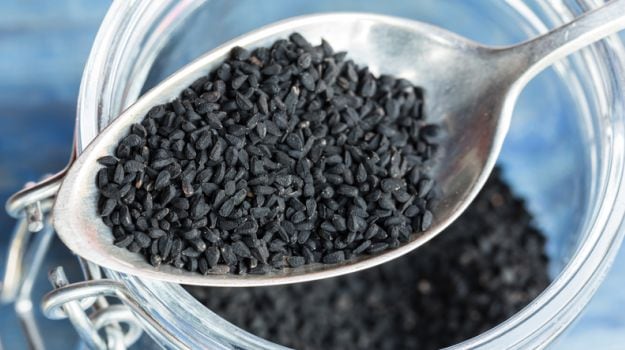
The kalonji, or Nigella seeds, is an interesting spice – when used for tempering, it adds a beautiful aroma to the dishes, and a hint of flavor that you can’t quite nail. In India, dry roasted kalonji is used for flavoring curries, dal, stir-fried vegetables, and even savories such as samosa, papdis and kachori among others.

Flavour and aroma aside, the tiny black seed comes with a whole lot of health benefits. It’s loaded with trace elements, vitamins, crystalline nigellone, amino acids, saponin, crude fiber, proteins and fatty acids like linolenic and oleic acids, volatile oils, alkaloids, iron, sodium, potassium and calcium. It keeps your heart healthy, addresses breathing problem, lubricates your joints, and is known to have anti-carcinogenic properties. That’s quite a lot for a seed that size, isn’t it? In fact, if you keep a bottle of kalonji oil at home, you can use them for plenty of things to boost your health and take care of niggling problems. Let’s take a look at some of them:


1. Fights Acne

Sweet lime juice and kalonji oil together can fix many skin problems. For every cup of sweet lime juice, you’ll need about half a teaspoon of kalonji oil. Apply the oil twice a day on your face and watch your blemishes and acne disappear. If you keep pure kalonji oil handy, you can use it to treat cracked heels as well.

skin tone


2. Keeps a Check on Diabetes

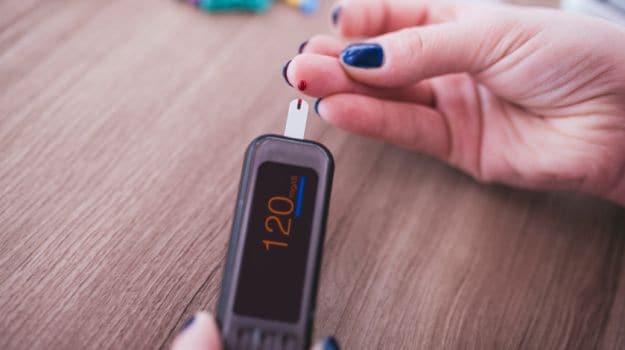
This is probably one of the most known benefits of kalonji. If you already have diabetes, kalonji oil can also help to manage it. Take half a teaspoon of the oil in a cup of black tea every morning, and see the difference in a few weeks.
diabetes

3. Increases Memory and Alleviates Asthma

Ground kalonji seeds with a little bit of honey is known to boost memory. And if you mix this in warm water and drink, it also helps in alleviating breathing trouble (asthma included) in children and adults alike. But you need to do this is for at least 45 days, and avoid cold beverages and food during the period. 

memory

4. Gets Rid of Headaches

One of the most common urban problems in today’s time is headaches. Instead of popping a pill, rub kalonji oil on your forehead, relax, and wait for your headache to disappear. Nothing like natural home remedies!
headache

5. Aids Weight Loss

The warm water, honey, and lemon combination is often recommended for those who are on a diet. Now add a pinch of powdered kalonji seeds to this mix and see how it works. Many health enthusiasts have claimed that kalonji seeds is a miracle ingredient which helps in shedding those extra kilos.weight loss

6. Eases Joint Pain

It’s an old-school treatment; take a handful of kalonji seeds, and heat it well with mustard oil. Once the oil is smoking, take it off the flame and cool it down for a bit. The oil is ready when you can dip the tip of a finger into the oil without feeling uncomfortable. Now use this oil to massage the inflamed joint.
joint pain

7. Controls Blood Pressure

For those who suffer from or have the tendency of high blood pressure can drink half a teaspoon of kalonji oil with warm water to keep hypertension under control. It is of course advised to follow a proper diet along with it.
blood pressure
8. Protects the Kidney
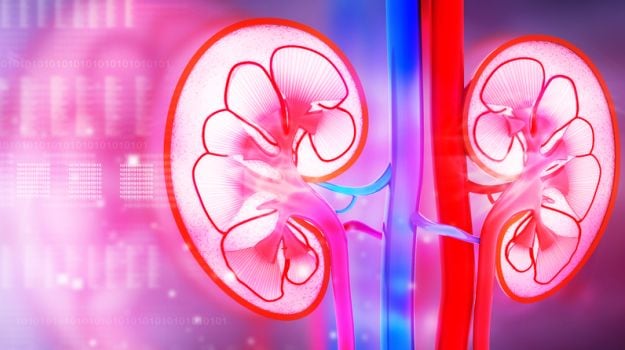
Kidney stones are a common urban problem. It is said that half a teaspoon of kalonji oil had with two teaspoons of honey and warm water can aid in getting rid of kidney pain, stones and infections. But you also need to consult a doctor to get a proper diet.
kidney

9. Makes Teeth Stronger

Did you know that kalonji has been used traditionally to take care of dental trouble such as swelling or bleeding of gums, and weak teeth? Of course you need to see a dentist, but you can also massage your teeth with curd and some kalonji oil twice a day to strengthen your gums.
teeth
 10. Strengthens Immunity
Kalonji oil, honey and warm water have more than one benefit. Apart from the ones already mentioned, it can also help to strengthen your immunity if consumed daily. If you add kalonji oil in boiling water and inhale the fumes, it can also reduce nasal congestion, and help those who suffer from sinusitis problems.
healthy woman

Quick Facts

  • When you’re buying nigella seeds, remember to check the pack carefully; the seeds are jet black and shouldn’t look stale.
  • Storing nigella is important. Always store it in a dry place and make sure it doesn’t come in contact with moisture.
  • Don’t buy large quantities of kalonji. 100 grams can take you a long way, so buy in smaller portions. This will prevent the seed from losing its aroma and benefits by sitting on the shelf for too long.

Disclaimer:

The opinions expressed within this article are the personal opinions of the author. Cymantra  is not responsible for the accuracy, completeness, suitability, or validity of any information on this article. All information is provided on an as-is basis. The information, facts or opinions appearing in the article do not reflect the views of Cymantra and Cymantra does not assume any responsibility or liability for the same.

This Author has found another health benefit of Kalonji Seeds. Suffering from intense heartburn for many years and trying all the standard remedies to no avail, I find that Kalonji seeds boiled and drank as a strong black tea almost alleviates my heartburn. Who’d have thought that this little black seed could provide so much pain relief from a otherwise daily occurrence.

Cymantra Admin


Original Article

Priya Chakraborty September 09, 2016

The Oil that Can Cure Migraines, Anxiety, Depressions, and Even Cancer

Frankincense oil is the King of Oils

Frankincense oil is known as the King of Oils – and it truly deserves this title. I use it daily to promote my health and if I ever had to choose just one oil to have, it would be frankincense. Frankincense has a long history of being used as a prized and precious essential oil. Historically it was used by the Babylonians, Assyrians and Egyptians in religious ceremonies, and as a resin for balms and salves. And of course, the three wise men brought frankincense to the baby Jesus as an offering.

Frankincense is taken from Boswellias when it is extracted from the bark of the tree. The milky-white sap will quickly harden to a resin and then be scraped off the tree in the form of pear-shaped droplets. The color and quality of this resin varies greatly, from the highest quality (clear and silvery in color) to the lowest (of a brown-yellow hue).

Today, the essential oil, acquired by steam distillation of the resin, is widely used and holds great therapeutic value.

The following uses of Frankincense are based upon my own personal experience.

1. Help with wounds from cuts, scrapes, and burns.  For even greater benefit, apply Lavender essential oil first then layer Frankincense on top.  The combination of these two oils together is amazing when it comes to helping with wounds. (where to find) 

2. Neurological support.

Frankincense is probably the best oil I know of for neurological support. It helps with the function of the central nervous system in particular. Whether it’s helping with clarity of thinking, or balancing the emotions, frankincense has a lot of benefits to offer.

3. Reduce and fade scars.  Just combine 2-3 drops of frankincense oil with coconut oil, and directly apply it on your skin.

4. Foster strong immune system.  Massage a few drops into the balls of your feet daily to boost your immune system. You can also diffuse it throughout your home or in your bedroom at night.

5. Reduce stress and anxious feelings.

Frankincense oil promotes relaxation and feeling of calm. You can simply rub a few drops mixed in a carrier oil on the back of the neck when you feel stressed.

6. Hormones and Memory

Frankincense can help balance hormones and improve memory.

7. Aging skin.   Mix a few drops of the Frankincense with unscented oil (like coconut) and apply to your skin. You can also add a drop of Frank to your daily moisturizer.

8. Head tension.  Frankincense can be used to relieve conditions where pain and tension are present.

9. Congestion.  Put up to six drops in a sink or bowl filled with very hot water then bend over the sink with a towel draped over your head to contain the steam. Breathe in the vapors for at least five minutes, adding more hot water as needed.  Be careful not to scald yourself; the water should be hot, not boiling.

10. Relieve itching.  A single drop applied to the affected area will bring immediate relief.

11. Relieve joint pain and swelling.  Mix with a carrier and rub into aching joints at night before bed and throughout the day,

12. Clear up problem skin.  Dab one drop on stubborn spots morning and night.

13. Relaxation.  Add 5 or 6 drops to a diffuser and breath in the oil to open the senses and create a calming atmosphere. To elevate your mood a few drops – as a perfume – works well.

14. Remove moles, skin tags, and warts.  Apply a single drop 3 or 4 times a day until gone.

15. Enhance vision.  Put 1-2 drops of Frankincense in your hand and then  rub your index finger in the oil and rub it onto each of your temple.  It can provide greater clarity to your vision and bring everything into greater focus.

16. Remove musty odors.  Place a couple of drops in a small dish of water and the room will take on a much fresher smell.

17. Oral Health: Useful as preventative measure against oral health problems such as bad breath, toothaches, cavities, canker sores, and other infections. Try mixing with baking soda and coconut oil to make your own toothpaste.

18. Promote sleep  Diffuse frankincense at bedtime to help you slow down your breathing and relieve nervous tension and anxiety.  You will sleep like a baby!

19. Enhance the efficacy of other essential oils.   Layer Frankincense over other essential oil to enhance that oil’s properties and drive the oils deeper into the cells.

July 14, 2016 by

Just One Boiled Egg, (Maybe two) Can it help fight Type 2 Diabetes?


An an ever increasing toxic environment, we are all striving to ensure our bodies are in the best health they can be. Maintaining a Healthy diet and exercise routine is hard when trying to fit it round a busy lifestyle.

 
Preventable diseases are on the rise and many of us will at some point suffer from an illness due to our lifestyle choices or because of the toxic environment we live in.
 
One of the main health epidemics at the moment is the rise of type 2 diabetes. Unlike its counterpart, type 2 diabetes is totally preventable in most cases, and can be managed by changes in lifestyle and in some cases can be totally reversed.


Type 1 diabetes cannot be cured, but type 2 can, and with a few changes in your lifestyle you can quite easily reduce your risk of getting this illness.

Taking more exercise and cutting down on sugar and fatty foods is the best way to control your blood sugar, but there is another helpful thing you can do for your body. This simple step can be done every day to better regulate your blood sugar and to fight off type 2 diabetes.

Preparation

Take an egg and boil in the afternoon. Peel it, and using a fork, pierce it a couple of times. Then, place the egg in a big bowl, and then add vinegar, leaving it like this to stand overnight.

The following morning, consume the egg combining it with a glass of warm water.

Do this every day, and your blood sugar levels will be considerably reduced.

No need to hesitate, act now and start improving your health condition and reducing the high blood sugar levels.

Garlic – Protecting you Against Brain Cancer

Colloildal Silver, Benefits & Side Effects

colloidal-silver-is-it-safe-cr

If you haven’t heard of colloidal silver, you will soon enough if you’re on the lookout for alternative therapies to common health issues, such as a sinus infection or a cold.

Most health food stores and pharmacies stock several brands of colloidal silver, and, of course, you can find a find a vast amount of information about colloidal silver benefits on the Internet. Unfortunately, the information out there is confusing as many sources have conflicting opinions.

On one hand, you’ll run across thousands of personal testimonials about colloidal silver helping people with practically every disease you’ve heard about. You will also stumble upon some well-known health sites that warn consumers about safety concerns. (1) Usually, these sources quote a statement made by the FDA in 1999 claiming that there is no scientific evidence to support the use of colloidal silver. (2)

This type of information can confuse even the most savvy natural health enthusiast, which is why I want to lend a helping hand and provide some evidenced-based information to help you make an informed choice.


How Colloidal Silver Benefits Work 

According to a report written by Richard Davies and Samuel Etris of The Silver Institute in a 1996, there are three primary ways that colloidal silver can help heal the body: (3)

  1. Catalytic Oxidation: Silver naturally holds onto oxygen molecules, which readily react with the sulfhydral (H) groups that surround bacterial and viruses. In turn, this helps block the life-preserving cellular process known as cellular respiration, which is defined as “the set of metabolic reactions and processes that take place in the cells of organisms to convert biochemical energy from nutrients into adenosine triphosphate (ATP), and then release waste products.” (4)
  2. Reaction with Bacterial Cell Membranes: Silver ions can attach to bacteria cell membranes directly and produce the same respiration-blocking effect.
  3. Binding with DNA: Shown to literally enter bacteria DNA, up to 12% of silver has been detected in Pseudomonas aeruginosa. According to one source, “While it remains unclear exactly how the silver binds to the DNA without destroying the hydrogen bonds holding the lattice together, it nevertheless prevents the DNA from unwinding, an essential step for cellular replication to occur.” (5)

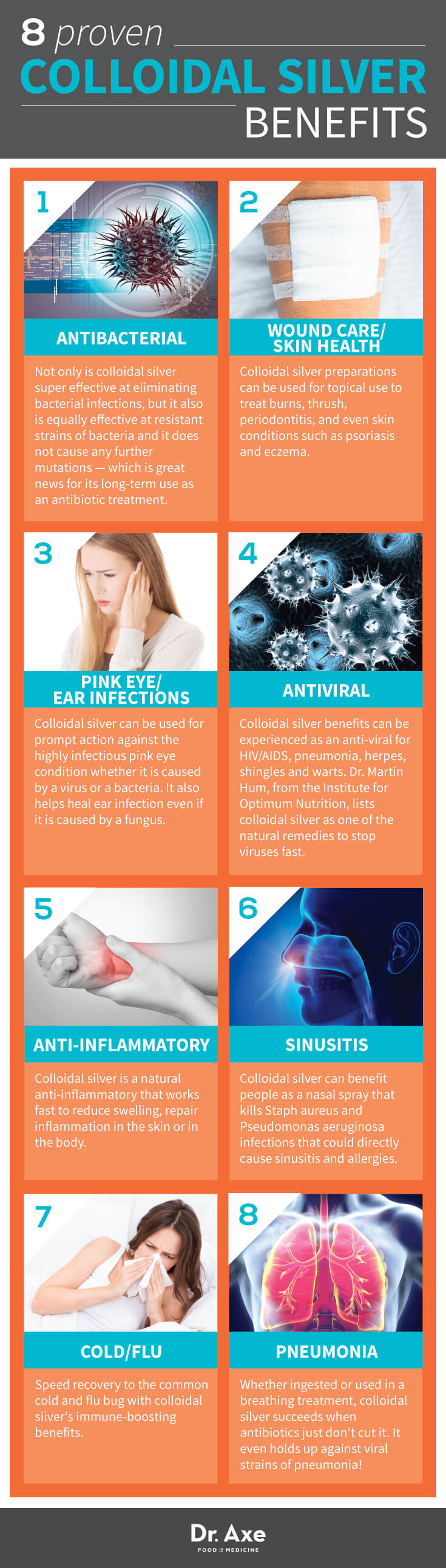
Top 8 Proven Colloidal Silver Benefits 

By having a direct effect on cellular respiration, colloidal silver benefits the body in numerous ways. There are, however, eight proven healing properties that I consider to be particularly supported by the medical literature.

1. Antibacterialbacteria in the body

First, colloidal silver’s ability to control antibiotic-resistant superbugs is astonishing. While employed at UCLA Medical School in the 1980s, Larry C. Ford, MD, documented over 650 different disease-causing pathogens that were destroyed in minutes when exposed to small amounts of silver. (6)

Colloidal silver, unlike its modern prescription antibiotic counterpart, simply doesn’t create resistance or immunity in the organisms that are killed by it. This point cannot be emphasized enough, especially in light of the Centers for Disease Control and Prevention (CDC) recently reporting that more than 2 million people in the U.S. suffer illness every year as a result of antibiotic-resistant infections and 23,000 die from these infections. (7)


Injured Knee With Bandage, wound care

2. Wound Care/Skin Health

Robert O. Becker, MD, says that colloidal silver stimulates healing in the skin and other soft tissues. (8) In a research article produced by Pharmacognosy Communications in 2012, it was specifically recommended that certain colloidal silver preparations should be considered for topical use to treat burns, thrush, periodontitis and other conditions. (9)

For instance, you can treat ringworm (Tinea capitis) at home with colloidal silver because it’s a potent anti-fungal. Caused by a fungus that lives on the top layer of the skin, ringworm presents as round, scaly patches. It’s contagious and spread by skin contact and by contaminated materials, such as clothing.

Colloidal silver benefits many skins conditions such as psoriasis and eczema as well. It’s soothing to scrapes and even repairs tissue damage from burns.


3. Pink Eye/Ear Infections Human ear closeup

Pink eye is an inflamed mucous membrane that covers the eyeball and eyelid lining, and it’s primarily caused by a bacterial or viral infection. Colloidal silver can be used for prompt action against this irritating and highly infectious virus and bacteria.

When applied on the infected eye, the tiny silver colloids pick up the infected cells by attracting them electromagnetically and sending them into the bloodstream to be eliminated.

Our modern prescription antibiotic drugs are designed to work against specific classes of bacteria, but ear infections may be caused by multiple classes of bacteria or can even be fungal.

In this case, the prescription antibiotic will be useless, whereas colloidal silver is effective regardless of what may be causing your infection.


4. Antiviral

Colloidal silver benefits can be experienced as an anti-viral for HIV/AIDS, pneumonia, herpes, shingles and warts. Dr. Martin Hum, from the Institute for Optimum Nutrition, lists colloidal silver as one of the natural remedies to stop viruses fast. (10)

Colloidal silver suffocates the virus and can even reduce the activity of the HIV virus in AIDS patients. There are also numerous anecdotal accounts of colloidal silver’s efficacy against the hepatitis C virus.


5. Anti-Inflammatory

Colloidal silver is also a fantastic anti-inflammatory remedy. Case in point: Researchers at the National Institutes of Health (NIH) studied the effects of inflammation after being treated by colloidal silver; they found that the inflamed skin of pigs treated with silver experienced near-normal skin after 72 hours, while other treatment groups not treated with silver remained inflamed. (11)

Research is beginning to reflect what many people have already known anecdotally for years — that colloidal silver can reduce swelling, speed healing, and boosts cell recovery!


woman with sinusitis, head cold

6. Sinusitis

Widely used to control sinus infections, colloidal silver can benefit people as a nasal spray, according to a study published in the International Forum for Allergy and Rhinology last year. (14)

Specifically shown to kill Staph aureus, you can add a few drops of silver in a “neti pot” or by applying directly into your nasal cavity and letting it drain down your throat by tilting your head back.

Also, it’s important to point out that recent research indicates that hidden infections by pathogens could be a cause of respiratory inflammation associated with common allergies and asthma. Colloidal silver destroys Pseudomonas aeruginosa infections, which may be the reason why airborne allergy sufferers often find such dramatic relief from colloidal silver.


7. Cold/Flu

Some claim that colloidal silver helps prevent all types of flu, including swine flu, as well as the common cold. (15)

Few studies have been done to test this clinically, but in 2011 the NIH took 100 children under the age of 12 suffering from the common cold and nasal congestion and assigned them into two groups; the first group was treated with a solution of colloidal silver and beta glucan, and the second group with saline solution. Even though both groups benefited from the treatment, 90% of the people in the colloidal silver group completely recovered! (16)


8. Pneumonia Human Respiratory System

Our modern drugs have become limited in their efficacy when it comes to fighting bronchitis or pneumonia. Typically, antibiotics are administered as the first line of defense, but when the pneumonia is viral, antibiotics won’t help in the least. The nice thing about colloidal silver is that it can help regardless of the pathogen.

Colloidal silver is a remarkable product to help fight against bronchitis and pneumonia when ingested internally, but an even more effective way to utilize it? Simply breathe it into your lungs.

This way, the silver directly contacts the germs residing in the lungs, which are causing bronchitis or pneumonia. It’s basically the same thing as using respiratory support, and it works speedily, clearing it up within a couple of days.

Now, the most effective method to get the colloidal silver into the lungs is to use a nebulizer. Generally, use one teaspoon approximately three times a day for 10 to 15 minutes.

Proven Colloidal Silver Health Benefits Infographic chart

What is Colloidal Silver?Dime

Before the invention of the refrigerator, it was common practice to drop a silver coin into a container of milk as a preservative because silver was known to prevent the growth of algae, bacteria and other undesirable organisms.

Dating back to ancient times, silver was also a popular remedy to stop the spread of diseases. Its use as a natural antibiotic continued all the way until the 1940s, when modern antibiotics arrived.

Today, obviously, people don’t need to drop silver coins into their water to experience colloidal silver benefits! All you need to do is carefully take a few drops from a bottle that you buy at the store, which is:

A solution of water containing nanometre sized particles of suspended silver. The total silver content is expressed as milligrams of silver per litre (mg/L) of water which is numerically the same as parts per million (ppm). The total silver content is divided into two forms of silver: ionic silver and silver particles. (3)

There are basically three types of products that are marketed as “colloidal silver” and these can be categorized as:

  • Ionic silver solutions
  • Silver protein
  • True colloidal silver

Ionic silver – 

Ionic silver solutions are products whose silver content primarily consists of silver ions. Although ionic silver is often marketed as colloidal silver, it’s not true colloidal silver. Because it’s the least expensive to produce, ionic silver is the most popular product in this category. The problem? It simply won’t produce the same benefits that true colloidal silver can.

Silver Protein – 

In order to keep large silver particles suspended, silver protein-based products add gelatin. Silver protein is the second-most popular type of colloidal silver product on the market and can easily be made by adding water to silver protein powder. Again, it’s also often marketed and labeled as colloidal silver, but should not be confused for the real thing. Silver protein is less effective for human use, and you won’t experience the true colloidal silver benefits.

True Colloidal Silver – 

Lastly, true silver colloids don’t contain any protein or other additives, as the vast majority of the silver content consists of nanometre-sized silver particles. (4)


Colloidal Silver Side Effects

Although the National Center for Complimentary and Integrative Health reports that colloidal silver may cause poor absorption of some drugs, there is limited research proving that side effects to colloidal silver use even exist. (17)

Nonetheless, you may come across many warnings about it causing an irreversible condition called argyria (when people turn blue). However, this is caused by misuse not of true colloidal silver, but through other cheaper products marketed as colloidal silver, such as ionic silver or silver protein.

One point to consider is that, because colloidal silver is such a potent antibacterial agent, you should be sure to supplement with probiotics during use to be sure that you maintain a proper balance of microflora.


Colloidal Dosage & Usebottle of essential oil
Colloidal silver needs to be applied differently for each condition. To experience colloidal silver benefits, it may be taken as follows, always keeping in mind to never use it for more than 14 days in a row.

  • 2-5 drops applied directly to the skin
  • 1 eyedropper taken orally for immune support
  • 1-2 drops into eyes for pink eye
  • 1-2 drops can help disinfect any wound or sore by applying onto a Band-Aid
  • If prepared properly, it can be injected into a muscle, a cancerous tumor, or into the bloodstream
  • 5 drops added into a neti pot or directly sprayed into the nose
  • 5-10 drops can be applied vaginally or anally (18)

Colloidal silver is a mineral. Despite promoters’ claims, silver has no known function in the body and is not an essential mineral supplement. Colloidal silver products were once available as over-the-counter drug products, but in 1999, the U.S. Food and Drug Administration (FDA) ruled that these colloidal silver products were not considered safe or effective. Colloidal silver products marketed for medical purposes or promoted for unproven uses are now considered “misbranded” under the law without appropriate FDA approval as a new drug. There are currently no FDA-approved over-the-counter or prescription drugs containing silver that are taken by mouth. However, there are still colloidal silver products being sold as homeopathic remedies and dietary supplements.

There are many Internet ads for the parts of a generator that produces colloidal silver at home. People who produce colloidal silver at home will likely not be able to evaluate their product for purity or strength. There are many products that are far safer and more effective than colloidal silver.

Despite these concerns about safety and effectiveness, people still buy colloidal silver as a dietary supplement and use it for a wide range of ailments. Colloidal silver is used to treat infections due to yeast; bacteria (tuberculosis, Lyme disease, bubonic plague, pneumonia, leprosy, gonorrhea, syphilis, scarlet fever, stomach ulcers, cholera); parasites (ringworm, malaria); and viruses (HIV/AIDS, pneumonia, herpes, shingles, warts).

Colloidal silver is also used for lung conditions including emphysema and bronchitis; skin conditions including rosacea, cradle cap (atopic dermatitis), eczema, impetigo, and psoriasis; and inflammation (sometimes due to infection) of the bladder (cystitis), prostate (prostatitis), colon (colitis), nose (rhinitis), stomach (gastritis), tonsils (tonsillitis), appendix (appendicitis), and sinuses (sinusitis).

Other uses include treatment of cancer, diabetes, arthritis, lupus, chronic fatigue syndrome, leukemia, hay fever and other allergies, trench foot, and gum disease.

Colloidal silver is also used to prevent flu, H1N1 (swine) flu, and the common cold.

Some women take colloidal silver during pregnancy to aid the baby’s growth and health as well as the mother’s delivery and recovery.

Colloidal silver is applied directly to the skin for acne, burns, eye infections, fungal infections, throat infections, skin infections, and Staphylococcus infections.

How does it work?

Colloidal silver can kill certain germs by binding to and destroying proteins.


Possibly Ineffective for:

Eye infections. Some research shows that using colloidal silver eye drops in both eyes shortly after birth does not help prevent certain eye infections in newborns. Other research shows that applying a colloidal silver solution to the eye surface of people undergoing eye surgery does not prevent infections as well as applying povidone-iodine solution.


Insufficient Evidence for:

  • Ear infections
  • Emphysema
  • Bronchitis
  • Fungal infections
  • Lyme disease
  • Rosacea
  • Sinus infections
  • Stomach ulcers
  • Yeast infections
  • Chronic fatigue syndrome
  • HIV/AIDS
  • Tuberculosis
  • Food poisoning
  • Gum disease.
  • Digestion.
  • Preventing flu and colds.
  • Other conditions.

Colloidal silver is LIKELY UNSAFE when taken by mouth, applied to the skin, or injected intravenously (by IV). The silver in colloidal silver products gets deposited in vital organs such as the skin, liver, spleen, kidney, muscle, and brain. This can lead to an irreversible bluish skin discoloration that first appears in the gums. It can also stimulate melanin production in skin, and areas exposed to the sun will become increasingly discolored.

Special Precautions & Warnings:

Pregnancy and breast-feeding: Colloidal silver is LIKELY UNSAFE when taken by mouth, applied to the skin or injected intravenously (by IV). Increased silver levels in pregnant women have been linked to abnormal development of the ear, face, and neck in their babies. Colloidal silver supplements can also lead to silver accumulation in the body, which can lead to an irreversible bluish skin discoloration known as argyria. Silver can also be deposited in vital organs, where it does serious damage.


Moderate Interaction

Be cautious with this combination

  • Antibiotics (Quinolone antibiotics) interacts with COLLOIDAL SILVER
    Colloidal silver might decrease how much antibiotic the body absorbs. Taking colloidal silver along with antibiotics might decrease the effectiveness of some antibiotics.Some antibiotics that might interact with colloidal silver include ciprofloxacin (Cipro), enoxacin (Penetrex), norfloxacin (Chibroxin, Noroxin), sparfloxacin (Zagam), trovafloxacin (Trovan), and grepafloxacin (Raxar).
  • Antibiotics (Tetracycline antibiotics) interacts with COLLOIDAL SILVER
    Colloidal silver might decrease how much tetracycline antibiotics the body can absorb. Taking colloidal silver with tetracycline antibiotics might decrease the effectiveness of tetracycline antibiotics. To avoid this interaction take colloidal silver two hours before or four hours after taking tetracyclines.Some tetracyclines include demeclocycline (Declomycin), minocycline (Minocin), and tetracycline (Achromycin).
  • Levothyroxine interacts with COLLOIDAL SILVER
    Colloidal silver might decrease how much levothyroxine the body absorbs. Taking levothyroxine along with colloidal silver might decrease the effectiveness of thyroxine.
  • Penicillamine (Cuprimine, Depen) interacts with COLLOIDAL SILVER
    Penicillamine is used for Wilson’s disease and rheumatoid arthritis. Colloidal silver might decrease how much penicillamine your body absorbs and decrease the effectiveness of penicillamine.

Dosing

The appropriate dose of colloidal silver depends on several factors such as the user’s age, health, and several other conditions. At this time there is not enough scientific information to determine an appropriate range of doses for colloidal silver. Keep in mind that natural products are not always necessarily safe and dosages can be important. Be sure to follow relevant directions on product labels and consult your pharmacist or physician or other healthcare professional before using.

What are the side effects of colloidal silver?

Quick Answer

The primary side effect of colloidal silver is argyria, which is an irreversible formation of gray and blue spots on the skin, states Healthline. Other side effects include kidney damage, seizures, liver disease and vision problems.

Continue Reading

Full Answer

Although manufacturers of colloidal silver claim that this product boosts the immune system, treats cancer, and fights bacteria and viruses, the Food and Drug Administration does not recommend its use for any health condition, stresses Healthline. As of 2015, the purpose of colloidal silver in the body is not known, but it can build up in the body, interfering with medications such as penicillamine, thyroxine, tetracycline and quinolone antibiotics, advises Mayo Clinic.

The Benefits of Kelp

kelp

You already know to eat your daily servings of vegetables, but when is the last time you gave any thought to your sea vegetables? Kelp, a type of seaweed, is chock full of good-for-you nutrients that can benefit your health and possibly even prevent disease.

Already a staple in many Asian cuisines, this type of sea algae is a natural source of essential vitamins, minerals, and antioxidants.

What Is Kelp?

You may have seen this marine plant at the beach. Kelp is a type of large brown seaweed that grows in shallow, nutrient-rich saltwater, near coastal fronts around the world. It differs slightly in color, flavor, and nutrient profile from the type you may see in sushi rolls.

world map of where kelp is found

Kelp also produces a compound called sodium alginate. This is used as a thickener in many foods you may eat, including ice cream and salad dressing. But you can eat natural kelp in many different forms, including:

  • raw
  • cooked
  • powdered
  • in supplements

Nutritional Benefits

Because it absorbs the nutrients from its surrounding marine environment, kelp is rich in:

  • vitamins
  • minerals
  • trace elements
  • enzymes

According to nutritionist Vanessa Stasio Costa, M.S., R.D.N., C.D.N., kelp “is often considered a ‘superfood’ due to its significant mineral content. It’s especially concentrated in iodine, which is important for optimal thyroid function and metabolism.”

The National Institutes of Health (NIH) say that seaweed such as kelp is one of the best natural food sources of iodine, an essential component in thyroid hormone production. A deficiency in iodine leads to metabolism disruption and can also lead to an enlargement of the thyroid gland known as goiter.

But beware of too much iodine. Overconsumption can create health issues, too. The key is to get a moderate amount to raise energy levels and brain functioning. It is difficult to get too much iodine in natural kelp but this could be an issue with supplements.

Calling All Calcium
Did you know that kelp has more calcium than vegetables like kale and collard greens?

Stasio Costa also notes that kelp contains notable amounts of:

  • iron
  • manganese
  • calcium
  • magnesium
  • copper
  • zinc
  • riboflavin
  • niacin
  • thiamin
  • vitamins A, B-12, B-6, and C

The benefits of these vitamins and nutrients are substantial. B vitamins in particular are essential for cellular metabolism and providing your body with energy. According to UCSF Medical Center, kelp has more calcium than many vegetables, including kale and collard greens. Calcium is important to maintain strong bones and optimal muscle function.

Disease-Fighting Abilities

Kelp is often considered a ‘superfood’ due to its significant mineral content.
Vanessa Stasio Costa, M.S., R.D.N., C.D.N.

Since inflammation and stress are considered risk factors for many chronic diseases, Stasio Costa says including kelp in one’s diet could have numerous health benefits. Kelp is naturally high in antioxidants, including carotenoids, flavonoids, and alkaloids, which help to fight against disease-causing free radicals.

Antioxidant vitamins like vitamin C, and minerals like manganese and zinc, help to combat oxidative stress and may offer benefits to cardiovascular health. There have been many claims regarding kelp’s abilities to fight chronic disease, including cancer.

Recent studies have explored the role of sea vegetables in estrogen-related and colon cancers, osteoarthritis, and other conditions. Researchers found that kelp can slow the spread of colon and breast cancers. A compound found in kelp called fucoidan may also prevent the spread of lung cancer and prostate cancer. This doesn’t mean that kelp should be used to cure any diseases or be considered a guaranteed protection against disease.

Weight Loss Claims

In recent years, researchers have looked into kelp’s potential fat blocking properties. Because kelp contains a natural fiber called alginate, studies suggest that it may halt the absorption of fat in the gut. A study published in Food Chemistry found that alginate could help block fat absorption in the intestines by 75 percent. In order to reap the benefits of alginate, the research team plans to add the thickening compound to common foods such as yogurt and bread.

Sea Real Results!
Alginate, a natural fiber found in kelp, can help block fat absorption in the stomach by 75 percent.

Kelp may have great potential for diabetes and obesity, although research is still preliminary. A study published in the journal Diabetes, Obesity and Metabolism found that a compound in the chloroplasts of brown seaweed called fucoxanthin may promote weight loss in obese patients when combined with pomegranate oil. Studies also suggest that brown seaweed may influence glycemic control and reduce blood glucose levels, benefitting people with type 2 diabetes.

In addition to its potential to slow down fat absorption in the gut, kelp is low in fat and calories.

How to Eat Kelp

Thankfully, you don’t need to go diving in the ocean to reap the benefits. Kelp is available in a variety of forms.

Bacon Seaweed
Love the nutritional benefits of seaweed, but can’t stand the taste? Scientists from Oregon State University have developed a new strain of seaweed that tastes like bacon when it’s cooked, yet retains all of the nutrients of seaweed.

Nutritionist Lisa Moskovitz, R.D., C.D.N., C.P.T., recommends that you try to eat your nutrients, versus taking them in supplement form. She suggests including kelp in a balanced diet with plenty of vegetables, from both the land and sea. Kelp can be one small part of a broader healthy diet that includes a variety of unprocessed, nutrient-dense foods.

Moskovitz says that one of the easiest ways to incorporate kelp into your diet is to add an organic, dried variety into soups. You could also use raw kelp noodles in salads and main dishes or add some dried kelp flakes as seasoning. It is usually found in Japanese or Korean restaurants or grocery stores and can be enjoyed cold with oil and sesame seeds, hot in a soup or stew, or even blended into a vegetable juice.

ways to eat kelp

Too Much of the Good Stuff?

Health advisers warn that ingesting concentrated amounts of kelp can introduce excessive amounts of iodine to the body. This can overstimulate the thyroid and cause harm. There are significant health risks to consuming excessive iodine. It’s important to only eat kelp in moderation, and it should be avoided by those suffering from hyperthyroidism.

Nutritionist Stasio Costa notes that because kelp and other sea vegetables take up minerals from the waters they inhabit, they can also absorb dangerous heavy metals such as arsenic, cadmium, and lead. She recommends seeking out certified organic versions of sea vegetables and to look for packages that mention that the product has been tested for arsenic.

Always consult a health professional before beginning any supplementation regimen.

by Kristin Buettner

Magnesium deficiency, the signs and the remedy

magnesium-deficiency-effects


Signs of magnesium deficiency are everywhere in the United States and Canada, if you know what to look for. Unfortunately, the symptoms are so incredibly common that they constantly slip under the radar! Hardly anyone, especially doctors, notice that the ailments we suffer from on a daily basis are actually magnesium deficiency symptoms… and we’re all paying for it.
Just about every single person you come into contact with – especially those with a health problem, but even those with only minor complaints – are suffering in some way from this nationwide deficiency. Including you!

What Exactly Is Magnesium?

Magnesium is life. It is the 4th most abundant mineral in the body, right next to sulfur (which is JUST as important).

Along with being a mineral, magnesium is also an electrolyte. “Sports drinks” (aka sugar-filled scams) claim to contain electrolytes such as magnesium, potassium, and sodium because we sweat away these important nutrients during exercise, and their deficiency is what leads to the common problems athletes face, such as muscle cramping! But believe me – electrolytes (especially magnesium) do so much more than treat and prevent muscle cramps.

First off, electrolytes are what allow us to be living, electrical beings. They are responsible for all electrical activity (and thus brain conductivity) in the body. Without electrolytes like magnesium, muscles can’t fire, your heart cannot beat, and your brain doesn’t receive any signals. We need magnesium to stay alive, point blank. As soon as we don’t have enough of it, we start to lose the energy and conductivity that keeps us going. Technically, as soon as we become deficient, we slowly begin to die, getting more aches and pains day by day, feeling worse year after year. I can’t stress it enough… signs of magnesium deficiency are everywhere, if you just look.

Magnesium is a cofactor in over three hundred reactions in the body, necessary for transmission of nerve impulses, temperature regulations, detoxification in the liver, and formation of bones and teeth. However, magnesium shows its true power in cardiovascular health. The Weston A. Price foundation writes, “Magnesium alone can fulfill the role of many common cardiac medications: magnesium inhibits blood clots (like aspirin), thins the blood (like Coumadin), blocks calcium uptake (like calcium channel-blocking durgs such as Procardia) and relaxes blood vessels (like ACE inhibitors such as Vasotec) (Pelton, 2001).”

Nearly EVERYONE has signs of magnesium deficiency but we don’t realize it…

Symptoms include:

  • Constipation
  • High blood pressure (Hypertension)
  • Anxiety
  • Depression
  • Insomnia
  • Behavioral disturbances
  • Lethargy
  • Impaired memory/thinking
  • Seizures
  • Fatigue
  • Sleep disturbances
  • Pain
  • Muscle cramps
  • Chronic back pain
  • Headaches
  • Migraines
  • Muscular pain
  • Tendonitis
  • Anger
  • Aggression
  • ADHD
  • Brain fog
  • Tension
  • Anxiety disorders such as OCD

“Similarly, patients with diagnoses of depression, epilepsy, diabetes mellitus, tremor, Parkinsonism, arrhythmias, circulatory disturbances (stroke, cardiac infarction, arteriosclerosis), hypertension, migraine, cluster headache, cramps, neuro-vegetative disorders, abdominal pain, osteoporosis, asthma, stress dependent disorders, tinnitus, ataxia, confusion, preeclampsia, weakness, might also be consequences of the magnesium deficiency syndrome.”

Amazingly, the article referenced above even mentions neuro-vegetative disorders as a possible result of magnesium deficiency. This would include comas. Stress hormone production requires high levels of magnesium and stressful experiences can immediately lead to complete depletion of magnesium stores; could this be a contributing factor to why we see comas after traumatic accidents/injuries? As I mentioned above, magnesium is an electrolyte responsible for brain signals and conductivity. Without magnesium, people in comas may not be able to come to and resume conductivity. Many people with diabetes also fall into diabetic comas. Diabetes is listed as another possible consequence of magnesium deficiency. Could this be a factor in diabetic comas as well? Something to think about and research further!

symptoms-of-magnesium-deficiency

Cravings

Do you crave chocolate? Why, when people are stressed out, do they go for chocolate? Chocolate is one of the highest food sources of magnesium.

Magnesium is associated with so many disorders that Dr. Carolyn Dean of the Nutritional Magnesium Association has devoted an entire book to discussing how she has treated thousands of patients for a wide array of diseases, with magnesium as the primary component. Her book, The Magnesium Miracle, is a must-read if you have any of the magnesium deficiency symptoms above, or any health problems in general – as there is likely a magnesium component to everything. Check out 50 Studies Suggest That Magnesium Deficiency Is Killing Us.


Why Don’t Doctors Find Magnesium Deficiencies In Tests?

Unfortunately, conventional medicine has not woken up to the amount of research that has been done on magnesium deficiency.

One of the reasons Western Medicine is so off base with magnesium is how they test it: with blood tests.

Blood tests do not yield ANY information about magnesium… why? Because the body controls the levels of blood magnesium very tightly. If the magnesium in the blood drops just a little bit, you’re going to have a heart attack. It’s that sample. So to prevent this, the body will rob all of its cells, tissues, and bones of magnesium in order to keep the blood levels constant. If you do a blood test for magnesium, the cells could be completely empty while your blood levels remain constant.

What’s worse is that magnesium is not even in your blood. 99% of the magnesium in the body is stored in the cells that get robbed, while a mere 1% of your body’s total magnesium is in the blood. These tests are a complete waste of time, and they’re not educating doctors to this reality.

“A serum test for magnesium is actually worse than ineffective, because a test result that is within normal limits lends a false sense of security about the status of the mineral in the body. It also explains why doctors don’t recognize magnesium deficiency; they assume serum magnesium levels are an accurate measure of all the magnesium in the body.” – Dr. Carolyn Dean, The Magnesium Miracle.


Why Are We So Deficient?

Here’s the short(ish) version: Number one, we’re being poisoned by our food. Number two, we’re increasingly stressed out. We’re running our engines on high to keep up with life and it’s draining us. Stress hormone production requires high levels of magnesium and stressful experiences lead to depletion of magnesium stores. Number three, we’re eating more sugar than ever. For every molecule of sugar we consume, our bodies use 54 molecules of magnesium to process it. Fourth, low levels in the soil and modern farming techniques deplete stores of magnesium. And lastly, magnesium is depleted by many pharmaceutical drugs and estrogen compounds such as oral contraceptives, antibiotics, cortisone, prednisone, and blood pressure medications (“Drug-induced nutrient depletion handbook,” Pelton, 2001). Diuretics in coffee and tea (caffeine) also raise excretion levels. Oh and by the way – flouride competes for absorption with magnesium!

Nowadays, nearly everyone is magnesium deficient – no test needed. Refined/processed foods are stripped of their mineral, vitamin, and fiber content. These are anti-nutrient foods because they actually steal magnesium in order to be metabolized. When consumed, they demand that we supplement with magnesium or we are destined to break down eventually due to severe deficiency. Like I said, sugar is the worst offender. Every single molecule of sugar you consume drags over 50 times the amount of magnesium out of your body.

Well, what if you eat a healthy diet? Processed products are not the only foods that are devoid of magnesium. In general, magnesium has been depleted from topsoil, diminishing dietary intake across the board while our need for magnesium has increased, due to the high levels of toxic exposure we come across in our daily lives (air, water, plastics, chemicals, the list goes on!). The soil is depleted of magnesium because of the pesticides that are sprayed on all conventionally grown plants and worldwide pollution that affects even the cleanest fields. Pesticides also kill those beneficial bacteria/fungi that are necessary in order for plants to convert soil nutrients into plant nutrients usable by humans.


Are You A Cannabis User?

Cannabis has so many positive effects in terms of treating diseases such as epilepsy, cancer, and more (read 1, 2, 3 and cureyourowncancer.org). Trust me, I’ll be the first to tell you I’m all for it – it’s a safe and effective herb with countless therapeutic benefits that the government has been hiding for years. The only way they want you using it is if they’ve patented one of its’ chemical compounds and can sell it to you for a profit.

However, we should also look at what happens to our body on a cellular level if we use cannabis on a daily basis. Would you take parasite cleansing herbs every day for the rest of your life, or even every few days? Probably not. You’d take them when you’re sick or during a monthly cleanse, or else you’d develop some side effects from overuse. We need to remember that cannabis is a powerful herbal medicine and should be treated in such a way.

It turns out that using marijuana tends to deplete the body’s stores of magnesium, with the result that the person feels more on-edge after coming down from the high.

Of course, that doesn’t mean that it isn’t safe in moderation. It means that over time, if used consistently without proper balance via magnesium replenishment, it can and will cause magnesium deficiency.


The Best Ways To Get Magnesium

1. Eat magnesium rich foods grown on organic soil.mag-2Bcollage

2. Take ionic magnesium drops. This is my new favorite method, which I’ve learned from The Magnesium Miracle.

3. Apply magnesium oil to your skin! This is the second best way to raise your levels.

4. Soak in Epsom salt baths. This will provide not only magnesium, but sulfur for your liver as well.

Additional References (not linked in the article)

Oxford Journals – Magnesium Basics: http://ckj.oxfordjournals.org/content/5/Suppl_1/i3.full

Dr. Carolyn Dean, MD: http://drcarolyndean.com/magnesium_miracle/

Source: http://collective-evolution.com


by ORGANIC OLIVIA


Cayenne Health Benefits


cayenne pepper health
What if there was a common household spice that could rebuild the gut wall to improve digestion, destroy cancer cells, stop a heart attack in its tracks and was useful for weight loss? I’m assuming you’d want to know more about it, right?

The hot fruit of the cayenne plant (“capsicum annuum”) has been used as a superb culinary spice for centuries and may be the most valuable medicinal herb in the entire plant kingdom for many of the reasons mentioned above!

High in vitamins A, C, B complex, calcium and potassium, studies have shown that cayenne can rebuild the tissue in the stomach and the peristaltic action in the intestines. Moreover, cayenne acts as a catalyst and increases the effectiveness of other herbs and alternative cancer treatments.

Have you ever gone after the chips and salsa with gusto and then felt flushed while your nose started to run a little bit? Cayenne warms the body and stimulates the release of mucus from the respiratory passages. If you’ve ever eaten a fresh hot pepper, you know it clears the sinuses and causes sweating.

Cayenne peppers raise the body temperature as it stimulates circulation and blood flow to the skin. Herbs that promote fever and sweating are considered to have a diaphoretic (sweat-inducing) action which helps reduce fever and relieves the congestion of colds and sinusitis.

The Science Behind Cayenne Pepper & Cancer

The active ingredient in cayenne is called capsaicin and in 2004, Dr. Sanjay K. Srivastava and colleagues (University of Pittsburgh School of Medicine) treated pancreatic cells with capsaicin. They found that it disrupted mitochondrial function and induced apoptosis (programmed cell death) in cancerous cells without affecting normal pancreatic cells!

The results of the study were published in the April 20, 2005, issue of Innovations Report, in which Dr. Srivastava stated: “Our results demonstrate that capsaicin is a potent anticancer agent, induces apoptosis in cancer cells and produces no significant damage to normal pancreatic cells, indicating its potential use as a novel chemotherapeutic agent for pancreatic cancer

In an article published in Reuters on March 16, 2006, entitled, “Hot Pepper Kills Prostate Cancer Cells in Study,” Dr. Soren Lehmann of the Cedars-Sinai Medical Center and the UCLA School of Medicine asserted: “Capsaicin had a profound anti-proliferative effect on human prostate cancer cells in culture. It caused 80% of the prostate cancer cells growing in mice to commit suicide in a process known as apoptosis.” Researchers in Japan have also shown that cayenne pepper can dramatically slow the development of prostate tumors, and is an excellent addition to alternative cancer treatment for this type of cancer.

Cayenne’s Other Uses

For Your Heart

And if cayenne’s cancer-fighting capabilities weren’t enough, its effects upon the venous structure and heart are nothing short of miraculous. Cayenne is incredibly nourishing to the heart and has been known to stop heart attacks within 30 seconds.  If you want something in your first aid kit for a heart attack, carry cayenne tincture.

According to Dr. John R. Christopher, “In 35 years of practice, and working with the people and teaching, I have never on house calls lost one heart attack patient and the reason is, whenever I go in (if they are still breathing) I pour down them a cup of cayenne tea (a teaspoon of cayenne in a cup of hot water) and within minutes they are up and around.”

For Weight Loss

In addition to being a welcome addition, there’s also evidence to suggest that cayenne may be useful in the treatment of obesity. Results of one trial showed that consumption of 10 grams of cayenne pepper with meals helped to reduce appetite, while results of another revealed that cayenne increases the metabolism of dietary fats.

For Infections and Parasites

Lastly, herbalists from centuries past would pour cayenne pepper directly on fresh wounds in order to sterilize and stop bleeding.

Many of us (over 90%) have worms or different parasites in our systems. One simple way to get rid of them is to have a “cayenne drink” daily. Fill up a glass with water or juice and then add 1/4 tsp of cayenne pepper. Stir it up and then “down the hatch.” Yes, it’s a bit spicy, but you’ll get used to it.

As you can see, the amazing curative powers of cayenne are almost mind-boggling. Clearly, it is  a “wonder herb” that has scientifically proven its worth!  According to Dr. Richard Schulze, “If you master only one herb in your life, master cayenne pepper. It is more powerful than any other.”

On a personal note, I take cayenne pepper every day as part of my nutritional regimen and a “preventative” cancer treatment. I also keep a cayenne tincture in the house and in both cars … just in case!

This article was republished with permission from the truth about cancer

Admin – Cymantra  Oct. 2016