Category: Personal Health

Turmeric Is A Potent Inflammation & Cancer Fighter. How Much Turmeric Should You Take & How Often ?

Here’s everything you need to know about the health benefits of turmeric including how to take it, how much to take and how often…

turmeric-roots-and-a-jar-of-turmeric-powder

Historically, spices are treasured for the unique flavors they bring to food and for their healing properties.

Most spices provide some health benefits.

But one spice that shines for its medicinal benefits is turmeric.

You may have seen turmeric in the news as a potential treatment for diseases as diverse as arthritis, cancer, diabetes, heart disease, psoriasis, and Alzheimer’s.

But does this spice live up to its press?

And can you get the benefits of turmeric from food alone or should you take a turmeric supplement?

Turmeric and curcumin are often used interchangeably. What’s the difference between them?

Here’s everything you need to know about the health benefits of turmeric.

Traditional Health Benefits of Turmeric

Turmeric is a spice that comes from the root of Curcuma longa, a beautiful flowering tropical plant native to India.

Turmeric has been used for healing for thousands of years going back to Ayurveda, India’s 5,000-year-old natural healing system. (1)

Cooking residue found on pottery shards shows that people in parts of Asia cooked with turmeric 4,500 years ago. (2)

It is one of several spices used to make curry powder, an essential ingredient in south Asian cuisine.
It’s usually used dry, but the root can also be grated fresh like ginger.

This versatile spice was used traditionally to improve digestion, dissolve gallstones, relieve arthritis, and alleviate symptoms of allergies and colds. (34)

Turmeric + Curcumin Supplements See Amazon.com for best selection and value
It was applied externally for wounds and skin conditions.

It was also used as a beauty treatment. (5)

Soaps and creams containing turmeric are experiencing a surge in popularity today.

Turmeric paste is still applied to the skin of both the bride and groom in a ceremony before marriage in some parts of India, Bangladesh, and Pakistan to beautify skin and as a form of good luck.

The Relationship Between Turmeric and Curcumin

Many websites, even authoritative medical sites, incorrectly use the terms turmeric, curcumin, and even curry powder interchangeably.

This makes it hard to understand the information on turmeric.

Let’s clear up any confusion.

Curry powder is a mix of many spices including the spice turmeric.

Turmeric contains hundreds of compounds, each with its own unique properties.

But of all the compounds in turmeric, curcumin is by far the most promising and is the most widely studied.

Curcumin is not unique to turmeric, it is also found in ginger, another spice with a long history of medicinal use.

You can find many websites that make unrealistic claims about turmeric.

A few natural health websites boldly state that turmeric has been proven beneficial for over 600 ailments.

But the vast majority of studies were done on the isolated compound curcumin, not turmeric.
Turmeric + Curcumin Supplements See Amazon.com for best selection and value
The National Center for Complementary and Integrative Health says this about turmeric studies: “… there is little reliable evidence to support the use of turmeric for any health condition because few clinical trials have been conducted.” (6)

Why would this be?

It’s easier to study a compound like curcumin which can be isolated and standardized and acts more drug-like than spice-like.

But the overriding reason may be that there is little monetary incentive to research a spice that’s already found in millions of kitchens worldwide unless it can be transformed into a substance that can be patented.

Proven Health Benefits of Turmeric

As we’ve seen, the majority of studies have been done on curcumin — not turmeric — and it looks like there aren’t many health conditions this compound won’t help.

Proven health benefits of curcumin include alleviating allergies, breaking up the brain plaques of Alzheimer’s, easing the pain of arthritis, treating depression, controlling diabetes, and decreasing risk of heart attack. (7, 8, 9, 10111213)

But what about turmeric — what is it good for?

So far, turmeric has been found to contain at least 20 compounds that are antibiotic, 14 known cancer preventatives, 12 that are anti-tumor, 12 anti-inflammatory, and at least 10 antioxidants. (14)

Turmeric is considered a potent antioxidant, anti-inflammatory, antibacterial, antiviral, and anticancer agent. (1516)

And studies point to a few specific conditions that turmeric can help.

Turmeric for Alzheimer’s

One of the most exciting benefits of turmeric is that it may prevent Alzheimer’s.

Elderly villagers in India who eat turmeric as a regular part of their diet have the lowest rate of Alzheimer’s in the world. (17)

Over 200 compounds have been identified in turmeric and curcumin is not the only one being studied for Alzheimer’s. (18)

OptiMind A single supplement for better thinking, mental energy, productivity, and mood
Another compound in turmeric, turmerone, stimulates the production of new neurons and seems to encourage the brain to repair itself. (19)

This property could make it a useful treatment for a variety of degenerative brain diseases besides Alzheimer’s, including Parkinson’s, traumatic brain injury, and stroke. (20)

Turmeric for Arthritis

Arthritis and other inflammatory diseases are extremely common.

Over $650 million is spent in the United States every year on natural remedies for treating chronic inflammation.

Turmeric is anti-inflammatory and has been found to be beneficial for arthritis when taken internally and when applied topically. (21)

Turmeric + Curcumin Supplements See Amazon.com for best selection and value
The Arthritis Foundation reports that turmeric can provide long-term improvement in pain and function for those with osteoarthritis.

Their suggested dosage for osteoarthritis is to take one capsule (400-600 mg) three times per day or 0.5-1.0 gram of powdered turmeric root up to 3 grams per day.

Turmeric for Cancer

Curcumin is a promising candidate as a cancer treatment. (22)

It selectively kill tumor cells while leaving normal cells unharmed and works synergistically to increase the effectiveness of both chemotherapy and radiation. (23)

Dr. Saraswati Sukumar is a medical oncologist at the Johns Hopkins University School of Medicine and has been involved in hundreds of studies on the effects of turmeric on cancer. (24)

She has found that eating turmeric prepared in food provides more benefits than taking either curcumin or turmeric supplements. (25)

Turmeric Is Better than Prozac for Depression

Turmeric has impressive antidepressant properties.

In fact it’s been found to be more a more potent antidepressant than fluoxetine, the generic name for Prozac. (26)

It is believed to work by reducing the stress hormone cortisol while increasing serotonin, the neurotransmitter associated with happiness.

This is great news for the millions who have tried antidepressants without success or for those who experience unacceptable side effects (27)

Antidepressant Supplements See Amazon.com for best selection and value
Unlike antidepressant drugs, turmeric either in food or as a supplement can used indefinitely.
It can also be safely combined with other natural remedies for depression such as St. John’s wort and SAM-e. (28)

Enhancing Turmeric Naturally

Unfortunately, turmeric’s main active ingredient curcumin is not very well absorbed.

Unless the right steps are taken, it largely passes through the intestines unutilized.

You can greatly increase absorption by adding black pepper, as is done in curry powder.

Turmeric + Curcumin Supplements See Amazon.com for best selection and value
The compound piperine found in black pepper increases curcumin absorption by a whopping 2,000%. (29)

Since curcumin is fat soluble, its bioavailability is enhanced when turmeric is cooked in oil. (30)

Again, tradition has this covered.

Indian cuisine liberally uses peanut, sesame and coconut oil, and butter-derived ghee. (31)

Turmeric Tea

Turmeric tea is a great compromise between to trying to get enough turmeric into your daily diet and taking supplements.

Boiling turmeric in water for 10 minutes increases the solubility of curcumin up to 12 times. (32)

The people of Okinawa, Japan are the longest-lived in the world, with an average life span of 81.2 years.

And they drink large amounts of turmeric tea. (33)

To make basic turmeric tea, put 1/2 teaspoon of turmeric powder in 1 cup of water and simmer for 10 minutes.

Strain if needed and serve.

If you actually enjoy it, you’re in luck because not everyone is crazy about it.

It’s very bitter and medicinal-tasting.

I’ve been experimenting to find a recipe that’s both healthy and delicious.

Turmeric Tea See Amazon.com for best selection and value
This recipe is tasty and assures maximum bioavailability by both heating and adding coconut oil, a top brain-healthy fat.

Liquid Gold Turmeric Tea

  • 1/2 cup water
  • 1/2 teaspoon turmeric powder
  • 1/2 cup coconut milk
  • 1 tablespoon coconut oil
  • Honey or stevia to taste

Bring water to a boil. Add turmeric powder and simmer gently for 10 minutes.
Add coconut milk and coconut oil. Heat until warmed through.
Sweeten with honey or stevia to taste.

Feel free to experiment with the ingredients and proportions to create the brew that is just right for you.

You can substitute almond milk or regular milk for coconut milk, as long as it contains some fat.
Ghee, traditional clarified Indian butter, works great instead of coconut oil and adds a rich buttery flavor.

Turmeric Dosage

Most of us in Western countries are familiar only with the turmeric found in the dried spice section at the grocery store.

But you can buy turmeric root in some produce sections — it looks a lot like ginger, a plant cousin that’s another source of curcumin.

According to the University of Maryland’s Complementary and Alternative Medicine Guide, here are suggested turmeric dosages for adults:

  • Cut root: 1.5-3 grams per day
  • Dried, powdered root: 1-3 grams per day
  • Fluid extract (1:1): 30-90 drops per day
  • Tincture (1:2): 15-30 drops, 4 times per day

Their recommended curcumin dosage for a standardized powder supplement is 400-600 mg, 3 times per day.

Turmeric + Curcumin Supplements See Amazon.com for best selection and value
Look for products standardized for 95% curcuminoids that also contain piperine or black pepper extract.

When unsure, follow the dosage instructions on labels. (34)

Turmeric Supplement Side Effects

Turmeric consumed as a spice in food is considered safe.

There are almost no known turmeric side effects except for an increased risk of kidney stones in those susceptible. (35)

But I was somewhat surprised to learn that turmeric supplements carry a large number of possible side effects, interactions, and warnings.

While clearly turmeric and curcumin are not identical, their respective side effects and reactions are treated as one on sites like Drugs.com, RXlist.com, and the National Institutes of Health’s MedLine.
All three sites were in agreement that you should not take either curcumin or turmeric supplements if:

  • You are pregnant. Curcumin stimulates the uterus and raises the risk of a miscarriage. The safety of this spice while breastfeeding has not been established.
  • You are trying to conceive. If you are having trouble conceiving, turmeric could add to your difficulties.
  • You have a hormone-sensitive condition. Turmeric can act like estrogen so should be avoided if you have reproductive cancer, endometriosis, or uterine fibroids.
  • You have gallstones or gallbladder disease. Turmeric can make gallbladder problems worse.
  • You are scheduled for surgery in the next two weeks. Turmeric increases the risk of bleeding.
  • You take medications that slow clotting such as aspirin, clopidogrel, diclofenac, ibuprofen, naproxen, and warfarin. Turmeric increases the risk of bruising and bleeding.
  • You have GERD, ulcers, or other stomach problems. Turmeric can make GERD worse and cause gastric irritation, stomach upset, nausea, and diarrhea.
  • You take drugs to reduce stomach acid. Turmeric can interfere with the actions of medications like Zantac, Tagamet, and Nexium, increasing the production of stomach acid. (36)
  • You take diabetes medication. Turmeric increases the risk of hypoglycemia (low blood sugar).
  • You have an iron deficiency. Turmeric can prevent the absorption of iron.

Turmeric + Curcumin Supplements See Amazon.com for best selection and value
According to Drugs.com, 70 drugs interact adversely with turmeric and curcumin supplements.
You can find a complete list of turmeric interactions here.

Turmeric Benefits: The Bottom Line

Turmeric is a traditional healing spice with a long history of safe and effective use.
While there are turmeric capsules and turmeric tinctures available, their bioavailability is questionable.

They are also significantly more likely to cause side effects than cooking with turmeric which has no downside.

Some experts believe that the liberal use of turmeric in cooking is all you need to get therapeutic amounts.

We agree that it’s prudent to start first with turmeric in food and tea for that sweet spot of maximum benefits with virtually no risk of side effects.

And if you don’t get the results you want, you can try turmeric supplements.

If that still doesn’t bring the relief you’re looking for, then you can try curcumin supplements, staying mindful of interactions and side effects.

12 Things That Happen To Your Body When You Eat Eggs

Eggs might just be the easiest, cheapest and most versatile way to up your protein intake.
Beyond easily upping your daily protein count— each 85-calorie eggs packs a solid 7 grams of the muscle-builder—eggs also boost your health. They’re loaded with amino acids, antioxidants and iron. Don’t just reach for the whites, though; the yolks boast a fat-fighting nutrient called choline, so opting for whole eggs can actually help you trim down.
When you’re shopping for eggs, pay attention to the labels. You should be buying organic, when possible. These are certified by the USDA and are free from antibiotics, vaccines and hormones. As for color, that’s your call. The difference in color just varies based on the type of chicken—they both have the same nutritional value, says Molly Morgan, RD, a board certified sports specialist dietician based in upstate New York. Here are 12 incredible effects the mighty egg can have on the human body.

1. YOU’LL REDUCE YOUR RISK OF HEART DISEASE

LDL cholesterol became known as “bad” cholesterol because LDL particles transport their fat molecules into artery walls, and drive atherosclerosis — basically, gumming up of the arteries. (HDL particles, by contrast, can removefat molecules from artery walls.) But not all LDL particles are made equal, and there are various subtypes that differ in size. Bigger is definitely better — many studies have shown that people who have predominantly small, dense LDL particles have a higher risk of heart disease than people who have mostly large LDL particles. Here’s the beauty part: Even if eggs tend to raise LDL cholesterol in some people, studies show that the LDL particles change from small and dense to large, slashing the risk of cardiovascular problems.

2. YOU’LL BOOST Y IMMUNE SYSTEM

If you don’t want to play chicken with infections, viruses and diseases, add an egg or two to your diet daily. Just one large egg contains almost a quarter (22%) of your RDA of selenium, a nutrient that helps support your immune system and regulate thyroid hormones. Kids should eat eggs, especially. If children and adolescents don’t get enough selenium, they could develop Keshan disease and Kashin-Beck disease, two conditions that can affect the heart, bones and joints.

3.YOU’LL IMPROVE YOUR CHOLESTEROL PROFILE
There are three ideas about cholesterol that practically everyone knows: 1) High cholesterol is a bad thing; 2) There are good and bad kinds of cholesterol; 3) Eggs contain plenty of it. Doctors are generally most concerned with the ratio of “good” cholesterol (HDL) to bad cholesterol (LDL). One large egg contains 212 mg of cholesterol, but this doesn’t mean that eggs will raise the “bad” kind in the blood. The body constantly produces cholesterol on its own, and a large body of evidence indicates that eggs can actually improve your cholesterol profile. How? Eggs seem to raise HDL (good) cholesterol while increasing the size of LDL particles.

4.YOU’LL HAVE MORE GET-UP-AND-GO
Just one egg contains about 15% of your RDA of vitamin B2, also called riboflavin. It’s just one of eight B vitamins, which all help the body to convert food into fuel, which in turn is used to produce energy. Eggs are just one of the25 Best Foods for a Toned Body!

5.YOUR SKIN AND HAIR WILL IMPROVE
B-complex vitamins are also necessary for healthy skin, hair, eyes, and liver. (In addition to vitamin B2, eggs are also rich in B5 and B12.) They also help to ensure the proper function of the nervous system. For more foods full of B vitamins, click here for this list of the essential 40 Best Foods for Muscle and Strength!

6.YOU’LL FEEL FULLER AND EAT LESS
Eggs are such a good source of quality protein that all other sources of protein are measured against them. (Eggs get a perfect score of 100.) Many studies have demonstrated the effect of high-protein foods on appetite. Simply put, they take the edge off. You might not be surprised to learn that eggs score high on a scale called the Satiety Index, a measure of how much foods contribute to the feeling of fullness.


7.YOU’LL LOSE FAT
Largely because of their satiating power, eggs have been linked with fat loss. A study on this produced some remarkable results: Over an eight-week period, people ate a breakfast of either eggs or bagels, which contained the same amount of calories. The egg group lost 65% more body weight, 16% more body fat, experienced a 61% greater reduction in BMI and saw a 34% greater reduction in waist circumference!


8.YOU’LL PROTECT YOUR BRAIN
Eggs are brain food. That’s largely because of an essential nutrient calledcholine. It’s a component of cell membranes and is required to synthesize acetylcholine, a neurotransmitter. Studies have shown that a lack of choline has been linked to neurological disorders and decreased cognitive function. Shockingly, more than 90% of Americans eat less than the daily recommended amount of choline, according to a U.S. dietary survey.

9.YOU’LL SAVE YOUR LIFE

Among the lesser-known amazing things the body can do: It can make 11 essential amino acids, which are necessary to sustain life. Thing is, there are 20 essential amino acids that your body needs. Guess where the other 9 can be found? That’s right. A lack of those 9 amino acids can lead to muscle wasting, decreased immune response, weakness, fatigue, and changes to the texture of your skin and hair.

10.YOU’LL HAVE LESS STRESS AND ANXIETY

If you’re deficient in the 9 amino acids that can be found in an egg, it can have mental effects. A 2004 study published in Proceedings of the National Academy of Sciences described how supplementing a population’s diet with lysine significantly reduced anxiety and stress levels, possibly by modulating serotonin in the nervous system. For more relaxing foods, check out these 20 Foods That Keep You Slim for Life!

11.YOU’LL PROTECT YOUR PEEPERS

Two antioxidants found in eggs — lutein and zeaxanthin — have powerful protective effects on the eyes. You won’t find them in a carton of Egg Beaters — they only exist in the yolk. The antioxidants significantly reduce the risk of macular degeneration and cataracts, which are among the leading causes of vision impairment and blindness in the elderly. In a study published in theAmerican Journal of Clinical Nutrition, participants who ate 1.3 egg yolks per day for four-and-a-half weeks saw increased blood levels of zeaxanthin by 114-142% and lutein by 28-50%!

12.YOU’LL IMPROVE YOUR BONES AND TEETH

Eggs are one of the few natural sources of Vitamin D, which is important for the health and strength of bones and teeth. It does this primarily by aiding the absorption of calcium. (Calcium, incidentally, is important for a healthy heart, colon and metabolism.)


Essential Oils That Stop Cancer In Its Tracks

essential oil cancerEven scientists now recognize the power agents that exist within some essential oils which stops cancer spreading, and which induces cancerous cells to close themselves down. Their disease-preventing ability is no longer doubted, especially for cancer.  A healthy body, from head to foot, typically has a frequency ranging from 62 to 78 MHz, while disease begins at 58Hz. During some testing with frequency and the frequency of essential oils it was measured that: Holding a cup of coffee dropped one man’s frequency from 66 Hz to 58 MHz in just 3 seconds. It took three days for his frequency to return to normal.

Other studies show that: Negative thoughts lower our frequency on average 12 MHz. Positive thoughts raises our frequency on average 10 MHz.

Studying some of the most popular essential oils in current use, such as mint, ginger, lemon, grapefruit, jasmine, lavender, chamomile, thyme, rose, and cinnamon, researchers sought out to discover how these oils may combat cancer. They did so by testing antibacterial potency as well as in vitro toxicology against human cancer cell lines.

Bruce Tanio, of Tainio Technology and head of the Department of Agriculture at Eastern Washington University, has developed a Calibrated Frequency Monitor (CFM) that has been used to measure the frequencies of essential oils and their effect on human frequencies when applied to the body. Essential Oils laboratory uses a CFM, and another is located at Johns Hopkins University where it is used to study frequency in relationship to disease.

“Cancer starts when the DNA code within the cell’s nucleus becomes corrupted,” says Immunologist Mahmoud Suhail. It seems some essential oils have a re-set function. It can tell the cell what the right DNA code should be.

Must Be Therapeutic Grade

There are plenty of essential oils being sold, however most are of poor quality, synthetically produced and diluted with alcohol and other additives. To be effective only 100% pure therapeutic grade quality essential oils must be used, otherwise you will not obtain the health benefits and in addition you need to change the combination every week with the right proportions of each of the oils.

Robert O. Becker, M.D., the author of the book, The Body Electric validates that the human body has an electrical frequency and that much about a person’s health can be determined by it. Nikola Tesla said that if you could eliminate certain outside frequencies that interfered in our bodies, we would have greater resistance toward disease. Dr. Otto Warburg was a two-time Nobel Laureate and winner of the Nobel Prize for cancer research, for discovering that human cells have an electrical voltage.

Beyond a doubt, certain frequencies can prevent the development of disease and other frequencies would destroy diseases. Substances of higher frequency will destroy diseases of lower frequency.

Therapeutic Grade Essential Oils begin at 52 and go as high as 320 MHz! For example: Rose 320 MHz, Helichrysum 181 MHz, Frankincense 147 MHz, Ravensara 134 MHz, Lavender 118 MHz, Myrrh 105 MHz, German Camomile 105 MHz, Juniper 98 MHz, Sandalwood 96 MHz, Angelica 85 MHz, Peppermint 78 MHz


Many Healing Abilities

Breast cancer cells are mostly destroyed by cinnamon, thyme, chamomile and jasmine oils, with chamomile killing up to 93% of them in vitro. Even more effective was thyme oil, which led to a 97% kill rate of the MCF-7 breast cancer cells.

Another study published in the journal Industrial Crops and Products found that chamomile oil harnesses powerful antioxidant properties. The research, evaluating 11 essential oils including lavender, thyme, winter savory, rosemary, sage, peppermint, French tarragon, bitter, and sweet fennel, found Roman chamomile to have the highest antioxidant activity.


Frankincense Oil – A Cancer Killer

“Frankincense separates the ‘brain’ of the cancerous cell – the nucleus – from the ‘body’ – the cytoplasm, and closes down the nucleus to stop it reproducing corrupted DNA codes,” says Suhail.

Frankincense oil is effective because it contains monoterpenes, compounds which have the ability to help eradicate cancerous cells at the onset of their development, as well as their progression stages, making it ideal for those who discover their cancer regardless of when it’s found.

Working with frankincense could revolutionise the treatment of cancer. Currently, with chemotherapy, doctors blast the area around a tumour to kill the cancer, but that also kills healthy cells, and weakens the patient. Treatment with frankincense could eradicate the cancerous cells alone and let the others live.

“There are 17 active agents in frankincense essential oil,” says Dr Suhail

Powerful stories of individuals with cancer and degenerative diseases and their experiences with using essential oils have been promoted at the budwig center.

Terminal liver cancer A woman in Long Beach, said her husband was told to put his affairs in order. His liver cancer had progressed so much so that the tumors were far too large for surgical removal. He was given six months to live. She was introduced to the power of 100% pure frankincense oil shortly following the diagnosis. He applied it topically over his liver and under his tongue daily. On their next visit with his physician, they discovered his tumors were miraculously shrinking. They continued using frankincense. In April, his tumors had shrunk so much so that his physician agreed to surgery. The cancer was removed, taking 3/4 of his liver. Today, he is in good health and enjoying life with his beautiful wife and family.
Five year old with brain cancer
A five year old with brain cancer used just one drop of frankincense , alternated with one drop of sandalwood applied to the bottom of her feet, along with lavender applied to her wrist helped. Now totally in perfect health..!!


Bladder Cancer
When Jackie Hogan was diagnosed with a rare bladder cancer, she was informed by doctors that she’d eventually need to have her bladder removed. She discovered the healing abilities of frankincense oil, which University of Oklahoma researchers have found, especially in conjunction with sandalwood oil, has properties that kill off cancer cells. So effective is the frankincense oil that experts say, “Frankincense essential oil may represent a candidate on a growing list of natural compounds selectively eradicating cancer cells.”

Lung Stage 4 – metastasis to bones, spine, ribs, hips, pelvis
Bebe’s mom had malignant tumors in her lungs, and it spread to her spine, her bones, her ribs, her shoulders, her hips and her pelvis. After starting do the essential oils, four months later, she was thriving and her diseases cells were rapidly dying. She was back home and gardening and planning on going on vacation. Seven months after being told by the doctors that she was would die from her stage 4, the doctors say that she in good health and no more cancer. Bebe recommends: Frankincense : take liberally every 2-3 hours, both topically over affected areas and the bottom of the feet. If you can put numerous drops under the tongue, even better.

Bone Marrow Degeneration
Ellen was diagnosed with bone marrow degeneration and polyscithemiarubravera. “After 3 months my blood tests are showing massive improvements placing most markers into the normal range! I have not had to do 2 of the last 3 phlebotomies that I was having every 2 weeks and are now every month or longer! I am feeling like a million dollars and no longer look like I am at death’s door! Do these oils and have faith that this will work. It does.”

Breast Cancer
I used frankincense to shrink a breast tumor. When I went for surgery, they couldn’t find any trace of cancer! I had a breast tumors in Feb. and just had it removed and am doing the oils. I put frankincense and lemongrass on my breast every day and herbal supplements. I had my 6 month check up last month and he said everything looked great. No more cancer! For me I will never do chemo or radiation the side effects are way to bad. He was very surprised I looked so good cause I didn’t have the treatments.

Cervical Cancer
My good friend just called to tell me that she found out that her sister’s cervical cancer came back for the 2nd time. She was scheduled today to have her uterus removed. When she found out, she sent her sister wintergreen and frankincense. She instructed her mother to make sure she applied the wintergreen and frankincense on the bottoms of feet every 3 to 4 hours for the pain along with applying directly on her abdomen.. A week ago, the diseased cells were still showing up in her blood work. Today [less than a month after first starting the oils] was her surgery to remove her uterus removed and they couldn’t find any cancer.

Leukemia
My brother’s son, who had a second reoccurrence of leukemia…was taking essential oils as well as the chemo & went into remission much quicker than the doctor had advised, and didn’t have any of the nasty side-effects.

Throat
My mom’s dear friend has been battling throat degeneration that was spreading to other areas of his body. Last October, he started using the oils! Frankincense and natural remedies. Today he went from an MRI and he was given a true miracle.

Pancreatic
A friend had pancreatic degeneration and was given 3-4 weeks. He did the following, 3 drops frankincense, 1 drop each lemongrass, lavender, peppermint, sandalwood and natural remedies. He is now in great health…It’s been 8 months now.

Prostate
This morning I got a call from a good friend of ours who has been battling prostate cancer. For the last 3-4 months, he has been taking the essential oils. Today he called to say that at his doctor appointment yesterday, he was told that he is totally clear!

Basal cell
My friends dad had Basal cell growths on his nose. It had gone through the thickness of his nostril and the oncologist wanted to remove a big section of the nostril, down to his upper lip and over a finger width into his cheek, by the time he contacted me. I hadn’t worked with cancer before with the oils and wanted to help as much as possible. He also eliminated sugar from his diet, increased water intake, ate more raw foods and believed he could beat this. Within a couple weeks it appeared closed, another week and the weeping stopped completely and the redness around the area started lightening. After six weeks, that side of his nose looked healthier than the other unaffected side!! That was 15 months ago and he has had no signs of it coming back.

Skin
“I went for a routine eye exam in Feb 2013. The Dr told me the growth over my eye is what I had suspected a form of skin degeneration: basil cell cancer. Yikes! One year prior to that eye exam I was at the Dermatologist office to have a few suspicious spots removed from my face, neck and back. Having gone through that invasive experience lead me to ask is there a safer way to remove this spot (mind you this spot is right above my eye). I did a bit of reading about essential oil use for skin cancer and it seemed less invasive than dermatologist plus I did not have to miss time from work. So I got a bottle of Frankincense and applied it as recommended topically 3 times a day and did 2 drops under my tongue morning and night. The first week no real significant change just a tingling sensation in that area after applying topically and taking it internally. The second week I did notice it getting smaller. During the third week the spot started to ooze a bit but it was getting smaller. The fourth week is when it seemed to IMPLODE on itself and oozed more but still it was getting smaller. The fifth week it was much, much smaller and formed a scab. Week six the scab fell off while washing my face and was the size of a tiny whitehead. In 6 weeks a gigantic spot was reduced to the size of a pin head all from applying and ingesting an essential oil – Frankincense. I was ASTOUNDED, AMAZED & THRILLED!!!! Essential oils worked for me!!!”

Melanoma
I applied frankincense morning and night and covered with a band aid. In 3 days the mole had shrunk. Day 5 it bled a little and half fell off. Day 7, gone! I had a little bit of pink skin and I worried it was a scar. A few days later, totally gone! My husband had a stage 4 malignant melanoma removed last year from his back…another melanoma came up on his nose…before we started using essential oils we did radiation on that one. It has since grown back…and we have since become educated using essential oils. He started using lavender frankincense, and Immortelle on the melanoma and it is SHRINKING!


by JOE BATTAGLIA

Chaga, The Cancer Healer and King of All Herbs

chaga

Birch trees take 15-20 years to reach maturity. During that time, the Chaga mushroom absorbs and concentrates many valuable enzymes, nutrients and healing compounds that are bioavailable to the human body.

Chaga grows primarily in Russia, but also in parts of Japan, Korea, Alaska, Canada and northern Scandinavia. And although Chaga is found on your typical white birch tree, the most potent variation is found on the black birch trees of Siberia.

Superfood is a word hot on everyone’s tongue these days, but right about now, you can’t use that buzz word without mentioning Chaga. It’s known as the “King of Herbs” and a “Gift from God” by many and after seeing it’s jaw-dropping antioxidant value, there’s no doubt why.

Antioxidant value comparison:

  • Chaga – 36,557
  • Acai Berries – 800
  • Goji Berries- 400
  • Blueberries – 24.5

Wild-harvested chaga mushrooms not only have the highest antioxidant levels in the mushroom kingdom, but of any known food known to man (as tested by the USDA and Tufts University in Boston, MA).

When I first saw an image of this polypore fungus, it looked like a giant mole…one with melanoma. And if you know about the ‘Doctrine of Signatures’, it essentially says, if a food looks like a body part, then it can be taken for a healing effect on that part of the body. Like a walnut, for example, bares a striking resemblance to the brain and as we all know, walnuts are high in Omega-3’s (important for proper brain function and health).

Turns out there’s no better treatment for melanoma than Chaga. Approximately 25 percent of the pigments in Chaga are melanin (a really high amount). Melanin is important for the health of the skin and hair with its protective properties and its ability to target free radicals and help with sleep.

Though new to many of us, Chaga has actually been used as a folk remedy for more than (a documented) 4,600 years. The uses for Chaga spans a wide range of health problems including:

  • stomach pain
  • ulcers
  • asthma
  • bronchitis
  • liver problems
  • eczema & psoriasis
  • cancer
  • chronic fatigues syndrome
  • the flu
  • HIV
  • tuberculosis
  • hypertension
  • viral infections
  • cardiovascular disease
  • diabetes.
  • fibromyalgia
  • rheumatoid arthritis
  • stroke
  • Alzheimer’s Disease and more…

Recent studies have shown Chaga to have anti-tumor and antiviral properties, effectiveness against influenza and various cancer cells and is being heavily researched and studied for the treatment of HIV.

The World Trade Organization (WTO) has even classified Chaga as a medicinal mushroom under WTO codes.

Here are some ways Chaga can benefit your health:

  • It’s adaptogenic – brings the body into homeostasis and beneficial for all autoimmune diseases by regulating the immune system.
  • The richest source of the enzyme SOD (superoxide dismutase). This super antioxidant prevents damage to the cell’s DNA. Low tissue levels of SOD correlate with a decline in overall health and a shorter lifespan
  • Provides lots of B-Vitamins and also flavonoids, enzymes, minerals and phenols
  • Contains the highest known antioxidant concentrations of any food
  • Contains an abundance of melanin, an important anti-aging compound that helps skin, balances the body’s bio-rhythms and activates the pineal gland
  • Rich in Zinc – which helps with proper cell growth, differentiation and survival
  • Promotes overall well-being
  • Boosts energy levels & physical stamina
  • Anti-aging properties
  • Anti-fungal & anti-candida
  • Antiviral & Anti-bacterial
  • Anti-Inflammatory
  • Joint health – contains the spongy stuff that’s in your joints – Glucosamine and chondroitin
  • Balances blood sugar levels

To take Chaga you can simply drop a tsp. of Chaga powder in warm liquid (such as your morning chai or hot cocoa) and drink up. It actually has a pleasant taste, no funky bitterness. Traditionally though, the tea is made by simmering Chaga at a low temperature for 6-8 hours. The temperature should not to exceed 140 degrees fahrenheit (staying at a low heat will protect the destruction of proteins, sterols and enzymes). Strain and drink at any temperature you like!

By:
Bess O’Connor  Mon, July 06 2015
You can learn more and buy Chaga at http://chaga.ca

3 Videos Show What Happens When Cannabis Ravages Cancer Cells

THC has been found to destroy cells that have become cancerous. Here is video proof in action.

After the Washington Post released an article in 1974 that stated THC, “slowed the growth of lung cancers, breast cancers and a virus-induced leukemia in laboratory mice, and prolonged their lives by as much as 36%,” the world was remarkedly quiet about it.  It took years, until after the advent of the internet and dissemination of information for the world to buy in.  Also, video footage of the cells in action helps drive the point home: certain strains of THC can kill cancer cells and let normal cells live in peace.  In 1998, a new study, by Madrid Complutense stated that ”THC can cause cancer cells to die, and unlike chemotherapy the THC kills nothing but the cancer cells, leaving the brain of course completely unharmed.”

It is believed that the Delta 9 THC eradicates cancer cells because when it binds and enters the cell membrade, it causes the production of a type of waxy fat called ceramide.  This ceramide cause hydrolysis in the myelin sheath, destroying the cell.

These three videos are a great example, and even some direct footage, of the THC molecule binding to cells and slaying the cancerous ones.

Contribution By Minds.com

4 Reasons to Drink Pomegranate Peel Tea

pp

I love pomegranate, it’s a wonderful fruit to incorporate into your diet because it can help reduce brain inflammation and protect against Alzheimer’s and Parkinson’s.

After extracting the delicious aryls, do you normally throw out the pomegranate peels, right?

So did I, until I discovered their potential to help keep you healthy and happy.

During the late nineties scientists discovered the health benefits from the discarded part of this extremely beneficial fruit.

Chief amongst these discoveries were the substantial benefits you can derive from using pomegranate peels, especially in your digestive system.

So before you start tossing away what might be the best part of pomegranates, here are some key benefits to convince you otherwise.

4 Benefits of Pomegranate Peels

1. They’re a Great Tool to Fight Heart Diseases

Pomegranate peels are loaded with antioxidants. As their name might imply, antioxidants are extremely effective at eliminating oxidation from LDL cholesterol.

If your LDL cholesterol accumulates too much oxidization, it will eventually wreak havoc in your cardiovascular system, leaving you vulnerable to most heart diseases.

When it comes to antioxidants, I’ve felt that you can never get enough, especially if they come from a completely natural source.

 2.They’re Packed with Vitamin C

Vitamin C is an integral part of a healthy holistic diet. Its health benefits cover a lot of areas in your health, ranging from improving your immune system, your cardiovascular system, preventing prenatal health complications, avoiding wrinkles, and reducing your chances of developing ocular diseases.

Pomegranate peels carry enough vitamin c to render vitamin pills or tablets obsolete. This is perfect because we’re trying to base our diet’s needs on completely natural sources.

3.They’re an Effective Form of Detox

Remember the plentiful antioxidants that could help your heart? Well, here’s where they shine again. Pomegranate peels pack enough antioxidants to make them the perfect natural detox you can get your hands on.

If you ever feel the need to detox, be it to keep it in shape or if you feel like you want to spoil yourself, pomegranate peels make the perfect detox tea.

4.They Fine Tune Your Digestive System

Below this you’ll find my recipe for making pomegranate peel tea. This tea’s key strength is its ability to destroy the pathogenic cells that can wreak havoc within your gastrointestinal tract.

This makes it the perfect natural treatment for with multiple digestive diseases and their respective symptoms. They can range from diarrhea, salmonella, bile ulcers, and multiple forms of colitis.

So without further ado, here’s pomegranate peel tea recipe that’s the perfect addition to your healthy diet.

Homemade Pomegranate Peel Tea

Ingredients:

All you’ll really need is one part dried pomegranate peels to twenty parts water. For the purposes of keeping it simple think 10 to 12 grams of dried pomegranate peels paired with 200 milliliters of water.

Instructions:

  1. Place the dried pomegranate peels in an empty glass, preferably the one you’ll be using to drink it.
  2. Boil the 200 milliliters of water.
  3. Add the boiling water to the glass filled with pomegranate peels.
  4. Cover it with a lid and let it sit for 25 minutes.
  5. Do not strain it.
  6. Enjoy!

I’d recommend keeping it covered while you’re sipping it.

Sources:

Amazing Health Benefits of Pomegranate Peels.

http://www.natural–living.com/pomegrante-peel-benefits-recipes-and-more.html

Image Source: Cooking Fox

The Health Benefits of Eating Ginger

ginger

Ginger is in the same plant family (Zingiberacea) that includes the medicinal powerhouse turmeric, and which only recently was proven to be 100% effective in preventing the development of type 2 diabetes in prediabetics, according to a study published in the American Diabetes Association’s own journal Diabetes Care.

In the new ginger study, titled “The effect of ginger consumption of glycemic status, lipid profile and some inflammatory markers in patients with type 2 diabetes mellitus,”[i] 70 type 2 diabetic patients were enrolled in a double-blinded, placebo-controlled clinical trial, the objective of which was to assess the effect of ginger consumption on glycemic status, lipid profile and some common inflammatory markers associated with the condition.

The trial participants were divided randomly into a ginger group and control group, receiving either 1600 mg ginger or a 1600 mg placebo daily for 12 weeks. The patients were measured before and after the intervention for blood sugar levels, blood lipids, C-reactive protein, prostaglandin E2 and tumor necrosis factor alpha (TNFα).

As a result of the intervention, ginger treatment reduced the following parameters significantly compared with the placebo group:
  • Fasting plasma glucose
  • HbA1C (aka glycated hemoglobin) – a measurement of how much damage is being caused by sugars to red blood cells in the body, reflective of body wide damage caused by chronically elevated blood sugar
  • Insulin
  • HOMA (the homeostatic model assessment) – which measures insulin resistance and beta-cell function (the pancreatic cells that produce insulin)
  • Triglycerides
  • Total cholesterol
  • C-reactive protein (CRP) – a marker of inflammation
  • Prostaglandin E2 (PGE2) – a marker of inflammation

No significant differences in HDL, LDL and TNFα between two groups (p > 0.05).

The researchers concluded:

“Ginger improved insulin sensitivity and some fractions of lipid profile, and reduced CRP and PGE2 in type 2 diabetic patients. Therefore ginger can be considered as an effective treatment for prevention of diabetes complications.”

This is, of course, not the first study to establish the value of ginger for diabetes. Simply dropping the two search terms “diabetes” and “ginger” into Pubmed.gov will draw up 63 results. Our database of abstracts on ginger contains a number of gems on its benefit for both type 1 and type 2 diabetes which can be viewed here: Ginger Health Benefits.

Additionally, the research on turmeric (and its primarily polyphenol curcumin) as a diabetes aid is far more plentiful, with 123 results for the search terms “turmeric” and “diabetes,” and 252 for “curcumin” and “diabetes,” on the National Library of Medicine’s Pubmed.gov database. To view our curated research on turmeric’s diabetes benefits (as well as for 600 other disorders), view our page on the topic: Turmeric Health Benefits.

How Much Was Used?

The amount of ginger used in the study amounted to 1.6 grams, which is a non-heroic, ‘culinary’ dose of approximately a quarter of a teaspoon. In the study, participants were given two doses of 800 mg, delivered twice daily, orally through capsules. This dose scheme points to the fact that higher doses does of complex plant extracts within the spice category are not necessarily better, and in fact, in some cases, may actually have effects opposite to the expectation. This study, for instance, found that rosemary at a lower dose (750 mg) improved cognition whereas a higher dose (6,000 mg) interfered with it. The point is that lower doses, as used traditionally in culinary applications, passed down to us through previous generations as ‘recipes’ (literally: ‘medical prescriptions’), may be more effective than higher ones; a perspective that obviously turns conventional pharmacological wisdom and practice on its head. Learn more here.

Other Essential Resources for Type 2 Diabetes

The GreenMedInfo.com database now contains 350 abstracts on 180 natural substances that have been researched to have potential value in the prevention and treatment of type 2 diabetes, and which can be viewed on our Type 2 Diabetes Research page.  The resource also includes Problem Substances (e.g. fructose, BPA), Therapeutic Actions (e.g. yoga, low carb diets) and Problematic Actions (e.g. vaccination, microwave cooking) linked to this condition in the published research. We also have a curated health portal on Blood Sugar Problems (click hyperlink to view) which aggregates both our research sections on type 1 and type 2 diabetes and our reporting on various studies related to these conditions in greater depth.

[i] Tahereh Arablou, Naheed Aryaeian, Majid Valizadeh, Faranak Sharifi, Aghafatemeh Hosseini, Mahmoud Djalali. The effect of ginger consumption on glycemic status, lipid profile and some inflammatory markers in patients with type 2 diabetes mellitus. Int J Food Sci Nutr. 2014 Feb 4. Epub 2014 Feb 4. PMID: 24490949

This article was republished with permission from greenmedinfo.com

Image Source:

whstatic.com

Worried About Clogged Arteries? Drink This!

arteries_clogging-1The future of cardiovascular disease prevention and treatment will not be found in your medicine cabinet, rather in your kitchen cupboard or in your back yard growing on a tree.

Pomegranate Found To Prevent Coronary Artery Disease Progression

A new study published in the journal Atherosclerosis confirms that pomegranate extract may prevent and/or reverse the primary pathology associated with cardiac mortality: the progressive thickening of the coronary arteries caused by the accumulation of fatty materials known as atherosclerosis.

Mice with a genetic susceptibility towards spontaneous coronary artery blockages were given pomegranate extract via their drinking water for two weeks, beginning at three weeks of age. Despite the fact that pomegranate treatment actually increased cholesterol levels associated with very low density lipoprotein-sized particles, the treatment both reduced the size of the atherosclerotic plaques in the aortic sinus (the dilated opening above the aortic valve) and reduced the proportion of coronary arteries with occlusive atherosclerotic plaques.


Remarkably, the researchers also found that pomegranate extract treatment resulted in the following beneficial effects:

  • -Reduced levels of oxidative stress
  • -Reduced monocytie chemotactic protein-1, a chemical messenger (chemokine) associated with inflammatory processes within the arteries.
  • -Reduced lipid accumulation in the heart muscle
  • -Reduced macrophage infiltration in the heart muscle
  • -Reduced levels of monocyte chemotactic protein-1 and fibrosis in the myocardium
  • -Reduced cardiac enlargement
  • -Reduced ECG abnormalities


How can something as benign and commonplace as a fruit extract reverse so many aspects of coronary artery disease, simultaneously, as evidenced by the study above?  The answer may lie in the fact that our ancestors co-evolved with certain foods (fruits in particular) for so long that a lack of adequate quantities of these foods may directly result in deteriorating organ function.  Indeed, two-time Nobel Prize winner Linus Pauling argued that vitamin C deficiency is a fundamental cause of cardiovascular disease, owing to the fact that our hominid primate ancestors once had year-round access to fruits, and as a result lost the ability to synthesize it.  [see Linus Pauling vitamin C lecture on GreenMedTV]


pomegranate_heart_disease

Discussion

This study adds to the already extant body of clinical research indicating that pomegranate can help unclog your arteries.  For instance, back in 2004, the journal Clinical Nutrition published the results of a three year clinical trial in an Israeli population, finding that the daily consumption of pomegranate juice reversed carotid artery stenosis by up to 29% within 1 year.  Remarkably, the blockages in the control group increased 9%, indicating that pomegranate’s artery unblocking effects were even greater than at first apparent.


Pomegranate’s value in cardiovascular disease is quite broad, as evidenced by the following experimentally confirmed properties:

    • Anti-inflammatory: Like many chronic degenerative diseases, inflammation plays a significant role in cardiovascular disease pathogenesis. There are five studies on GreenMedInfo.com indicating pomegranate’santi-inflammatory properties.


    • Blood-Pressure Lowering: Pomegranate juice has natural angiotensin converting enzyme inhibiting properties, and is a nitric oxide enhancer, two well-known pathways for reducing blood pressure.  Finally, pomegranate extract rich in punicalagin has been found reduce the adverse effects of perturbed stress on arterial segments exposed to disturbed flow.


    • Anti-Infective: Plaque buildup in the arteries often involves secondary viral and bacterial infection, including hepatitis C and Chlamydia pneumonia. Pomegranate has a broad range of anti-bacterial and anti-viralproperties.


  • Antioxidant: One of the ways in which blood lipids become heart disease-promoting (atherogenic) is through oxidation. LDL, for instance, may be technically ‘elevated’ but harmless as long as it does not readily oxidize. Pomegranate has been found to reduce the oxidative stress in the blood, as measured by serum paraoxonase levels.  One study in mice found this decrease in oxidative stress was associated with 44% reduction in the size of atherosclerotic lesions.

Source: GreenMedInfo

by Sayer Ji

Got Health Problems? Drink Frankincense Water. Here is How to Make It.

PicMonkey Collage

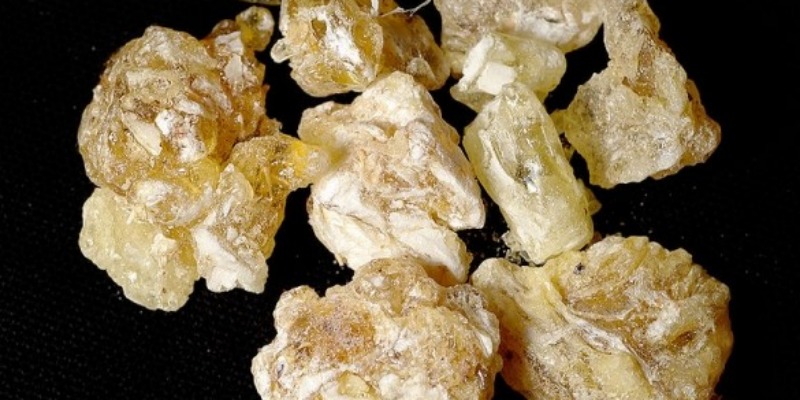
Frankincense water has been a traditional drink in the Middle East for Centuries. People in Oman and Yemen usually soak 4 or 5 pieces of this resin in water overnight and drink the water. According to their doctors, only few people over there have cancer.

Frankincense is a fragrant plant resin that comes from the Boswelllia sacra tree found in Africa and the Arabian peninsula, including Yemen and Oman.  Frankincense possesses analgesic, anti-arthritic, antifungal, anti-inflammatory, antioxidant, antiseptic, astringent, carminative, digestive, diuretic, expectorant, sedative, tonic, vulnerary properties.

Scientists have found that there is some agent within frankincense which helps stop spreading of cancer. It induces cancerous cells to close themselves down. According to the latest studies,

“Cancer starts when the DNA code within the cell’s nucleus becomes corrupted. It seems frankincense has a re-set function. It can tell the cell what the right DNA code should be. “Frankincense separates the ‘brain’ of the cancerous cell – the nucleus – from the ‘body’ – the cytoplasm, and closes down the nucleus to stop it reproducing corrupted DNA codes.”]

Benefits of Frankincense Resin Water

  • Prevents digestive problems
  • Strengthens immune system
  • Works As A Natural Diuretic
  • Strengthens, tones, and lifts the skin, muscles, and internal organs
  • Promotes skin and tissue regeneration
  • Helps the body to read of  toxins
  • Helps with stress relief and inflammation
  • Anti-carcinogenic
  • Eases Fever And Headaches
  • Penetrates the blood-brain barrier
  • Helps with bronchitis
  • Helps relieve sore throats

How to Make Frankincense Water

Ingredients

One bag Frankincense resin (where to find)

One quarter of clean purified water

A one quarter glass jar


Directions

Place Frankincense Resin in the bottom of the jar. Boil Water. Pour water over resin until the jar is full. Cover with a glass plate or towel. Let the water sit overnight.

How to Use it

Drink a few ounces throughout the day.  If it’s your first time drinking the water, make sure to introduce this drink to your body slowly.
Madina-frankincense-1 Lb


Frankincense Essential Oil

One of the oldest known medical records from the sixteenth century B.C., the Ebers Papyrus, mentions frankincense oil. The ancient Egyptians listed the oil on hundreds of prescriptions and recipes.

Frankincense oil is one of the most highly prized essential oils in the world and one of the best oils you can use for your health.  The astringent property of frankincense oil can help strengthen gums, stop the bleeding from wounds and cuts, help with skin health, reverse signs of aging, and reduce the appearance of stretch marks and scars. Frankincense oil can break up phlegm deposits in your respiratory tract and lungs, and can relieve bronchitis-related congestion. It can suppress the production of key inflammatory cells, helping to prevent the breakdown of cartilage tissue in patients with arthritis.


Quality frankincense oil is hard to find.  Make sure you are getting the real oil. This is why I recommend Doterra Essential oils. (where to find)

Reference: http://news.bbc.co.uk/2/hi/middle_east/8505251.stm

http://articles.mercola.com/herbal-oils/frankincense-oil.aspx

4 Surprising Health Benefits of Juicing Raw Marijuana

By Healthy Holistic Living

Did you know that marijuana is a vegetable? Yup – it’s true.

The marijuana plant’s leaves and buds are actually loaded with antioxidant, anti-inflammatory, and anti-cancer compounds. These compounds are known as cannabidiols (CBD) and they make marijuana, cannabis, or whatever you want to call it, a superfood.

Yup – it’s true.

Don’t Get Dazed And Confused

But when heated, all of that goodness evaporates – it goes up in smoke and is blown away. Instead, be blown away by the health benefits of juicing the raw marijuana plant.

When heated the psychoactive compound – tetrahydrocannabinol (THC)  – is released from the plant. Most people don’t want medicine to get “high” though. Our bodies were made to receive cannabidiols and the plant does not need to be heated to get these healing properties.

We have cannabinoid receptors built-in to our bodies. Getting CBD into your body can normalize functional systems like cell communication and immune functions. This means that the systems that make up your body, from cells to organs, will talk to each other better, have a better understanding of what’s going on, and help to clean things up.

Whole Lotta Love

It’s like a good relationship – both people should talk to each other and work with each other to keep the house clean.

And with cannabinoid receptors in our brains and pretty much no other way to get cannabidiol, marijuana seems to be the perfect medicine to ensure our bodies are working at peak performance. Major league sports would disagree.

CBDs bridge the gap of neurotransmission in the central nervous system by providing a two-way system of communication that completes a positive “feedback loop” says Dr. William Courtney, a medical marijuana expert and founder of Cannabis International. This is instead of a one-way transmission which promotes chronic inflammation.

CBDs mimic the body’s natural two-way communications system.

Stairway To Heaven

“The endogenous cannabinoid system acts as a modulator in fine-tuning a lot of these systems, and if something is deranged biochemically in a person’s body, it may well be that a cannabinoid system can bring things back into balance.” – Dr. Ethan Russo, a Seattle area physician, Senior Advisor to GW Pharmaceuticals.

Juicing marijuana ensures you’ll get the healing benefits of the plant without the high. No smoking, no high, and you can ingest higher doses of the drug, which will inevitably have your system running more smoothly and you feeling better. Juicing the plant also offers versatility: you can add other fruits and veggies to make delicious juices and incorporate cannabis into your diet.

Communication Breakdown

Smoking promotes inflammation which leads to infection and potential dysfunction or communication breakdowns in your body. While lots of doctors suggest vaporizing over smoking, most promote edibles over vaporizing. But you still need to heat up the drug to make edibles. That’s why, medically speaking, juicing the plant works best.

4 Health Benefits To Juicing Marijuana

Dr. Courtney and others are working hard to legalize the drug and work it into mainstream diets. They’ve found that using cannabis as a food (instead of a smokeable) it can help prevent, diminish, and fix:

  1. Autoimmune Disorders
  2. Cellular Dysfunction
  3. Chronic Inflammation
  4. Cancer Cells