Author: admin

The Benefits of Kelp

kelp

You already know to eat your daily servings of vegetables, but when is the last time you gave any thought to your sea vegetables? Kelp, a type of seaweed, is chock full of good-for-you nutrients that can benefit your health and possibly even prevent disease.

Already a staple in many Asian cuisines, this type of sea algae is a natural source of essential vitamins, minerals, and antioxidants.

What Is Kelp?

You may have seen this marine plant at the beach. Kelp is a type of large brown seaweed that grows in shallow, nutrient-rich saltwater, near coastal fronts around the world. It differs slightly in color, flavor, and nutrient profile from the type you may see in sushi rolls.

world map of where kelp is found

Kelp also produces a compound called sodium alginate. This is used as a thickener in many foods you may eat, including ice cream and salad dressing. But you can eat natural kelp in many different forms, including:

  • raw
  • cooked
  • powdered
  • in supplements

Nutritional Benefits

Because it absorbs the nutrients from its surrounding marine environment, kelp is rich in:

  • vitamins
  • minerals
  • trace elements
  • enzymes

According to nutritionist Vanessa Stasio Costa, M.S., R.D.N., C.D.N., kelp “is often considered a ‘superfood’ due to its significant mineral content. It’s especially concentrated in iodine, which is important for optimal thyroid function and metabolism.”

The National Institutes of Health (NIH) say that seaweed such as kelp is one of the best natural food sources of iodine, an essential component in thyroid hormone production. A deficiency in iodine leads to metabolism disruption and can also lead to an enlargement of the thyroid gland known as goiter.

But beware of too much iodine. Overconsumption can create health issues, too. The key is to get a moderate amount to raise energy levels and brain functioning. It is difficult to get too much iodine in natural kelp but this could be an issue with supplements.

Calling All Calcium
Did you know that kelp has more calcium than vegetables like kale and collard greens?

Stasio Costa also notes that kelp contains notable amounts of:

  • iron
  • manganese
  • calcium
  • magnesium
  • copper
  • zinc
  • riboflavin
  • niacin
  • thiamin
  • vitamins A, B-12, B-6, and C

The benefits of these vitamins and nutrients are substantial. B vitamins in particular are essential for cellular metabolism and providing your body with energy. According to UCSF Medical Center, kelp has more calcium than many vegetables, including kale and collard greens. Calcium is important to maintain strong bones and optimal muscle function.

Disease-Fighting Abilities

Kelp is often considered a ‘superfood’ due to its significant mineral content.
Vanessa Stasio Costa, M.S., R.D.N., C.D.N.

Since inflammation and stress are considered risk factors for many chronic diseases, Stasio Costa says including kelp in one’s diet could have numerous health benefits. Kelp is naturally high in antioxidants, including carotenoids, flavonoids, and alkaloids, which help to fight against disease-causing free radicals.

Antioxidant vitamins like vitamin C, and minerals like manganese and zinc, help to combat oxidative stress and may offer benefits to cardiovascular health. There have been many claims regarding kelp’s abilities to fight chronic disease, including cancer.

Recent studies have explored the role of sea vegetables in estrogen-related and colon cancers, osteoarthritis, and other conditions. Researchers found that kelp can slow the spread of colon and breast cancers. A compound found in kelp called fucoidan may also prevent the spread of lung cancer and prostate cancer. This doesn’t mean that kelp should be used to cure any diseases or be considered a guaranteed protection against disease.

Weight Loss Claims

In recent years, researchers have looked into kelp’s potential fat blocking properties. Because kelp contains a natural fiber called alginate, studies suggest that it may halt the absorption of fat in the gut. A study published in Food Chemistry found that alginate could help block fat absorption in the intestines by 75 percent. In order to reap the benefits of alginate, the research team plans to add the thickening compound to common foods such as yogurt and bread.

Sea Real Results!
Alginate, a natural fiber found in kelp, can help block fat absorption in the stomach by 75 percent.

Kelp may have great potential for diabetes and obesity, although research is still preliminary. A study published in the journal Diabetes, Obesity and Metabolism found that a compound in the chloroplasts of brown seaweed called fucoxanthin may promote weight loss in obese patients when combined with pomegranate oil. Studies also suggest that brown seaweed may influence glycemic control and reduce blood glucose levels, benefitting people with type 2 diabetes.

In addition to its potential to slow down fat absorption in the gut, kelp is low in fat and calories.

How to Eat Kelp

Thankfully, you don’t need to go diving in the ocean to reap the benefits. Kelp is available in a variety of forms.

Bacon Seaweed
Love the nutritional benefits of seaweed, but can’t stand the taste? Scientists from Oregon State University have developed a new strain of seaweed that tastes like bacon when it’s cooked, yet retains all of the nutrients of seaweed.

Nutritionist Lisa Moskovitz, R.D., C.D.N., C.P.T., recommends that you try to eat your nutrients, versus taking them in supplement form. She suggests including kelp in a balanced diet with plenty of vegetables, from both the land and sea. Kelp can be one small part of a broader healthy diet that includes a variety of unprocessed, nutrient-dense foods.

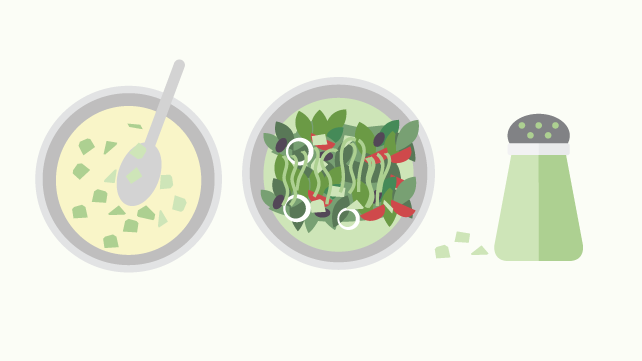
Moskovitz says that one of the easiest ways to incorporate kelp into your diet is to add an organic, dried variety into soups. You could also use raw kelp noodles in salads and main dishes or add some dried kelp flakes as seasoning. It is usually found in Japanese or Korean restaurants or grocery stores and can be enjoyed cold with oil and sesame seeds, hot in a soup or stew, or even blended into a vegetable juice.
ways to eat kelp

Too Much of the Good Stuff?

Health advisers warn that ingesting concentrated amounts of kelp can introduce excessive amounts of iodine to the body. This can overstimulate the thyroid and cause harm. There are significant health risks to consuming excessive iodine. It’s important to only eat kelp in moderation, and it should be avoided by those suffering from hyperthyroidism.

Nutritionist Stasio Costa notes that because kelp and other sea vegetables take up minerals from the waters they inhabit, they can also absorb dangerous heavy metals such as arsenic, cadmium, and lead. She recommends seeking out certified organic versions of sea vegetables and to look for packages that mention that the product has been tested for arsenic.

Always consult a health professional before beginning any supplementation regimen.

by Kristin Buettner

Side Effects of the Information Age

Article Image

Demagogues or rabble rousers have always had a leg up in the political arena. If you can whip up a frenzy of prejudice and ignorance and raise the specter of looming threats or conspiratorial “elites”, while not being particularly beholden to facts, you’ll get a big chunk of the population on your side. And in an age where our daily lives are overwhelmed by an incessant glut of information, demagogues have more power than ever. Amazing accessibility of most information has devalued facts, blurring lines between experts and demagogues. Getting away with untruths may be easier than ever.

Is there an actual information overload now? It’s not just the incessant texting, emailing, Facebook-checking and the hundreds of channels on TV with nothing on. As psychology professor Daniel Levitin points out:

“In 1976, there were 9,000 products in the average grocery store, and now it’s ballooned to 40,000 products. And yet most of us can get almost all our shopping done in just 150 items, so you’re having to ignore tens of thousands of times every time you go shopping.”

Even the store is overloading us. Levitin proposes that in the last 10 years we’ve created more information than in all the human history that preceded it.

“I’ve read estimates there were 30 Exabyte’s of information 10 years ago and today, there’s 300 Exabyte’s of information,” says Levitin.

On top of all this information and choices, Earl Miller, an MIT neuroscientist, notes that our brains were actually not even “wired” to multitask.

“When people think they’re multitasking, they’re actually just switching from one task to another very rapidly. And every time they do, there’s a cognitive cost in doing so,” explains Miller.

In fact, multitasking was found to increase the production of cortisol, a stress hormone, as well as adrenaline, which can overstimulate the brain and cause “mental fog”.

As we go around in our mental fog, why would we even listen to experts like Levitin and Miller? In the information overload age, a layman is empowered as much as a so-called “expert”. Let’s say you come across a Neil DeGrasse Tyson article. If you don’t like something about it, and especially if you don’t understand it, you are free to leave a comment under his Facebook article about just how wrong you think he is. You have the power to immediately set this “expert” straight. Doesn’t matter that you don’t have a degree in astrophysics. Your emotional reaction to his “facts” is all that matters here.

What may be happening is what social and political analyst (and another “expert”) Professor Tom Nichols termed “the death of expertise”.

“I fear we are witnessing the “death of expertise”: a Google-fueled, Wikipedia-based, blog-sodden collapse of any division between professionals and laymen, students and teachers, knowers and wonderers – in other words, between those of any achievement in an area and those with none at all. By this, I do not mean the death of actual expertise, the knowledge of specific things that sets some people apart from others in various areas. There will always be doctors, lawyers, engineers, and other specialists in various fields. Rather, what I fear has died is any acknowledgement of expertise as anything that should alter our thoughts or change the way we live,” writes Nichols.

Even doctors are no longer as much of an authority as people go online to diagnose themselves, resulting in the rise of cyberchondria. Just because you can find some symptoms in a search engine doesn’t mean you have that disease or that you know better how to treat it than a doctor. Still many of us do this every time we get a weird sensation.

Sticking to what we already think we know is also much easier. It doesn’t take a scientist to tell us we like to be right. Once we get an idea in our head, facts to the contrary aren’t necessarily going to make much difference.

Recent research, published in the Journal of Personality and Social Psychology, describes studies where when participants were confronted with facts that went against their views, they were likely to reframe their views as matter of opinion and personal morality (to which they had every right). On the other hand, once the presented facts were in line with their own thinking, they stated that their opinions were fact-based and didn’t invoke morality quite as much.

The researchers concluded that people’s belief systems include an aspect of “unfalsifiability” which they employ for defensive and offensive purposes. The defensive function serves to support their worldviews and a sense of identity, while anyone who ventured into the comments section of most Facebook posts could figure out what the offensive purpose is all about.

Further research by Dartmouth scientists revealed the implications of the “backfire effect”. The effect described a phenomenon whereby “corrections actually increase misperceptions.” Basically, when hearing two sides of an argument, people tend to side with the one they already agree with, corrective evidence notwithstanding. The researchers saw this related to the process by which people “bolster their preexisting views”. Especially if they have to argue their opinion vigorously (let’s say, in an internet flame war), their original opinion might become even more entrenched and extreme, facts be damned.

Of course, there’s also the Dunning-Kruger effect, whereby “low-ability” (aka not very smart people) don’t have the ability to know they are not smart and actually double down on their sense of superiority. On the flip side of that, smart people may actually underestimate their abilities. So the less intelligent get louder and the more intelligent keep to themselves.

Still, no matter how many psychology studies say this or that, none of it matters if you are disinclined to believe them. With too many facts and studies, it’s easier to stay in the mental fog. And that’s the space where demagogues operate. From the Ancient Greek warmongering leader Cleon to Hitler to Joseph McCarthy, a rabble rouser prays on the people who value beliefs more than facts. To produce desired actions from the crowd, they invoke the age-old tactic of invoking fear. Scare enough people that everything is wrong and you are the only one who can protect them, and you might find yourself in a leadership position.

“What is really fascinating when we look at the brain research around fear is that our brains proxy anything that feels unfamiliar, incoherent or inaccessible as being unsafe,” says Harvard psychologist Susan David.

Immigrants, foreign countries, people with different skin color or sexual orientation have certainly become the fearsome “unfamiliar” in the mouths of many a demagogue, some of them still in the running for the job of the leader of the free world.

Fear of the unfamiliar works especially well when confronted with an incessant barrage of information. The devil you know is your devil. You know how to live with him.

Fear is also more interesting to the news. How many of us would really tune in to watch how everything around the world is actually working out? But give us a story about a new threat and most of us would not change the channel.

Is there a solution to where we find ourselves? Can we get a grip on the information deluge? How do we make sure that someone will not come to lead us right into another world war or some totalitarian regime as demagogues often do? There may be little we can do. As history shows, the rise of demagogues is often predicated on a certain number of factors which are all in play in the modern world. This may be a something we’d just have to ride out. And vote out.

by Paul Ratner September 11, 2016

Magnesium deficiency, the signs and the remedy

magnesium-deficiency-effects


Signs of magnesium deficiency are everywhere in the United States and Canada, if you know what to look for. Unfortunately, the symptoms are so incredibly common that they constantly slip under the radar! Hardly anyone, especially doctors, notice that the ailments we suffer from on a daily basis are actually magnesium deficiency symptoms… and we’re all paying for it.
Just about every single person you come into contact with – especially those with a health problem, but even those with only minor complaints – are suffering in some way from this nationwide deficiency. Including you!

What Exactly Is Magnesium?

Magnesium is life. It is the 4th most abundant mineral in the body, right next to sulfur (which is JUST as important).

Along with being a mineral, magnesium is also an electrolyte. “Sports drinks” (aka sugar-filled scams) claim to contain electrolytes such as magnesium, potassium, and sodium because we sweat away these important nutrients during exercise, and their deficiency is what leads to the common problems athletes face, such as muscle cramping! But believe me – electrolytes (especially magnesium) do so much more than treat and prevent muscle cramps.

First off, electrolytes are what allow us to be living, electrical beings. They are responsible for all electrical activity (and thus brain conductivity) in the body. Without electrolytes like magnesium, muscles can’t fire, your heart cannot beat, and your brain doesn’t receive any signals. We need magnesium to stay alive, point blank. As soon as we don’t have enough of it, we start to lose the energy and conductivity that keeps us going. Technically, as soon as we become deficient, we slowly begin to die, getting more aches and pains day by day, feeling worse year after year. I can’t stress it enough… signs of magnesium deficiency are everywhere, if you just look.

Magnesium is a cofactor in over three hundred reactions in the body, necessary for transmission of nerve impulses, temperature regulations, detoxification in the liver, and formation of bones and teeth. However, magnesium shows its true power in cardiovascular health. The Weston A. Price foundation writes, “Magnesium alone can fulfill the role of many common cardiac medications: magnesium inhibits blood clots (like aspirin), thins the blood (like Coumadin), blocks calcium uptake (like calcium channel-blocking durgs such as Procardia) and relaxes blood vessels (like ACE inhibitors such as Vasotec) (Pelton, 2001).”

Nearly EVERYONE has signs of magnesium deficiency but we don’t realize it…

Symptoms include:

  • Constipation
  • High blood pressure (Hypertension)
  • Anxiety
  • Depression
  • Insomnia
  • Behavioral disturbances
  • Lethargy
  • Impaired memory/thinking
  • Seizures
  • Fatigue
  • Sleep disturbances
  • Pain
  • Muscle cramps
  • Chronic back pain
  • Headaches
  • Migraines
  • Muscular pain
  • Tendonitis
  • Anger
  • Aggression
  • ADHD
  • Brain fog
  • Tension
  • Anxiety disorders such as OCD

“Similarly, patients with diagnoses of depression, epilepsy, diabetes mellitus, tremor, Parkinsonism, arrhythmias, circulatory disturbances (stroke, cardiac infarction, arteriosclerosis), hypertension, migraine, cluster headache, cramps, neuro-vegetative disorders, abdominal pain, osteoporosis, asthma, stress dependent disorders, tinnitus, ataxia, confusion, preeclampsia, weakness, might also be consequences of the magnesium deficiency syndrome.”

Amazingly, the article referenced above even mentions neuro-vegetative disorders as a possible result of magnesium deficiency. This would include comas. Stress hormone production requires high levels of magnesium and stressful experiences can immediately lead to complete depletion of magnesium stores; could this be a contributing factor to why we see comas after traumatic accidents/injuries? As I mentioned above, magnesium is an electrolyte responsible for brain signals and conductivity. Without magnesium, people in comas may not be able to come to and resume conductivity. Many people with diabetes also fall into diabetic comas. Diabetes is listed as another possible consequence of magnesium deficiency. Could this be a factor in diabetic comas as well? Something to think about and research further!

symptoms-of-magnesium-deficiency

Cravings

Do you crave chocolate? Why, when people are stressed out, do they go for chocolate? Chocolate is one of the highest food sources of magnesium.

Magnesium is associated with so many disorders that Dr. Carolyn Dean of the Nutritional Magnesium Association has devoted an entire book to discussing how she has treated thousands of patients for a wide array of diseases, with magnesium as the primary component. Her book, The Magnesium Miracle, is a must-read if you have any of the magnesium deficiency symptoms above, or any health problems in general – as there is likely a magnesium component to everything. Check out 50 Studies Suggest That Magnesium Deficiency Is Killing Us.


Why Don’t Doctors Find Magnesium Deficiencies In Tests?

Unfortunately, conventional medicine has not woken up to the amount of research that has been done on magnesium deficiency.

One of the reasons Western Medicine is so off base with magnesium is how they test it: with blood tests.

Blood tests do not yield ANY information about magnesium… why? Because the body controls the levels of blood magnesium very tightly. If the magnesium in the blood drops just a little bit, you’re going to have a heart attack. It’s that sample. So to prevent this, the body will rob all of its cells, tissues, and bones of magnesium in order to keep the blood levels constant. If you do a blood test for magnesium, the cells could be completely empty while your blood levels remain constant.

What’s worse is that magnesium is not even in your blood. 99% of the magnesium in the body is stored in the cells that get robbed, while a mere 1% of your body’s total magnesium is in the blood. These tests are a complete waste of time, and they’re not educating doctors to this reality.

“A serum test for magnesium is actually worse than ineffective, because a test result that is within normal limits lends a false sense of security about the status of the mineral in the body. It also explains why doctors don’t recognize magnesium deficiency; they assume serum magnesium levels are an accurate measure of all the magnesium in the body.” – Dr. Carolyn Dean, The Magnesium Miracle.


Why Are We So Deficient?

Here’s the short(ish) version: Number one, we’re being poisoned by our food. Number two, we’re increasingly stressed out. We’re running our engines on high to keep up with life and it’s draining us. Stress hormone production requires high levels of magnesium and stressful experiences lead to depletion of magnesium stores. Number three, we’re eating more sugar than ever. For every molecule of sugar we consume, our bodies use 54 molecules of magnesium to process it. Fourth, low levels in the soil and modern farming techniques deplete stores of magnesium. And lastly, magnesium is depleted by many pharmaceutical drugs and estrogen compounds such as oral contraceptives, antibiotics, cortisone, prednisone, and blood pressure medications (“Drug-induced nutrient depletion handbook,” Pelton, 2001). Diuretics in coffee and tea (caffeine) also raise excretion levels. Oh and by the way – flouride competes for absorption with magnesium!

Nowadays, nearly everyone is magnesium deficient – no test needed. Refined/processed foods are stripped of their mineral, vitamin, and fiber content. These are anti-nutrient foods because they actually steal magnesium in order to be metabolized. When consumed, they demand that we supplement with magnesium or we are destined to break down eventually due to severe deficiency. Like I said, sugar is the worst offender. Every single molecule of sugar you consume drags over 50 times the amount of magnesium out of your body.

Well, what if you eat a healthy diet? Processed products are not the only foods that are devoid of magnesium. In general, magnesium has been depleted from topsoil, diminishing dietary intake across the board while our need for magnesium has increased, due to the high levels of toxic exposure we come across in our daily lives (air, water, plastics, chemicals, the list goes on!). The soil is depleted of magnesium because of the pesticides that are sprayed on all conventionally grown plants and worldwide pollution that affects even the cleanest fields. Pesticides also kill those beneficial bacteria/fungi that are necessary in order for plants to convert soil nutrients into plant nutrients usable by humans.


Are You A Cannabis User?

Cannabis has so many positive effects in terms of treating diseases such as epilepsy, cancer, and more (read 1, 2, 3 and cureyourowncancer.org). Trust me, I’ll be the first to tell you I’m all for it – it’s a safe and effective herb with countless therapeutic benefits that the government has been hiding for years. The only way they want you using it is if they’ve patented one of its’ chemical compounds and can sell it to you for a profit.

However, we should also look at what happens to our body on a cellular level if we use cannabis on a daily basis. Would you take parasite cleansing herbs every day for the rest of your life, or even every few days? Probably not. You’d take them when you’re sick or during a monthly cleanse, or else you’d develop some side effects from overuse. We need to remember that cannabis is a powerful herbal medicine and should be treated in such a way.

It turns out that using marijuana tends to deplete the body’s stores of magnesium, with the result that the person feels more on-edge after coming down from the high.

Of course, that doesn’t mean that it isn’t safe in moderation. It means that over time, if used consistently without proper balance via magnesium replenishment, it can and will cause magnesium deficiency.


The Best Ways To Get Magnesium

1. Eat magnesium rich foods grown on organic soil.mag-2Bcollage

2. Take ionic magnesium drops. This is my new favorite method, which I’ve learned from The Magnesium Miracle.

3. Apply magnesium oil to your skin! This is the second best way to raise your levels.

4. Soak in Epsom salt baths. This will provide not only magnesium, but sulfur for your liver as well.

Additional References (not linked in the article)

Oxford Journals – Magnesium Basics: http://ckj.oxfordjournals.org/content/5/Suppl_1/i3.full

Dr. Carolyn Dean, MD: http://drcarolyndean.com/magnesium_miracle/

Source: http://collective-evolution.com


by ORGANIC OLIVIA


Cayenne Health Benefits


cayenne pepper health
What if there was a common household spice that could rebuild the gut wall to improve digestion, destroy cancer cells, stop a heart attack in its tracks and was useful for weight loss? I’m assuming you’d want to know more about it, right?

The hot fruit of the cayenne plant (“capsicum annuum”) has been used as a superb culinary spice for centuries and may be the most valuable medicinal herb in the entire plant kingdom for many of the reasons mentioned above!

High in vitamins A, C, B complex, calcium and potassium, studies have shown that cayenne can rebuild the tissue in the stomach and the peristaltic action in the intestines. Moreover, cayenne acts as a catalyst and increases the effectiveness of other herbs and alternative cancer treatments.

Have you ever gone after the chips and salsa with gusto and then felt flushed while your nose started to run a little bit? Cayenne warms the body and stimulates the release of mucus from the respiratory passages. If you’ve ever eaten a fresh hot pepper, you know it clears the sinuses and causes sweating.

Cayenne peppers raise the body temperature as it stimulates circulation and blood flow to the skin. Herbs that promote fever and sweating are considered to have a diaphoretic (sweat-inducing) action which helps reduce fever and relieves the congestion of colds and sinusitis.

The Science Behind Cayenne Pepper & Cancer

The active ingredient in cayenne is called capsaicin and in 2004, Dr. Sanjay K. Srivastava and colleagues (University of Pittsburgh School of Medicine) treated pancreatic cells with capsaicin. They found that it disrupted mitochondrial function and induced apoptosis (programmed cell death) in cancerous cells without affecting normal pancreatic cells!

The results of the study were published in the April 20, 2005, issue of Innovations Report, in which Dr. Srivastava stated: “Our results demonstrate that capsaicin is a potent anticancer agent, induces apoptosis in cancer cells and produces no significant damage to normal pancreatic cells, indicating its potential use as a novel chemotherapeutic agent for pancreatic cancer

In an article published in Reuters on March 16, 2006, entitled, “Hot Pepper Kills Prostate Cancer Cells in Study,” Dr. Soren Lehmann of the Cedars-Sinai Medical Center and the UCLA School of Medicine asserted: “Capsaicin had a profound anti-proliferative effect on human prostate cancer cells in culture. It caused 80% of the prostate cancer cells growing in mice to commit suicide in a process known as apoptosis.” Researchers in Japan have also shown that cayenne pepper can dramatically slow the development of prostate tumors, and is an excellent addition to alternative cancer treatment for this type of cancer.

Cayenne’s Other Uses

For Your Heart

And if cayenne’s cancer-fighting capabilities weren’t enough, its effects upon the venous structure and heart are nothing short of miraculous. Cayenne is incredibly nourishing to the heart and has been known to stop heart attacks within 30 seconds.  If you want something in your first aid kit for a heart attack, carry cayenne tincture.

According to Dr. John R. Christopher, “In 35 years of practice, and working with the people and teaching, I have never on house calls lost one heart attack patient and the reason is, whenever I go in (if they are still breathing) I pour down them a cup of cayenne tea (a teaspoon of cayenne in a cup of hot water) and within minutes they are up and around.”

For Weight Loss

In addition to being a welcome addition, there’s also evidence to suggest that cayenne may be useful in the treatment of obesity. Results of one trial showed that consumption of 10 grams of cayenne pepper with meals helped to reduce appetite, while results of another revealed that cayenne increases the metabolism of dietary fats.

For Infections and Parasites

Lastly, herbalists from centuries past would pour cayenne pepper directly on fresh wounds in order to sterilize and stop bleeding.

Many of us (over 90%) have worms or different parasites in our systems. One simple way to get rid of them is to have a “cayenne drink” daily. Fill up a glass with water or juice and then add 1/4 tsp of cayenne pepper. Stir it up and then “down the hatch.” Yes, it’s a bit spicy, but you’ll get used to it.

As you can see, the amazing curative powers of cayenne are almost mind-boggling. Clearly, it is  a “wonder herb” that has scientifically proven its worth!  According to Dr. Richard Schulze, “If you master only one herb in your life, master cayenne pepper. It is more powerful than any other.”

On a personal note, I take cayenne pepper every day as part of my nutritional regimen and a “preventative” cancer treatment. I also keep a cayenne tincture in the house and in both cars … just in case!

This article was republished with permission from the truth about cancer

Admin – Cymantra  Oct. 2016

Killing Cancer Cells – Bruess Cancer Cure

Cancer Cells Die In 42 Days: This Famous Austrian’s Juice Cured Over 45k People From Cancer & Other Incurable Diseases! (Recipe included)

The core of the Breuss Cancer Cure is a rigid diet, which consists of a 42-day fast in combination with special vegetable juices and teas.

Additional recommendations are included, for instance, to avoid so-called water veins. According to Breuss’s theory, cancer requires solid food to survive in the body.

The claims of efficacy are not supported by acceptable evidence and there are no reliable scientific data to support the claimed mode of action.

It is likely that the recommended fast could be dangerous for cancer patients because there is a potential risk of general malnutrition. As Breuss bans conventional cancer treatment while patients undergo his treatment, there is a risk that patients will discontinue conventional treatment.

Scientific examinations of the benefits and dangers of Breuss Cancer Cure are lacking.

What is the Breuss Cure?

The core of the Breuss Cancer Cure is a rigid diet consisting of a 42-day fast in combination with special vegetable juices and teas. Additional recommendations are included, for instance, to avoid so-called water veins.

Rudolph Breuss was born in Austria in 1899. He first worked as an electrician, and later as a naturopath. He developed the Breuss Cancer Cure or Breuss Total Cancer Treatment. Breuss died in 1990.
Ingredients, application and dosage

He made this unique juice that provides exceptional outcomes for dealing with cancer. He has treated more than 45, 000 people who struggled with cancer and other incurable illness with this method. Breuss stated that cancer can endure only with the help of proteins.

He designed an unique eating regimen which lasts for 42 days, and he suggests drinking simply tea and his special vegetable juice, with beetroot as its main ingredient. During these 42 days, the cancer cells starve and die, while your total health is enhanced.

In order to prepare his special juice you need organic veggies. Here’s exactly what you’ll need:

  •     Beetroot (55%)
  •     Carrots (20%)
  •     Celery root (20%)
  •     Potatoes (3%)
  •     Radishes (2%)
You simply need to put all the components in a blender and blend them all well. That’s it, you prepare to start your treatment.

Simply keep in mind not to exaggerate it with the consumption of the juice, beverage as much as your body needs.

Beetroot is plentiful in anti-oxidants, C, B1, B2, B6 vitamins, folic and pantothenic acid, and the minerals– potassium, phosphorus, magnesium, calcium, sodium, iron, zinc, beetroot is thought about to be one of the most health useful veggies. The red color in beets comes from magenta pigments referred to as betacyanins.

A variety of research studies have actually confirmed beetroot is incredibly beneficial in treatment against leukemia and cancer.

First of all, beets are abundant in betaine, which is an amino acid with effective anticancer properties. Plus, it’s a strong anti-inflammatory, antioxidant and detoxing representative. Research studies verify that betaine damages cells in the growth tissue.

Beetroot can be used for the treatment of lots of kinds of cancer and the findings of one study exposed that 100% of topics dealing with cancer favorably responded to beet treatment.

It’s beneficial for pregnant women due to the fact that it contains high levels of folic acid. It enhance the function of the liver and gall bladder, avoiding constipation. It assists with headaches, toothaches, dysentery, bone issues, skin problems and menstrual discomforts. It’s a real all-purpose medical plant which need to be an essential part of every diet.

The treatment is described in three books written by Breuss, but it is not clear whether the publishers have changed, added or left out original statements. For example, the English translation of Breuss’ book does not mention that he did not allow radiation treatment and injections concurrently with his treatment. Further amendments were written by Thomar.

Breuss rigidly stipulated that cancer patients are not allowed to drink or eat anything other than the juices and teas he recommended for a period for 42 days. He gave strict instructions about the preparation and ingestion of specific juices and teas. Juices include beetroot, carrots, celeriac, black radish and potatoes in cases where the patient has been diagnosed with cancer of the liver. All vegetables had to be organically grown and vegetable sediments were to be removed. The maximum ingested amount of juice was 500 ml per day.

Breuss allotted three teas for all types of cancers: “sage tea”, “kidney tea” and “cranesbill tea”. “Sage tea” includes Salvia officinalis (sage), Hypericum perforatum (St. John’s wort), Mentha piperita (peppermint) and Melissa officinalis (balm) in a specific ratio.

The tea could be taken as desired. “Kidney tea” includes horsetail Equisetum arvense (balm), Urtica dioica (stinging nettle), Polygonum aviculare (knotgrass) and Hypericum perforatum (St. John’s wort), at a special ratio and to be taken only for the first three weeks. “Cranesbill tea” includes Geranium robertianum (red cranesbill) and only one half cup of cold tea should be ingested per day. For special types of cancer, additional teas are recommended. The use of sugar was not permitted.

In cases of leukemia, patients would have to drink the recommended teas and juices, but could eat anything else with the exception of meat soup, beef, pork and reheated food (the English translation mentions beef soup, pork, chemical food additives, burnt food and fats).

Breuss further stipulated that patients should not start the Breuss Cancer Cure immediately after surgery, but should wait for at least two to five months. No concurrent treatments were permitted during the treatment. He recommended fresh air and exercise, and smoking should be stopped.

Furthermore, the patient should not be lying above so-called “water veins” (sources of ground radiation) and should avoid moth powder, insecticides, aerosol cans or air fresheners in the house. Breuss stated that patients who had completed the Breuss Cancer Cure should never again eat reheated food, but could be allowed to gradually start eating salt-reduced, light food, and should drink approximately 60 ml of the vegetable juice per day for another two to four weeks.

Additional instructions were added in 1987: patients should have one or two bowls of onion broth a day (only the liquid). To support the heart, patients should take 20 to 40 drops of Crataegus oxyacantha (hawthorn) tincture. People with diabetes should continue insulin treatment.

Instructions published in 1990: for substitution of calcium and potassium, patients should drink a tea made from Plantago lanceolata (plantain lance), Plantago major (broad-leaved plantain), Cetraria islandica (Iceland moss), Pulmonaria officinalis (lungwort), Glechoma hederacea (ground ivy), Verbascum thapsus (mullein) and Ligusticum mutellina (Meum mutellina herb). Patients with liver or gall bladder problems should drink a broth of bean pods instead of onion broth.

Claims of efficacy

Breuss claimed that since 1950 he has successfully treated more than 2000 patients. He estimated that since 1986, an additional 40 000 patients with cancer and other “incurable diseases” had been healed by the used of his methods. As proof he cited testimonials and letters of thanks written in the period from 1971 to 1985. Breuss claimed that treatment failures could only occur if his instructions were not strictly adhered to. He believed that about one million people could be healed, “if the so-called cancer research and the orthodox medicine would be with me instead against me.”

Mechanism of action/alleged indications

Breuss postulated that cancer cells live exclusively on solid foods (“…the only patients that died were patients that were given something to eat.”). He claimed that cancer cells are not able to feed on vegetable juices and cancer cells die if patients only ingest vegetable juices and special teas for a period of 42 days. Breuss quoted Bruno Vornarburg who said that the carcinogenic process feeds on proteins and that a tumor can not continue to exist if the patient lives on a protein-free diet.
Furthermore, Breuss claimed that after a protein-free diet, the body attacks and destroys the tumor like “surgery without a knife”. Breuss believed his intervention was not only a cure, but that it also served preventively against cancer.
Cymantra – Admin

Mango Leaves Helping Fight Diabetes

Leaves of the Mango Tree

Diabetes is an extremely prevalent health condition in the modern world and many people, old and young, suffer from a form of it. It is caused by either lack of insulin produced by the pancreas or inability of the body to use it properly. 

The Common Symptoms of Diabetes

  • Itching around the penis or vagina
  • Cuts or wounds that heal very slowly
  • Blurred vision
  • Feeling very tired
  • Urinating more often than usual, especially at night
  • Feeling very thirsty
  • Unexplained  weight loss
  • Diabetes may also cause poor vision, blindness, weakness, heart disease, kidney failure, erectile dysfunction in men, etc.

Types of Diabetes

Diabetes 1, also referred to as juvenile diabetes, occurs when the immune system mistakenly attacks and destroys the beta cells of the pancreas which produce insulin.
Diabetes 2, also known as adult-onset diabetes, occurs when the body is unable to properly use the insulin or there is a lack of it.
Gestational diabetes affects pregnant women, especially in the second trimester of pregnancy.
You have probably heard about many natural remedies which help keep sugar levels in the blood in check, but the one presented in this article is extremely effective.  The recipe calls for mango leaves, which are already known for their health benefits.
Mango leaves are abundant in vitamins, minerals, enzymes, and antioxidants. They have the ability to treat various health issues, such as diarrhea, insomnia, asthma, fever, colds, bronchitis, and varicose veins. Moreover, they strengthen the blood vessels and lower blood pressure levels.

Recipe:

 
Instructions:
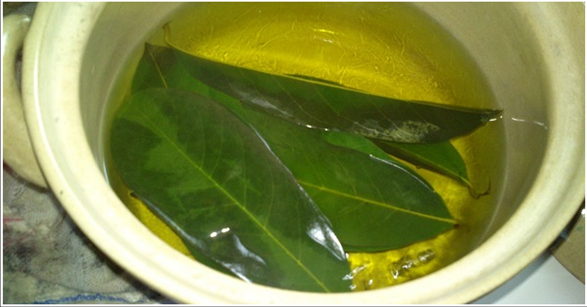
  • Take 10-15 mango leaves and boil them in a glass of water
  • Let them soak overnight
  • Strain the liquid in the morning and consume it on an empty stomach
  • For optimal results, drink this solution over the course of 2-3 months
  • Another way you can use mango leaves for this purpose is to dry them and ground them. Take half a teaspoon of the powder twice a day.

What do you know about Oil Pulling ?

10 Good Reasons Why You Should Immediately Start Cleaning Your Teeth With Coconut Oil

About two weeks ago, I wrote an article about coconut oil  an awesome tropical oil with many health benefits.

A few people commented that they use coconut oil for something called ‘Oil Pulling’  which is kind of like using an oil as mouthwash.

Apparently, there are quite a few studies that support this process and a lot of people on blogs and discussion boards swear by it.

I have now been doing this every morning for about 10 days and I am impressed.

What is Oil Pulling and How Does it Work?

Oil pulling has been used for thousands of years as an Indian folk remedy.

It involves putting about a tablespoon of oil in your mouth, then swishing it around your teeth for 10-20 minutes.

There are thousands of different types of bacteria in the mouth. Some of them are friendly, others are not.

Certain bacteria can cause harm, such as Streptococcus Mutans, which is the main culprit behind plaque buildup, gingivitis and cavities.

The bacteria in the mouth create a “biofilm” on the teeth  a thin layer that they use to adhere to the surface. This is what we know as “plaque.”

Having some plaque on your teeth is normal, but if it gets out of hand it can cause all sorts of problems.

The way oil pulling works is simple. When you swish the oil around your mouth, the bacteria “get stuck” in it and dissolve in the liquid oil.

Basically, you remove a large amount of the bacteria and plaque in your mouth each time you do this.

I Personally Prefer Coconut Oil

Traditionally, the Indians used other oils such as sesame oil or sunflower oil.

Oil pulling should work with pretty much any oil you choose.

I prefer coconut oil because Lauric Acid (about half of the fats in coconut oil) is proven to be antimicrobial it can kill bacteria, viruses and fungi (1, 2).

The taste of coconut oil is also fairly pleasant compared to other oils. I found it rather disgusting at first having my mouth full of oil, but I got used to it after a few days.

Now let’s look at a few studies on oil pulling

Oil Pulling and Streptococcus Mutans

Streptococcus Mutans is one of the main bacteria in the mouth and a key player in plaque buildup and tooth decay.

In a study published in 2008 with 20 adolescent boys, oil pulling (using sesame oil) caused a reduction in the number of Streptococcus Mutans in the plaque in as little as 2 weeks.

It was not as effective as a Chlorhexidine mouthwash, but much cheaper and MUCH less nasty.

Oil Pulling Can Reduce Plaque and Gingivitis

Gingivitis is caused by inflammation of the gums and happens when the immune system starts attacking the bacteria in the plaque.

Another study compared oil pulling and chlorhexidine in adolescents with plaque-induced gingivitis. Both oil pulling and chlorhexidine mouthwash were effective against gingivitis.

Oil Pulling Can Reduce Bad Breath (Halitosis)

Bad breath, otherwise known as halitosis, is in many cases (not all) caused by the smell of chemicals and gases produced by bacteria in the mouth.

It makes sense that if you get rid of some of these bacteria, you reduce bad breath.

In a third study of 20 adolescents, oil pulling therapy significantly reduced all markers for bad breath and was just as effective as chlorhexidine mouthwash (5).

How to Oil Pull

Oil pulling is incredibly simple and effective.

Here’s how to do it:

  1. Put about a tablespoon of oil in your mouth.
  2. Swish the oil around your mouth for about 10-20 minutes.
  3. Spit out the oil, then brush your teeth.

If you use coconut oil like me, then you may have to chew on the oil for a few seconds for it to melt, because it is solid at room temperature.

It is best to do this on an empty stomach, before you brush your teeth.

I prefer to do it while I take a shower in the morning.

I put the oil in my mouth, swish it around while in the shower and try to “push” and “pull” the oil between my teeth.

When I get out of the shower I spit out the oil, rinse my mouth with water and brush my teeth.

There is no need to use a lot of force here, if doing this causes pain in your facial muscles then just relax a bit. Try using less oil next time and don’t swish it around too forcefully.

It’s important to spit out the oil. You don’t want to swallow it because it is full of bacteria and nasty things.

What to Expect

I’ve been doing this for about 10 days now.

I’ve definitely noticed that my breath is fresher and my teeth look a lot cleaner both whiter and more shiny.

I’ve never had any dental problems, but I can see how this could have benefits for people that have them.

There are a lot of wild claims out there about oil pulling and how it “pulls” toxins out of your bloodstream. I really don’t think that makes a lot of sense.

However, oil pulling IS effective at reducing the harmful bacteria in your mouth and improving oral and dental health.

I have to say that I am really surprised at how effective this is. I plan to continue doing this for a long time.

Original Source: Anya V Authority Nutrition

What Fasting Does For Your Brain

fasting
I chose to include ‘Big Pharma’ in the title because that’s exactly what it is. There have been countless examples of the manipulation of published research at the hands of pharmaceutical companies in recent years. This is why Harvard Professor of Medicine Arnold Symour Relman told the world that the medical profession has been bought by the pharmaceutical industry. It’s why Dr. Richard Horton, Editor in Chief of The Lancet, recently stated that much of the scientific literature published today is simply untrue. It’s why Dr. Marcia Angell, former Editor in Chief of The New England Journal of Medicine, said that the “pharmaceutical industry likes to depict itself as a research-based industry, as the source of innovative drugs. Nothing could be further from the truth.” And it’s why John Ioannidis, an epidemiologist at the Stanford University School of Medicine, published an article titled “Why Most Published Research Findings Are Falsewhich subsequently became the most widely accessed article in the history of the Public Library of Science (PLoS).I also chose to mention ‘Big Pharma’ because of Dr. Mattson’s comments towards the end of the video.

“Why is it that the normal diet is three meals a day plus snacks? It isn’t that it’s the healthiest eating pattern, now that’s my opinion but I think there is a lot of evidence to support that. There are a lot of pressures to have that eating pattern, there’s a lot of money involved. The food industry — are they going to make money from skipping breakfast like I did today? No, they’re going to lose money. If people fast, the food industry loses money. What about the pharmaceutical industries? What if people do some intermittent fasting, exercise periodically and are very healthy, is the pharmaceutical industry going to make any money on healthy people?” 

Main Points Of The Lecture Above & The Science To Go With It

Mark and his team have published several papers that discuss how fasting twice a week could significantly lower the risk of developing both Parkinson’s and Alzheimer’s disease.

“Dietary changes have long been known to have an effect on the brain. Children who suffer from epileptic seizures have fewer of them when placed on caloric restriction or fasts. It is believed that fasting helps kick-start protective measures that help counteract the overexcited signals that epileptic brains often exhibit. (Some children with epilepsy have also benefited from a specific high-fat, low-carbohydrate diet.) Normal brains, when overfed, can experience another kind of uncontrolled excitation, impairing the brain’s function, Mattson and another researcher reported in January in the journal Nature Reviews Neuroscience.”(source)

Basically, when you take a look at caloric restriction studies, many of them show a prolonged lifespan as well as an increased ability to fight chronic disease.

“Calorie restriction (CR) extends life span and retards age-related chronic diseases in a variety of species, including rats, mice, fish, flies, worms, and yeast. The mechanism or mechanisms through which this occurs are unclear.”

The quote above is from a review of the literature that is more than 10 years old. The work presented here is now showing some of these mechanisms that were previously unclear.

Fasting does good things for the brain, and this is evident by all of the beneficial neurochemical changes that happen in the brain when we fast. It also improves cognitive function, increases neurotrophic factors, increases stress resistance, and reduces inflammation.

Fasting is a challenge to your brain, and your brain responds to that challenge by adapting stress response pathways which help your brain cope with stress and risk for disease. The same changes that occur in the brain during fasting mimic the changes that occur with regular exercise. They both increase the production of protein in the brain (neurotrophic factors), which in turn promotes the growth of neurons, the connection between neurons, and the strength of synapses.

“Challenges to your brain, whether it’s intermittent fasting [or] vigorous exercise . . . is cognitive challenges. When this happens neuro-circuits are activated, levels of neurotrophic factors increase, that promotes the growth of neurons [and] the formation and strengthening of synapses. . . .” 

Fasting can also stimulate the production of new nerve cells from stem cells in the hippocampus. He also mentions ketones (an energy source for neurons), and how fasting stimulates the production of ketones and that it may also increase the number of mitochondria in neurons. Fasting also increases the number of mitochondria in nerve cells; this comes as a result of the neurons adapting to the stress of fasting (by producing more mitochondria).

By increasing the number of mitochondria in the neurons, the ability for nerons to form and maintain the connections between each other also increases, thereby improving learning and memory ability.

“Intermittent fasting enhances the ability of nerve cells to repair DNA.” 

He also goes into the evolutionary aspect of this theory – how our ancestors adapted and were built for going long periods of time without food.

A study published in the June 5 issue of Cell Stem Cell by researchers from the University of Southern California showed that cycles of prolonged fasting protect against immune system damage and, moreover, induce immune system regeneration. They concluded that fasting shifts stem cells from a dormant state to a state of self-renewal. It triggers stem cell based regeneration of an organ or system. (source)

Human clinical trials were conducted using patients who were receiving chemotherapy. For long periods of time, patients did not eat, which significantly lowered their white blood cell counts. In mice, fasting cycles “flipped a regenerative switch, changing the signaling pathways for hematopoietic stem cells, which are responsible for the generation of blood and immune systems.”

This means that fasting kills off old and damaged immune cells, and when the body rebounds it uses stem cells to create brand new, completely healthy cells.

“We could not predict that prolonged fasting would have such a remarkable effect in promoting stem cell-based regeneration of the hematopoietic system. . . . When you starve, the system tries to save energy, and one of the things it can do to save energy is to recycle a lot of the immune cells that are not needed, especially those that may be damaged.  What we started noticing in both our human work and animal work is that the white blood cell count goes down with prolonged fasting. Then when you re-feed, the blood cells come back. ” – Valter Longo, corresponding author (source)

A scientific review of multiple scientific studies regarding fasting was published in The American Journal of Clinical Nutrition in 2007. It examined a multitude of both human and animal studies and determined that fasting is an effective way to reduce the risk of cardiovascular disease and cancer. It also showed significant potential in treating diabetes. (source)

Before You Fast

Before you fast, make sure you do your research. Personally, I’ve been fasting for years, so it is something that comes easy for me.

One recommended way of doing it — which was tested by the BBC’s Michael Mosley in order to reverse his diabetes, high cholesterol, and other problems that were associated with his obesity — is what is known as the “5:2 Diet.” On the 5:2 plan, you cut your food down to one-fourth of your normal daily calories on fasting days (about 600 calories for men and about 500 for women), while consuming plenty of water and tea. On the other five days of the week, you can eat normally.

image

Another way to do it, as mentioned above, is to restrict your food intake between the hours of 11am and 7pm daily, while not eating during the hours outside of that time.

Bottom line, how you think about you’re diet is, in my opinion, one of the most, if not the most important part of staying healthy. How you think about what you are putting in your body is important, and I believe this will eventually be firmly established in the untainted, unbiased, uninfluenced medical literature of the future.

Below is a video of Dr. Joseph Mercola explaining the benefits of intermittent fasting. Here is a great article by him that explains how he believes intermittent fasting can help you live a healthier life.


Related : The Benefits of Fasting for 16 Hours


Arjun Walia

The Benefits of Fasting for 16 Hours

Fasting-Infographic-Hi-Res
For example, recent research has shown that cycles of prolonged fasting protect against immune system damage and induce immune system regeneration. Researchers concluded that fasting shifts stem cells from a dormant state to a state of self-renewal.  (source)Fasting also has shown to have remarkable effects 0n the brain. Here is a TEDx talk given by Mark Mattson about it, the current Chief of the Laboratory of Neuroscience at the National Institute on Aging.  Mark and his team have published several papers that discuss how fasting twice a week could significantly lower the risk of developing both Parkinson’s and Alzheimer’s disease. You can find some of those papers sourced within this article.Another great place to start if you are looking for an introduction to the science behind fasting is the BBC documentary Eat Fast and Live Longer. It also features more of the world’s top researchers in the field.

Related: What Fasting Does for the Brain


Arjun Walia

Powerful Toxin Cleanse

Colon-Cleansing-Flaxseed-Flour-and-Kefir1-600x448

We need to take care of our diet and the foods we consume because they affect every part of our body, but the digestive system is affected the most.

The toxins which come with the consumed food accumulate in the system after a while and they can cause various health issues including constipation, diarrhea, bowel movements, weak immune system, and low energy levels.

You can solve these health issues with a simple colon detoxification. It will improve your overall health, and will help lose weight due to the fact that detoxification is the first step in the losing weight process. It is recommended to do this cleaning before you start any weight loss program.

These are the 2 ingredients for colon detoxification which will improve your overall health:


Kefir

Kefir is a beverage which includes milk and specific grains. It is a excellent source of protein and is full of minerals, amino acids, and B vitamins, which makes it extremely beneficial for the gut.

It will clean the intestines, eliminate pathogens like E. Coli and return the balance of the intestinal flora thanks to the probiotic structures it contains as a few strains of useful bacteria and healthy yeasts.

It is also great for strengthening the immune system and optimizing the digestive system.

Flaxseed

It is a great ingredient which can help you with the cleansing. In order to increase their size these seeds need to be soaked in water. They will remove the waste toxins because they have alpha-linoleic acid which is a type of omega-3 fatty acids.

It is very important to grind these seeds with coffee grinder because it is difficult for our digestive system to digest them whole.

Combination of kefir and flaxseed

This combination is very powerful when it comes to cleansing. It is very important to use it in smaller quantities at first and then, gradually increase the intake because fermented food is often problematic for digestion for people who don’t use it so often. Take this remedy 2-3 times weekly, for 15 days. The optimal capacity of the immune system will be restored after this period.

Preparation and usage:

Add one tablespoon of grounded flax seed in 1/3 or ¼ glass of kefir. It is very important to consume 1 glass of this mixture in the morning, on an empty stomach, and another glass before going to bed. This remedy requires consuming 8 or more glasses of water a day. This procedure need to be performed for 1 week then take a break for 2-3 days. After the break, you can use the natural cleanser again and do the procedure as many times as you want.

Cymantra Admin – July 03 2016