Author: admin

9 Habits of Creative Genius

Creative Genius 2

Article by Dr. Wayne W. Dyer

“Everyone is born a genius, but the process of living de-geniuses them.” — Buckminster Fuller

Genius is a potential that lives within you and every other human being. You have many moments of genius in your lifetime. These are the times when you have a uniquely brilliant idea and implement it even if only you are aware of how fantastic it is. Perhaps you created something absolutely astonishing and you even amazed yourself. Then there are the moments when you make exactly the right shot in a round of golf or a tennis match and you realize with immense pleasure what you’ve just accomplished. You are a genius.

There is no such thing as luck or accidents in this purposeful universe. Not only is everything connected to everything else, but no one is excluded from the universal Source called intention. And genius, since it’s a characteristic of the universal Source, must be universal, which means that it’s in no way restricted. It’s available to every single human being. It certainly can and does show up differently in every single one of us.

There are 9 habits of creative genius you can cultivate in your daily life that will help you to develop a deeper awareness of your connection to this ever-present Source of all that is. The qualities of creativity and genius are within you, awaiting your decision to match up with the power of intention.

Habit 1: Declare Yourself to Be a Genius!

This shouldn’t be a public pronouncement, but a statement of intention between you and your Creator. Remind yourself that you’re one of the masterpieces that emanated from the universal field of intention. You don’t have to prove that you’re a genius, nor do you need to compare any of your accomplishments to those of others. You have a unique gift to offer this world, and you are unique in the entire history of creation.

Habit 2: Pay Attention to Your Thoughts

Make a decision to listen more carefully to your inner insights, no matter how small or insignificant you may have previously judged them to be. These thoughts, which you may have viewed as silly or unworthy of attention, are your private connection to the field of intention. Thoughts that seem to persist, particularly if they relate to new activities and adventures, aren’t in your mind accidentally. Those tenacious thoughts that don’t go away should be viewed by you as intention talking to you, saying, You signed up to express your unique brilliance, so why do you keep ignoring the genius in favor of settling for less?

Habit 3: Step Boldly in the Direction of Your Inner Intuitive Inclinations

Take constructive action toward implementing your inner intuitive inclinations. Any step in the direction of expressing your creative impulses is a step in the direction of actualizing the genius that resides within you—for example, writing a book, regardless of how you may have doubted yourself up until now; recording a CD of yourself reading poetry or singing the songs you’ve written; purchasing an easel and art supplies and spending an afternoon painting; or visiting an expert in the field that interests you.

Habit 4: Believe in the Validity of Your Thoughts

Know that any and all thoughts that you have regarding your own skills, interests, and inclinations are valid. To reinforce the validity of your thoughts, keep them private. Tell yourself that they’re between you and God. If you keep them in the spiritual domain, you don’t have to introduce them to your ego or expose them to the egos of those around you. This means that you’ll never have to compromise them by explaining and defending them to others.

Habit 5: Cultivate Gratitude, Be an Appreciator of Life

Remind yourself that aligning with spiritual energy is how you will find and convey the genius within you. Shift your energy to harmonize vibrationally with the energy of Source. Be an appreciator of life, and refuse to have thoughts of hatred, anxiety, anger and judgment. Trust yourself as a piece of God and your genius will flourish.

Any step in the direction of expressing your creative impulses is a step in the direction of actualizing the genius that resides within you. — Dr. Wayne Dyer

Habit 6: Achieve a State of Child-like Wonderment

Practice radical humility. Take no credit for your talents, intellectual abilities, aptitudes, or proficiencies. Be in a state of awe and bewilderment. Even as I sit here with my pen in my hand, observing how words appear before me, I’m in a state of bewilderment. Where do these words come from? How does my hand know how to translate my invisible thoughts into decipherable words, sentences, and paragraphs? I’m humble in my inability to know where any of my accomplishments come from. Practice radical humility, and give credit everywhere except to your ego.

Habit 7: Remove Doubt and Resistance

Remove resistance to actualizing your genius. Resistance always shows up in the form of your thoughts. Watch for thoughts that convey your inability to think of yourself in genius terms . . . thoughts of doubt about your abilities . . . or thoughts that reinforce what you’ve been taught about a lack of talent or lack of aptitude. Your Source knows that you’re a genius. Any thought you have that challenges this notion is resistance, which will inhibit you from realizing your intention.

Habit 8: Look for the Genius in Others

Pay attention to the greatness you observe in as many people as possible, and if you don’t see it at first, then spend some mental energy looking for it. The more you’re inclined to think in genius terms, the more natural it becomes for you to apply the same standards to yourself. Tell others about their genius. Be as complimentary and authentic as you can. In doing so, you’ll radiate loving, kind, abundant, creative energy. In a universe that operates on energy and attraction, you’ll find these same qualities returning to you.

Habit 9: Simplify Your Life

Take the complications, rules, shoulds, musts, have tos, and so on out of your life. By uncomplicating your life and removing the trivial pursuits that occupy so much of it, you open a channel for the genius within you to emerge. One of the most effective techniques for simplifying life is to take time each day to spend 20 or so minutes in silence and meditation. The more conscious contact you make with your Source, the more you come to appreciate your own highest self. And it’s from this highest self that your own genius will be manifested.

How to Maintain Your Connection to Creative Genius

As you begin to recognize evidence of inspiration and Source all around you, remain humble while staying in a state of gratitude. This genius that you are has nothing at all to do with your ego-mind. Be ever so grateful to the Source of intention for providing you with the life force to express the genius that resides within you. Those who attribute their inspiration and success to their ego soon lose this capacity, or they allow the approval and attention of others to destroy them. Remain humble and grateful. Gratitude is a sacred space where you allow and know that a force greater than your ego is always at work and always available.

Read the entire article and comments at:

http://www.drwaynedyer.com/blog/9-habits-creative-genius/

Dr. Wayne Dyer has written over 20 bestsellers on many spiritual topics, including making the shift to connect to Source, keeping the balance in your life, and bringing about your desires with the power of intention.


3 Mistakes Everyone Makes While Eating That Cause Indigestion, Bloating and Acid Reflux

bloating and indigestion

We’ve all been there. One hand is clutching your stomach while your other hand is leaning forward and reaching for that last piece of chicken. You know you’re full, but everything is so damn delicious. Anyway, you worked out yesterday so it’s okay. Or was it last week? Doesn’t matter, this chicken is filling that caloric deficit right now, so it’s all even.

The food coma is something we all experience now and again, but if you’re experiencing it every time you go out to a restaurant or every weekend, then something’s got to change. It’s not normal to feel sleepy, sluggish and bloated after every meal. You know this and I know this, 90% of the time the culprit is simply overeating.

But what about when it’s not? What if you’re eating healthy, not overeating and yet you still feel sluggish and bloated afterwards? That’s where digestion comes in. Unfortunately most of us aren’t even aware that the eating habits we’ve developed as a society are causing us to feel this way.

Here are the top 3 unhealthy habits I recommend avoiding at your next meal:

Drinking lots of water with your meal

Feeling confused already? A nutritionist telling you NOT to drink water? Hear me out. Water is wonderful. And it’s great to have with your meal in small sips, for the purpose of helping the food along the digestive tract. But drowning your meals with multiple glasses of water is just going to give you indigestion and make you feel bloated afterwards.When food enters your stomach, a substance called hydrochloric acid (HCL) is secreted from the stomach lining to help begin the process of digestion. HCL is super acidic — after all, it needs to be in order to break big chunks of food into tiny, absorbable nutrients. So if you start chugging back water with your meal, you’re going to dilute the hydrochloric acid and thereby dampen (pun intended) its efforts.

If it helps to paint a picture, imagine a pool of water in your stomach with bits of food floating around, the acid just kind of fizzing out trying to do its job. Feeling gross and bloated already? Good, don’t do it!

Solution:

Drink lots of water either an hour before or after your meals. Only sip on a glass of water throughout your meal.

Eating lots of starch and protein together

Steak and mashed potato. Burger and fries. Eggs Benedict. All the glorious combinations that make us want to pass out on the couch after. Eating large amounts of starch (e.g. bread, pasta, rice, potatoes) and protein (e.g. fish, chicken, beef, eggs) at the same time can cause indigestion and acid reflux.

This is because protein has a much slower rate of digestion, and starches digest much faster into simple sugars. Technically speaking, starches should be saying “hasta la vista” to the stomach pretty quickly and entering the next stage of digestion in the small intestine. But because they’re all mushed up with the protein in the stomach, they have to hang around and wait for hours until the protein finishes digesting too.

And when starches hang around too long, they ferment i.e. release gas which causes us to belch every so eloquently.

Solution:

Eat your starch first, follow it up with protein afterwards. Don’t sweat it if you’re having a small portion of starch alongside your protein, the key is not to overdo the rice and potatoes. P.S. you can eat your veggies with starch and protein, either combo works well!

Having ice-cold water with your meal

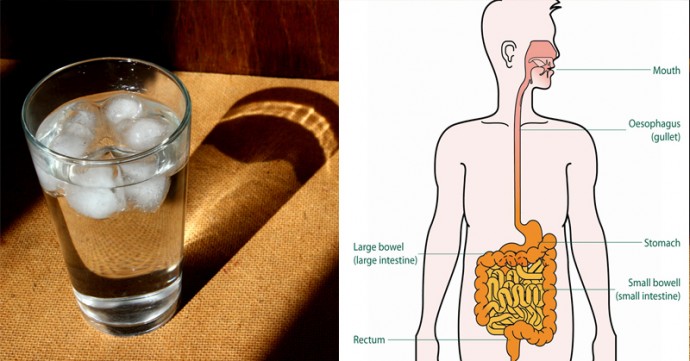
Yep, I’m back to talking about water again. And here you thought all there was to water was drinking it. Nay friend. When it comes to temperature of drinking water at a meal, opt for room temperature instead of cold. Ice-cold water constricts blood vessels, so it hinders the body’s ability to digest food and absorb nutrients.

Ice-cold water will also solidify any fats that are being eaten making them difficult to digest as well. Plus, your body’s energy is going to get diverted from trying to digest food to trying to regulate your body’s temperature. So much unnecessary exhaustion.

Solution:

Think Japanese. Order some hot water (with lemon, optional) or green tea before the start of your meal and slowly sip on it to prime your gut for optimal digestion. Always tell the server “no ice” and “room temperature”.

Keep in mind that these tips are for optimal digestion. If you suffer from weak digestion, these are far more applicable to you than someone who rarely suffers from feeling bloated or sluggish after a meal. These tips are also more crucial when you have a big brunch or celebratory meal coming up  — basically, when you know a food coma is just around the corner.

15 Plants & Herbs That Can Boost Lung Health, Heal Respiratory Infections & Repair Pulmonary Damage


healthy_lungs_herbsWhen it comes to taking herbs for medicinal purposes, it seems the mainstream belief is that they are not as effective and not worth taking. While the effectiveness of herbs has not been studied deeply to determine how well they work across the entire population, the same could be said for most pharmaceutical drugs. Much of the time, pharmaceutical drugs attempt to mimic a compound that occurs in nature (herbs), but often bring the risk of side effects in the process.

Safety is one of the most critical areas of review amongst herbs and drugs. According to stats released by the American Association of Poison Control Centers, no deaths have been reported due to the use and consumption of herbs.[4] However, pharmaceutical drugs and physician prescribed medications kill approximately one million Americans each year. While it is important to note that herbal medicines can be lethal in extreme doses, it appears their safety is much greater than that of pharmaceutical drugs. [2]

Interestingly, pharmaceutical drugs are actually adding to the world-wide issue of declining health due to their side effects and encouragement of viral resistance. Antibiotics in particular are adding to the wave of increased viral strength when it comes to certain infections. [3] Herbs, on the other hand, can be a useful tool in fighting infections that have turned into superbugs due to the overuse of antibiotics.

It is always useful to perform as much research as possible, or as you see fit, when it comes to both pharmaceutical drugs and herbs prior to taking them. Just as we approach the use of herbs with skepticism, so too should we approach the use of any pharmaceutical drugs with the same discerning eye.

Contrary to popular belief, our reluctance to use herbs in Western culture is not a result of their inefficacy. It is because pharmaceutical companies (and those who can benefit from the sale of pharmaceutical drugs) have done a great job of making them seem unsafe and inadequate. Herbs cannot be patented and owned, unlike synthetic drugs, which is why many pharma companies operate the way they do. Seek out the assistance of a naturopathic doctor, traditional Chinese medicine practitioner, ayurveda practioner, or herbologist before you use herbs. Like any medical issue, each illness can have different root causes and it’s always important to understand them before relying on any treatment to solve the entire problem.

Below is a list of herbs that can not only boost lung and respiratory health but can also repair it.
Herb information is courtesy of John Summerly who is a nutritionist, herbologist, and homeopathic practitioner.

1. Licorice Root – Glycyrrhiza Glabra

Licorice is one of the more widely consumed herbs in the world. In Traditional Chinese Medicine it occurs in more formulas than any other single herb because it is thought to harmonize the action of all other herbs. Licorice is very soothing and softens the mucous membranes of the throat and especially the lungs and stomach, and at the same time cleanses any inflamed mucous membrane that needs immune system support . It reduces the irritation in the throat and yet has an expectorant action. It is the saponins (detergent-like action) that loosen the phlegm in the respiratory tract so that the body can expel the mucus. Compounds within this root help relieve bronchial spasms and block the free radical cells that produce the inflammation and tightening of the airways. The compounds also have antibacterial and antiviral effects to them as well, which helps fight off viral and bacterial strains in the body that can cause lung infections. Glycrrhizins and flavonoids can even help prevent lung cancer cells from forming. For people with high blood pressure this should be taken with caution.

2. Coltsfoot – Tussilago Farfara

Coltsfoot has been traditionally used by Native Americans for thousands of years to strengthen the lungs. It clears out excess mucus from the lungs and bronchial tubes. It also soothes the mucus membranes in the lungs and has been shown in research to assist with asthma, coughs, bronchitis, and other lung ailments. Coltsfoot is available in dried form for tea or as an alcohol extract known as a tincture.

3. Cannabis

The toxic breakdown of therapeutic compounds in cannabis from burning the plant are totally avoided with vaporization. Extracting and inhaling cannabinoid essential oils of the unprocessed plant affords significant mitigation of irritation to the oral cavity that comes from smoking. Cannabis is perhaps one of the most effective anti-cancer plants in the world, shown in study after study to stimulate cannabinoid receptor activation in specific genes and mediate the anti-invasive effect of cannabinoids. Vaporizing cannabis allows the active ingredients to stimulate the body’s natural immune response and significantly reduces the ability of infections to spread. Vaporizing cannabis (especially with very high amounts of cannabinoids) opens up airways and sinuses, acting as a bronchodilator. It is even a proven method for treatment and reversal of asthma.

4. Osha Root – Ligusticum porteri

Osha is an herb native to the Rocky Mountain area and has historically been used by the Native Americans for respiratory support. The roots of the plant contain camphor and other compounds which make it one of the best lung-support herbs in America. One of the main benefits of osha root is that it helps increase circulation to the lungs, which makes it easier to take deep breaths. Also, when seasonal sensitivities flare up your sinuses, osha root, which is not an actual antihistamine, produces a similar effect and may help calm respiratory irritation.

5. Thyme – Thymus

Thyme is very powerful in the fight against chest congestion. It produces powerful antiseptic essential oils which are classified as naturally antibiotic and anti-fungal. Thyme is well known to zap acne more so than expensive prescription creams, gels, and lotions. Thyme tea has the power to chase away and eliminate bacteria and viruses, so whether your infection is based on one or the other, it will still work. Thyme has been used as a lung remedy since antiquity and is used extensively today to prevent and treat respiratory tract infections and bacterial infection pneumonia.

6. Oregano

Although oregano contains the vitamins and nutrients required by the immune system, its primary benefits are owed to its carvacrol and rosmarinic acid content. Both compounds are natural decongestants and histamine reducers that have direct, positive benefits on the respiratory tract and nasal passage airflow. Oil of oregano fights off the dangerous bacteria Staphylococcus aureus better than the most common antibiotic treatments. Oregano has so many health benefits that a bottle of organic oregano oil should be in everyone’s medicine cabinet.

7. Lobelia Inflata

Did you know that horses given lobelia are able to breathe more deeply? Its benefits are not limited to equestrians. It has been used as an “asthmador” in Appalachian folk medicine. Lobelia, by some accounts, is thought to be one of the most valuable herbal remedies in existence. Extracts of Lobelia Inflata contain lobeline, which showed positive effects in the treatment of multidrug-resistant tumor cells. Lobelia contains an alkaloid known as lobeline, which thins mucus and breaks up congestion. Additionally, lobelia stimulates the adrenal glands to release epinephrine; in effect, this relaxes the airways and allows for easier breathing. Also, because lobelia helps to relax smooth muscles, it is included in many cough and cold remedies. Lobelia should be part of everyone’s respiratory support protocol!

*Use with caution as too much can cause side effects.

8. Elecampane – Inula Helenium

Elecampane has been used by Native Americans for many years to clear out excess mucus that impairs lung function. It is known as a natural antibacterial agent for the lungs, helping to lessen infection, particularly for people who are prone to lung infections like bronchitis. Herbal practitioners often recommend one teaspoon of the herb per cup of boiling water, drunk three times daily for two to three weeks. Elecampane is also available in tincture format for ease.

9. Eucalyptus – Eucalyptus Globulus

Native to Australia, eucalyptus isn’t just for Koala bears! Aborigines, Germans, and Americans have all used the refreshing aroma of eucalyptus to promote respiratory health and soothe throat irritation. Eucalyptus is a common ingredient in cough lozenges and syrups and its effectiveness is due to a compound called cineole. Cineole has numerous benefits — it’s an expectorant, can ease a cough, fights congestion, and soothes irritated sinus passages. As an added bonus, because eucalyptus contains antioxidants, it supports the immune system during a cold or other illness.

10. Mullein – Verbascum Thapsus

Both the flowers and the leaves of the mullein plant are used to make an herbal extract that helps strengthen the lungs. Mullein is used by herbal practitioners to clear excess mucus from the lungs, cleanse the bronchial tubes, and reduce inflammation that is present in the respiratory tract. A tea can be made from one teaspoon of the dried herb to one cup of boiled water. Alternatively, you can take a tincture form of this herb.

11. Lungwort – Pulmonaria officinalis

As early as the 1600’s, lungwort has been used to promote lung and respiratory health and clear congestion. Pulmonaria selections come in all kinds so seek a herbologist for direction. Lungwort also contains compounds that are powerfully effective against harmful organisms that affect respiratory health.

12. Chaparral

Chaparral, a plant native to the Southwest, has been appreciated by the Native Americans for lung detoxification and respiratory support for many years. Chaparral contains powerful antioxidants that resist irritation, and NDGA, which is known to fight histamine response. NDGA inhibits aerobic and anaerobic glycolysis (the energy-producing ability) of cancer cells. Chaparral is also an herb that fights harmful organisms. The benefits of chaparral are mostly available in a tincture extraction but chaparral tea may support respiratory problems by encouraging an expectorant action to clear airways of mucus. [Source]

13. Sage – Salvia Officinalis

Sage’s textured leaves give off a heady aroma, which arises from sage’s essential oils. These oils are the source of the many benefits of sage tea for lung problems and common respiratory ailments. Sage tea is a traditional treatment for sore throats and coughs. The rich aromatic properties arising from sage’s volatile oils of thujone, camphor, terpene, and salvene can be put to use by inhaling sage tea’s vapors to dispel lung disorders and sinusitis. Alternatively, brew a strong pot of sage tea and place it into a bowl or vaporizer.

14. Peppermint – Mentha × Piperita

Peppermint and peppermint oil contains menthol — a soothing ingredient known to relax the smooth muscles of the respiratory tract and promote free breathing. Dried peppermint typically contains menthol, menthone, menthyl acetate, menthofuran, and cineol. Peppermint oil also contains small amounts of many additional compounds including limonene, pulegone, caryophyllene, and pinene. Paired with the antihistamine effect of peppermint, menthol is a fantastic decongestant. Many people use therapeutic chest balms and other inhalants that contain menthol to help break up congestion. Additionally, peppermint is an antioxidant and fights harmful organisms.

15. Plantain herb – Plantago major and P. lanceolata

Plantain leaf has been used for hundreds of years to ease coughs and soothe irritated mucous membranes. Many of its active constituents show antibacterial and antimicrobial properties, as well as being anti-inflammatory and antitoxic. Clinical trials have found it favorable against cough, cold, and lung irritation. Plantain leaf has an added bonus in that it may help relieve a dry cough by spawning mucus production in the lungs.

Sources:

1. http://www.everygreenherb.com/lungs.html

2. http://www.sciencedaily.com/releases/2010/02/100209183337.htm?utm_source=twitterfeed&utm_medium=twitter

3. https://www.sciencenews.org/article/antibiotics-may-make-fighting-flu-harder

5. http://thegoodnewsnp.com.au/files/45th_Edition_small_file_size._pdf.pdf

10 Ways To Empty Your Lymphatic System From Toxins

lymphatic-system-drainage
Yesterday I wrote an article about the lymphatic system sharing the three most important actions to take on a daily basis to drain your lymph fluids and quite a few people asked how else to drain lymphatic fluids so I decided to create a nice size list to share with you so that you could engage in these practices as often as you’d like to see results faster. The lymphatic system is very important in the human body. The lymphatic system is composed of tissue and fluids and runs mostly throughout your entire body just like your circulation does. One key difference between lymphatic tissue and your circulation is that the lymphatic system does not have a heart (pump) to move it throughout the body. This is why consistent daily exercise and hydration are crucial to keep the lymphatic system and lymph nodes healthy.If your lymphatic system is congested, or lymph nodes are swollen this will result in different aches and pains. Your joints could have pain or feel weak, your immune system is compromised dramatically because your immune system works directly with your lymphatic system. Your liver and kidneys become toxic because they aren’t draining toxins and chemicals from the lymphatic system to excrete them from the body as it should be. This can lead to weight gain, digestive disorders, being sick more often, hormonal imbalances, poor circulation, and much more.

Thankfully there are more than a few ways to stimulate your lymphatic system though and it’s important to stay on top of it each and every single day.

10 Ways To Empty Your Lymphatic System From Toxins:

1. Exercise: Exercise moves the lymphatic system and lymph fluids and circulates them to your liver and kidneys to be filtered and excreted from the body. You should walk briskly or engage in high intensity workouts every single day. Do one or both, but move faster than a slow walk every single day to get the lymphatic system moving.

2. Water: The lymphatic system is rich in water and if you’re dehydrated the entire system will be holding onto water for dear life. You need new water to filter the lymphatic system, and to help excrete and remove chemicals and toxins through your liver and kidneys. A good rule of thumb is to drink 50% of your body weight in ounces of water each day. Example: If you weigh 100 pounds, drink 50 ounces daily.

3. Breath work: Breathing does so much for your body, from calm your heart and nervous system to change brainwaves and even to help the lymphatic system drain and stay healthy. By taking deep breathes in through your nose and out through your mouth you’re giving your body more oxygen to work with. Oxygen and Hydration are two essential parts to keeping the lymphatic system clear of impurities. Exercise also helps you breathe deeply by exerting energy so exercise gives you multiple lymphatic draining benefits.

4. Rebounding: Rebounding is simply jumping on a small trampoline up and down. It doesn’t take much energy but is a slight workout that get’s your heart rate and breath up. It uses the force of gravity to move your lymphatic system and to detoxify cells by going in an up and down motion. This is a great exercise for lymphatic drainage as well as overall health and well-being. You can look for rebounders by clicking here.

5. Massage: Massage works by hands physically moving your lymphatic tissue. Deep tissue massage will work to move the lymphatic tissue to drain it most but any form of massage is beneficial. Massage is a way to squeeze the lymphatic system to remove impurities so that new hydration and nutrients can keep the lymphatic system healthy and able to do it’s job.

6: Laughter: Believe it or not laughter is an effective method for helping the lymphatic system. Laughing causes you to take deeper breaths which is once again beneficial but it also stimulates your lungs, circulation and other organs that create more harmony working with the lymphatic system. You need to make it an effort to laugh at least a few times daily for not only your lymphatic system but your heart, immunity, brain and overall sense of well-being.

7. Skin Brushing: Dry skin brushing is taking a brush and rubbing it around your entire body. It is similar to massage except for it’s not quite as deep into the tissue and it’s a great way to exfoliate dead skin cells. It works best right before a bath or shower so you don’t have a layer of dead skin cells on your skin. You can get a dry skin brush by clicking here.

8. Take A Hot+Cold Shower: I personally love taking a hot+cold shower because it’s so invigorating. What is a hot+cold shower you ask? it’s a shower where you turn the water hot, then cold, then hot, then cold. You continue switching the temperature of the water. It’s extremely invigorating and the change in temperature stimulates your lymphatic system to move as well as circulation by expanding and contracting blood vessels. It’s a great practice that will leave you feeling extremely rejuvenated.

9. Eat Raw Fruits: Fruits are great for stimulating the lymphatic system to drain. The key here is to eat fruits raw (uncooked) and to eat them on an empty stomach so that the acids and enzymes in the fruit have the best lymphatic draining and stimulating effects. Lemon, lime and grapefruit work well. You can also get these in therapeutic grade essential oils to add to your water and drink throughout the day to stimulate lymphatic drainage and overall digestive detoxification.

10. Use Essential Oils Topically: You can apply ginger, peppermint and rosemary essential oils topically on lymph nodes throughout your body to stimulate drainage. Specifically on the back of your neck is a great spot to apply these oils to get into the skin, circulation and lymph nodes and allow them to go to work. I use certified pure therapeutic grade essential oils which can be found here.

There you have it, 10 different ways to stimulate the lymphatic system to drain and detoxify. The more of these you engage in the more you’ll feel the benefits of a healthy lymphatic system. I hope you try these out and keep them as consistent practices.

By   July 7, 2015

The Secret to Lowering Your Blood Pressure in 15 Minutes

bloodpressure

Uncontrolled high blood pressure is a very serious health concern that can lead to heart disease and increased risk for stroke. The good news is, by optimizing your dietary intake, exercising, and effectively managing your stress, the odds of lowering your blood pressure are greatly in your favor.

If you or someone you love is affected by high blood pressure, then please review and share the guidelines given below. A list of supplementary articles is also included, if you desire further information. Hypertension is actually an easily treated condition, but one that can cause serious damage to your health if ignored.

Your Diet Will Raise or Lower Your Blood Pressure

Are you on a high grain, low fat regimen? If so, I have bad news for you, because this nutritional combination is a prescription for hypertension and can absolutely devastate your health.

Groundbreaking research published in 1998 in the journal Diabetes reported that nearly two-thirds of the test subjects who were insulin resistant (IR) also had high blood pressure, and insulin resistance is directly attributable to a high sugar, high grain diet, especially if accompanied by inadequate exercise. So, chances are that if you have hypertension, you also have poorly controlled blood sugar levels, because these two problems often go hand in hand.

As your insulin level elevates, so does your blood pressure.

As explained by Dr. Rosedale, insulin stores magnesium. If your insulin receptors are blunted and your cells grow resistant to insulin, you can’t store magnesium so it passes out of your body through urination. Magnesium stored in your cells relaxes muscles. If your magnesium level is too low, your blood vessels will constrict rather than relax, which will raise your blood pressure and decrease your energy level. Insulin also affects your blood pressure by causing your body to retain sodium. Sodium retention causes fluid retention. Fluid retention in turn causes high blood pressure and can ultimately lead to congestive heart failure. If your hypertension is the direct result of an out-of-control blood sugar level, then normalizing your blood sugar levels will also lower your blood pressure readings into the healthy range.

Fructose Can Cause Your Blood Pressure to Skyrocket

The first thing you need to do is remove all grains and sugars from your diet, particularly fructose, until both your weight and your blood pressure have normalized. Eating sugars and grains — including any type of bread, pasta, corn, potatoes, or rice — will cause your insulin levels and your blood pressure to remain elevated.

A study1 published earlier this year discovered that those who consumed 74 grams or more per day of fructose (the equivalent of about 2.5 sugary drinks) had a 77 percent greater risk of having blood pressure levels of 160/100 mmHg. (For comparison, a normal blood pressure reading is below 120/80 mmHg.) Consuming 74 grams or more of fructose daily also increased the risk of a 135/85 blood pressure reading by 26 percent, and 140/90 by 30 percent.

This is significant because the average American now consumes 70 grams of fructose EVERY day!

Fructose breaks down into a variety of waste products that are bad for your body, one being uric acid. Uric acid drives up your blood pressure by inhibiting the nitric oxide in your blood vessels. Nitric oxide helps your vessels maintain their elasticity, so nitric oxide suppression leads to increases in blood pressure. In fact, 17 out of 17 studies demonstrate that elevated uric acid levels lead to hypertension. For more information on the connection between fructose, uric acid, and hypertension, please see this article that explains it in greater depth.

I’ve also interviewed Dr. Richard Johnson, one of the leading medical researchers in this field, about his research into the health dangers of fructose, specifically how fructose causes health problems such as high blood pressure.

My Recommended Fructose Allowance

As a standard recommendation, I strongly advise keeping your TOTAL fructose consumption below 25 grams per day. Since the average 12-ounce can of soda contains 40 grams of sugar, at least half of which is fructose, this can of soda ALONE would exceed your daily allotment.

In addition, most people would be wise to also limit the amount of fructose you get from fruit to 15 grams or less, because you’re virtually guaranteed to consume “hidden” sources of fructose (typically in the form of high fructose corn syrup) from most beverages and just about any processed food you eat.

Fifteen grams of fructose is not much — it represents two bananas, one-third cup of raisins, or just two Medjool dates. In his book, The Sugar Fix, Dr. Johnson includes detailed tables showing the fructose content in different foods, and I’ve included a sample of these values in the linked article.

Additional Dietary Considerations

  1. Normalize your omega 6:3 ratio — Both omega-3 and omega-6 fats are essential for your health. Most Americans, however, are getting too much omega-6 in their diet and far too little omega-3. Consuming omega-3 fats is one of the best ways to re-sensitize your insulin receptors if you suffer from insulin resistance. Omega-6 fats are found in corn, soy, canola, safflower and sunflower oil. If you’re consuming a lot of these oils, you’ll want to avoid or limit them.Omega-3 fats are typically found in flaxseed oil, walnut oil and fish, with fish being by far the best source. Unfortunately, most fresh fish today contains dangerously high levels of mercury. Your best bet is to find a safe source of fish, or if this proves too difficult, supplement with a high quality krill oil, which has been found to be 48 times more potent than fish oil.
  2. Eliminate caffeine — The connection between caffeine consumption and high blood pressure is not well understood, but there is ample evidence to indicate that if you have hypertension, coffee and other caffeinated drinks and foods can ex­acerbate your condition. Caffeine is a drug, and while it’s entirely legal and widely consumed, it can have a powerful effect on your individual physiology. If you want to eliminate caffeine from your diet, try to do it gradually over a period of days or even weeks in order to avoid withdrawal symptoms like headaches.
  3. Consume Fermented Foods – Differences in gut flora from one person to another appears to have a large effect on whether or not you develop heart disease. If your gut flora is not healthy, your risk is much greater for heart disease, as well as many other chronic health problems. The best way to optimize your gut flora is by including some naturally fermented foods in your diet, such as sauerkraut and other fermented vegetables, yogurt, kefir, and natto. An additional benefit of fermented foods is that some of them are excellent sources of vitamin K2, which is important for preventing arterial plaque buildup and heart disease.

Use Exercise as a Drug

Physical activity is by far one of the most potent “drugs” there is, and its side effects are exactly the kinds you want to experience. Regardless of the primary reason you start an exercise program, your efforts will be rewarded in countless other ways.

A comprehensive exercise regimen, such as my Peak Fitness program, is very important in producing long-term benefits in people with high blood pressure. Nearly every program should incorporate anaerobic sprint or burst-type exercises one to three times a week, as these have been shown to be even more effective than aerobic exercises at reducing your risk of dying from a heart attack.

If you are insulin resistant, you’ll definitely want to include weight training in your exercise program. When you work individual muscle groups, you increase blood flow to those muscles. Good blood flow will increase your insulin sensitivity. Depending on your physical condition when you embark on your exercise program, you may need to consult with a health care professional for help increasing to the intensity required to lower your insulin level. Exercise in combination with the supplement L-arginine has been shown to correct the abnormal functioning of blood vessels seen in people with chronic heart failure. However, I would view this more as a drug approach and not necessarily a supplement you would consider using for optimizing health in general. L-arginine probably works through its interaction with nitric oxide. I would consider it an adjunct, not a replacement, for coenzymeQ10, which is a well-proven therapy for heart failure.

Optimize Your Vitamin D Levels

Believe it or not, the farther you live from the equator, the higher your risk of developing high blood pressure2. And did you know that blood pressure is typically higher in winter months than in summer?

Sunlight actually affects blood pressure in several ways:

  • Sun exposure causes your body to produce vitamin D. Lack of sunlight reduces your vitamin D stores and increases parathyroid hormone production, which increases blood pressure.
  • Vitamin D deficiency has been linked to insulin resistance (IR) and Syndrome X (also known as Metabolic Syndrome), a group of health problems that can include IR, elevated cholesterol and triglyceride levels, obesity, and high blood pressure.
  • Vitamin D is also a negative inhibitor of your body’s renin-angiotensin system (RAS), which regulates blood pressure. If you’re vitamin D deficient, it can cause inappropriate activation of your RAS, which may lead to hypertension.
  • Additionally, exposure to UV rays is thought to cause the release of endorphins, chemicals in your brain that produce feelings of euphoria and pain relief. Endorphins naturally relieve stress, and stress management is an important factor in resolving hypertension.

Exposure to appropriate amounts of sunlight is a basic health requirement that extends far beyond blood pressure normalization. Vitamin D helps systems and organs throughout your body to function properly. Ideally, you’ll want to get your vitamin D through safe exposure to sunshine or a safe tanning bed, but vitamin D3 supplements can also be used. Please do NOT let your doctor give you a “prescription” vitamin D. That is vitamin D2, which is synthetic, and not nearly as beneficial as the real vitamin D, which is D3 (cholecalciferol).

Keep in mind that if you decide to supplement with oral vitamin D3, you must carefully monitor your vitamin D blood levels to avoid overdosing. (This is why it is highly preferable to get your vitamin D through sun exposure, since there is virtually no chance of overdosing.)

To learn much more about vitamin D test values and the best labs to get your tests done, please visit the linked page. I also recommend watching my free one-hour vitamin D lecture for more information about the incredible health benefits of this essential nutrient.

Controlling Your Stress is Crucial


ABC US News | World Newsnbsp;

One in three American adults have high blood pressure (hypertension), and just as many, if not more, battle emotional and mental stress on a day-to-day basis.

Are these two conditions connected?

You bet. As reported by ABC World News on September 16, 20103, one cardiologist believes the connection between stress and hypertension is undeniable, yet still does not receive the emphasis it deserves. In response, Dr. Kennedy developed a stress-relieving technique he calls “The 15 Minute Heart Cure,” a set of breathing and creative visualization techniques that can be done anywhere, anytime. The technique is demonstrated in the ABC World News video above. By teaching your body to slow down and relax when stress hits — essentially short-circuiting your physical stress reaction — you can protect your health.

My preferred method is the Emotional Freedom Technique (EFT), an easy to learn, easy to use technique for releasing negative emotions. EFT combines visualization with calm, relaxed breathing, while employing gentle tapping to “reprogram” deeply seated emotional patterns.

Supplements and Other Alternatives

Although certain supplements may be helpful, it’s important to understand they should never be used as a substitute for basic lifestyle choices that treat the real cause of the problem. Using only supplements without modifying your lifestyle is an allopathic approach not very different from using drugs. In most instances, it is not likely to be effective. Once you have made some beneficial changes to your lifestyle, you can then consider some of the following supplements as a way to further enhance your health:

  • Calcium and magnesium. Daily calcium and magnesium supplementation can be useful in lowering blood pressure, especially if yours is on the high end of high. However, if you avoid sugars and grains and eat for your Nutritional Type™ (see above), it’s unlikely additional calcium or magnesium supplements will be necessary.
  • Vitamins C and E. Studies indicate that these vitamins can be helpful in lowering your blood pressure. Ideally, you’ll want to get the right amount of both these nutrients through diet alone. If you decide you need a supplement, make sure to take a natural (not synthetic) form of vitamin E. You can tell what you’re buying by carefully reading the label. Natural vitamin E is always listed as the “d-” form (d-alpha-tocopherol, d-beta-tocopherol, etc.) Synthetic vitamin E is listed as “dl-” forms.
  • Olive leaf extract. In one 2008 study, supplementing with 1,000 mg of olive leaf extract daily for eight weeks caused a significant dip in both blood pressure and LDL (“bad cholesterol”) in people with borderline hypertension. If you want to incorporate olive leaf extract as a natural adjunct to a nutritionally sound diet, you should look for fresh leaf liquid extracts for maximum synergistic potency. You can also prepare your own olive leaf tea by placing a large teaspoon of dried olive leaves in a tea ball or herb sack. Place it in about two quarts of boiling water and let it steep for three to 10 minutes. The tea should be a medium amber color when done.
  • Electrical acupuncture. Acupuncture combined with electrical stimulation has shown to temporarily lower elevations in blood pressure in animals by as much as 50 percent. It’s currently undergoing testing in humans and could be a promising alternative treatment for controlling blood pressure.
  • Breastfeeding. Studies have shown that babies who are breastfed for more than 12 months have a dramatically lower risk of developing hypertension. Researchers believe long-chain polyunsaturated fatty acids (the same found in fatty fish) in breast milk provide a protective effect for newborns.
  • Quick tricks. Increasing nitric monoxide in your blood can open constricted blood vessels and lower blood pressure. Methods of increasing the compound include taking a warm bath, breathing in and out through one nostril (close off the other nostril and your mouth), and eating bitter melon, rich in amino acids and vitamin C.

Like obesity, high blood pressure is an epidemic. And like obesity, your best treatment is to evaluate your lifestyle and make the necessary adjustments.

A natural approach to preventing disease and healing yourself when illness strikes is always the better choice. In the case of high blood pressure, lifestyle changes — with particular emphasis on normalizing your insulin levels — can put you on the road to a drug-free, all-natural return to optimal health.

What Happens to Your Body When You Eat Flaxseed Every Day

eating flaxseed benefits

Sometimes, there is content that’s perfect just the way it is. In this case, we are very lucky to be collaborating with the people behind this valuable article and have been granted permission to republish it. We encourage you to visit their website at the end of this post.

I want to share an interesting story with you. Jim, a 62-year-old from Tennessee, got a wake-up call when his cholesterol measured in at a scary 288 mg/dL! (Normal is under 200.) Not surprisingly, his conventional doctor was quick to prescribe a cholesterol-lowering .

Folks, statins are bad news. I’ve always been concerned about their side effects, which include muscle pain and weakness and interference of production ofcoenzyme Q10 levels to name just a few. It just doesn’t make sense to take these drugs—especially when there are safer, more effective natural therapies available. One treatment that has worked extremely well for our patients at the Whitaker Wellness Institute is flaxseed.

Flaxseed Health Benefits

Flaxseed not only helps to lower cholesterol, it can help prevent heart attacks and strokes.

Flaxseed health benefits also include its role as an excellent source of soluble fiber which acts as a natural cholesterol control mechanism. That’s because it binds to bile acids in the intestinal tract and interferes with absorption of cholesterol into the bloodstream. It literally helps to block it from going there.

Flaxseed is also the richest plant source of omega-3 essential fatty acids (EFAs). These EFAs are vital components of cellular membranes, and they improve blood flow and help prevent blood clots that can cause heart attack and stroke. Omega-3s have also been shown to lower blood cholesterol and triglycerides. It’s likely this combination of soluble fiber and EFAs that makes flaxseed so effective in reducing cholesterol.

Flaxseed Health Benefits Helped Jim

Having read about flaxseed’s health benefits in my newsletter, Health & Healing, Jim decided to give it a try. He started using ¼-cup of freshly ground flaxseed once a day, an hour before his main meal.

The results were remarkable:

  • After 15 days, Jim’s cholesterol fell to 232, and six months later it plummeted to 188.
  • During those six months he also lost 33 pounds.
  • Plus, he noticed remarkable improvements in his energy level, skin, hair and vision, which led him to comment, “I just feel better than I did 10 years ago.”

You can do the same thing to get the health benefits of flaxseed. I suggest incorporating a quarter cup of freshly ground flaxseed into your diet each day. These tiny golden or brown seeds have a rich, nutty flavor and can be sprinkled on yogurt, salads, or other foods.

Because the oils in ground flaxseed can quickly become rancid, I don’t recommend using pre-ground seed or flax oil. Instead, purchase whole flaxseeds and grind them just before consumption. To grind, place whole seeds into a coffee grinder, food processor, or blender and process for about five seconds.

This article was republished with permission from Dr. Whitaker, you can find the original article here.

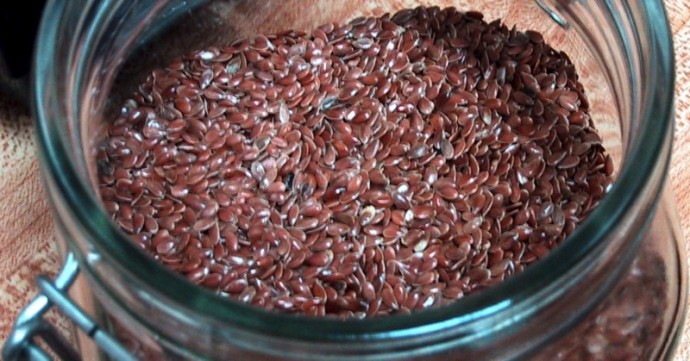
Image Source: http://www.sciencecrumbs.com/wp-content/uploads/2013/06/Flax-Seed.jpg

How To End Sugar Cravings

Not all sugars are created equal, and they’re hidden in most of today’s processed foods. Nutritionist, fitness trainer, and author JJ Virgin has written a new book that helps open your eyes to the way sugars are hidden.
The book also provides practical tips on how to wean yourself from this pernicious ingredient that will decimate your health.

by DR. MERCOLA

In The Sugar Impact Diet: Drop 7 Sugars to Lose Up to 10 Pounds in Just 2 Weeks, she tackles the confusion surrounding sugar. Many health-conscious people are still under the mistaken belief that as long as the sugar is all-natural, it’s fine to eat.
Not so. Agave, natural fruit juice, raw cane sugar, and any number of other natural sugars will still wreak havoc on your health.

“[S]ugar is really public enemy number one,” she says. “That’s why I chose to focus on it. I don’t think added sugar is really the problem; I think it’s what’s in a lot of our food that we don’t recognize [as sugar].

Whether it’s having apple juice (which is worse for you than a soda), or having a yogurt sweetened with fruit juice concentrate, or whether you’re just thinking that fruits are free for all, these are all creating problems.

I wanted to create a structured program that could help someone break free of those sugar cravings, drop the weight forever, and then let them go back and [do a food] challenge… in order to connect the dots between what happens when they drink one of those big fruit smoothies that are supposed to be so healthy.”


To End Sugar Cravings, Your Body Needs to Burn Fat as Its Primary Fuel

As JJ notes, whether the sugar comes in the form of a muffin, a fruit juice-sweetened yogurt, or a smoothie, it’s all the same thing to your body. “Food is information,” she says. And she’s right.


Once you break free from your body’s constant need for yet another sugar fix (remember, sugar is more addictive than cocaine!), you’ll experience great levels of newfound energy and clarity of mind. But in order to get there, you need to retrain your body to burn fat as its primary form of fuel instead of sugar.


This can be a real challenge for many. JJ’s book specifically addresses the gradual process of getting from burning sugar to burning fat as your body’s primary fuel, in order to maximize your chances for success.


“There’s got to be a transition period, where you go from sugar burner to getting your body to be able to start to burn fat again,” she explains.

“You have to taper down from where your starting point is, which is what I call a Sneaky Sugar Inventory, of things you would never think about (like sundried tomatoes and marinara sauce) that we’re just using like crazy not realizing how much sugar this is actually adding into our food.”

The Sugar Impact Scales: A New Way of Looking at Sugar

As an initial step, you’ll want to weigh yourself and measure your waist-to-hip ratio, to determine your starting point. Next, you do an initial inventory of all the hidden sugars in your diet.


This means reading the labels on all the foods you eat, including items you might never expect to contain sugar, such as that jar of pickles, condiments, sauces, and marinades, and so on. JJ lists all the sneaky places sugars hide in your diet in her book, and by creating what she calls Sugar Impact Scales, she’s created a new way of looking at sugar.


“It looks at fructose grams, glycemic load, nutrient density, and fiber. Bad are fructose and glycemic load; good are nutrient density and fiber,” she explains.

“Depending on where the food falls, it can either be low, medium, or high-sugar impact. The reason this was so important to me is I keep looking at programs out there, and they either focus on fructose… glycemic index, or glycemic load.

That can be very confusing because it makes things like agave sweetener look great. It makes milk look great… People go, ‘We should have fructose because fructose is low on the glycemic index.’


The difference between fructose and glucose is fructose doesn’t trigger the whole insulin response. Because of that, it doesn’t trigger insulin, leptin, or ghrelin, so it doesn’t tell your body you ate anything. Instead, it just goes to the liver. If there’s no room for it to become glycogen… it starts becoming fat.

You look at that and you go, ‘Okay, food is information. What does fructose say?’ It says, ‘Hey, make fat but don’t tell us we ate. Stay hungry.’ What a nightmare!”


So what are the basic symptoms of having high-sugar impact? Gas and bloating are common, as sugar feeds yeast, fungi, and detrimental bacteria in your gut. Other symptoms include joint pain, headaches, fatigue, inability to lose weight or weight loss resistance, and sugar cravings.


By grading yourself on those and other symptoms, while tracking your waist, hip, and weight, you’ll get a clearer picture of how sugar impacts your body, and your progress in terms of retraining your body to burn fat instead of sugar as its primary fuel.


The Three Cycles of the Sugar Impact Diet

The first cycle is a one to two-week long taper cycle, in which you switch from high sugar impact foods to medium sugar impact foods. As an example, if you typically eat regular pasta, you’d switch over to quinoa pasta.


She also recommends scheduling your meals to where you’re not eating every two hours; rather you stretch the time between meals to prevent insulin spikes. This is one form of intermittent fasting. At the end of this taper-down period of one or two weeks, you retest yourself on the sugar impact quiz, to see how you’ve done.


If all is going as planned, you should notice a reduction in your symptoms. At that point, you move on to cycle two, in which you’re really resetting your taste buds and reclaiming your sugar sensitivity, meaning your ability to taste how sweet a food really is.


“What I’m doing is I’m getting rid of all of the fructose. We’re getting down to five grams or less [per day], just as low as possible because you don’t want your body to be good at processing fructose. One thing we know is that the more fructose you eat, the better you get at handling fructose, which means the faster it goes to your liver, the faster you start making fat, and the more fat you make.


If someone’s used to eating fruit, they eat more fruit, they eat more fruit, and they can handle it. If you never eat any fruit, and you ate a bunch of fruit, you’d be bloated, you’d be gassy, and it’d be horrible. I take fruit out altogether except for things like lemons, limes, avocado, tomato, and olives. And we go down to all low-sugar impact foods. But you’re still eating great stuff. You’re eating wild salmon, grass-fed beef, kale, avocado, nuts and seeds, a little quinoa, legumes, and lentils.”


Most people can make the shift from burning sugar to burning fat as primary fuel in this second cycle of the program in a couple of weeks, although it may take longer if you’re seriously insulin/leptin resistant. “The reason it can happen so fast is number one, you’ve got to do that initial one-week [taper] period,” she explains. “Whenever you look at a program, you want to jump right into the most intense part, but you can’t because you’ll fail.”


In the third cycle of the program, you start to challenge yourself by reintroducing some of the medium or even high sugar impact foods. Most people will now find that they’re overwhelmed by the sweetness, or they’ll feel bloated or downright ill by the high-sugar food. As a result, the psychological grip of sweet foods lessen, as you simply do not want to go back to feeling horrible once you’re feeling really great. Interestingly, sour taste, such as that from cultured vegetables, helps to reduce sweet cravings, too.


This is a doubly-beneficial thing, as fermented vegetables also promote gut health. “It’s a sweet tooth strategy,” JJ says. “One of the things that I do in these books is I try to keep it simple and give people simple strategies. But I’m always thinking, “How am I healing their gut with this? How am I improving their gut flora? How are we reducing inflammation?”


Healthy Snack Alternatives

Nuts, which are one of my favorite snack foods, are also great for satisfying the occasional hunger pang. Typically, when I’m at home, I only have one meal a day, a very large salad. But I will snack on nuts, specifically macadamia nuts and occasionally pecans, because of two criteria:

1. They’re very high in fat – the good fat, oleic acid, which is similar to olive oil, and

2. They’re low in protein, so you won’t run the risk of eating a whole day’s worth of protein in a few handfuls of nuts (which could be the case if you eat a lot of almonds)


That said, as JJ warns, be aware of your food triggers, and if you cannot keep a jar of nuts in your house without polishing off the whole thing in one sitting, you just turned a good thing into something bad. While nuts do contain healthy fats, they also tend to be high in calories, so moderation is in order.


“If you know something’s your trigger, don’t bring it into the house. It doesn’t matter if it’s healthy or unhealthy. But I think if you put them into little serving baggies, that’s a perfect way to go with it. I also like that because most people aren’t home all day long, so I say, ‘Put one in your car. Put it in your purse. Put it in your office so that you have them scattered around if you ever get in trouble.’


Another healthy snack that is much harder to overdo is dehydrated kale chips. I’m in the process of planting six dozen kale plants on my property to create a surplus for this very reason. That way I can have kale chips year-round. Roasted Brussels sprouts are another alternative that you can’t really “overdose” on.


Last But Not Least—The Maintenance Phase

It’s quite rare to find someone who’s not burning sugar as their primary fuel these days. To check yourself, simply observe how frequently you feel hungry. If you’re hungry every two hours or so, you’re burning sugar. You’re craving food because sugar is fast burning, and your hunger is an indication that your body wants to be refueled. Once you’re burning fat as your primary fuel, you can easily go five to six hours or longer without feeling hungry, as fat is a far slower-burning fuel. Sugar cravings are also virtually eliminated once you’re burning fat rather than sugar.


Most everyone watching this would benefit from applying a program such as the one JJ has put together. The question is, once you’ve successfully made the switch, how long do you have to continue eating this way? What does maintenance look like?


“The maintenance phase is different from the weight loss phase,” JJ explains. “It’s like dating and marriage. Totally different beasts, right? During the maintenance phase—for weight loss—it’s about setting new goals and doing different fitness activities. The biggest thing that I want someone to do is to connect the dots between what they’re eating and how they feel. It’s to lose that sweet tooth that they had and reclaim their sugar sensitivity so they really say, ‘Oh, wow, that’s how sweet a blueberry really is.’


[In the maintenance phase] you’ve got to mix up your exercise; you’ve got to mix up your food… [F]ood is information. You want your food to tell your body to burn fat not sugar, keep steady energy, great focus, and reduce inflammation. It’s the same with exercise. Exercise can be therapeutic or destructive. I do no endurance training at all. I do not believe in endurance training. I did so much endurance training [when I was younger, yet] I was always slightly overweight. I was never lean.”


JJ recommends high intensity interval-type exercises over endurance training, and for good reason. Endurance training is actually among the least effective forms of exercise when it comes to weight loss, and research has shown that the benefits of high intensity exercise are not necessarily related to calories burned. Rather, it creates beneficial metabolic changes that promote health and muscle growth while boosting fat burning.


These metabolic changes, which include boosting human growth hormone (HGH), do not occur when you’re doing endurance training such as long-distance running.


She’s also a big proponent of exercising in a fasted state, as this actually helps repair, restore, and rejuvenate your muscle tissues. A conflicting approach calls for loading up on carbs and protein before and after exercise, to boost performance and muscle building. So which one should you follow? It may be worth taking JJ’s advice, and experiment to determine what works best for you, depending on your fitness and weight loss goals:

“I kind of play with both of them. Because if you eat a little bit before you work out, you can generally work out harder. If you’re doing resistance training, a lot of times you’re better off having a little bit [of food] before. If you’re doing burst training, ideally here’s what you would do: on burst-training days, do it first thing in the morning. It doesn’t take long anyway. It’s 15 minutes at the most. Ideally, do that a couple of mornings a week, two or three mornings a week. You do your resistance training two times a week, have a little bit of food before; have something really good afterwards, and you’re set.”


More Information

If you’ve tried cutting calories while still eating foods like gluten, pasteurized dairy, and processed fructose, yet failed to lose weight, the problem lies not in insufficient calorie restriction. Rather, you were still eating the wrong foods, albeit in smaller amounts. Once you start viewing food as information, you can begin to appreciate how certain foods, fructose in particular, instructs your body to store fat and not let any of it go…


What you eat makes all the difference, and when it comes to successfully losing weight, a major key is switching your body from burning sugar to burning fat as its primary fuel. In order to do this, you need to cut down on the fructose-laden foods that tell your body to:

-Store the sugar as fat

-Eat more (as fructose doesn’t trigger insulin, leptin, or ghrelin to the same degree as glucose, which means it doesn’t tell your body you just consumed a whole bunch of calories)

by DR. MERCOLA

Broccoli Sprouts Kill Cancer; Fast

The development of science once more suggests that the best medicine can be found in the diet, and the most knowledgeable doctor is the Nature. In this case, broccoli, or even more potent, broccoli sprouts, have been proved to possess the capacity to prevent numerous health issues.

broccoli-sprouts-kill-cancer-fast

This vegetable has been repeatedly shown to be one of nature’s most valuable health-promoting foods. Broccoli sprouts are more than beneficial in cases of:

  • Allergies (1)
  • Osteoarthritis (2)
  • Diabetes (3)
  • Hypertension(4, 5)
  • Cancer

Broccoli Kills Cancer

Many researchers suggest that eliminating cancer stem cells may be key to controlling cancer. Sulforaphane, a sulfur compound, has been shown to kill these cancer stem cells, thereby, it has the potential to slow down the growth of cancer.

This is a thing that cannot be done by chemotherapies, but it can be done through our diet! The  cancer- fighting power of broccoli has been proved on various occasions, ever since studies in the mid-1990s showed that the broccoli compound glucoraphanin, which is a precursor to sulforaphane, boosts cell enzymes that protect against molecular damage from cancer-causing chemicals. (910 )

Moreover, studies have also found that sulforaphane normalizes DNA methylation.(11) This is a process by which a methyl group is added to part of a DNA molecule.

The methyl groups consists of one carbon atom attached to three hydrogen atoms. DNA methylation is crucial in regulating gene expression, and is also an extremely important a part of normal cell function, allowing cells to “remember who they are and where they have been”.

This DNA process also suppresses the genes for things we want to avoid, such as viral and other disease-related genes. On the other hand, abnormal DNA methylation plays a critical role in the development of nearly all types of cancer.

The sulforaphane found in broccoli activates more than 200 different genes. To be more concrete, broccoli possesses the needed ingredients to activate genes that prevent cancer development, and deactivate the opposite ones, the genes that help the cancer to spread. What is even better, you do not need large amounts of broccoli to use its benefits and feel ots effects.

Actually, PLoS One (12found published a study in 2008 which studied the effects of broccoli. The researchers collected tissue samples over the course of the study and found that the men who ate broccoli showed hundreds of beneficial changes in genes known to play a role in fighting cancer.

In addition, their findings showed that four servings of broccoli per week are enough to protect from prostate cancer. One serving of broccoli is about two spears, which means that the enough quantity is only 10 broccoli spears per week.

Various Cancers Can Be Cured With The Use Of Sulforaphane

One rather disturbing aspect of chemo- protection strategies is that they are rarely organ-specific. In particular, chemo- protection produces a general cancer protective effect which blocks multiple steps that are common to cancer formation. This is probably a reason why broccoli appears to work against a variety of different types of cancers.

There have been numerous studies on the sulforaphane’s effect on breast cancer, and it has been discovered that it hinders the growth of human breast cancer cells as well, at least in the laboratory. Moreover, it was also proved that it acts by disrupting the action of protein microtubules within the cancer cells, which promote cell division and growth.

What makes broccoli even more suitable for this matter is the fact that certain cancer drugs also work in this manner, but, of course, its use does not bring any of the side effects associated with synthetic drugs.

Furthermore, PreventDisease.com (13) also reports that:
“Previous research has also proven that the compound blocks the formation of breast tumors in rats, and it can even force colon cancer cells to commit cell suicide. It seems that sulforaphane works its magic on the detoxification enzymes that try to defend the cancer-promoting substances.”

Sprouts Have Even Bigger Power

As we previously mentioned, about 10 broccoli spears per week has been shown to offer protection against prostate cancer. Nevertheless, fresh broccoli sprouts have been shown to be far more capable and powerful, allowing you to eat far less in terms of quantity, which is excellent for those who do not like the taste or smell of broccoli.

In terms of research, (14) even small quantities of broccoli sprout extracts have been shown to markedly reduce the size of rat mammary tumors that were induced by chemical carcinogens.

 “Three-day-old broccoli sprouts consistently contain 20 to 50 times the amount of chemoprotective compounds found in mature broccoli heads, and may offer a simple, dietary means of chemically reducing cancer risk.”- according to researchers at Johns Hopkins University. (15)

Another good thing related to broccoli sprouts is that you can grow them at home quite easily and with low costs. Moreover, it is an advantage that they do not need to be cooked. They are eaten raw, usually as an addition to salad.

When compared to either broccoli or cauliflower, which also contains sulforaphane, (16)three-day-old broccoli sprouts contain anywhere from 10 to 100 times higher levels of glucoraphanin, compared to the mature varieties.

If you prefer mature broccoli heads, always opt for a variety of high potency, since the chemo- protective abilities of samples from 22 varieties of fresh and seven brands of frozen mature broccoli varied greatly, as tests showed. Fresh broccoli sprouts, on the other hand, are far more uniform in their potency. (17)

Furthermore, an extract of broccoli sprouts was discovered to be capable to protect your skin from sun damage, which could potentially lead to skin cancer.

Actually, Dr. Paul Talalay, a professor of pharmacology and molecular sciences at Johns Hopkins University School of Medicine in Baltimore investigated this issue and claims that:

“Cells contain an elaborate network of protective genes that code for proteins that protect against four principal injurious processes to which all of our cells are exposed and which are the causes of cancer, degenerative disease and aging. Those four processes are: oxidation; DNA damage; inflammation and radiation, namely ultraviolet radiation. The cells’ protective system normally operates at about one-third capacity, so the real question is what would ramp up that system.

The highest doses of sulforaphane extract reduced UV-induced redness and inflammation (erythema) by an average of 37 percent, although protection varied from 8 percent to 78 percent. If you apply an extract of broccoli sprouts that contains high levels of sulforaphane to regions of human skin, you can protect them very substantially.” 

Grow Your Own Broccoli Sprouts

Broccoli sprouts are easily grown at home, even if you have limited space. What is extremely important is to always pick organic seeds, and a pound of seeds will probably make over 10 pounds of sprouts. When you try, you will discovered that it is very easy to grow a continual supply of broccoli sprouts, and the benefit of your homemade- grown broccoli is more than evident.

By Dr. Mercola

12 Signs Your Health Problems are Actually Magnesium Deficiency Symptoms

magnesium-12Could your health problems actually be magnesium deficiency symptoms? The symptoms can be anything from headaches to PMS.   Chances are you’re deficient in this mineral as more than 80% of the population is not getting enough magnesium.


Low magnesium is often overlooked, especially by doctors who rarely consider the role of nutrition and vitamins. Yet, there are hundreds of magnesium deficiency symptoms that this can cause, in addition to many diseases that can be exacerbated.

Almost a year ago, I went to my family doctor because I was having painful menstrual cramps every month.  I asked him what could be causing this and what I should do about it. His response was that it was genetic; there’s nothing that can be done. His only suggestion was to take an over the counter medication to deal with the pain. But, after researching this online, I found that menstrual cramps are one of the common magnesium deficiency symptoms. Eager to try this, I corrected my ratio of calcium and magnesium and within a month voila! No more cramps!

Sadly, doctors today know little to none about the importance of magnesium in the body and the resulting magnesium deficiency symptoms. Your best hope is to be your own doctor and research  magnesium deficiency symptoms to find out if this could be the cause.


Why Are we not Getting Enough Magnesium?

It is very hard to get enough magnesium through your diet, no matter how healthy you eat. This is because modern farming processes have depleted our soil of adequate natural magnesium. Also, there are many other factors that significantly decrease the amount of magnesium absorbed in our bodies. These include:

-Stress: Many of us experience high levels of stress on a daily basis. When we experience stress or anxiety, this causes our bodies to deplete our magnesium.


-Diet: Certain foods can also result in a decrease in magnesium such as caffeine, alcohol, and sugar. It has been estimated that it takes 287 molecules of magnesium to metabolize one glucose molecule.


-Medications: There are many over-the-counters and prescription medications that deplete magnesium. These include: birth control pills, diuretics, insulin, and antibiotics.


Why You Need Magnesium

Magnesium is a mineral that is responsible for numerous bodily processes. It is the fourth most abundant mineral in our bodies and is essential for carrying out over 300 reactions within the body.


Magnesium is commonly known for helping relieve constipation, but that is just one of it’s many crucial roles in the body. Magnesium is important for the functioning of your heart, muscles, kidneys, and balancing many other nutrients such as calcium and potassium. Having adequate magnesium levels has been found to ward off diabetes, prevent osteoporosis, and improve blood pressure.


12 Common Magnesium Deficiency Symptoms:

1. Anxiety
2. Weak Bones
3. Low Energy
4. Weakness
5. Inability to Sleep
6. PMS and Hormonal Imbalances
7. Irritability
8. Nervousness
9. Headaches
10. Abnormal Heart Rhythm
11. Muscle Tension, Spasms, Cramps
12. Fatigue


These are just a few of the most common magnesium deficiency symptoms. Additional  magnesium deficiency symptoms include: constipation, vertigo, stiff and achy muscles, insomnia, and muscle weakness. There are many more health problems that having low magnesium can cause. If you think you may be experiencing a magnesium deficiency symptom, but it’s not listed above, make sure to do a thorough search online.


Additional Conditions/Diseases Associated with Magnesium Deficiency:

Much research has found that individuals with magnesium deficiency are at an increased risk for developing diabetes, high blood pressure, Parkinson’s, kidney stones, and restless legs syndrome, just to name a few.


How to Find Out if You’re Truly Deficient in Magnesium

When comes to determining if you have a magnesium deficiency, unfortunately, there is not a great way to find out, such as from a test. There are blood tests that can be used to check the level of magnesium in your body to evaluate if you have magnesium deficiency; however, they have been found to be inaccurate. This is because the blood serum tests only give a reading of the level of magnesium in your blood and only one percent of the magnesium in your body is distributed in your blood. Thus, you have to rely on making a diagnosis for magnesium deficiency based on magnesium deficiency symptoms, not a blood test.


It is best to look at the symptoms your experiencing and try supplementing with magnesium and evaluate whether it helped or not.


For me, after looking at the list of magnesium deficiency symptoms, I knew there were at least 3 that I had and it was likely that I had a magnesium deficiency. I also have some anxiety and I’m sure that was contributing to my decreased magnesium.


How to Increase Your Magnesium:

There are several ways you can increase your magnesium.

1. Use Epsom salts – Add Epsom salts to your bath or make a foot bath. Magnesium is highly absorbed through the skin (transdermally) .


2. Apply magnesium oil – Similar to Epsom salts, magnesium oil is made from adding the magnesium flakes (see them here) to water. You can add them to your bath, make a small mixture and spray it on your skin or rub it on with a washcloth. You can also, buy it pre-made.


3. Eat foods high in magnesium – such as leafy green vegetables and nuts. (however, with magnesium deficiency, it would be tough to raise your levels enough solely through diet) This is a helpful chart that lists foods high in magnesium.


4. Take a magnesium supplement.


My Experience with Treating Magnesium Deficiency:

After I started researching magnesium deficiency, the more I explored it, the more I thought I found the cause of my health issues. However, my doctor ignored me when I brought up the fact that magnesium deficiency may be behind my anxiety, menstrual cramps, or difficulty sleeping, so I had to find out for myself if my self-diagnosis was right. I started to increase my magnesium slowly, first by adding more green vegetables into my diet and taking baths with Epsom salts. This did make a great improvement and decreased the occurrence of my magnesium deficiency symptoms; however, I still felt that I wasn’t getting an adequate amount. So, I started making and applying magnesium oil, once every morning and this helped very much. After a full month, nearly all of my symptoms had been resolved.


When trying to increase your magnesium levels, you may need to use a combination of ways to ensure you’re getting enough. You can base this off your symptoms. Also, one sign to watch for, while you increase your magnesium, is diarrhea, if you’re getting too much this will occur.

by LORI KLEIN

Sources:
http://umm.edu/health/medical/altmed/supplement/magnesium
http://www.mayoclinic.org/drugs-supplements/magnesium-supplement-oral-route-parenteral-route/description/DRG-20070730

Credit: http://healthextremist.com

10 Most Overlooked Symptoms of Adrenal Fatigue

Conventional medical wisdom only recognizes the most extreme version of adrenal fatigue known as Addison’s disease. Often connected to a severe autoimmune disease, about 4 out of 100,000 people are diagnosed with Addison’s, making it extremely rare. A more subtle version of the disease called non-Addison’s hypoadrenia, or adrenal fatigue, is not an official medical condition as typical testing methods do not measure low hormonal levels caused from depleted adrenal glands. Thus, when patients experience symptoms related to low adrenal levels and seek treatment, they are often sent home with no diagnosis as or a misdiagnosis resulting in unnecessary pharmaceutical intervention.

However, with holistic health practitioners and an increasing body of Medical Doctors leading the way, more and more health care professionals are acknowledging the existence of adrenal fatigue and the subsequent affects it has on our overall health. Adrenal fatigue

It’s important to remember that the adrenal glands, though less than the size of a walnut, produce some of the most vital compounds in our body. One of the most important compounds produced are the hormones our body uses to adapt to stress. However, when the adrenal glands are over worked or over stressed adrenal fatigue can set in which causes several consequences for our overall health.

10 Symptoms of Adrenal fatigue

Unfortunately, there are no tests that diagnose adrenal fatigue. Diagnosis is made by observing these symptoms.

(1) Feeling tired all the time- You wake up tired, even after what should have been a good night’s sleep. You nap, but never feel like you’ve had enough.
(2) Low libido.
(3) Craving for salty and sweet foods
(4) Dizzy or light headed while getting up quickly from sitting or prone positions.
(5) Increased PMS or menopausal symptoms.
(6) Mood swings that were uncharacteristic earlier in life.
(7) Often spacey, or foggy thinking, even memory loss.
(8) Hormonal imbalance and/or depletion.
(9) Constant muscular tension leading to hypertension and high blood pressure. Inability to relax completely.
(10) Autoimmune issues: constantly catching colds or allergic reactions.


Rebuilding your adrenals

You can feel well again, but  it does take time.

If you have adrenal fatigue, you can fully live life again by making the necessary lifestyle and dietary changes to treat your disorder. Here is what you need to do.

-Eat organic, healthy natural foods.

-Sleep at least 8 hours a day.

-Exercise.

-Minimize stress

-Eat regular meals

-Avoiding junk  and processed food

-Eat a lot of vegetables daily.

-Take calcium and magnesium supplements

-Adding sea salt to your diet

-Take B-complex supplements

-Take licorice root extract

by ANYA V

Source: Living Traditionally