Category: General Health

You Can Have Up To 30 Pounds Of Poison In Your Colon. Here is What You Can Do

colon cleanseThe colon is a vital part of a healthy, functioning body. It plays a role in digestion, in your immune system, and in maintaining the water balance in your body. The colon is the part of the large intestine extending from the cecum to the rectum. A colon that is not working properly will hold toxic waste longer than is good for you. An unhealthy colon is one that does not move the waste along efficiently enough. It  results in this toxic waste being absorbed by the wall of the colon and into the bloodstream. For a healthy colon, it takes less than 24 hours for food to transit through our body. But with modern eating habits (processed food that lacks enzymes, fibers and nutrients) the transit time slows down to 70 hours.  This results in a toxic colon and up to 30 pounds of accumulated waste.

And the most common sign of having a toxic colon is a condition called constipation.   Constipation occurs when waste materials move too slowly through the large bowel, resulting in infrequent and/or painful elimination.

Toxic colon Symptoms:

-Digestive symptoms
Constipation, bloating, diarrhea, gas, indigestion, stomach pain

-General health
Joint pain, muscle pain

-Behavioral symptoms
Depression, fatigue, anxiety, brain fog, mood swings, poor memory

-Immune system
Weak immune system, recurrent vaginal or bladder infections, skin rashes

Bernard Jensen DC, ND, PhD is one of the pioneers who used colon cleansing to improve a person’s quality of life. In his book, Tissue Cleansing Through Bowel Management, he explains the importance of colon cleansing: “the heavy mucus coating in the colon thickens and becomes a host of putrefication. The blood capillaries to the colon begin to pick up the toxins, poisons and noxious debris as it seeps through the bowel wall. All tissues and organs of the body are now taking on toxic substances. Here is the beginning of true autointoxication on a physiological level. This accumulation can have the consistency of truck tire rubber. It’s that hard and black.”


The Easiest Homemade Colon Cleanser

Master Cleanse is a 10-16 day cleansing program developed in 1940 by alternative health practitioner, Stanley Burroughs. In 1976, Burroughs presented his cleansing program to the world through a book titled The Master Cleanser.

Ingredients

(single serving):

-2 Tablespoons of organic lemon Juice (about 1/2 a Lemon)

-2 Tablespoons of Organic grade B maple syrup (not the commercial maple flavored syrup some use on pancakes) – you can find it here here

-1/10 Teaspoon Cayenne pepper powder

-Ten ounces of filtered water

Directions

Mix everything together. Drink this mixture 5 to 8 times per day for a minimum of 10 days.

Sources:
livingtraditionally
safecoloncleanse
healthyfoodhouse

The Many Uses of the Mighty Moringa Tree

The Many Uses of the Mighty Moringa Tree - Fresh Moringa

Moringa oleifera is a fast-growing tree native to South Asia and now found throughout the tropics. Its leaves have been used as part of traditional medicine for centuries, and the Ayurvedic system of medicine associates it with the cure or prevention of about 300 diseases.1

Moringa, sometimes described as the “miracle tree,” “drumstick tree,” or “horseradish tree,” has small, rounded leaves that are packed with an incredible amount of nutrition: protein, calcium, beta carotene, vitamin C, potassium… you name it, moringa’s got it. No wonder it’s been used medicinally (and as a food source) for at least 4,000 years.2

The fact that moringa grows rapidly and easily makes it especially appealing for impoverished areas, and it’s been used successfully for boosting nutritional intake in Malawi, Senegal, and India. In these areas, moringa may be the most nutritious food locally available, and it can be harvested year-round.3

Personally, I grew a moringa tree for two years and I can attest to the fact that it grows like a weed. For those living in third-world countries, it may very well prove to be a valuable source of nutrition. However I don’t recommend planting one in your backyard for health purposes as the leaves are very small and it is a timely and exceedingly tedious task to harvest the leaves from the stem to eat them. You’ll likely find, as I did, that growing one is more trouble than it’s worth.

That being said, there is no denying that moringa offers an impressive nutritional profile that makes it appealing once it is harvested. You can get the benefits of moringa using fresh moringa leaves, powdered moringa, or cold-pressed moringa oil.

6 Reasons Why Moringa Is Being Hailed as a Superfood

1. A Rich Nutritional Profile

Moringa leaves are loaded with vitamins, minerals, essential amino acids, and more. One hundred grams of dry moringa leaf contains:4

  • 9 times the protein of yogurt
  • 10 times the vitamin A of carrots
  • 15 times the potassium of bananas
  • 17 times the calcium of milk
  • 12 times the vitamin C of oranges
  • 25 times the iron of spinach

2. Antioxidants Galore

Moringa leaves are rich in antioxidants, including vitamin C, beta-carotene, quercetin, and chlorogenic acid. The latter, chlorogenic acid, has been shown to slow cells’ absorption of sugar and animal studies have found it to lower blood sugar levels. As noted in the Asian Pacific Journal of Cancer Prevention:5

“The leaves of the Moringa oleifera tree have been reported to demonstrate antioxidant activity due to its high amount of polyphenols.

Moringa oleifera extracts of both mature and tender leaves exhibit strong antioxidant activity against free radicals, prevent oxidative damage to major biomolecules, and give significant protection against oxidative damage.”

Further, in a study of women taking 1.5 teaspoons of moringa leaf powder daily for three months, blood levels of antioxidants increased significantly.6

3. Lower Blood Sugar Levels

The Many Uses of the Mighty Moringa Tree - Moringa LeafMoringa appears to have anti-diabetic effects,7 likely due to beneficial plant compounds contained in the leaves, including isothiocyanates. One study found women who took seven grams of moringa leaf powder daily for three months reduced their fasting blood sugar levels by 13.5 percent.8

Separate research revealed that adding 50 grams of moringa leaves to a meal reduced the rise in blood sugar by 21 percent among diabetic patients.9

4. Reduce Inflammation

The isothiocyanates, flavonoids, and phenolic acids in moringa leaves, pods, and seeds also have anti-inflammatory properties. According to the Epoch Times:10

The tree’s strong anti-inflammatory action is traditionally used to treat stomach ulcers. Moringa oil (sometimes called Ben oil) has been shown to protect the liver from chronic inflammation. The oil is unique in that, unlike most vegetable oils, moringa resists rancidity.

This quality makes it a good preservative for foods that can spoil quickly. This sweet oil is used for both frying or in a salad dressing. It is also used topically to treat antifungal problems, arthritis, and is an excellent skin moisturizer.”

5. Maintain Healthy Cholesterol Levels

Moringa also has cholesterol-lowering properties, and one animal study found its effects were comparable to those of the cholesterol-lowering drug simvastatin.11 As noted in the Journal of Ethnopharmacology:12

“Moringa oleifera is used in Thai traditional medicine as cardiotonic. Recent studies demonstrated its hypocholesterolemic effect.

… In hypercholesterol-fed rabbits, at 12 weeks of treatment, it significantly (P<0.05) lowered the cholesterol levels and reduced the atherosclerotic plaque formation to about 50 and 86%, respectively. These effects were at degrees comparable to those of simvastatin.

… The results indicate that this plant possesses antioxidant, hypolipidaemic, and antiatherosclerotic activities, and has therapeutic potential for the prevention of cardiovascular diseases.”

6. Protect Against Arsenic Toxicity

The leaves and seeds of moringa may protect against some of the effects of arsenic toxicity, which is especially important in light of news that common staple foods, such as rice, may be contaminated.13 Contamination of ground water by arsenic has also become a cause of global public health concern, and one study revealed: 14

“Co-administration of M. oleifera [moringa] seed powder (250 and 500 mg/kg, orally) with arsenic significantly increased the activities of SOD [superoxide dismutase], catalase, and GPx with elevation in reduced GSH level in tissues (liver, kidney, and brain).

These changes were accompanied by approximately 57%, 64%, and 17% decrease in blood ROS [reactive oxygen species], liver metallothionein (MT), and lipid peroxidation respectively in animal co-administered with M. oleifera and arsenic.

Another interesting observation has been the reduced uptake of arsenic in soft tissues (55% in blood, 65% in liver, 54% in kidneys, and 34% in brain) following administration of M. oleifera seed powder (particularly at the dose of 500 mg/kg).

It can thus be concluded from the present study that concomitant administration of M. oleifera seed powder with arsenic could significantly protect animals from oxidative stress and in reducing tissue arsenic concentration. Administration of M. oleifera seed powder thus could also be beneficial during chelation therapy…”

Moringa Leaves May Even Purify Water… and More

From a digestive standpoint, moringa is high in fiber that, as the Epoch Times put it, “works like a mop in your intestines… to clean up any of that extra grunge left over from a greasy diet.”15 Also noteworthy are its isothiocyanates, which have anti-bacterial properties that may help to rid your body of H. pylori, a bacteria implicated in gastritis, ulcers, and gastric cancer. Moringa seeds have even been found to work better for water purification than many of the conventional synthetic materials in use today.

According to Uppsala University:16

“A protein in the seeds binds to impurities causing them to aggregate so that the clusters can be separated from the water. The study… published in the journal Colloids and Surfaces A takes a step towards optimization of the water purification process.17

Researchers in Uppsala together with colleagues from Lund as well as Namibia, Botswana, France, and the USA have studied the microscopic structure of aggregates formed with the protein.

The results show that the clusters of material (flocs) that are produced with the protein are much more tightly packed than those formed with conventional flocculating agents. This is better for water purification as such flocs are more easily separated.”

There is speculation that moringa’s ability to attach itself to harmful materials may also happen in the body, making moringa a potential detoxification tool.

How to Use Moringa

The Many Uses of the Mighty Moringa Tree - Moringa PowderIf you have access to a moringa tree, you can use the fresh leaves in your meals; they have a flavor similar to a radish. Toss them like a salad, blend them into smoothies, or steam them like spinach. Another option is to use moringa powder, either in supplement form or added to smoothies, soups, and other foods for extra nutrition. Moringa powder has a distinctive “green” flavor, so you may want to start out slowly when adding it to your meals.

You can also use organic, cold-pressed moringa oil (or ben oil), although it’s expensive (about 15 times more than olive oil).18 As mentioned, while I don’t necessarily recommend planting a moringa tree in your backyard (a rapid-growing tree can grow to 15 to 30 feet in just a few years), you may want to give the leaves or powder a try if you come across some at your local health food market. As reported by ethnobotanist Chris Kilham, this is one plant food that displays not just one or two but numerous potential healing powers:19

“Virtually all parts of the plant are used to treat inflammation, infectious disorders, and various problems of the cardiovascular and digestive organs, while improving liver function and enhancing milk flow in nursing mothers. The uses of moringa are well documented in both the Ayurvedic and Unani systems of traditional medicine, among the most ancient healing systems in the world.

Moringa is rich in a variety of health-enhancing compounds, including moringine, moringinine, the potent antioxidants quercetin, kaempferol, rhamnetin, and various polyphenols. The leaves seem to be getting the most market attention, notably for their use in reducing high blood pressure, eliminating water weight, and lowering cholesterol.

Studies show that moringa leaves possess anti-tumor and anti-cancer activities, due in part to a compound called niaziminin. Preliminary experimentation also shows activity against the Epstein-Barr virus. Compounds in the leaf appear to help regulate thyroid function, especially in cases of over-active thyroid. Further research points to anti-viral activity in cases of Herpes simplex 1.”

19th September 2015

By Dr. Joseph Mercola

Guest Writer for Wake Up World


Keeping your pH balance in check

alkaline body

It is when we constantly eat and drink foods with an acidic effect on the body that we force our body into neutralizing those excess acids, and it is in this processing of the acids that the damage is done. The repeated neutralisation of excess acids leads to inflammation, an over-active immune system, candida overgrowth, chronic fatigue, poor digestion, weight gain and more.  By fuelling our body with alkalinity we give it those nutrients it needs to thrive, and in return, it will make you feel amazing.

Five Steps to An Alkaline pH

1. Go Green

The most alkaline foods on earth are those that contain the richest amounts of vitamins, minerals and other nutrients – and the foods at the top of that list are all leafy greens. In 2014, research published in the journal “Preventing Chronic Disease” listed the 41 most ‘powerhouse fruits and vegetables’, and the top 16 were all leafy green foods.

Try adding spinach, arugula, kale, chard and lettuce to your daily diet in juices, smoothies, soups and salads.  In teaching and coaching the alkaline diet for the past eleven years, I have found a dramatic increase in energy, weight loss and vitality in people when they can add 4 or more serves of greens (approximately one juice) to their daily diet. On those days when greens are hard to fit in, a powdered green drink or liquid chlorophyll supplement can really help.

2. Hydrate

In my experience, the vast majority of people who are struggling with fatigue or who have ongoing health struggles are chronically dehydrated. Getting enough water each day is one of those ‘to-dos’ that we often forget, because it just seems so obvious.  But so few of us get enough. The general, mainstream recommendation is 8-glasses-a-day, and even though this is actually nowhere near enough, most people don’t even reach this daily milestone! The trick is to make it easy to remember, and to set goals.  Use alarms on your phone, leave reminder notes and set habits such as always having a glass of water when you get to your desk at work, having a glass when after you clean your teeth and so on.

Starting the day with warm lemon water is a great habit to form, as it kicks off your day hydrated every day, with a nice and alkaline start. And if you switch to hydrating herbal teas, such as peppermint and rooibos, instead of dehydrating coffee & regular black tea, you’ll find yourself easily hitting your daily quota. For most people that daily target is: 1 litre of water per 40lbs (18k or 2.85stone) of body weight. It may sound a lot, but don’t try to get there on day one!  Build up to it slowly, and relax – you will get there.

3. Get Oiled

Getting enough omega oils, particularly omega 3 is critically important to so many bodily functions and processes.  Omega 3 is known as an ‘essential’ nutrient, because the body cannot manufacture it alone, it relies upon you to consume it! But so few people get enough. And nobody is to blame, it’s actually pretty hard to get enough through diet alone!  Even if you eat oily fish every day, you still wouldn’t be hitting your target. I recommend that everyone adds 2-3 tablespoons of omega 3 to their diet every day.  And if you do this, the results are fantastic. More energy, soothed digestion, soft skin, clearer thinking, better recovery from exercise and more.  Just from adding in oils!

The easiest way to add this is through supplementation, but I also recommend making your own salad dressings using flax oil, chia seed oil or walnut oil with lemon, herbs and so on.  Be creative – it’s hard to go wrong. Think about it, if you had one salad per day with your own omega-3-rich dressing, you’d be hitting 2 of these 5 steps every day!

4. Cut Out Excessive Acids

I never recommend anyone tries to be perfect with the alkaline approach (or any healthy living approach) from day one.  It’s a surefire way to give up, fast. But I do recommend you start to transition away from your habitual strong acids as quickly as you can.   The worst offenders include soda, sugar, gluten-containing grains and processed meats. If you can start to cut these back, a little each day, then you will be going a long way towards helping your body maintain that pH balance. Again, you don’t have to give it all up at once, on day one.  Just try to cut back on each and set targets for yourself.

5. Reduce Stress

Stress can have more of an impact on the body than any food or drink we consume. Why? Because when we’re under stress, the body produces cortisol. This is fine in genuinely stressful situations, but repeated stress and ongoing cortisol production can have a huge impact on the body. Cortisol serves a very important function, preparing your body for fight or flight situations.  But in doing so it shuts down all ‘non-essential’ functions changing immune system responses and suppressing the digestive system, the reproductive system and growth processes.

Needless to say, the repeated shutting down of the digestive system and altering of immune system processes is very detrimental to your health, your energy and your ability to function. And if you couple these functions with an acidic diet, you could get into trouble, quickly. Finding a way to control stress is easier said than done, but if you’re truly committed to ongoing health and vibrant energy, you simply have to!  There are so many free or inexpensive meditation and stress-relief apps available now, and they are very easy to use. And on an even more basic level, a short walk, or some moderate exercise can do wonders.

Remember, getting alkaline is not about changing your body’s pH, it is about supporting your body to maintain it’s homeostasis, to keep itself working optimally.  And when you’re in balance, your body will thrive and you will look and feel sensational.

What Steps Do You Take To Help Your Body Stay Alkaline?
This article was originally published by foodmatters.tv.

Image Source:

Cannabis and your IQ

Cannabis_Plant
A new study revealed this week shows that in spite of past claims, marijuana use does not affect IQ. The research, performed by the University College of London, was presented on Tuesday at the European Conference of Neuropsychopharmacology in Berlin.

The longitudinal study was performed on over 2,000 students. Researchers studied subjectsonce at age 8 and again at age 15born between 1991 and 1992. As the Washington Post reported, the study found

“‘No relationship between cannabis use and lower IQ at age 15,’ when confounding factors – alcohol use, cigarette use, maternal education, and others – were taken into account. Even heavy marijuana use wasn’t associated with IQ.”

This runs in stark contrast to what an internationally publicized Duke University study found in 2012. That study claimed that using marijuana in adolescence led to irreversible drops in IQan average of 8 points. Though scientists almost immediately objected to the efficacy of the Duke study, the University College of London’s findings are the most recent to prove it wrong.

As the lead author, Claire Mokrysz noted,

“This is a potentially important public health message- the belief that cannabis is particularly harmful may detract focus from and awareness of other potentially harmful behaviors.”


In fact, the only substance the study found to lower IQ was alcohol, a government authorized drug.

While cannabis, a largely prohibited plant, improves a variety of medical ailments, alcohol is mostly detrimental and addictive. Even the state, which allows alcohol consumption, acknowledges alcohol’s health risks and admits that it instigates violence.

Likewise, pharmaceutical painkillers can be highly addictive, are increasingly abused by teenagers, kill more people than the drugs the state forbids, and remain perfectly legal. This is because they are approved by an agency in bed with pharmaceutical companies.

Similarly, toxic chemicals are considered legal and safe (as are poisonous foods and pesticides approved by the FDA and EPA) because corporations pay for special treatment.

Meanwhile, drugs deemed dangerous by the government continue to be outlawed and punished. Marijuana is not the only one. LSD, mushrooms and MDMA are increasingly recognized as beneficial yet they remain classified as Schedule 1 narcotics, described by the DEA as

“Drugs, substances, or chemicals…defined as drugs with no currently accepted medical use and a high potential for abuse. Schedule I drugs are the most dangerous drugs of all the drug schedules with potentially severe psychological or physical dependence.”

Painkillers do not make the list, nor does alcohol.

The London study did find that among the heaviest marijuana users, test scores averaged 3% lower, cautioning that there are still drawbacks to consumption. However, as Mokrysz noted,

“The current focus on the alleged harms of cannabis may be obscuring the fact that its use is often correlated with that of other even more freely available drugs and possibly lifestyle factors. These may be as or more important than cannabis itself.”

The study’s main findings add to the growing body of evidence that marijuana is far more medicinal than it is harmful. The new evidence adds to a long list of other past claims about the plant that have been disproved: that it causes cancer, that it is a gateway drug, and that it leads to crime and delinquency, to name a few.

Regardless of how harmful any drug — legal or illegal — may be, it is clear the government is not concerned with keeping people safe. Rather, its audacity in outlawing beneficial substances and promoting more dangerous ones shows not only its tendency toward corruption, but its belief that it can control what an individual non-violently does with his or her own body.

This notion is more dangerous than any drug the government condemns or endorses, but thanks to increasing studies like the University College of London’s, perceptions and policy continue to change.

Author Carey Wedler and TheAntiMedia.org

The Health Benefits of Bananas

Bananas contain three natural sugars – sucrose, fructose and glucose combined with fiber. A banana gives an instant, sustained and substantial boost of energy. Research has proven that just two bananas provide enough energy for a strenuous 90-minute workout. No wonder the banana is the number one fruit with the world’s leading athletes. But energy isn’t the only way a banana can help us keep fit. It can also help overcome or prevent a substantial number of illnesses and conditions, making it a must to add to our daily diet.


DEPRESSION
According to a recent survey undertaken by MIND amongst people suffering from depression, many felt much better after eating a banana. This is because bananas contain tryptophan, a type of protein that the body converts into serotonin, known to make you relax, improve your mood and generally make you feel happier. PMS: Forget the pills – eat a banana. The vitamin B6 it contains regulates blood glucose levels, which can affect your mood.


ANEMIA

High in iron, bananas can stimulate the production of hemoglobin in the blood and so helps in cases of anemia.


BLOOD PRESSURE:

This unique tropical fruit is extremely high in potassium yet low in salt, making it perfect to beat blood pressure So much so, the US Food and Drug Administration has just allowed the banana industry to make official claims for the fruit’s ability to reduce the risk of blood pressure and stroke.


BRAIN POWER

200 students at a Twickenham school ( England ) were helped through their exams this year by eating bananas at breakfast, break, and lunch in a bid to boost their brain power. Research has shown that the potassium-packed fruit can assist learning by making pupils more alert.


CONSTIPATION

High in fiber, including bananas in the diet can help restore normal bowel action, helping to overcome the problem without resorting to laxatives.


HANGOVERS

One of the quickest ways of curing a hangover is to make a banana milkshake, sweetened with honey. The banana calms the stomach and, with the help of the honey, builds up depleted blood sugar levels, while the milk soothes and re-hydrates your system.


HEARTBURN

Bananas have a natural antacid effect in the body, so if you suffer from heartburn, try eating a banana for soothing relief.


MORNING SICKNESS

Snacking on bananas between meals helps to keep blood sugar levels up and avoid morning sickness.


MOSQUITO BITES:

Before reaching for the insect bite cream, try rubbing the affected area with the inside of a banana skin. Many people find it amazingly successful at reducing swelling and irritation.


NERVES

Bananas are high in B vitamins that help calm the nervous system.. Overweight and at work? Studies at the Institute of Psychology in Austria found pressure at work leads to gorging on comfort food like chocolate and chips. Looking at 5,000 hospital patients, researchers found the most obese were more likely to be in high-pressure jobs. The report concluded that, to avoid panic-induced food cravings, we need to control our blood sugar levels by snacking on high carbohydrate foods every two hours to keep levels steady.


ULCERS

The banana is used as the dietary food against intestinal disorders because of its soft texture and smoothness. It is the only raw fruit that can be eaten without distress in over-chronicler cases. It also neutralizes over-acidity and reduces irritation by coating the lining of the stomach.


TEMPERATURE CONTROL

Many other cultures see bananas as a ‘cooling’ fruit that can lower both the physical and emotional temperature of expectant mothers. In Thailand , for example, pregnant women eat bananas to ensure their baby is born with a cool temperature. So, a banana really is a natural remedy for many ills. When you compare it to an apple, it has FOUR TIMES the protein, TWICE the carbohydrate, THREE TIMES the phosphorus, five times the vitamin A and iron, and twice the other vitamins and minerals.. It is also rich in potassium and is one of the best value foods around So maybe its time to change that well-known phrase so that we say, ‘A BANANA a day keeps the doctor away!’

Source: Natureknows.org

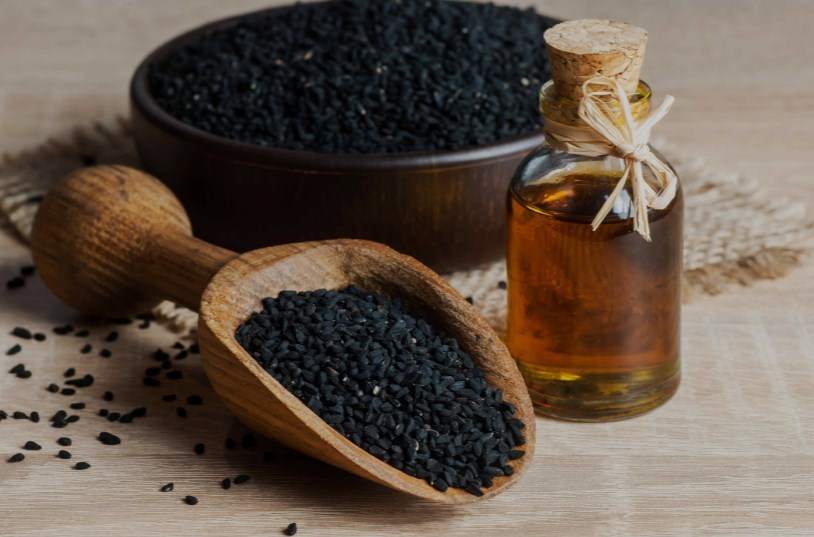
Nigella Sativa – The Remedy For Everything But Death


This humble, but Immensely powerful seed, kills MRSA, heals the chemical weapon poisoned body, stimulates regeneration of the dying beta cells within the diabetic’s pancreas, and yet too few even know it exists.

The seeds of the annual flowering plant, Nigella Sativa, have been prized for their healing properties since time immemorial.  While frequently referred to among English-speaking cultures as Roman coriander, black sesame, black cumin, black caraway and onion seed, it is known today primarily as black seed, which is at the very least an accurate description of its physical appearance.

The earliest record of its cultivation and use come from ancient Egypt. Black seed oil, in fact, was found in Egyptian pharoah Tutankhamun’s tomb, dating back to approximately 3,300 years ago.[i]  In Arabic cultures, black cumin is known as Habbatul barakah, meaning the “seed of blessing.” It is also believed that the Islamic prophet Mohammed said of it that it is “a remedy for all diseases except death.”

Many of black cumin’s traditionally ascribed health benefits have been thoroughly confirmed in the biomedical literature. In fact, since 1964, there have been 458 published, peer-reviewed studies referencing it.

These 22 pharmacological actions are only a subset of a far wider number of beneficial properties intrinsic to the black seed. While it is remarkable that this seed has the ability to positively modulate so many different biological pathways, this is actually a rather common occurrence among traditional plant medicines.

Our project has identified over 1600 natural compounds with a wide range of health benefits, and we are only in our first 5 years of casual indexing. There are tens of thousands of other substances that have already been researched, with hundreds of thousands of studies supporting their medicinal value (MEDLINE, whence our study abstracts come, has over 600,000 studies classified as related to Complementary and Alternative Medicine).

Take turmeric, for example. We have identified research indicating its value in over 600 health conditions, while also expressing over 160 different potentially beneficial pharmacological actions. You can view the quick summary of over 1500 studies we have summarized on our Turmeric Research page, which includes an explorative video on turmeric. Professional database members are further empowered to manipulate the results according to their search criteria, i.e. pull up and print to PDF the 61 studies on turmeric and breast cancer.  This, of course, should help folks realize how voluminous the supportive literature indicating the medicinal value of natural substances, such as turmeric and black seed, really is.

Black seed has been researched for very specific health conditions. Some of the most compelling applications include:

  • Type 2 Diabetes: Two grams of black seed a day resulted in reduced fasting glucose, decreased insulin resistance, increased beta-cell function, and reduced glycosylated hemoglobin (HbA1c) in human subjects.[ii]
  • Helicobacter Pylori Infection: Black seeds possess clinically useful anti-H. pylori activity, comparable to triple eradication therapy.[iii]
  • Epilepsy: Black seeds were traditionally known to have anticonvulsive properties. A 2007 study with epileptic children, whose condition was refractory to conventional drug treatment, found that a water extract significantly reduced seizure activity.[iv]
  • High Blood pressure: The daily use of 100 and 200 mg of black seed extract, twice daily, for 2 months, was found to have a blood pressure-lowering effect in patients with mild hypertension.[v]
  • Asthma: Thymoquinone, one of the main active constituents within Nigella sativa (black cumin), is superior to the drug fluticasone in an animal model of asthma.[vi] Another study, this time in human subjects, found that boiled water extracts of black seed have relatively potent antiasthmatic effect on asthmatic airways.[vii]
  • Acute tonsillopharyngitis: characterized by tonsil or pharyngeal inflammation (i.e. sore throat), mostly viral in origin, black seed capsules (in combination with Phyllanthus niruri) have been found to significantly alleviate throat pain, and reduce the need for pain-killers, in human subjects.[viii]
  • Chemical Weapons Injury: A randomized, placebo-controlled human study of chemical weapons injured patients found that boiled water extracts of black seed reduced respiratory symptoms, chest wheezing, and pulmonary function test values, as well as reduced the need for drug treatment.[ix]
  • Colon Cancer: Cell studies have found that black seed extract compares favorably to the chemoagent 5-fluoruracil in the suppression of colon cancer growth, but with a far higher safety profile.[x] Animal research has found that black seed oil has significant inhibitory effects against colon cancer in rats, without observable side effects.[xi]
  • MRSA: Black seed has anti-bacterial activity against clinical isolates of methicillin resistant Staphylococcus aureus.[xii]
  • Opiate Addiction/Withdrawal: A study on 35 opiate addicts found black seed as an effective therapy in long-term treatment of opioid dependence.[xiii]

Sometimes the biblical reference to ‘faith the size of a mustard seed moving mountains’ comes to mind in connection with natural substances like black seeds. After all, do seeds not contain within them the very hope for continuance of the entire species that bore it?  This super-saturated state of the seed, where life condenses itself down into an intensely miniaturized holographic fragment of itself, promising the formation of future worlds within itself, is the very emblem of life’s immense and immortal power.

If we understand the true nature of the seed, how much life (past, present and future) is contained within it, it will not seem so far-fetched that it is capable of conquering antibiotic resistant bacteria, healing the body from chemical weapons poisoning, or stimulate the regeneration of dying insulin-producing beta cells in the diabetic, to name but only a fraction of black seed’s experimentally-confirmed powers.

Moving the mountain of inertia and falsity associated with the conventional concept of disease, is a task well-suited for seeds and not chemicals. The greatest difference, of course, between a seed and a patented synthetic chemical (i.e. pharmaceutical drug), is that Nature (God) made the former, and men with profit-motives and a deranged understanding of the nature of the body made the latter.

The time, no doubt, has come for food, seeds, herbs, plants, sunlight, air, clean water, and yes, love, to assume once again their central place in medicine, which is to say, the art and science of facilitating self-healing within the human body. Failing this, the conventional medical system will crumble under the growing weight of its own corruption, ineptitude, and iatrogenic suffering (and subsequent financial liability) it causes. To the degree that it reforms itself, utilizing non-patented and non-patentable natural compounds with actual healing properties, a brighter future awaits on the horizon. To the degree that it fails, folks will learn to take back control over their health themselves, which is why black seed, and other food-medicines, hold the key to self-empowerment.

 Source: GreenMedInfo

24 Diagrams That Will Make Eating Healthy Easy

1. For fruit-ophiles.

Photos by Grace Hitchcock for PopSugar / Via popsugar.comSome diets require precision. Yes, even fruit portions.

2. For 5-minute dinners that are sure to be healthy.

Women’s Health / Via womenshealthmag.comFor more information on what makes these meals so easy: What Nutritionists Eat When They Only Have 5 Minutes to Prep a Meal, via Women’s Health.

3. For when you’re doing the caveman diet.

Jenny Chang / BuzzFeed / Via buzzfeed.comThis food guide will help you maneuver the Paleo way of life.

4. For picking the perfect avocado.

Northwest Edible Life / Via nwedible.comLook, ma! A life hack! More on this here.

5. For smoothies fit for royalty.

Lexi / Lexi’s Clean Kitchen / Via lexiscleankitchen.comSmoothies should be considered cheat food: they’re so easy to make, super healthy, and also taste amazing! Visit Lexi’s Clean Kitchen to read more about them.

6. For smoothies that you have no excuse not to make.

Daily Burn / Via dailyburn.comIt will almost be like you’re not even trying. And oh, did we tell you that there are 8 MORE healthy smoothie recipes that only use three ingredients? YOU’RE WELCOME.

7. For the new “It” food, the Mason jar salad!

Beth / Eat Within Your Means / Via eatwithinyourmeans.comYou can check out the recipe here. And because we love you, here’s more: 18 Mason Jar Salads That Make Perfect Healthy Lunches.

8. For tea so excellent you’ll forget other liquids exist.

utilityjournal.comWhat’s a coffee? You can read about the various kinds of teas here.

9. For soup that’s healthy and oh so delicious.

Shape / Via shape.comImpress your mom without batting an eyelash: these soups are all just different twists to the same basic recipe. Read more at All Souped Up, via Shape.

10. For making the salad dressing of gods.

Kath Eats Real Food / Via katheats.comYour friends will constantly hound you for the recipes. Check out DIY Salad Dressingfor more information plus a bit extra…yummy salads!

11. For when you’re treating your lovely self to a night in.

Greatist / Via greatist.comWho says cooking for one can’t be fun? Throw away those frozen dinners, stat! You can find the recipes at The Ultimate Healthy Grocery List When You’re Cooking for One, via Greatist.

12. For yummy-fying grains.

PopSugar / Via popsugar.comThere are other grains aside from rice and quinoa, people! Push the envelope and make it your resolution to try more of them this year. How to Cook Grains at PopSugar will teach you more.

13. For making “guesstimation” of portion sizes a thing of the past.

Guard Your Health Campaign / Via guardyourhealth.comDid you know that your hand is the easiest way to measure a half-cup or three ounces of your food? Yaaaaaaas.

14. For vegetarians looking for other sources of protein.

greatist.comThat means all vegetarians. Info, recipes, and more recipes at at 12 Complete Proteins Vegetarians Need to Know About, via Greatist.

15. For spotting the hidden sugars in your food.

Women’s Health / Via womenshealthmag.comSugar is a clever little thing, and most Americans get way too much of it (between two and three times the recommended amount!). So get informed, read through the ingredients to make sure you’re not getting any more than you should. Check out 56 Different Names for Sugar, viaWomen’s Health for more.

16. For knowing your nuts.

For getting your nuts straight.

Life by Daily Burn / Via dailyburn.comThese make really healthy snacks! You can put them in little Zip-lock bags to munch on throughout the day.

17. For the definitive ranking of all the veggies.

pinterest.comTreat yo’ self! To only the healthiest vegetables, that is.

18. For DIY hummus that’s as awesome as your Lebanese college roommate’s grandmother’s.

Shape / Via shape.comOkay so maybe her recipe is still waaaay better, but at the very least it’ll make you feel more Bohemian. And give you lots of hipster cred, too. Pop over to 13 Different Ways to Make Hummus for more.

19. For marinating your meat to utter perfection.

BuzzFeed / Via buzzfeed.comCome on, we all know marinating can make or break a meat recipe. Get your meals closer to restaurant level by reading How to Marinate and Make Better Food.

20. For substituting bad ingredients with the good.

For healthy recipe substitutions.

Greatist / Via greatist.comGood news for all sweets lovers: You can still make and eat the fluffiest, yummiest baked desserts without the self-loathing that comes afterwards. Congratulations! More about these here: 83 Healthy Recipe Substitutions, via Greatist.

21. For fans of salad in search of more adventure.

Prevention / Via prevention.comIf you’re the type who lives, breathes, and eats salads, but are tired of having the same thing errrday, then this is for you: Salads That’ll Make You Love Lunch Again, viaPrevention.

22. For when you want to be up close and personal with your vitamins.

hellawella.comGet intimate with your letters.

23. For remembering the superfoods alphabet.

For remembering all your superfoods.

Greatist / Via greatist.comToo, too easy. You can do this in your sleep. Find out more in detail at The Healthiest Superfoods, A – Z, via Greatist.

24. For proper superfood storage.

For how to store all your healthy foods.

Jenny Chang for BuzzFeed

Probiotics: Everything You Need to Know

probiotics

Did you know that the bacteria in your body outnumber your body’s cells 10 to 1?

It’s true, and most of them reside in your gut.

But there really is no need to panic, most bacteria are quite harmless.

Having the right bacteria in there has even been linked to numerous health benefits (1).

This includes weight loss, improved digestion, enhanced immune function, better skin and a reduced risk of many diseases (2).

This leads us to the topic at hand, probiotics.

Probiotics are foods or supplements that contain these friendly bacteria, and are supposed to help colonize our guts with health-boosting microorganisms.

The importance of this can not be overstated.

Taking care of your gut, and the friendly bacteria that reside there, may be one of the single most important things you can do for your health.

What Are Probiotics?

According to the official definition, probiotics are “live microorganisms that, when administered in adequate amounts, confer a health benefit on the host” (3).

Probiotics are usually bacteria, but there is also a type of yeast that can function as a probiotic.

You can get probiotics from supplements, as well as foods that are prepared by bacterial fermentation.

Probiotic foods include yogurt, kefir, sauerkraut, tempeh, kimchi and others.

Probiotics should not be confused with prebiotics (note the “e”), which are dietary fibers that help feed the friendly bacteria that are already in the gut (4).

There are actually dozens of different probiotic bacteria that have been shown to have health benefits.

The most common groups include Lactobacillus and Bifidobacterium. Then there are many different species within each group, and each species has many strains.

Interestingly, different probiotics seem to work for different health conditions. Therefore, choosing the right type (or types) of probiotic is essential.

Many probiotic supplements combine different species together in the same supplement. These are known as broad-spectrum probiotics, or multi-probiotics.

Keep in mind that this is a new but rapidly expanding area of research.

Although the evidence is promising, it is not conclusively proven that probiotics help with all the health conditions mentioned in this article (5).

Bottom Line: Probiotics are live microorganisms that cause health benefits when consumed in adequate amounts. There are many different types, and you can get them from foods or supplements.

The Importance of Microorganisms in The Gut

The complex community of microorganisms in your gut is called the gut flora (6).

Your gut actually contains hundreds of different types of microorganisms, with some numbers going as high as 1000.

This includes bacteria, yeasts and viruses. The great majority is bacteria.

Most of the gut flora is found in the colon, or large intestine, the last part of the digestive tract.

The metabolic activities of the gut flora actually resemble those of an organ. For this reason, some scientists refer to the gut flora as the “forgotten organ” (7).

The gut flora actually performs many functions that are important for health. It manufactures vitamins, including vitamin K and some of the B vitamins (8).

It also turns fibers into short-chain fatty acids like butyrate, propionate and acetate, which feed the gut wall and perform many metabolic functions (9, 10).

They also stimulate the immune system, and regulate the integrity of the gut. This can help prevent unwanted substances from “leaking” into the body and provoking an immune response (11, 12, 13, 14).

However, not all organisms in the gut are friendly. Some are good, others are bad.

The gut flora is actually highly sensitive to modern insults, and studies show that an “unbalanced” gut flora is linked to numerous diseases (15, 16).

This includes obesity, type 2 diabetes, metabolic syndrome, heart disease, colorectal cancer, Alzheimer’s, depression and many, many more (17, 18, 19, 20, 21, 22, 23).

Probiotics (and prebiotic fibers) can help correct this balance, making sure that our “forgotten organ” is functioning optimally (24).

Bottom Line: Your gut flora consists of hundreds of different types of microorganisms. Probiotics help your gut flora perform optimally.

Probiotics and Digestive Health

Probiotics have been studied most in regard to digestive health (25).

The strongest evidence has to do with antibiotic-associated diarrhea.

When people take antibiotics, especially for long periods of time, they often suffer from diarrhea for a long time after the infection has been eradicated.

This is because the antibiotics kill many of the natural bacteria in the gut, which shifts the balance and allows the “bad” bacteria to thrive.

Dozens of studies have provided strong evidence that probiotic supplements can help cure antibiotic-associated diarrhea (26, 27, 28).

Probiotics have also been shown to be beneficial against irritable bowel syndrome, a very common digestive disorder. They can help reduce gas, bloating, constipation, diarrhea and other symptoms (29, 30, 31).

Some studies also show that probiotics may be beneficial against inflammatory bowel diseases such as Crohn’s disease and ulcerative colitis (32).

Probiotics may also be useful against Helicobacter pylori infections, the main driver of ulcers and stomach cancer (33, 34, 35, 36).

If you currently have digestive problems that you can’t seem to get rid of, then perhaps a probiotic supplement is something you should consider.

Bottom Line: Probiotics have been shown to be effective against various digestive problems. This includes antibiotic-associated diarrhea and irritable bowel syndrome.

Probiotics and Weight Loss

Obese individuals have different gut bacteria than lean people (37, 38).

Animal studies have also shown that fecal transplants from lean animals can make obese animals lose weight (39, 40).

For this reason, many scientists now believe that our gut bacteria are important in determining body fatness (41, 42).

Although this needs to be studied a lot more, some probiotic strains have been shown to help with fat loss (43).

The most impressive study on this was published in 2013. It was a study of 210 individuals with central obesity (lots of belly fat).

In this study, taking the probiotic Lactobacillus gasseri caused people to lose 8.5% of their belly fat mass over a period of 12 weeks (44).

When they stopped taking the probiotic, they gained the belly fat back within 4 weeks.

There is also some evidence that Lactobacillus rhamnosus and Bifidobacterium lactis can help with weight loss and obesity prevention (45).

However, this needs to be studied more before any recommendations can be made.

There are also some animal studies showing that other probiotic strains could even lead to weight gain, not loss (46).

Bottom Line: There is some evidence that the probiotic Lactobacillus gasseri can help people lose belly fat. This needs to be studied a lot more.

Other Health Benefits of Probiotics

Getting into all the incredible benefits of probiotics is beyond the scope of this article.

However, there are a few that are definitely worth highlighting here:

  • Inflammation: Probiotics have been shown to reduce systemic inflammation, a leading driver of many diseases (47).
  • Depression and anxiety: The probiotic strains Lactobacillus helveticus and Bifidobacterium longum have been shown to reduce symptoms of anxiety and depression in people with clinical depression (48, 49).
  • Blood cholesterol: Several probiotics have been shown to lower total and LDL cholesterol levels (50, 51).
  • Blood pressure: Probiotics have also been shown to cause modest reductions in blood pressure (52, 53).
  • Immune function: Several different probiotic strains can enhance immune function and lead to reduced risk of infections, including the common cold (54, 55).
  • Skin health: There is some evidence that probiotics can be useful for acne, rosacea and eczema, as well as other skin disorders (56, 57, 58, 59).

This is just the tip of the iceberg. Probiotics have been studied, and shown to be beneficial, for a wide range of other health problems.

Bottom Line: Probiotics have been shown to have numerous health benefits. They may reduce depression and anxiety, improve heart health and enhance immune function, to name a few.

Are There Any Side Effects?

Probiotics are generally well tolerated and considered safe for most people.

However, in the first few days, you may experience side effects related to digestion. This includes gas and mild abdominal discomfort (60).

After this initial adaptation period is over, your digestion should be better than it was before.

Probiotics can be dangerous, and even lead to infections, in people with compromised immune systems. This includes people with HIV, AIDS and several other health conditions (61).

If you have a medical condition, definitely consult with your doctor before taking a probiotic supplement.

Bottom Line: Probiotic supplements may cause digestive symptoms, but this should subside within a few days. They may be dangerous for people with certain medical conditions.

What Are The Best Probiotic Supplements?

There are hundreds of different probiotic supplements available.

If you have a health problem and you want to try a probiotic for that purpose, then it is very important that you choose the right strain.

I recommend looking around on Amazon at the different options available. There you can see which strains the supplements contain.

Make sure to buy probiotics from a reputable manufacturer. Dietary supplements are not regulated, so many of these products may not contain what the labels say they do.

According to one study, it is best to take probiotics either right before, or with, a meal that contains some fat (62).

Beyond that, make sure to follow the instructions on the packaging. Keep in mind that some products need to be refrigerated.

Take Home Message

Maintaining a healthy gut goes way beyond just taking a probiotic supplement.

What you do from day to day is just as important.

All sorts of lifestyle factors, especially the foods you eat, have been shown to affect the gut bacteria (63).

Living a healthy lifestyle, getting good sleep, and eating real food with lots of fiber is the key.

In many cases, probiotic foods and supplement can be helpful as well.

I recently started taking a probiotic supplement myself (this one here).

It has significantly improved my digestion, and I feel that my energy levels and thinking have improved as well.

I now consider probiotics to be an essential component of my own personal health strategy.

Contributor – Kris Gunnars

Hand Pressure Points – Every Body Part Is In The Palm Of Your Hand

Western medicine has not yet satisfactorily addressed chronic pain or discomfort in varying parts of our body. Alternative medicine can often be light-years ahead when it comes to relieving pain.

Although a combination of both western and alternative medicine, is probably the most sensible route overall, it is worth looking at the benefits of an alternative form of pain resolution, such as reflexology.


The principles of reflexology have led to the idea of finding the pressure points within the palm of your hand that are connected to the part of the body causing you pain. By pressing the thumb point into the corresponding part of the hand for 5 seconds, releasing for 3 seconds, pressing again and repeating this cycle for several minutes, several times a day you will get results. This methodology as well as others are demonstrated in this video.

In the video you are about to watch, Dr. Oz’s guest is a reflexologist who explains that both the hands and feet can be seen as a microcosm of our entire body. Five audience members come to the stage to explain what part of their body is causing them chronic discomfort or pain. For each malady, the reflexologist explains which part of the palm is connected to the body part involved. She then demonstrates how using one hand, different forms of pressing or massaging of a particular part of the palm of the other hand will, over time, alleviate the pain experienced.

The audience members in this video suffered from: (1) Constipation and bloating (2) Insomnia and exhaustion (3) Sinus congestion (4) Upper back pain (5) Low libido. The reflexologist showed them how to work on their own palms to alleviate their pain or problem. She explained what sensations they would experience as they applied pressure and massage, that would signal that they were working in the correct area. Her explanations were fascinating and easy to follow.


After watching this I will try a few of the methods demonstrated for things that I need relief from. Let us know what you think about reflexology after watching the video. Have you ever tried it and had success? Will you give it a try?

September 10, 2015


Science Verifies Folklore ~ The Benefits of Elderberry

 elderberries
European Black Elderberry (Sambucus nigra) is a shrub that is commonly found across Europe, central and western Asia, and northern Africa, with subspecies all over North America. There are several different species of Elderberry. The berries and flowers are used medicinally and are loaded with antioxidants, quercetin, rutin and anthocyanins (a type of flavonoid that acts as an antioxidant and anti-inflammatory ).[1] Hippocrates referred to the elder tree as his “medicine chest.”[2]

Elderberry has been used for centuries as a medicinal in European folk medicine and by indigenous tribes to boost the immune system or as a general health tonic. Black elderberry is available and found in several supplemental forms at many health food stores. [3]

In fact, science has just recently verified what folk medicine has known for centuries, Black Elderberry ‘Laciniata’ is a potent antiviral medicine and works against some strains of bacteria as well. Just because researchers have only verified the medicinal benefits of Sambucus nigra L. does not mean that other varieties of Elderberry are not effective.

Elderberry Sambucus nigra subspecies forage map

Natural range of North American Sambucus nigra subspecies. Natural distribution map for the North American Sambucus nigra (black & blue elderberry) subspecies: Sambucus nigra subsp. canadensis (green, from Little’s S. canadensis map and red from Little’s S. mexicana Presl map) Sambucus nigra subsp. cerulea (dark blue, from Little’s S. glauca map and light blue from Little’s S. velutina map)

Sambucus Nigra aka Elderberry for Cold and Flu


Caution: Do not eat raw wild elderberries as

they are mildly toxic unless cooked or dried

and made into a tincture. Watch the video

below to learn how to make your own

homemade Elderberry medicines.

Clinical Studies Verify Black Elderberry’s Efficacy

A 2011 study published in Bio Med Central (BMC) demonstrated that Black Elderberry inhibits the replication of both influenza A and B viruses, as well as three Gram-positive bacteria and one Gram-negative bacteria, which cause upper respiratory infections. [4]


Researchers at the Department of Virology at Hebrew University-Hadassah Medical School, concluded that the berries are very efficacious as a flu treatment:

“Symptoms were relieved on average 4 days earlier and use of rescue medication was significantly less in those receiving elderberry extract compared with placebo. Elderberry extract seems to offer an efficient, safe and cost-effective treatment for influenza.” [5]


Hadassah University researchers discovered that the berries confer protection at the cellular level by inhibiting damaging inflammation and enhancing immune system response. They also confirmed that Elderberry is a safe and effective general health tonic.


In summary, the Hadassah researchers stated:“Sambucol ( a proprietary Elderberry product) might therefore be beneficial to the immune system activation and in the inflammatory process in healthy individuals or in patients with various diseases. Sambucol could also have an immunoprotective or immunostimulatory effect when administered to cancer or AIDS patients, in conjunction with chemotherapeutic or other treatments.”


Dr. Madeleine Mumcuoglu, [world-renowned Israeli virologist who researched and developed Sambucol] and is president of Razei Bar [the company that manufactures Sambucol], first tested her research on patients in the Southern Israel flu epidemic of 1992/3. The results were extremely encouraging.


“Within 24 hours, 20% of those patients taking Sambucol had dramatic improvements in symptoms like fever, muscle aches and pains and coughing. By the second day, 73% were improved and by day three, 90%. In the untreated group, only 16% felt better after two days. The majority of that group took almost a week to begin feeling better.” [6]


A 2001 study published in the journal, European Cytokine Network, focused on how elderberries engage proinflammatory cytokines in a healthy immune system.


The researchers concluded that Sambucol Elderberry products activate immune response by stimulating and enhancing inflammatory cytokines. Previous studies have demonstrated that elderberry also boosts the production of non-inflammatory infection-fighting cytokines depending on the situation and what is needed by the body, essentially acting like an adaptogen.


The immunostimulatory effect of Elderberry is effective not only for influenza but may prove useful in the treatment of cancer and various immunosuppressive diseases like AIDS.


According to Mountain Rose Herbs: “Extensive research shows that elder stop the production of hormone-like cytokines that direct a class of white blood cells known as neutrophils to cause inflammation, especially in influenza and arthritis. On the other hand, elder increases the production non-inflammatory infection-fighting cytokines as much as 10 fold” [8]


Learn how to make your own homemade Elderberry medicines:

by PAUL FASSA

Paul Fassa is a contributing staff writer for REALfarmacy.com. His pet peeves are the Medical Mafia’s control over health and the food industry and government regulatory agencies’ corruption. Paul’s valiant contributions to the health movement and global paradigm shift are world renowned.

Images courtesy of realfarmacy.com and facebook.com/growrealfood