Category: Natural Cures

15 Plants & Herbs That Can Boost Lung Health, Heal Respiratory Infections & Repair Pulmonary Damage


healthy_lungs_herbsWhen it comes to taking herbs for medicinal purposes, it seems the mainstream belief is that they are not as effective and not worth taking. While the effectiveness of herbs has not been studied deeply to determine how well they work across the entire population, the same could be said for most pharmaceutical drugs. Much of the time, pharmaceutical drugs attempt to mimic a compound that occurs in nature (herbs), but often bring the risk of side effects in the process.

Safety is one of the most critical areas of review amongst herbs and drugs. According to stats released by the American Association of Poison Control Centers, no deaths have been reported due to the use and consumption of herbs.[4] However, pharmaceutical drugs and physician prescribed medications kill approximately one million Americans each year. While it is important to note that herbal medicines can be lethal in extreme doses, it appears their safety is much greater than that of pharmaceutical drugs. [2]

Interestingly, pharmaceutical drugs are actually adding to the world-wide issue of declining health due to their side effects and encouragement of viral resistance. Antibiotics in particular are adding to the wave of increased viral strength when it comes to certain infections. [3] Herbs, on the other hand, can be a useful tool in fighting infections that have turned into superbugs due to the overuse of antibiotics.

It is always useful to perform as much research as possible, or as you see fit, when it comes to both pharmaceutical drugs and herbs prior to taking them. Just as we approach the use of herbs with skepticism, so too should we approach the use of any pharmaceutical drugs with the same discerning eye.

Contrary to popular belief, our reluctance to use herbs in Western culture is not a result of their inefficacy. It is because pharmaceutical companies (and those who can benefit from the sale of pharmaceutical drugs) have done a great job of making them seem unsafe and inadequate. Herbs cannot be patented and owned, unlike synthetic drugs, which is why many pharma companies operate the way they do. Seek out the assistance of a naturopathic doctor, traditional Chinese medicine practitioner, ayurveda practioner, or herbologist before you use herbs. Like any medical issue, each illness can have different root causes and it’s always important to understand them before relying on any treatment to solve the entire problem.

Below is a list of herbs that can not only boost lung and respiratory health but can also repair it.
Herb information is courtesy of John Summerly who is a nutritionist, herbologist, and homeopathic practitioner.

1. Licorice Root – Glycyrrhiza Glabra

Licorice is one of the more widely consumed herbs in the world. In Traditional Chinese Medicine it occurs in more formulas than any other single herb because it is thought to harmonize the action of all other herbs. Licorice is very soothing and softens the mucous membranes of the throat and especially the lungs and stomach, and at the same time cleanses any inflamed mucous membrane that needs immune system support . It reduces the irritation in the throat and yet has an expectorant action. It is the saponins (detergent-like action) that loosen the phlegm in the respiratory tract so that the body can expel the mucus. Compounds within this root help relieve bronchial spasms and block the free radical cells that produce the inflammation and tightening of the airways. The compounds also have antibacterial and antiviral effects to them as well, which helps fight off viral and bacterial strains in the body that can cause lung infections. Glycrrhizins and flavonoids can even help prevent lung cancer cells from forming. For people with high blood pressure this should be taken with caution.

2. Coltsfoot – Tussilago Farfara

Coltsfoot has been traditionally used by Native Americans for thousands of years to strengthen the lungs. It clears out excess mucus from the lungs and bronchial tubes. It also soothes the mucus membranes in the lungs and has been shown in research to assist with asthma, coughs, bronchitis, and other lung ailments. Coltsfoot is available in dried form for tea or as an alcohol extract known as a tincture.

3. Cannabis

The toxic breakdown of therapeutic compounds in cannabis from burning the plant are totally avoided with vaporization. Extracting and inhaling cannabinoid essential oils of the unprocessed plant affords significant mitigation of irritation to the oral cavity that comes from smoking. Cannabis is perhaps one of the most effective anti-cancer plants in the world, shown in study after study to stimulate cannabinoid receptor activation in specific genes and mediate the anti-invasive effect of cannabinoids. Vaporizing cannabis allows the active ingredients to stimulate the body’s natural immune response and significantly reduces the ability of infections to spread. Vaporizing cannabis (especially with very high amounts of cannabinoids) opens up airways and sinuses, acting as a bronchodilator. It is even a proven method for treatment and reversal of asthma.

4. Osha Root – Ligusticum porteri

Osha is an herb native to the Rocky Mountain area and has historically been used by the Native Americans for respiratory support. The roots of the plant contain camphor and other compounds which make it one of the best lung-support herbs in America. One of the main benefits of osha root is that it helps increase circulation to the lungs, which makes it easier to take deep breaths. Also, when seasonal sensitivities flare up your sinuses, osha root, which is not an actual antihistamine, produces a similar effect and may help calm respiratory irritation.

5. Thyme – Thymus

Thyme is very powerful in the fight against chest congestion. It produces powerful antiseptic essential oils which are classified as naturally antibiotic and anti-fungal. Thyme is well known to zap acne more so than expensive prescription creams, gels, and lotions. Thyme tea has the power to chase away and eliminate bacteria and viruses, so whether your infection is based on one or the other, it will still work. Thyme has been used as a lung remedy since antiquity and is used extensively today to prevent and treat respiratory tract infections and bacterial infection pneumonia.

6. Oregano

Although oregano contains the vitamins and nutrients required by the immune system, its primary benefits are owed to its carvacrol and rosmarinic acid content. Both compounds are natural decongestants and histamine reducers that have direct, positive benefits on the respiratory tract and nasal passage airflow. Oil of oregano fights off the dangerous bacteria Staphylococcus aureus better than the most common antibiotic treatments. Oregano has so many health benefits that a bottle of organic oregano oil should be in everyone’s medicine cabinet.

7. Lobelia Inflata

Did you know that horses given lobelia are able to breathe more deeply? Its benefits are not limited to equestrians. It has been used as an “asthmador” in Appalachian folk medicine. Lobelia, by some accounts, is thought to be one of the most valuable herbal remedies in existence. Extracts of Lobelia Inflata contain lobeline, which showed positive effects in the treatment of multidrug-resistant tumor cells. Lobelia contains an alkaloid known as lobeline, which thins mucus and breaks up congestion. Additionally, lobelia stimulates the adrenal glands to release epinephrine; in effect, this relaxes the airways and allows for easier breathing. Also, because lobelia helps to relax smooth muscles, it is included in many cough and cold remedies. Lobelia should be part of everyone’s respiratory support protocol!

*Use with caution as too much can cause side effects.

8. Elecampane – Inula Helenium

Elecampane has been used by Native Americans for many years to clear out excess mucus that impairs lung function. It is known as a natural antibacterial agent for the lungs, helping to lessen infection, particularly for people who are prone to lung infections like bronchitis. Herbal practitioners often recommend one teaspoon of the herb per cup of boiling water, drunk three times daily for two to three weeks. Elecampane is also available in tincture format for ease.

9. Eucalyptus – Eucalyptus Globulus

Native to Australia, eucalyptus isn’t just for Koala bears! Aborigines, Germans, and Americans have all used the refreshing aroma of eucalyptus to promote respiratory health and soothe throat irritation. Eucalyptus is a common ingredient in cough lozenges and syrups and its effectiveness is due to a compound called cineole. Cineole has numerous benefits — it’s an expectorant, can ease a cough, fights congestion, and soothes irritated sinus passages. As an added bonus, because eucalyptus contains antioxidants, it supports the immune system during a cold or other illness.

10. Mullein – Verbascum Thapsus

Both the flowers and the leaves of the mullein plant are used to make an herbal extract that helps strengthen the lungs. Mullein is used by herbal practitioners to clear excess mucus from the lungs, cleanse the bronchial tubes, and reduce inflammation that is present in the respiratory tract. A tea can be made from one teaspoon of the dried herb to one cup of boiled water. Alternatively, you can take a tincture form of this herb.

11. Lungwort – Pulmonaria officinalis

As early as the 1600’s, lungwort has been used to promote lung and respiratory health and clear congestion. Pulmonaria selections come in all kinds so seek a herbologist for direction. Lungwort also contains compounds that are powerfully effective against harmful organisms that affect respiratory health.

12. Chaparral

Chaparral, a plant native to the Southwest, has been appreciated by the Native Americans for lung detoxification and respiratory support for many years. Chaparral contains powerful antioxidants that resist irritation, and NDGA, which is known to fight histamine response. NDGA inhibits aerobic and anaerobic glycolysis (the energy-producing ability) of cancer cells. Chaparral is also an herb that fights harmful organisms. The benefits of chaparral are mostly available in a tincture extraction but chaparral tea may support respiratory problems by encouraging an expectorant action to clear airways of mucus. [Source]

13. Sage – Salvia Officinalis

Sage’s textured leaves give off a heady aroma, which arises from sage’s essential oils. These oils are the source of the many benefits of sage tea for lung problems and common respiratory ailments. Sage tea is a traditional treatment for sore throats and coughs. The rich aromatic properties arising from sage’s volatile oils of thujone, camphor, terpene, and salvene can be put to use by inhaling sage tea’s vapors to dispel lung disorders and sinusitis. Alternatively, brew a strong pot of sage tea and place it into a bowl or vaporizer.

14. Peppermint – Mentha × Piperita

Peppermint and peppermint oil contains menthol — a soothing ingredient known to relax the smooth muscles of the respiratory tract and promote free breathing. Dried peppermint typically contains menthol, menthone, menthyl acetate, menthofuran, and cineol. Peppermint oil also contains small amounts of many additional compounds including limonene, pulegone, caryophyllene, and pinene. Paired with the antihistamine effect of peppermint, menthol is a fantastic decongestant. Many people use therapeutic chest balms and other inhalants that contain menthol to help break up congestion. Additionally, peppermint is an antioxidant and fights harmful organisms.

15. Plantain herb – Plantago major and P. lanceolata

Plantain leaf has been used for hundreds of years to ease coughs and soothe irritated mucous membranes. Many of its active constituents show antibacterial and antimicrobial properties, as well as being anti-inflammatory and antitoxic. Clinical trials have found it favorable against cough, cold, and lung irritation. Plantain leaf has an added bonus in that it may help relieve a dry cough by spawning mucus production in the lungs.

Sources:

1. http://www.everygreenherb.com/lungs.html

2. http://www.sciencedaily.com/releases/2010/02/100209183337.htm?utm_source=twitterfeed&utm_medium=twitter

3. https://www.sciencenews.org/article/antibiotics-may-make-fighting-flu-harder

5. http://thegoodnewsnp.com.au/files/45th_Edition_small_file_size._pdf.pdf

The Secret to Lowering Your Blood Pressure in 15 Minutes

bloodpressure

Uncontrolled high blood pressure is a very serious health concern that can lead to heart disease and increased risk for stroke. The good news is, by optimizing your dietary intake, exercising, and effectively managing your stress, the odds of lowering your blood pressure are greatly in your favor.

If you or someone you love is affected by high blood pressure, then please review and share the guidelines given below. A list of supplementary articles is also included, if you desire further information. Hypertension is actually an easily treated condition, but one that can cause serious damage to your health if ignored.

Your Diet Will Raise or Lower Your Blood Pressure

Are you on a high grain, low fat regimen? If so, I have bad news for you, because this nutritional combination is a prescription for hypertension and can absolutely devastate your health.

Groundbreaking research published in 1998 in the journal Diabetes reported that nearly two-thirds of the test subjects who were insulin resistant (IR) also had high blood pressure, and insulin resistance is directly attributable to a high sugar, high grain diet, especially if accompanied by inadequate exercise. So, chances are that if you have hypertension, you also have poorly controlled blood sugar levels, because these two problems often go hand in hand.

As your insulin level elevates, so does your blood pressure.

As explained by Dr. Rosedale, insulin stores magnesium. If your insulin receptors are blunted and your cells grow resistant to insulin, you can’t store magnesium so it passes out of your body through urination. Magnesium stored in your cells relaxes muscles. If your magnesium level is too low, your blood vessels will constrict rather than relax, which will raise your blood pressure and decrease your energy level. Insulin also affects your blood pressure by causing your body to retain sodium. Sodium retention causes fluid retention. Fluid retention in turn causes high blood pressure and can ultimately lead to congestive heart failure. If your hypertension is the direct result of an out-of-control blood sugar level, then normalizing your blood sugar levels will also lower your blood pressure readings into the healthy range.

Fructose Can Cause Your Blood Pressure to Skyrocket

The first thing you need to do is remove all grains and sugars from your diet, particularly fructose, until both your weight and your blood pressure have normalized. Eating sugars and grains — including any type of bread, pasta, corn, potatoes, or rice — will cause your insulin levels and your blood pressure to remain elevated.

A study1 published earlier this year discovered that those who consumed 74 grams or more per day of fructose (the equivalent of about 2.5 sugary drinks) had a 77 percent greater risk of having blood pressure levels of 160/100 mmHg. (For comparison, a normal blood pressure reading is below 120/80 mmHg.) Consuming 74 grams or more of fructose daily also increased the risk of a 135/85 blood pressure reading by 26 percent, and 140/90 by 30 percent.

This is significant because the average American now consumes 70 grams of fructose EVERY day!

Fructose breaks down into a variety of waste products that are bad for your body, one being uric acid. Uric acid drives up your blood pressure by inhibiting the nitric oxide in your blood vessels. Nitric oxide helps your vessels maintain their elasticity, so nitric oxide suppression leads to increases in blood pressure. In fact, 17 out of 17 studies demonstrate that elevated uric acid levels lead to hypertension. For more information on the connection between fructose, uric acid, and hypertension, please see this article that explains it in greater depth.

I’ve also interviewed Dr. Richard Johnson, one of the leading medical researchers in this field, about his research into the health dangers of fructose, specifically how fructose causes health problems such as high blood pressure.

My Recommended Fructose Allowance

As a standard recommendation, I strongly advise keeping your TOTAL fructose consumption below 25 grams per day. Since the average 12-ounce can of soda contains 40 grams of sugar, at least half of which is fructose, this can of soda ALONE would exceed your daily allotment.

In addition, most people would be wise to also limit the amount of fructose you get from fruit to 15 grams or less, because you’re virtually guaranteed to consume “hidden” sources of fructose (typically in the form of high fructose corn syrup) from most beverages and just about any processed food you eat.

Fifteen grams of fructose is not much — it represents two bananas, one-third cup of raisins, or just two Medjool dates. In his book, The Sugar Fix, Dr. Johnson includes detailed tables showing the fructose content in different foods, and I’ve included a sample of these values in the linked article.

Additional Dietary Considerations

  1. Normalize your omega 6:3 ratio — Both omega-3 and omega-6 fats are essential for your health. Most Americans, however, are getting too much omega-6 in their diet and far too little omega-3. Consuming omega-3 fats is one of the best ways to re-sensitize your insulin receptors if you suffer from insulin resistance. Omega-6 fats are found in corn, soy, canola, safflower and sunflower oil. If you’re consuming a lot of these oils, you’ll want to avoid or limit them.Omega-3 fats are typically found in flaxseed oil, walnut oil and fish, with fish being by far the best source. Unfortunately, most fresh fish today contains dangerously high levels of mercury. Your best bet is to find a safe source of fish, or if this proves too difficult, supplement with a high quality krill oil, which has been found to be 48 times more potent than fish oil.
  2. Eliminate caffeine — The connection between caffeine consumption and high blood pressure is not well understood, but there is ample evidence to indicate that if you have hypertension, coffee and other caffeinated drinks and foods can ex­acerbate your condition. Caffeine is a drug, and while it’s entirely legal and widely consumed, it can have a powerful effect on your individual physiology. If you want to eliminate caffeine from your diet, try to do it gradually over a period of days or even weeks in order to avoid withdrawal symptoms like headaches.
  3. Consume Fermented Foods – Differences in gut flora from one person to another appears to have a large effect on whether or not you develop heart disease. If your gut flora is not healthy, your risk is much greater for heart disease, as well as many other chronic health problems. The best way to optimize your gut flora is by including some naturally fermented foods in your diet, such as sauerkraut and other fermented vegetables, yogurt, kefir, and natto. An additional benefit of fermented foods is that some of them are excellent sources of vitamin K2, which is important for preventing arterial plaque buildup and heart disease.

Use Exercise as a Drug

Physical activity is by far one of the most potent “drugs” there is, and its side effects are exactly the kinds you want to experience. Regardless of the primary reason you start an exercise program, your efforts will be rewarded in countless other ways.

A comprehensive exercise regimen, such as my Peak Fitness program, is very important in producing long-term benefits in people with high blood pressure. Nearly every program should incorporate anaerobic sprint or burst-type exercises one to three times a week, as these have been shown to be even more effective than aerobic exercises at reducing your risk of dying from a heart attack.

If you are insulin resistant, you’ll definitely want to include weight training in your exercise program. When you work individual muscle groups, you increase blood flow to those muscles. Good blood flow will increase your insulin sensitivity. Depending on your physical condition when you embark on your exercise program, you may need to consult with a health care professional for help increasing to the intensity required to lower your insulin level. Exercise in combination with the supplement L-arginine has been shown to correct the abnormal functioning of blood vessels seen in people with chronic heart failure. However, I would view this more as a drug approach and not necessarily a supplement you would consider using for optimizing health in general. L-arginine probably works through its interaction with nitric oxide. I would consider it an adjunct, not a replacement, for coenzymeQ10, which is a well-proven therapy for heart failure.

Optimize Your Vitamin D Levels

Believe it or not, the farther you live from the equator, the higher your risk of developing high blood pressure2. And did you know that blood pressure is typically higher in winter months than in summer?

Sunlight actually affects blood pressure in several ways:

  • Sun exposure causes your body to produce vitamin D. Lack of sunlight reduces your vitamin D stores and increases parathyroid hormone production, which increases blood pressure.
  • Vitamin D deficiency has been linked to insulin resistance (IR) and Syndrome X (also known as Metabolic Syndrome), a group of health problems that can include IR, elevated cholesterol and triglyceride levels, obesity, and high blood pressure.
  • Vitamin D is also a negative inhibitor of your body’s renin-angiotensin system (RAS), which regulates blood pressure. If you’re vitamin D deficient, it can cause inappropriate activation of your RAS, which may lead to hypertension.
  • Additionally, exposure to UV rays is thought to cause the release of endorphins, chemicals in your brain that produce feelings of euphoria and pain relief. Endorphins naturally relieve stress, and stress management is an important factor in resolving hypertension.

Exposure to appropriate amounts of sunlight is a basic health requirement that extends far beyond blood pressure normalization. Vitamin D helps systems and organs throughout your body to function properly. Ideally, you’ll want to get your vitamin D through safe exposure to sunshine or a safe tanning bed, but vitamin D3 supplements can also be used. Please do NOT let your doctor give you a “prescription” vitamin D. That is vitamin D2, which is synthetic, and not nearly as beneficial as the real vitamin D, which is D3 (cholecalciferol).

Keep in mind that if you decide to supplement with oral vitamin D3, you must carefully monitor your vitamin D blood levels to avoid overdosing. (This is why it is highly preferable to get your vitamin D through sun exposure, since there is virtually no chance of overdosing.)

To learn much more about vitamin D test values and the best labs to get your tests done, please visit the linked page. I also recommend watching my free one-hour vitamin D lecture for more information about the incredible health benefits of this essential nutrient.

Controlling Your Stress is Crucial


ABC US News | World Newsnbsp;

One in three American adults have high blood pressure (hypertension), and just as many, if not more, battle emotional and mental stress on a day-to-day basis.

Are these two conditions connected?

You bet. As reported by ABC World News on September 16, 20103, one cardiologist believes the connection between stress and hypertension is undeniable, yet still does not receive the emphasis it deserves. In response, Dr. Kennedy developed a stress-relieving technique he calls “The 15 Minute Heart Cure,” a set of breathing and creative visualization techniques that can be done anywhere, anytime. The technique is demonstrated in the ABC World News video above. By teaching your body to slow down and relax when stress hits — essentially short-circuiting your physical stress reaction — you can protect your health.

My preferred method is the Emotional Freedom Technique (EFT), an easy to learn, easy to use technique for releasing negative emotions. EFT combines visualization with calm, relaxed breathing, while employing gentle tapping to “reprogram” deeply seated emotional patterns.

Supplements and Other Alternatives

Although certain supplements may be helpful, it’s important to understand they should never be used as a substitute for basic lifestyle choices that treat the real cause of the problem. Using only supplements without modifying your lifestyle is an allopathic approach not very different from using drugs. In most instances, it is not likely to be effective. Once you have made some beneficial changes to your lifestyle, you can then consider some of the following supplements as a way to further enhance your health:

  • Calcium and magnesium. Daily calcium and magnesium supplementation can be useful in lowering blood pressure, especially if yours is on the high end of high. However, if you avoid sugars and grains and eat for your Nutritional Type™ (see above), it’s unlikely additional calcium or magnesium supplements will be necessary.
  • Vitamins C and E. Studies indicate that these vitamins can be helpful in lowering your blood pressure. Ideally, you’ll want to get the right amount of both these nutrients through diet alone. If you decide you need a supplement, make sure to take a natural (not synthetic) form of vitamin E. You can tell what you’re buying by carefully reading the label. Natural vitamin E is always listed as the “d-” form (d-alpha-tocopherol, d-beta-tocopherol, etc.) Synthetic vitamin E is listed as “dl-” forms.
  • Olive leaf extract. In one 2008 study, supplementing with 1,000 mg of olive leaf extract daily for eight weeks caused a significant dip in both blood pressure and LDL (“bad cholesterol”) in people with borderline hypertension. If you want to incorporate olive leaf extract as a natural adjunct to a nutritionally sound diet, you should look for fresh leaf liquid extracts for maximum synergistic potency. You can also prepare your own olive leaf tea by placing a large teaspoon of dried olive leaves in a tea ball or herb sack. Place it in about two quarts of boiling water and let it steep for three to 10 minutes. The tea should be a medium amber color when done.
  • Electrical acupuncture. Acupuncture combined with electrical stimulation has shown to temporarily lower elevations in blood pressure in animals by as much as 50 percent. It’s currently undergoing testing in humans and could be a promising alternative treatment for controlling blood pressure.
  • Breastfeeding. Studies have shown that babies who are breastfed for more than 12 months have a dramatically lower risk of developing hypertension. Researchers believe long-chain polyunsaturated fatty acids (the same found in fatty fish) in breast milk provide a protective effect for newborns.
  • Quick tricks. Increasing nitric monoxide in your blood can open constricted blood vessels and lower blood pressure. Methods of increasing the compound include taking a warm bath, breathing in and out through one nostril (close off the other nostril and your mouth), and eating bitter melon, rich in amino acids and vitamin C.

Like obesity, high blood pressure is an epidemic. And like obesity, your best treatment is to evaluate your lifestyle and make the necessary adjustments.

A natural approach to preventing disease and healing yourself when illness strikes is always the better choice. In the case of high blood pressure, lifestyle changes — with particular emphasis on normalizing your insulin levels — can put you on the road to a drug-free, all-natural return to optimal health.

What Happens to Your Body When You Eat Flaxseed Every Day

eating flaxseed benefits

Sometimes, there is content that’s perfect just the way it is. In this case, we are very lucky to be collaborating with the people behind this valuable article and have been granted permission to republish it. We encourage you to visit their website at the end of this post.

I want to share an interesting story with you. Jim, a 62-year-old from Tennessee, got a wake-up call when his cholesterol measured in at a scary 288 mg/dL! (Normal is under 200.) Not surprisingly, his conventional doctor was quick to prescribe a cholesterol-lowering .

Folks, statins are bad news. I’ve always been concerned about their side effects, which include muscle pain and weakness and interference of production ofcoenzyme Q10 levels to name just a few. It just doesn’t make sense to take these drugs—especially when there are safer, more effective natural therapies available. One treatment that has worked extremely well for our patients at the Whitaker Wellness Institute is flaxseed.

Flaxseed Health Benefits

Flaxseed not only helps to lower cholesterol, it can help prevent heart attacks and strokes.

Flaxseed health benefits also include its role as an excellent source of soluble fiber which acts as a natural cholesterol control mechanism. That’s because it binds to bile acids in the intestinal tract and interferes with absorption of cholesterol into the bloodstream. It literally helps to block it from going there.

Flaxseed is also the richest plant source of omega-3 essential fatty acids (EFAs). These EFAs are vital components of cellular membranes, and they improve blood flow and help prevent blood clots that can cause heart attack and stroke. Omega-3s have also been shown to lower blood cholesterol and triglycerides. It’s likely this combination of soluble fiber and EFAs that makes flaxseed so effective in reducing cholesterol.

Flaxseed Health Benefits Helped Jim

Having read about flaxseed’s health benefits in my newsletter, Health & Healing, Jim decided to give it a try. He started using ¼-cup of freshly ground flaxseed once a day, an hour before his main meal.

The results were remarkable:

  • After 15 days, Jim’s cholesterol fell to 232, and six months later it plummeted to 188.
  • During those six months he also lost 33 pounds.
  • Plus, he noticed remarkable improvements in his energy level, skin, hair and vision, which led him to comment, “I just feel better than I did 10 years ago.”

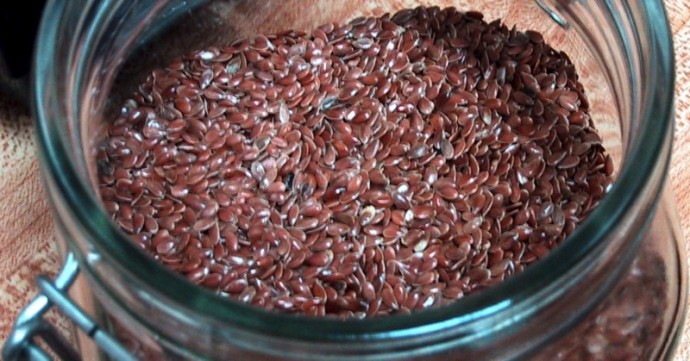
You can do the same thing to get the health benefits of flaxseed. I suggest incorporating a quarter cup of freshly ground flaxseed into your diet each day. These tiny golden or brown seeds have a rich, nutty flavor and can be sprinkled on yogurt, salads, or other foods.

Because the oils in ground flaxseed can quickly become rancid, I don’t recommend using pre-ground seed or flax oil. Instead, purchase whole flaxseeds and grind them just before consumption. To grind, place whole seeds into a coffee grinder, food processor, or blender and process for about five seconds.

This article was republished with permission from Dr. Whitaker, you can find the original article here.

Image Source: http://www.sciencecrumbs.com/wp-content/uploads/2013/06/Flax-Seed.jpg

12 Signs Your Health Problems are Actually Magnesium Deficiency Symptoms

magnesium-12Could your health problems actually be magnesium deficiency symptoms? The symptoms can be anything from headaches to PMS.   Chances are you’re deficient in this mineral as more than 80% of the population is not getting enough magnesium.


Low magnesium is often overlooked, especially by doctors who rarely consider the role of nutrition and vitamins. Yet, there are hundreds of magnesium deficiency symptoms that this can cause, in addition to many diseases that can be exacerbated.

Almost a year ago, I went to my family doctor because I was having painful menstrual cramps every month.  I asked him what could be causing this and what I should do about it. His response was that it was genetic; there’s nothing that can be done. His only suggestion was to take an over the counter medication to deal with the pain. But, after researching this online, I found that menstrual cramps are one of the common magnesium deficiency symptoms. Eager to try this, I corrected my ratio of calcium and magnesium and within a month voila! No more cramps!

Sadly, doctors today know little to none about the importance of magnesium in the body and the resulting magnesium deficiency symptoms. Your best hope is to be your own doctor and research  magnesium deficiency symptoms to find out if this could be the cause.


Why Are we not Getting Enough Magnesium?

It is very hard to get enough magnesium through your diet, no matter how healthy you eat. This is because modern farming processes have depleted our soil of adequate natural magnesium. Also, there are many other factors that significantly decrease the amount of magnesium absorbed in our bodies. These include:

-Stress: Many of us experience high levels of stress on a daily basis. When we experience stress or anxiety, this causes our bodies to deplete our magnesium.


-Diet: Certain foods can also result in a decrease in magnesium such as caffeine, alcohol, and sugar. It has been estimated that it takes 287 molecules of magnesium to metabolize one glucose molecule.


-Medications: There are many over-the-counters and prescription medications that deplete magnesium. These include: birth control pills, diuretics, insulin, and antibiotics.


Why You Need Magnesium

Magnesium is a mineral that is responsible for numerous bodily processes. It is the fourth most abundant mineral in our bodies and is essential for carrying out over 300 reactions within the body.


Magnesium is commonly known for helping relieve constipation, but that is just one of it’s many crucial roles in the body. Magnesium is important for the functioning of your heart, muscles, kidneys, and balancing many other nutrients such as calcium and potassium. Having adequate magnesium levels has been found to ward off diabetes, prevent osteoporosis, and improve blood pressure.


12 Common Magnesium Deficiency Symptoms:

1. Anxiety
2. Weak Bones
3. Low Energy
4. Weakness
5. Inability to Sleep
6. PMS and Hormonal Imbalances
7. Irritability
8. Nervousness
9. Headaches
10. Abnormal Heart Rhythm
11. Muscle Tension, Spasms, Cramps
12. Fatigue


These are just a few of the most common magnesium deficiency symptoms. Additional  magnesium deficiency symptoms include: constipation, vertigo, stiff and achy muscles, insomnia, and muscle weakness. There are many more health problems that having low magnesium can cause. If you think you may be experiencing a magnesium deficiency symptom, but it’s not listed above, make sure to do a thorough search online.


Additional Conditions/Diseases Associated with Magnesium Deficiency:

Much research has found that individuals with magnesium deficiency are at an increased risk for developing diabetes, high blood pressure, Parkinson’s, kidney stones, and restless legs syndrome, just to name a few.


How to Find Out if You’re Truly Deficient in Magnesium

When comes to determining if you have a magnesium deficiency, unfortunately, there is not a great way to find out, such as from a test. There are blood tests that can be used to check the level of magnesium in your body to evaluate if you have magnesium deficiency; however, they have been found to be inaccurate. This is because the blood serum tests only give a reading of the level of magnesium in your blood and only one percent of the magnesium in your body is distributed in your blood. Thus, you have to rely on making a diagnosis for magnesium deficiency based on magnesium deficiency symptoms, not a blood test.


It is best to look at the symptoms your experiencing and try supplementing with magnesium and evaluate whether it helped or not.


For me, after looking at the list of magnesium deficiency symptoms, I knew there were at least 3 that I had and it was likely that I had a magnesium deficiency. I also have some anxiety and I’m sure that was contributing to my decreased magnesium.


How to Increase Your Magnesium:

There are several ways you can increase your magnesium.

1. Use Epsom salts – Add Epsom salts to your bath or make a foot bath. Magnesium is highly absorbed through the skin (transdermally) .


2. Apply magnesium oil – Similar to Epsom salts, magnesium oil is made from adding the magnesium flakes (see them here) to water. You can add them to your bath, make a small mixture and spray it on your skin or rub it on with a washcloth. You can also, buy it pre-made.


3. Eat foods high in magnesium – such as leafy green vegetables and nuts. (however, with magnesium deficiency, it would be tough to raise your levels enough solely through diet) This is a helpful chart that lists foods high in magnesium.


4. Take a magnesium supplement.


My Experience with Treating Magnesium Deficiency:

After I started researching magnesium deficiency, the more I explored it, the more I thought I found the cause of my health issues. However, my doctor ignored me when I brought up the fact that magnesium deficiency may be behind my anxiety, menstrual cramps, or difficulty sleeping, so I had to find out for myself if my self-diagnosis was right. I started to increase my magnesium slowly, first by adding more green vegetables into my diet and taking baths with Epsom salts. This did make a great improvement and decreased the occurrence of my magnesium deficiency symptoms; however, I still felt that I wasn’t getting an adequate amount. So, I started making and applying magnesium oil, once every morning and this helped very much. After a full month, nearly all of my symptoms had been resolved.


When trying to increase your magnesium levels, you may need to use a combination of ways to ensure you’re getting enough. You can base this off your symptoms. Also, one sign to watch for, while you increase your magnesium, is diarrhea, if you’re getting too much this will occur.

by LORI KLEIN

Sources:
http://umm.edu/health/medical/altmed/supplement/magnesium
http://www.mayoclinic.org/drugs-supplements/magnesium-supplement-oral-route-parenteral-route/description/DRG-20070730

Credit: http://healthextremist.com

Get More Done by Following ‘The Productivity Diet’

Get More Done by Following 'The Productivity Diet' (Infographic)

Image credit: Shutterstock

Your productivity is directly impacted by what you eat. If you want both your mind and body to perform at optimal levels then you need to practice good nutrition.

It sounds great, but what does “good nutrition” mean?

With so much conflicting diet and health information online, it can leave you with more questions than answers most of the time.

What is a good mid-day snack to maintain high energy levels? Not candy bars and Red Bull — unless you want to trigger a blood sugar spike followed by a crash.

What we eat as well as when we eat it contributes to high productivity, and that’s why EBOC teamed up with HubSpot to create the infographic below, highlighting the food types that will help you maintain high energy levels and productivity throughout your day.

Use this as a guide to help you make better food choices, and don’t forget that every person will have different dietary needs — so consult your doctor or healthcare professional.

Jonathan Long – June 25, 2015

4 Foot Exercises To Relieve Back, Hip And Knee Pain

feet

Ever get off of work or just have a day where you have been very busy? Chances are you’re going to have some pain in your back, hip or knees, here are some ways to help!

Your feet are a big contributor to your different body parts. Every day you get up and walk, or stand. Standing or walking can lead to other body parts aching like your knee, back and neck. In fact, 19% of the U.S. population has an average of 1.4-foot problems each year. The pains though could be the type of floor you are walking on, the shoes on your feet or foot problems. Thankfully there are ways to exercise your feet and help the pains in your body

Here are the 4 exercises that will help you feel better!

1. Toe Press– As you know, it is very important to warm up before any exercise. So it only makes sense to warm up your feet before exercising. Toe presses are a great way to warm up, and they are so simple. Here is what you do: Stand tall and bend slightly in the knees. Next grip the floor with your toes and hold for 3 seconds. Release and perform a set of 10, 3 times a day.

2. Ankle Circles– If your ankles are tight you may be experiencing back, hip and knee pain. It can also cause the rest of the body to result in muscle and joint pain. To do the ankle circles, put your back to the floor and extend one leg over your head. Rotate the extended leg’s ankle clockwise for 10 counts. Then switch legs, perform 10 sets of ankle circles.

3. Toe Walking– This next exercise should be done twice a day for the best results. Toe walking strengthens the muscles in your toes as well as ligaments and muscles. To do this exercise all you have to do is stand on your tiptoes and walk forward for 20 seconds. Always rest 15-20 seconds in between each walk.

4. Toe Pencil Pickups– For this last exercise you pick up a pencil with your toes. Sounds simple, right? Well, it is simple! Stand in front of the pencil you are picking up. Use your toes to grab the pencil and lift it off of the ground. Hold for 10 seconds and then drop it, repeat 5 times for each foot.

The exercises should only take 15 minutes or less. They also should make you feel better afterwards! For best results perform these exercises every 2-3 days!

Source:
http://www.ipma.net/?page=15

Vitamin B17: The Greatest Cover-Up In The History Of Cancer

Apricot Seeds - Vitamin B17

Ever heard of Vitamin B17 chances are you probably haven’t. Since Vitamin 17 has been banned by the FDA.

One of the biggest concentrated types of vitamin B17 can be found in the seed of the apricot. A fruit we don’t give enough credit to. The actual seed can be found within the hard pit in the apricot. The anti-cancer agent based in the actual Laetrile B17 vitamin is known as amygdalin.

4029214037

Why is B17 not prescribed by modern Physicians as a treatment? If it is so helpful towards the elimination of many cancers? G. Edward Griffin answers, “A control for cancer is known, and it comes from nature, but it is not widely available to the public because it cannot be patented, and, therefore, is not commercially attractive to the pharmaceutical industry.”
Vitamin B17 is comprised of hydrogen cyanide and glucose that is what gives it its cancer-solving properties. The benzaldehyde from the glucose and the cyanide work together as a poison that targets cancer cells. Many medical professionals claim B17 is toxic, but this is merely a myth.

So Here’s Where The Cover-Up Comes In

Even though this vitamin was not approved for treatment by the FDA, many doctors including one named John A. Richardson M.D. who started using the vitamin “illegally” in order to treat parents at his medical clinic in San Francisco, and it was giving astonishing results better than orthodox treatments. Richardson’s success in these treatments is documented in Laetrile Case Histories: The Richardson Cancer Clinic Experience by John A. Richardson M.D. and Patricia Irving Griffin, R.N. The FDA came out hard in its attack on Laetrile. The FDA sees at Laetrile as an unapproved form of treatment and is ” illegal” for a practitioner to administer, there for buying Laetrile is not available in the United States. But, on the other hand, you can still buy amygdalin (B12) in supplement form. There are many reports of people who will swear they have defeated cancer from using B17.

4007403093

Sloan-Kettering outraged at the B17 cover-up by the FDA and the AMA, for five years studies were conducted by Sloan on the anti-cancer benefits of B17 to which it was found that:

1. It improved general health of the cancer patient

2. It acted as a cancer preventative.

3. It stopped the spreading of cancer in mice.

4. Laetrile inhibited the growth of tumors.

To hear about clinical trials of B17 and learn how it fights cancer cells is one thing, but actually to hear real life people who have fought against cancer and thanks to vitamin B17 they won.

Being Protective in Our Fight Against Getting Cancer

If you exercise very little and engage in harmful bodily choices, then cancer is only chasing you. Although in some cases they are no matter how much you exercise or no matter what you do cancer will find you. But this is no reason not to be proactive throughout your day and engage in healthy bodily choices.

Besides B17 there has also been many other natural foods that help fight cancer such as: Consuming aloe gel, wheatgrass, sumac, chili peppers, swiss chard, food mushrooms, turmeric, Vegetables and raw fruits, flax, aloe juice, chia and black seed better known as Nigella sative. It is never too start late eating healthy and lowering your health risks. You could even start right now!

Sources:

http://treatments-for-cancer.com/tag/alternative-cancer-treatment/

http://www.ssqq.com/stories/cancerfight02.htm

Baking Soda And Himalayan Salt, A Danger to the Pharmaceutical Industry ?

baking-soda-himalayan-salt-drink-recipe
Image Courtesy of HealthyWildAndFree

Baking soda is commonly found in most homes around the world as a good all purpose scraping and cleaning powder, or to be used for baking purposes but there’s a good chance that you’re not fully utilizing the full potential of baking soda for your health and well-being. Baking soda is very cheap, only a few bucks and can be bought practically anywhere so to use baking soda like it can be used to treat ailments and health issues is information that the pharmaceutical industry does not want to get out.

The great thing about it is that it can be used in many different ways and to help reduce aches and pains, reduce symptoms or even reduce the chances of potential life-threatening issues by doing all that it does! So what does baking soda actually do to your body and health?
The first and probably the earliest use of baking soda medicinally was written in 1924 by Arm & Hammer to treat and prevent the cold and flu. They found that people who consumed baking soda in water prevented the flu and cold and those who had already caught the flu or cold could take baking soda in water and their symptoms would begin to dissipate.
Baking soda is also used for ulcer pain, instead of taking an anti-acid medication baking soda can neutralize the pH of the stomach helping to relieve the Ulcer symptoms. Reducing stress and having healthy lifestyle practices will ultimately reduce the ulcers in the first place, but supplementing with baking soda orally can help relieve symptoms on the spot.
Baking soda is slightly more alkaline than human blood and helps to deliver oxygen to the body as well as bring the pH level up if it is too low (too acidic). This means that any ailment, or medical condition that suffers from an acidic environment or lack of oxygen can be benefited by baking soda. Literally every cell in the human body could use more oxygen and alkaline support because of the acidic, chemically-laden and overuse of acids in our world today.

People have used and recommended baking soda for ulcers, arthritis, diabetes, cancer, cardiovascular disease or any and all skin conditions ranging from sunburn to scars and acne. It is also very commonly used topically as a foot bath, a sunburn remedy, an addition to the bathtub for skin health as well as used in all natural aluminum free baking soda based deodorants like Primal Pit Paste which I personally use and love. Baking soda mainly oxygenates the body which allows your body to have direct access to more oxygen especially in cells that are suffering and need it, wherever they may be in the body. Secondly, it will alkalize your body and work to bring the pH into a more alkaline state, there is one issue with this however.

Based on my research I do not personally think that just swallowing baking soda and water throughout the day is the healthiest idea as most suggest. Why? Baking soda water is quite alkaline and that water goes right into your gut which is supposed to be an acidic environment in order to digest hard food. If you continuously bombard your gut with alkaline liquid without giving it some acids (which may not be an issue for some people) throughout the day you can actually weaken your gut and digestive system in general. This is why (and where) the second ingredient comes in, pink Himalayan salt.I’m sure you’ve heard of this salt before, it’s very mineral rich boasting a mineral content of 84 minerals as well as being rich in electrolytes which help the health of the cell, nervous system and entire body.

By mixing baking soda with Himalayan pink salt you are creating a mineral rich water (which provides more hydrogen and oxygen to your cells and entire body) that is pH balanced for the human blood which is going to supply your entire body. This is a drink that oxygenates, alkalizes and hydrates your body while balancing the pH of the blood which works to balance the pH of other individual organ as a carrier and modulator. This drink also balances and oxygenates the lungs which are responsible for balancing pH throughout the body as well as the kidneys with the many minerals and oxygen infusion. By drinking this you help your lungs and kidneys perform healthier which helps to supply a balanced pH and carry more oxygen and a balanced pH effect throughout the entire body.

Healthy human blood has a pH in the range of 7.35-7.45 and in order to optimize and enhance the health of your blood we’ll be ingesting something meant to do so as well as to balance the pH of your blood and get it back in the 7.35-7.45 range, or very close to it. The pH of baking soda in water is 8.2, slightly alkaline, The pH of Himalayan pink salt in water is right around 6.50 (depending on your water source) and if you put the two of these together you have something quite magical I discovered, You have a mineral and electrolyte rich drink that also gives you all of the benefits of baking soda, not to mention the pH of this drink will be right around a pH of 7.35-7.5 or so, this is right in the exact range of pH to balance the pH of your blood which runs through and gives your entire body nutrients, hydrogen and oxygen which are all vital to healing whatever is going on anywhere in your body.

Baking Soda + Himalayan Salt Drink Recipe:

1/2 tsp. of baking soda + 1/2 tsp. of Himalayan salt in a half glass of water (approximately 3-4 ounces of water) Simply add the baking soda and Himalayan salt to a half glass of water, stir and drink! You can drink this once in the morning and once at night.

Ingredients needed:

1. Himalayan Pink Salt 2. Baking Soda (Some people and companies claim that most conventional baking soda contains aluminum in it, which is a toxic metal that you definitely do not want to ingest! I’m not sure if this is true or not but you can get an aluminum free baking soda by clicking here just to be safe, I’m not sure if these claims are true and the aluminum free baking soda does cost a bit more but still fairly cheap.) 3. Purified Water (Ionizer/Distilled/Reverse Osmosis) Tap water is dead water. It’s sanitized and toxic. Chlorine, fluoride, heavy metals, traces of pharmaceutical drugs and many other compounds are in our tap water. It’s not the healthiest water and has little to no vitality left in it.

I highly recommend looking into getting a water filtration system, whether it’s purified, ionized, distilled or reverse osmosis, whatever floats your water floating boat! This drink recipe above can be used for heartburn, to balance pH of the blood and body, to oxygenate the body. Boost your immune system to fight the cold and flu as well as any other infection or sickness/disease. It can also be used to treat ulcers, help the blood for diabetic patients and many more uses. It’s oxygen, mineral and electrolyte rich and does a great job at fighting candida, bacteria or fungal infections as well as keeping your cells and blood healthy. Try drinking it once or twice daily and go from there!

By David Benjamin – June 23, 2015

The Power of Aromatherapy

bottles of essence oil with pink flowers - beauty treatment

Aromatherapy. You may not know exactly what it is, but you can’t escape it. Everywhere you turn, there is a plethora of scented candles, oils, sprays and incense all claiming to be good for your health and well-being. “Smell this and feel calm!” “Light this, and light his fire!” “Rub this scented lotion on your skin and re-energize your spirit!” Sounds like a bunch of nonsense just to sell products, doesn’t it?

Strangely enough, it’s not nonsense. In fact, there is more to aromatherapy than meets the nose. The use of scent to alter health and well-being for the better has been around for centuries. Now, science has confirmed what men and women have practiced for generations: scents have the ability to promote good physical, mental, and spiritual health. But how do you include aromatherapy in your everyday life? Is it easy? Does it make sense? And what exactly is it, anyway? This book will answer those questions, and more. Armed with the answers, you can change your life – and your health – for the better!

The Power of Aromatherapy

Have you ever been in a funk and then smelled something wonderful, like lavender or citrus, and suddenly felt better? That’s the basis of aromatherapy. Essentially aromatherapy is a gentle, non-invasive, natural healing art that utilizes the scents of essential oils to promote general well-being. While essential oils do, in fact, have medicinal properties, the simple act of smelling an essential oil can uplift the spirit, which can positively change feelings and outlook.

The power of aromatherapy lies in its ability to stimulate the imagination and to generate an almost instant sense of joy or peace. And, unlike other therapies, such as acupuncture or traditional Western methods, aromatherapy is non-invasive. That means, nothing to take internally, no needles, no pain. It’s also portable, so if you have recurring problems with stress, anxiety, migraines and the like, just take the applicable essential oil with you, and you have help right at the tip of your nose at all times.

Don’t let all that New Age talk fool you: aromatherapy is not just a touchy-feely, warm fuzzy type of practice; there is most definitely science behind it. Aromatherapy falls under a fairly new science called psychoneuroimmunology, which studies the interaction among the psychological, neurological and immunological systems. In layman’s terms, psychoneuroimmunology looks at the effects of both positive and negative experiences on the immune system and the psyche. Science has confirmed that pleasurable experiences like breathing in pleasant aromas or receiving a pampering massage actually strengthens the body’s immune system and uplifts the spirit. Conversely, things like unhappiness, lack of touch and stale air lowers the body’s resistance to disease and also dulls the spirit. So, incorporating aromatherapy into your daily activities can actually help bolster your immune system and promote a positive, clear outlook on life.

You may have heard of holistic medicine, which looks at the causes and prevention of illness, and not just the symptoms. It’s a whole-body approach to health, one which gives you responsibility and a certain amount of control over your health. Aromatherapy is part of holistic medicine. When married to a healthy diet and lifestyle, it’s a fabulous, sensual and creative way to keep on top of your health.

When did Aromatherapy arrive on the scene?

The way aromatherapy is all the talk these days, you’d think it was a brand new concept in health and wellness. It’s not. It’s almost as old as time itself.

While there is reason to believe that the use of aromatics has been in place since the dawn of mankind, physical evidence dates back to the ancient Egyptians. Clay tablets have been found that record the importation of cedar wood and cypress into Egypt and confirms the role essential oils played in international trade. Egyptian high priests also recorded the many uses of essential oils on to papyrus. One intriguing fact is that Imhotep, King Zoser’s chief architect, renowned physician and astronomer, is also known as “the grandfather of aromatherapy-” This great physician is credited with significant advances in medical knowledge. He regularly incorporated the use of aromatics into his practice.

Other cultures have used aromatics as well. The Chinese used aromatic herbs and massage well before the birth of Christ. The Indian therapy known as Ayurvedic medicine utilizes massage techniques, pressure points and essential oils to bring about good health. Hippocrates, the Greek physician known as “The Father of Medicine,” also promoted the daily use of aromatic baths and massage. These are just a few historical examples; the list also includes ancient Romans, various religious orders in the Middle Ages and continues through the centuries to these modern times.

Why do aromatics work?

It’s not enough to know that aromatherapy has been around for ages, we also want to know why aromatics work. It doesn’t seem possible that something as simple as the soothing smell of an essential oil could work wonders on health and well-being, yet it is not only possible, it happens because it utilizes our strongest sense: our sense of smell.

Of all five senses, sense of smell hits the brain first. Faster than a speeding bullet, it’s the “Superman of Senses” with a direct path to the brain. Unlike many of our other senses, the olfactory system’s nerve fibers do not pass through the “switching station,” known as the dorsal thalmus. Instead, these nerve fibers run directly to the limbic area of the brain, which connects to the thalmus and neo-cortex. While these words may not have any meaning to you, this bit of information is important because it’s how aromas are able to affect conscious thought and reactions. The limbic system links directly to our memories, stored learned responses, emotions and feelings.

Even though the olfactory system is linked directly to the brain, olfactory also involves other body systems as well. For example, someone breathing in an essential oil like peppermint not only absorbs it through the nasal cavity, but may also absorb it through the bronchial tract or lungs. This causes the essential oil molecules to pass into the body’s circulatory system, increasing its benefits.

There is also an additional, and sensual, way to engage in aromatherapy: through the skin. This is done usually through massage, which has three very distinct benefits: that of touch, smell, and absorption. Essential oils can also be used in the bathtub, another relaxing and pampering activity. Besides being able to smell the essential oils being used on the skin, the extremely small molecules pass through the epidermis to the dermis, the layer of the skin that gives it its pliability. From there, the oil molecules pass into capillaries and into the rest of the circulatory system.

The body is not harmed by absorbing essential oils. The oils are expelled from the body in a variety of natural ways, like sweat, exhalation and so on. The length of time it takes to expel these oils varies from 3-14 hours, depending on the health of the body.

Essential oils do come with some warnings. One is do not use them directly on the eyes or the delicate mucous membranes of the body.

How do I use essential oils?

Aromatherapy is user-friendly, so there is no excuse to shy away from it. Once you understand a few basics, the use of essential oils for a healthier, happier you is easy. While we touched on a few ways essential oils can be used, in the following chapters you’ll discover how to get the most out of aromatherapy.

For solo artists (those of you who like to do things on your own), aromatherapy through scent is the way to go. For example, we know that peppermint is good for the digestive system, but did you know that if you smell it you will get quicker relief than if you ingest it? It’s true! A 1963 Japanese experiment discovered this result. There are several ways to use scent, and one of the best and most common ways is through a diffuser. So, while opening a bottle of essential oil and taking a big whiff can be of some help, a diffuser emits the scent continually, creating a pleasant, aromatic, healing environment.

However, some benefits are best received through skin application. For instance, ginger oil, known for its bone healing properties, can be applied directly to a small broken appendage like a toe. (Of course, this is in addition to Western therapy, which may include a splint of some sort.) Keep in mind that essential oils are highly concentrated oils. Make sure you carefully read the manufacturer’s instructions for proper usage. Very few essential oils should be applied to the skin or ingested at full strength. Most require dilution, and some should not to be used on the skin or ingested at all.

For those who like to share everything with family, friends, and loved ones, massage may be the therapy you are most drawn to. Touch itself is healing and, when coupled with essential oils, massage can be doubly nurturing. When using essential oils during massage, it’s important to add it to what’s known as a carrier oil. This dilutes the essential oil somewhat, and makes it go farther. The general rule is to add anywhere from 10-30 drops into an ounce of quality carrier oil.

Inhalation, direct application and massage are among the most common ways to use essential oils, but there are many other ways as well. Some, other uses for essential oils include, but aren’t limited to, facial tonics, Jacuzzis, hot tubs, potpourri, humidifiers, mouthwash, perfume, sitz baths, face and body spray, and in creams and lotions. Once you start using aromatherapy, you’ll find that it fits into many different aspects of your lifestyle!

10 Proven Health Benefits of Turmeric and Curcumin

Young Indian Woman Holding SpicesTurmeric may be the most effective nutritional supplement in existence.

Many high quality studies show that it has major benefits for your body and brain.

Here are the top 10 evidence-based health benefits of turmeric.

1. Turmeric Contains Bioactive Compounds With Powerful Medicinal Properties

Turmeric is the spice that gives curry its yellow color.

It has been used in India for thousands of years as a spice and medicinal herb.

Recently, science has started to back up what the Indians have known for a long time… it really does contain compounds with medicinal properties (1).

These compounds are called curcuminoids, the most important of which is curcumin.

Curcumin is the main active ingredient in turmeric. It has powerful anti-inflammatory effects and is a very strong antioxidant.

However, the curcumin content of turmeric is not that high… it’s around 3%, by weight (2).

Most of the studies on this herb are using turmeric extracts that contain mostly curcumin itself, with dosages usually exceeding 1 gram per day. It would be very difficult to reach these levels just using the turmeric spice in your foods.

Therefore, if you want to experience the full effects, then you need to take an extract that contains significant amounts of curcumin.

Unfortunately, curcumin is poorly absorbed into the bloodstream. It helps to consume black pepper with it, which contains piperine… a natural substance that enhances the absorption of curcumin by 2000% (3).

I personally prefer to swallow a few whole peppercorns along with my curcumin supplement, in order to enhance absorption.

Curcumin is also fat soluble, so it may be a good idea to take it with a fatty meal.

Bottom Line: Turmeric contains curcumin, a substance with powerful anti-inflammatory and antioxidant properties. Most studies used turmeric extracts that are standardized to include large amounts of curcumin.

2. Curcumin is a Natural Anti-Inflammatory Compound

Turmeric in Wooden Bowl

Inflammation is incredibly important.

It helps the body fight foreign invaders and also has a role in repairing damage.

Without inflammation, pathogens like bacteria could easily take over our bodies and kill us.

Although acute (short-term) inflammation is beneficial, it can become a major problem when it is chronic (long-term) and inappropriately deployed against the body’s own tissues.

It is now believed that chronic, low-level inflammation plays a major role in almost every chronic, Western disease. This includes heart disease, cancer, metabolic syndrome, Alzheimer’s and various degenerative conditions (4, 5, 6).

Therefore, anything that can help fight chronic inflammation is of potential importance in preventing and even treating these diseases.

It turns out that curcumin is strongly anti-inflammatory, it is so powerful that it matches the effectiveness of some anti-inflammatory drugs (7).

Curcumin actually targets multiple steps in the inflammatory pathway, at the molecular level.

Curcumin blocks NF-kB, a molecule that travels into the nuclei of cells and turns on genes related to inflammation. NF-kB is believed to play a major role in many chronic diseases (8, 9).

Without getting into the gory details (inflammation is extremely complicated), the key takeaway here is that curcumin is a bioactive substance that fights inflammation at the molecular level (10, 11, 12).

In several studies, its potency has compared favorably to anti-inflammatory pharmaceutical drugs… except without the side effects (13, 14).

Bottom Line: Chronic inflammation is known to be a contributor to many common Western diseases. Curcumin can inhibit many molecules known to play major roles in inflammation.

3. Turmeric Dramatically Increases The Antioxidant Capacity of The Body

Turmeric in Bowl and Spoon

Oxidative damage is believed to be one of the mechanisms behind ageing and many diseases.

It involves free radicals, highly reactive molecules with unpaired electrons.

Free radicals tend to react with important organic substances, such as fatty acids, proteins or DNA.

The main reason antioxidants are so beneficial, is that they protect our bodies from free radicals.

Curcumin happens to be a potent antioxidant that can neutralize free radicals due to its chemical structure (15, 16).

But curcumin also boosts the activity of the body’s own antioxidant enzymes (17, 18, 19).

In that way, curcumin delivers a one-two punch against free radicals. It blocks them directly, then stimulates the body’s own antioxidant mechanisms.

Bottom Line: Curcumin has powerful antioxidant effects. It neutralizes free radicals on its own, then stimulates the body’s own antioxidant enzymes.

4. Curcumin Boosts Brain-Derived Neurotrophic Factor, Linked to Improved Brain Function and a Lower Risk of Brain Diseases

Young Indian Woman Holding a Plate With Turmeric

Back in the day, it was believed that neurons weren’t able to divide and multiply after early childhood.

However, it is now known that this does happen.

The neurons are capable of forming new connections, but in certain areas of the brain, they can also multiply and increase in number.

One of the main drivers of this process is Brain-Derived Neurotrophic Factor (BDNF), which is a type of growth hormone that functions in the brain (20).

Many common brain disorders have been linked to decreased levels of this hormone. This includes depression and Alzheimer’s disease (21, 22).

Interestingly, curcumin can increase brain levels of BDNF (23, 24).

By doing this, it may be effective at delaying or even reversing many brain diseases and age-related decreases in brain function (25).

There is also the possibility that it could help improve memory and make you smarter. Makes sense given its effects on BDNF levels, but this definitely needs to be tested in human controlled trials (26).

Bottom Line: Curcumin boosts levels of the brain hormone BDNF, which increases the growth of new neurons and fights various degenerative processes in the brain.

5. Curcumin Leads to Various Improvements That Should Lower Your Risk of Heart Disease

Large Wooden Spoon Filled With Turmeric Powder

Heart disease is the biggest killer in the world (27).

It has been studied for many decades and researchers have learned a lot about why it happens.

It turns out that heart disease is incredibly complicated and there are various things that contribute to it.

Curcumin may help reverse many steps in the heart disease process (28).

Perhaps the main benefit of curcumin when it comes to heart disease, is improving the function of the endothelium, which is the lining of the blood vessels.

It is well known that endothelial dysfunction is a major driver of heart disease and involves an inability of the endothelium to regulate blood pressure, blood clotting and various other factors (29).

Several studies suggest that curcumin leads to improvements in endothelial function. One study shows that is as effective as exercise, another shows that it works as well as the drug Atorvastatin (30, 31).

But curcumin also reduces inflammation and oxidation (as discussed above), which are also important in heart disease.

In one study, 121 patients who were undergoing coronary artery bypass surgery were randomized to either placebo or 4 grams of curcumin per day, a few days before and after the surgery.

The curcumin group had a 65% decreased risk of experiencing a heart attack in the hospital (32).

Bottom Line: Curcumin has beneficial effects on several factors known to play a role in heart disease. It improves the function of the endothelium and is a potent anti-inflammatory agent and antioxidant.

6. Turmeric Can Help Prevent (And Perhaps Even Treat) Cancer

Cancer is a terrible disease, characterized by uncontrolled growth of cells.

Turmeric Roots and a Jar of Turmeric Powder

There are many different forms of cancer, but they do have several commonalities, some of which appear to be affected by curcumin supplementation (33).

Researchers have been studying curcumin as a beneficial herb in cancer treatment. It can affect cancer growth, development and spread at the molecular level (34).

Studies have shown that it can reduce angiogenesis (growth of new blood vessels in tumors), metastasis (spread of cancer), as well as contributing to the death of cancerous cells (35).

Multiple studies have shown that curcumin can reduce the growth of cancerous cells in the laboratory and inhibit the growth of tumours in test animals (36, 37).

Whether high-dose curcumin (preferably with an absorption enhancer like pepper) can help treat cancer in humans has yet to be tested properly.

However, there is some evidence that it may help prevent cancer from occurring in the first place, especially cancers of the digestive system (like colorectal cancer).

In one study in 44 men with lesions in the colon that sometimes turn cancerous, 4 grams of curcumin per day for 30 days reduced the number of lesions by 40% (38).

Maybe curcumin will be used along with conventional cancer treatment one day. It’s too early to say for sure, but it looks promising and this is being intensively studied as we speak.

Bottom Line: Curcumin leads to several changes on the molecular level that may help prevent and perhaps even treat cancer.

7. Curcumin May be Useful in Preventing and Treating Alzheimer’s Disease

A Pile of Fresh Turmeric Roots

Alzheimer’s disease is the most common neurodegenerative disease in the world and a leading cause of dementia.

Unfortunately, no good treatment is available for Alzheimer’s yet.

Therefore, preventing it from showing up in the first place is of utmost importance.

There may be good news on the horizon, because curcumin has been shown to cross the blood-brain barrier (39).

It is known that inflammation and oxidative damage play a role in Alzheimer’s disease. As we know, curcumin has beneficial effects on both (40).

But one key feature of Alzheimer’s disease is a buildup of protein tangles called Amyloid plaques. Studies show that curcumin can help clear these plaques (41).

Whether curcumin can really slow down or even reverse the progression of Alzheimer’s disease needs to be studied properly.

Bottom Line: Curcumin can cross the blood-brain barrier and has been shown to lead to various improvements in the pathological process of Alzheimer’s disease.

8. Arthritis Patients Respond Very Well to Curcumin Supplementation

A Plate Full of Turmeric Powder

Arthritis is a common problem in Western countries.

There are several different types, but most involve some sort of inflammation in the joints.

Given that curcumin is a potent anti-inflammatory, it makes sense that it could help with arthritis. Several studies show this to be true.

In a study of patients with rheumatoid arthritis, curcumin was even more effective than an anti-inflammatory drug (42).

Many other studies have looked at the effects of curcumin on arthritis and noted improvements in various symptoms (43, 44).

Bottom Line: Arthritis is a common disorder characterized by joint inflammation. Many studies show that curcumin can help treat symptoms of arthritis and is in some cases more effective than anti-inflammatory drugs.

9. Studies Show That Curcumin Has Incredible Benefits Against Depression

Turmeric Roots and Powder

Curcumin has shown some promise in treating depression.

In a controlled trial, 60 patients were randomized into three groups (45).

One group took prozac, another group took a gram of curcumin and the third group took both prozac and curcumin.

After 6 weeks, curcumin had led to improvements that were similar to prozac. The group that took both prozac and curcumin fared best.

According to this (small) study, curcumin is as effective as an antidepressant.

Depression is also linked to reduced levels of brain-derived neurotrophic factor and a shrinking hippocampus, a brain area with a role in learning and memory.

Curcumin boosts BNDF levels, potentially reversing some of these changes (46).

There is also some evidence that curcumin can boost the brain neurotransmitters serotonin and dopamine (47, 48).

Bottom Line: A study in 60 depressed patients showed that curcumin was as effective as prozac in alleviating the symptoms of depression.

10. Curcumin May Help Delay Ageing and Fight Age-Related Chronic Diseases

If curcumin can really help prevent heart disease, cancer and Alzheimer’s… then this would have obvious benefits for longevity.

For this reason, curcumin has become very popular as an anti-aging supplement (49).

But given that oxidation and inflammation are believed to play a role in ageing, curcumin may have effects that go way beyond just prevention of disease (50).

11. Anything Else?

If you want to buy a turmeric/curcumin supplement, then there is an excellent selection on Amazon with thousands of great customer reviews.

I recommend that you find one with bioperine (another name for piperine), which is the substance that enhances absorption of curcumin by 2000%.

Without this substance, most of the curcumin just passes through your digestive tract.

By Kris Gunnars