Category: Cleansing

Cannabis and your IQ

Cannabis_Plant
A new study revealed this week shows that in spite of past claims, marijuana use does not affect IQ. The research, performed by the University College of London, was presented on Tuesday at the European Conference of Neuropsychopharmacology in Berlin.

The longitudinal study was performed on over 2,000 students. Researchers studied subjectsonce at age 8 and again at age 15born between 1991 and 1992. As the Washington Post reported, the study found

“‘No relationship between cannabis use and lower IQ at age 15,’ when confounding factors – alcohol use, cigarette use, maternal education, and others – were taken into account. Even heavy marijuana use wasn’t associated with IQ.”

This runs in stark contrast to what an internationally publicized Duke University study found in 2012. That study claimed that using marijuana in adolescence led to irreversible drops in IQan average of 8 points. Though scientists almost immediately objected to the efficacy of the Duke study, the University College of London’s findings are the most recent to prove it wrong.

As the lead author, Claire Mokrysz noted,

“This is a potentially important public health message- the belief that cannabis is particularly harmful may detract focus from and awareness of other potentially harmful behaviors.”


In fact, the only substance the study found to lower IQ was alcohol, a government authorized drug.

While cannabis, a largely prohibited plant, improves a variety of medical ailments, alcohol is mostly detrimental and addictive. Even the state, which allows alcohol consumption, acknowledges alcohol’s health risks and admits that it instigates violence.

Likewise, pharmaceutical painkillers can be highly addictive, are increasingly abused by teenagers, kill more people than the drugs the state forbids, and remain perfectly legal. This is because they are approved by an agency in bed with pharmaceutical companies.

Similarly, toxic chemicals are considered legal and safe (as are poisonous foods and pesticides approved by the FDA and EPA) because corporations pay for special treatment.

Meanwhile, drugs deemed dangerous by the government continue to be outlawed and punished. Marijuana is not the only one. LSD, mushrooms and MDMA are increasingly recognized as beneficial yet they remain classified as Schedule 1 narcotics, described by the DEA as

“Drugs, substances, or chemicals…defined as drugs with no currently accepted medical use and a high potential for abuse. Schedule I drugs are the most dangerous drugs of all the drug schedules with potentially severe psychological or physical dependence.”

Painkillers do not make the list, nor does alcohol.

The London study did find that among the heaviest marijuana users, test scores averaged 3% lower, cautioning that there are still drawbacks to consumption. However, as Mokrysz noted,

“The current focus on the alleged harms of cannabis may be obscuring the fact that its use is often correlated with that of other even more freely available drugs and possibly lifestyle factors. These may be as or more important than cannabis itself.”

The study’s main findings add to the growing body of evidence that marijuana is far more medicinal than it is harmful. The new evidence adds to a long list of other past claims about the plant that have been disproved: that it causes cancer, that it is a gateway drug, and that it leads to crime and delinquency, to name a few.

Regardless of how harmful any drug — legal or illegal — may be, it is clear the government is not concerned with keeping people safe. Rather, its audacity in outlawing beneficial substances and promoting more dangerous ones shows not only its tendency toward corruption, but its belief that it can control what an individual non-violently does with his or her own body.

This notion is more dangerous than any drug the government condemns or endorses, but thanks to increasing studies like the University College of London’s, perceptions and policy continue to change.

Author Carey Wedler and TheAntiMedia.org

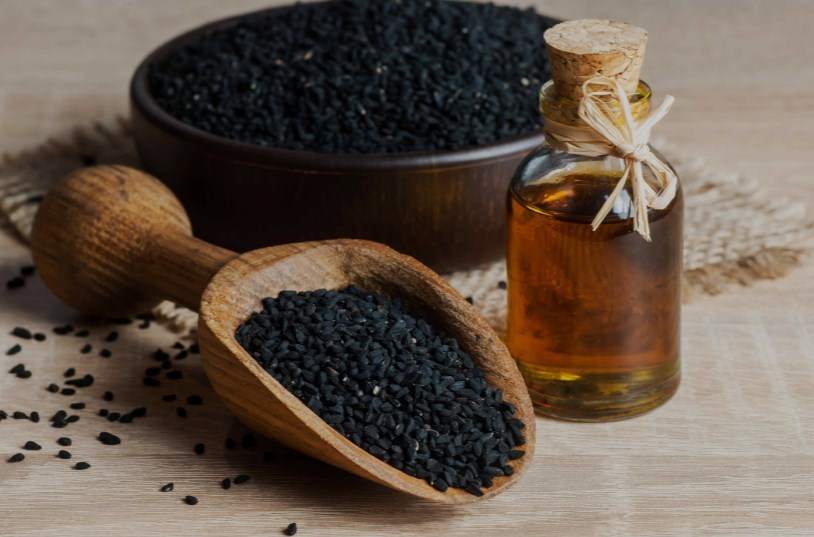
Nigella Sativa – The Remedy For Everything But Death


This humble, but Immensely powerful seed, kills MRSA, heals the chemical weapon poisoned body, stimulates regeneration of the dying beta cells within the diabetic’s pancreas, and yet too few even know it exists.

The seeds of the annual flowering plant, Nigella Sativa, have been prized for their healing properties since time immemorial.  While frequently referred to among English-speaking cultures as Roman coriander, black sesame, black cumin, black caraway and onion seed, it is known today primarily as black seed, which is at the very least an accurate description of its physical appearance.

The earliest record of its cultivation and use come from ancient Egypt. Black seed oil, in fact, was found in Egyptian pharoah Tutankhamun’s tomb, dating back to approximately 3,300 years ago.[i]  In Arabic cultures, black cumin is known as Habbatul barakah, meaning the “seed of blessing.” It is also believed that the Islamic prophet Mohammed said of it that it is “a remedy for all diseases except death.”

Many of black cumin’s traditionally ascribed health benefits have been thoroughly confirmed in the biomedical literature. In fact, since 1964, there have been 458 published, peer-reviewed studies referencing it.

These 22 pharmacological actions are only a subset of a far wider number of beneficial properties intrinsic to the black seed. While it is remarkable that this seed has the ability to positively modulate so many different biological pathways, this is actually a rather common occurrence among traditional plant medicines.

Our project has identified over 1600 natural compounds with a wide range of health benefits, and we are only in our first 5 years of casual indexing. There are tens of thousands of other substances that have already been researched, with hundreds of thousands of studies supporting their medicinal value (MEDLINE, whence our study abstracts come, has over 600,000 studies classified as related to Complementary and Alternative Medicine).

Take turmeric, for example. We have identified research indicating its value in over 600 health conditions, while also expressing over 160 different potentially beneficial pharmacological actions. You can view the quick summary of over 1500 studies we have summarized on our Turmeric Research page, which includes an explorative video on turmeric. Professional database members are further empowered to manipulate the results according to their search criteria, i.e. pull up and print to PDF the 61 studies on turmeric and breast cancer.  This, of course, should help folks realize how voluminous the supportive literature indicating the medicinal value of natural substances, such as turmeric and black seed, really is.

Black seed has been researched for very specific health conditions. Some of the most compelling applications include:

  • Type 2 Diabetes: Two grams of black seed a day resulted in reduced fasting glucose, decreased insulin resistance, increased beta-cell function, and reduced glycosylated hemoglobin (HbA1c) in human subjects.[ii]
  • Helicobacter Pylori Infection: Black seeds possess clinically useful anti-H. pylori activity, comparable to triple eradication therapy.[iii]
  • Epilepsy: Black seeds were traditionally known to have anticonvulsive properties. A 2007 study with epileptic children, whose condition was refractory to conventional drug treatment, found that a water extract significantly reduced seizure activity.[iv]
  • High Blood pressure: The daily use of 100 and 200 mg of black seed extract, twice daily, for 2 months, was found to have a blood pressure-lowering effect in patients with mild hypertension.[v]
  • Asthma: Thymoquinone, one of the main active constituents within Nigella sativa (black cumin), is superior to the drug fluticasone in an animal model of asthma.[vi] Another study, this time in human subjects, found that boiled water extracts of black seed have relatively potent antiasthmatic effect on asthmatic airways.[vii]
  • Acute tonsillopharyngitis: characterized by tonsil or pharyngeal inflammation (i.e. sore throat), mostly viral in origin, black seed capsules (in combination with Phyllanthus niruri) have been found to significantly alleviate throat pain, and reduce the need for pain-killers, in human subjects.[viii]
  • Chemical Weapons Injury: A randomized, placebo-controlled human study of chemical weapons injured patients found that boiled water extracts of black seed reduced respiratory symptoms, chest wheezing, and pulmonary function test values, as well as reduced the need for drug treatment.[ix]
  • Colon Cancer: Cell studies have found that black seed extract compares favorably to the chemoagent 5-fluoruracil in the suppression of colon cancer growth, but with a far higher safety profile.[x] Animal research has found that black seed oil has significant inhibitory effects against colon cancer in rats, without observable side effects.[xi]
  • MRSA: Black seed has anti-bacterial activity against clinical isolates of methicillin resistant Staphylococcus aureus.[xii]
  • Opiate Addiction/Withdrawal: A study on 35 opiate addicts found black seed as an effective therapy in long-term treatment of opioid dependence.[xiii]

Sometimes the biblical reference to ‘faith the size of a mustard seed moving mountains’ comes to mind in connection with natural substances like black seeds. After all, do seeds not contain within them the very hope for continuance of the entire species that bore it?  This super-saturated state of the seed, where life condenses itself down into an intensely miniaturized holographic fragment of itself, promising the formation of future worlds within itself, is the very emblem of life’s immense and immortal power.

If we understand the true nature of the seed, how much life (past, present and future) is contained within it, it will not seem so far-fetched that it is capable of conquering antibiotic resistant bacteria, healing the body from chemical weapons poisoning, or stimulate the regeneration of dying insulin-producing beta cells in the diabetic, to name but only a fraction of black seed’s experimentally-confirmed powers.

Moving the mountain of inertia and falsity associated with the conventional concept of disease, is a task well-suited for seeds and not chemicals. The greatest difference, of course, between a seed and a patented synthetic chemical (i.e. pharmaceutical drug), is that Nature (God) made the former, and men with profit-motives and a deranged understanding of the nature of the body made the latter.

The time, no doubt, has come for food, seeds, herbs, plants, sunlight, air, clean water, and yes, love, to assume once again their central place in medicine, which is to say, the art and science of facilitating self-healing within the human body. Failing this, the conventional medical system will crumble under the growing weight of its own corruption, ineptitude, and iatrogenic suffering (and subsequent financial liability) it causes. To the degree that it reforms itself, utilizing non-patented and non-patentable natural compounds with actual healing properties, a brighter future awaits on the horizon. To the degree that it fails, folks will learn to take back control over their health themselves, which is why black seed, and other food-medicines, hold the key to self-empowerment.

 Source: GreenMedInfo

Probiotics: Everything You Need to Know

probiotics

Did you know that the bacteria in your body outnumber your body’s cells 10 to 1?

It’s true, and most of them reside in your gut.

But there really is no need to panic, most bacteria are quite harmless.

Having the right bacteria in there has even been linked to numerous health benefits (1).

This includes weight loss, improved digestion, enhanced immune function, better skin and a reduced risk of many diseases (2).

This leads us to the topic at hand, probiotics.

Probiotics are foods or supplements that contain these friendly bacteria, and are supposed to help colonize our guts with health-boosting microorganisms.

The importance of this can not be overstated.

Taking care of your gut, and the friendly bacteria that reside there, may be one of the single most important things you can do for your health.

What Are Probiotics?

According to the official definition, probiotics are “live microorganisms that, when administered in adequate amounts, confer a health benefit on the host” (3).

Probiotics are usually bacteria, but there is also a type of yeast that can function as a probiotic.

You can get probiotics from supplements, as well as foods that are prepared by bacterial fermentation.

Probiotic foods include yogurt, kefir, sauerkraut, tempeh, kimchi and others.

Probiotics should not be confused with prebiotics (note the “e”), which are dietary fibers that help feed the friendly bacteria that are already in the gut (4).

There are actually dozens of different probiotic bacteria that have been shown to have health benefits.

The most common groups include Lactobacillus and Bifidobacterium. Then there are many different species within each group, and each species has many strains.

Interestingly, different probiotics seem to work for different health conditions. Therefore, choosing the right type (or types) of probiotic is essential.

Many probiotic supplements combine different species together in the same supplement. These are known as broad-spectrum probiotics, or multi-probiotics.

Keep in mind that this is a new but rapidly expanding area of research.

Although the evidence is promising, it is not conclusively proven that probiotics help with all the health conditions mentioned in this article (5).

Bottom Line: Probiotics are live microorganisms that cause health benefits when consumed in adequate amounts. There are many different types, and you can get them from foods or supplements.

The Importance of Microorganisms in The Gut

The complex community of microorganisms in your gut is called the gut flora (6).

Your gut actually contains hundreds of different types of microorganisms, with some numbers going as high as 1000.

This includes bacteria, yeasts and viruses. The great majority is bacteria.

Most of the gut flora is found in the colon, or large intestine, the last part of the digestive tract.

The metabolic activities of the gut flora actually resemble those of an organ. For this reason, some scientists refer to the gut flora as the “forgotten organ” (7).

The gut flora actually performs many functions that are important for health. It manufactures vitamins, including vitamin K and some of the B vitamins (8).

It also turns fibers into short-chain fatty acids like butyrate, propionate and acetate, which feed the gut wall and perform many metabolic functions (9, 10).

They also stimulate the immune system, and regulate the integrity of the gut. This can help prevent unwanted substances from “leaking” into the body and provoking an immune response (11, 12, 13, 14).

However, not all organisms in the gut are friendly. Some are good, others are bad.

The gut flora is actually highly sensitive to modern insults, and studies show that an “unbalanced” gut flora is linked to numerous diseases (15, 16).

This includes obesity, type 2 diabetes, metabolic syndrome, heart disease, colorectal cancer, Alzheimer’s, depression and many, many more (17, 18, 19, 20, 21, 22, 23).

Probiotics (and prebiotic fibers) can help correct this balance, making sure that our “forgotten organ” is functioning optimally (24).

Bottom Line: Your gut flora consists of hundreds of different types of microorganisms. Probiotics help your gut flora perform optimally.

Probiotics and Digestive Health

Probiotics have been studied most in regard to digestive health (25).

The strongest evidence has to do with antibiotic-associated diarrhea.

When people take antibiotics, especially for long periods of time, they often suffer from diarrhea for a long time after the infection has been eradicated.

This is because the antibiotics kill many of the natural bacteria in the gut, which shifts the balance and allows the “bad” bacteria to thrive.

Dozens of studies have provided strong evidence that probiotic supplements can help cure antibiotic-associated diarrhea (26, 27, 28).

Probiotics have also been shown to be beneficial against irritable bowel syndrome, a very common digestive disorder. They can help reduce gas, bloating, constipation, diarrhea and other symptoms (29, 30, 31).

Some studies also show that probiotics may be beneficial against inflammatory bowel diseases such as Crohn’s disease and ulcerative colitis (32).

Probiotics may also be useful against Helicobacter pylori infections, the main driver of ulcers and stomach cancer (33, 34, 35, 36).

If you currently have digestive problems that you can’t seem to get rid of, then perhaps a probiotic supplement is something you should consider.

Bottom Line: Probiotics have been shown to be effective against various digestive problems. This includes antibiotic-associated diarrhea and irritable bowel syndrome.

Probiotics and Weight Loss

Obese individuals have different gut bacteria than lean people (37, 38).

Animal studies have also shown that fecal transplants from lean animals can make obese animals lose weight (39, 40).

For this reason, many scientists now believe that our gut bacteria are important in determining body fatness (41, 42).

Although this needs to be studied a lot more, some probiotic strains have been shown to help with fat loss (43).

The most impressive study on this was published in 2013. It was a study of 210 individuals with central obesity (lots of belly fat).

In this study, taking the probiotic Lactobacillus gasseri caused people to lose 8.5% of their belly fat mass over a period of 12 weeks (44).

When they stopped taking the probiotic, they gained the belly fat back within 4 weeks.

There is also some evidence that Lactobacillus rhamnosus and Bifidobacterium lactis can help with weight loss and obesity prevention (45).

However, this needs to be studied more before any recommendations can be made.

There are also some animal studies showing that other probiotic strains could even lead to weight gain, not loss (46).

Bottom Line: There is some evidence that the probiotic Lactobacillus gasseri can help people lose belly fat. This needs to be studied a lot more.

Other Health Benefits of Probiotics

Getting into all the incredible benefits of probiotics is beyond the scope of this article.

However, there are a few that are definitely worth highlighting here:

  • Inflammation: Probiotics have been shown to reduce systemic inflammation, a leading driver of many diseases (47).
  • Depression and anxiety: The probiotic strains Lactobacillus helveticus and Bifidobacterium longum have been shown to reduce symptoms of anxiety and depression in people with clinical depression (48, 49).
  • Blood cholesterol: Several probiotics have been shown to lower total and LDL cholesterol levels (50, 51).
  • Blood pressure: Probiotics have also been shown to cause modest reductions in blood pressure (52, 53).
  • Immune function: Several different probiotic strains can enhance immune function and lead to reduced risk of infections, including the common cold (54, 55).
  • Skin health: There is some evidence that probiotics can be useful for acne, rosacea and eczema, as well as other skin disorders (56, 57, 58, 59).

This is just the tip of the iceberg. Probiotics have been studied, and shown to be beneficial, for a wide range of other health problems.

Bottom Line: Probiotics have been shown to have numerous health benefits. They may reduce depression and anxiety, improve heart health and enhance immune function, to name a few.

Are There Any Side Effects?

Probiotics are generally well tolerated and considered safe for most people.

However, in the first few days, you may experience side effects related to digestion. This includes gas and mild abdominal discomfort (60).

After this initial adaptation period is over, your digestion should be better than it was before.

Probiotics can be dangerous, and even lead to infections, in people with compromised immune systems. This includes people with HIV, AIDS and several other health conditions (61).

If you have a medical condition, definitely consult with your doctor before taking a probiotic supplement.

Bottom Line: Probiotic supplements may cause digestive symptoms, but this should subside within a few days. They may be dangerous for people with certain medical conditions.

What Are The Best Probiotic Supplements?

There are hundreds of different probiotic supplements available.

If you have a health problem and you want to try a probiotic for that purpose, then it is very important that you choose the right strain.

I recommend looking around on Amazon at the different options available. There you can see which strains the supplements contain.

Make sure to buy probiotics from a reputable manufacturer. Dietary supplements are not regulated, so many of these products may not contain what the labels say they do.

According to one study, it is best to take probiotics either right before, or with, a meal that contains some fat (62).

Beyond that, make sure to follow the instructions on the packaging. Keep in mind that some products need to be refrigerated.

Take Home Message

Maintaining a healthy gut goes way beyond just taking a probiotic supplement.

What you do from day to day is just as important.

All sorts of lifestyle factors, especially the foods you eat, have been shown to affect the gut bacteria (63).

Living a healthy lifestyle, getting good sleep, and eating real food with lots of fiber is the key.

In many cases, probiotic foods and supplement can be helpful as well.

I recently started taking a probiotic supplement myself (this one here).

It has significantly improved my digestion, and I feel that my energy levels and thinking have improved as well.

I now consider probiotics to be an essential component of my own personal health strategy.

Contributor – Kris Gunnars

Science Verifies Folklore ~ The Benefits of Elderberry

 elderberries
European Black Elderberry (Sambucus nigra) is a shrub that is commonly found across Europe, central and western Asia, and northern Africa, with subspecies all over North America. There are several different species of Elderberry. The berries and flowers are used medicinally and are loaded with antioxidants, quercetin, rutin and anthocyanins (a type of flavonoid that acts as an antioxidant and anti-inflammatory ).[1] Hippocrates referred to the elder tree as his “medicine chest.”[2]

Elderberry has been used for centuries as a medicinal in European folk medicine and by indigenous tribes to boost the immune system or as a general health tonic. Black elderberry is available and found in several supplemental forms at many health food stores. [3]

In fact, science has just recently verified what folk medicine has known for centuries, Black Elderberry ‘Laciniata’ is a potent antiviral medicine and works against some strains of bacteria as well. Just because researchers have only verified the medicinal benefits of Sambucus nigra L. does not mean that other varieties of Elderberry are not effective.

Elderberry Sambucus nigra subspecies forage map

Natural range of North American Sambucus nigra subspecies. Natural distribution map for the North American Sambucus nigra (black & blue elderberry) subspecies: Sambucus nigra subsp. canadensis (green, from Little’s S. canadensis map and red from Little’s S. mexicana Presl map) Sambucus nigra subsp. cerulea (dark blue, from Little’s S. glauca map and light blue from Little’s S. velutina map)

Sambucus Nigra aka Elderberry for Cold and Flu


Caution: Do not eat raw wild elderberries as

they are mildly toxic unless cooked or dried

and made into a tincture. Watch the video

below to learn how to make your own

homemade Elderberry medicines.

Clinical Studies Verify Black Elderberry’s Efficacy

A 2011 study published in Bio Med Central (BMC) demonstrated that Black Elderberry inhibits the replication of both influenza A and B viruses, as well as three Gram-positive bacteria and one Gram-negative bacteria, which cause upper respiratory infections. [4]


Researchers at the Department of Virology at Hebrew University-Hadassah Medical School, concluded that the berries are very efficacious as a flu treatment:

“Symptoms were relieved on average 4 days earlier and use of rescue medication was significantly less in those receiving elderberry extract compared with placebo. Elderberry extract seems to offer an efficient, safe and cost-effective treatment for influenza.” [5]


Hadassah University researchers discovered that the berries confer protection at the cellular level by inhibiting damaging inflammation and enhancing immune system response. They also confirmed that Elderberry is a safe and effective general health tonic.


In summary, the Hadassah researchers stated:“Sambucol ( a proprietary Elderberry product) might therefore be beneficial to the immune system activation and in the inflammatory process in healthy individuals or in patients with various diseases. Sambucol could also have an immunoprotective or immunostimulatory effect when administered to cancer or AIDS patients, in conjunction with chemotherapeutic or other treatments.”


Dr. Madeleine Mumcuoglu, [world-renowned Israeli virologist who researched and developed Sambucol] and is president of Razei Bar [the company that manufactures Sambucol], first tested her research on patients in the Southern Israel flu epidemic of 1992/3. The results were extremely encouraging.


“Within 24 hours, 20% of those patients taking Sambucol had dramatic improvements in symptoms like fever, muscle aches and pains and coughing. By the second day, 73% were improved and by day three, 90%. In the untreated group, only 16% felt better after two days. The majority of that group took almost a week to begin feeling better.” [6]


A 2001 study published in the journal, European Cytokine Network, focused on how elderberries engage proinflammatory cytokines in a healthy immune system.


The researchers concluded that Sambucol Elderberry products activate immune response by stimulating and enhancing inflammatory cytokines. Previous studies have demonstrated that elderberry also boosts the production of non-inflammatory infection-fighting cytokines depending on the situation and what is needed by the body, essentially acting like an adaptogen.


The immunostimulatory effect of Elderberry is effective not only for influenza but may prove useful in the treatment of cancer and various immunosuppressive diseases like AIDS.


According to Mountain Rose Herbs: “Extensive research shows that elder stop the production of hormone-like cytokines that direct a class of white blood cells known as neutrophils to cause inflammation, especially in influenza and arthritis. On the other hand, elder increases the production non-inflammatory infection-fighting cytokines as much as 10 fold” [8]


Learn how to make your own homemade Elderberry medicines:

by PAUL FASSA

Paul Fassa is a contributing staff writer for REALfarmacy.com. His pet peeves are the Medical Mafia’s control over health and the food industry and government regulatory agencies’ corruption. Paul’s valiant contributions to the health movement and global paradigm shift are world renowned.

Images courtesy of realfarmacy.com and facebook.com/growrealfood

7 Simple Ways to Boost Serotonin Naturally

seven boost serotoninSerotonin is a neurotransmitter that is responsible for healthy brain chemistry and tends to be lower in the wintertime, especially if you live in the North because of decreased sunlight exposure. It affects many biological functions such as sex drive, digestion, sleep, how happy you feel, and more. Often times our serotonin levels can be lower than necessary for ideal health, happiness, sleep, and well-being. This begs the question, how can you boost serotonin in your life? Serotonin is produced by the gut and the brain and 95% of serotonin is stored in your nervous system. The serotonin neurotransmitter is stored mainly in your gut. This is why gut health and maintaining a healthy gut flora is so important because this acts as your second brain.

In the video below, I share with you 7 (technically 8) ways to boost serotonin naturally through healthy lifestyle practices such as diet, exercise, aromatherapy, and more. The video will help you understand serotonin better and understand why you may feel sad more often in the wintertime. Especially if you live in the north when the sun shines less which is also known as seasonal affective disorder (SAD). This video will give you the practical advice to fix that, boost serotonin, and feel better.

Watch the video below to learn how to boost serotonin:

The 7 ways to boost serotonin are:

1. Sunshine
2. Exercise
3. Eat more magnesium rich foods (example: cacao, leafy greens etc.)
4. Eat more tryptophan rich foods (example: eggs, turkey, chicken, nuts)
5. Eat Camu Camu (I use camu gold shown in the video from http://OrganicRainforestHerbs.com)
6. Eat Turmeric (I like the kind found here)
7. Eat Carbs (kiwi, sour cherries, pineapple & bananas specifically) Space fruits out throughout the day.
8th tip… Use all natural incense, candles or essential oils to have aromatherapy boosting serotonin! I use certified therapeutic grade essential oils from doterra oils, click here to learn more.


Hopefully these 7 tips will help you feel happier, more carefree, sleep better, and receive all the benefits of having adequate levels of serotonin in your body and gut at any given time. Please leave your comments and share this with anyone you think it could help.

Cheers to your health!


David Benjamin

20 Amazing Health Benefits of Okra

Okra WonderOne of the best therapeutic vegetables is known as Okra. After you read this article, we are certain that you will begin utilizing Okra as a part of your every day diet.

What is Okra?
This therapeutic vegetable is grown all throughout the tropical and warm mild districts around the globe for its stringy fruits or “pods”. Okra can be consumed as a vegetable.  Okra aka “Lady’s finger” is in with the Malvaceae (mallows) family and is named deductively as Abelmoschus esculentus.

Why should you incorporate Okra in your eating regimen?

These are the medical advantages of Okra:

Brings Down Bad Cholesterol: Okra (soluble fiber pectin) helps lower the serum (bad) cholesterol and avoids atherosclerosis.

For Pregnancy and Fetal advancement: Okra helps prevent unnatural birth cycles, promotes development of the fetal neural tube, and prevents imperfections in the tube.

Skin Detoxifier: Okra (Vitamin C, fiber aids toxic) is utilized to repair body tissues, heal psoriasis, eliminate pimples, and other skin conditions.

Treats Genital Disorders: Okra treats genital issue like syphilis, extreme menstrual bleeding, leucorrhoea, dysuria, and gonorrhea.

For Asthma: It can shorten the duration of asthma manifestations and prevent deadly attacks.  Okra is high in vitamin C, has anti-inflammatory and antioxidant properties.

Reduces Colon cancer risk: Okra cleans out the intestinal tract with its insoluble fiber, diminishing the danger of colon-rectal tumor. The high cell reinforcements in Okra aid in securing the immune system against unsafe free radicals and avoid transformation of cells.

Immunity Booster: Okra is a decent immune booster food high in antioxidants and vitamin C. Other vital minerals like calcium, iron, magnesium, manganese, battle against unsafe free radicals and support the immune system.

Rich Fiber Source: Okra helps regulate digestion, and regularization of entrails with its filaments.

Rich Protein Source: The superb wellspring of top notch vegetable protein and oils, cystine, advanced with amino acids like tryptophan, and other sulfur amino acids content are contained in the seeds of Okra.

Lively Hair: Okra is an extraordinary hair conditioner, battles dandruff and lice, scalp cream for dry and irritated scalp and adds a youthful sheen to your hair.

Treats Sun strokes: Okra eases general misery, weakness, and fatigue.

Relieves Constipation: the mucilaginous and rich fiber content in Okra cases helps enhance stool mass, binds poisons, guarantees simple solid discharges, encourages fitting assimilation of water, and lubricates the intestines with its common purgative properties.

Probiotics: Okra facilitates the propagation of probiotics and helps the natural production of vitamin B complex.

Diabetes: Okra regulates glucose levels. The kind of fiber found in Okra i.e. Eugenol, aids in settling glucose by controlling the rate at which sugar is ingested from the intestinal tract. Learn how to make okra water in the video below.

Feeds Blood Network: Okra helps build the structure of blood vessels.

Respiratory soother: The antioxidants in okra along with a large content of vitamin C are effective in treating respiratory problems and has shown to reduce the frequency of asthma attacks in patients.

Counteracts Anemia: Helps red blood cell production.

Prevents Obesity: the Okra’s fiber helps in keeping you full, and the copious supplements sustain you.

Ulcers: The same mucilage in okra which helps ease digestion can also heal and relieve the pain of stomach ulcers.

Strong Bones: Okra is an excellent source of vitamin K which is vital for reinforcing bones and counteracting osteoporosis.


How To Make Okra Water:

How To Grow Okra From Seed:

Sources:

http://www.healthyfoodteam.com/

http://www.curejoy.com/

Candida: How To Eliminate It Naturally

eliminate candidaaAn imbalance in gut flora can allow specific bacteria and fungi to invade our bodies. Candida is a fungus, which is a form of yeast, and a very small amount of it lives in your mouth and intestines. When overgrowth overgrowth occurs, candida breaks down the wall of the intestine and penetrates the bloodstream, releasing toxic byproducts into your body. This can lead to many different health problems, ranging from digestive issues to depression and even cancer.


How do you get candida overgrowth?
The healthy bacteria in your gut typically keep your candida levels in check. However, several factors can cause the candida population to get out of hand:


  • -Eating a diet high in refined carbohydrates and sugar (which feed the yeast)
  • -Consuming a lot of alcohol
  • -Taking oral contraceptives
  • -Living a high-stress lifestyle
  • -Taking a round of antibiotics that killed too many of those friendly bacteria


Symptoms Caused by Candida Overgrowth

When Candida Albicans is under control it poses no problem, but when it gets out of control it begins to overgrow causing numerous symptoms and health problems from the top of the head to the tips of the toes, from migraines to nail fungus. It can result in symptoms inside (pain and malfunction of organs, even brain lesions) and outside (eczema and hives). It can also cause problems with the mind and emotions. Here are many of the symptoms caused by an overproduction of candida.


  • -Allergies, sensitivities and intolerances that worsen in damp, muggy or moldy places or weather that is damp, muggy, humid or rainy.
  • -Hay fever and asthma.
  • -Intolerances or allergies to perfumes, odors, fumes, fabric shop odors, grass, cats, dogs or other animals, tobacco smoke, chemicals, smog, molds, dust mites, dust, pollen, and other airborne substances.
  • -Athletes’ foot.
  • -Babies – colic, diaper rash, thrush (coated white tongue), and cradle cap.
  • -Bruising easily.
  • -Cheekbone or forehead tenderness, pain.
  • -Cold hands or feet, low body temperature.
  • -Cold-like symptoms – excessive mucus in the sinuses, nose, throat, bronchial tubes and lungs.
  • -Cravings or addictions for sugar, bread, pasta and other high carb foods, and also alcohol.
  • -Cysts, abnormal formation of, in different parts of the body, especially around the neck, throat, and ovaries, and in the bladder or scrotum.
  • -Digestive problems – diarrhea, constipation, abdominal distention, bloating or pain, gas, mucus in the stools, hiatal hernia, ulcers, suffering from bacteria, i.e. salmonella, E. coli, h. pylori, etc.
  • -Ears – ringing in the ears (tinnitus), sounds in the ears, ear infections, dryness, itchiness, ear pain, ear aches, ear discharges, fluid in ears, deafness, abnormal wax build-up.
  • -Eyes – erratic vision, spots in front of eyes (eye floaters) and flashing lights; redness, dryness, itching, excessive tearing, inability to tear, etc.
  • -Fatigue, chronic fatigue syndrome or Epstein Barr or a feeling of being drained of energy, lethargy, drowsiness.
  • -Flu-like symptoms.
  • -Glands swollen, too little saliva (dryness in the mouth), blocked salivary glands, swollen lymph nodes.
  • -Hair loss, scum on the scalp, dandruff, itchy scalp, scalp sores and dryness.
  • -Heart palpitations and irregular heart beat.
  • -Headaches, migraines, brain fog, dizziness, etc.
  • -Hemorrhoids, and rectal itching, rash, irritation and redness.
  • -Hypoglycemia (low blood sugar), and diabetes.
  • -Hypothyroidism, Wilson’s Thyroid Syndrome, Hashimoto’s disease, hyperthyroidism, erratic thyroid function, etc.
  • -Irritability, nervousness, jitteriness and panic attacks.
  • -Lesions on the skin, and inside the body, i.e. the brain.
  • -Male associated problems – jock itch, loss of sex drive, impotence, prostitis, penis infections, difficulty urinating, urinary frequency or urgency, painful intercourse, swollen scrotum, etc.
  • -Female health problems – infertility, vaginitis, unusual odors, endometriosis (irregular or painful menstruation), cramps, menstrual irregularities, pre-menstrual syndrome (PMS), discharge, painful intercourse, loss of sexual drive, redness or swelling of the vulva and surrounding area, vaginal itching or thrush, burning or redness, or persistent infections.
  • -Fungal infections of the skin or nails, i.e. ringworm, saborrheic dermatitis, dark and light patches on the skin (tinea versicolor), etc.
  • -Joint pain, stiffness or swelling (arthritis).
  • -Kidney and bladder – infections, cystitis (inflammation of the bladder with possible infection), urinary frequency or urgency, low urine output, smelly urine, difficulty urinating, burning pain when urinating.
  • -Lack of appetite.
  • -Mind and Mood – anxiety attacks, crying spells, memory loss, feeling spaced out, depression(including suicidal feelings), manic feelings, inability to concentrate, mood swings, irritability, etc.
  • -Mouth sores or blisters, canker sores, dryness, bad breath, a white coating on the tongue (thrush) and blocked salivary glands.
  • -Muscle aches and pain, numbness, burning or tingling, and lack of strength and coordination.
  • -Nasal congestion, postnasal drip, itching, dryness.
  • -Odor of the feet, hair or body not relieved by washing.
  • -Respiratory – cough, bronchitis or pneumonia, pain or tightness in the chest, wheezing, shortness of breath, asthma.
  • -Sick all over feeling.
  • -Sinus inflammation, swelling and infections.
  • -Skin – dryness, dry red patches, acne, pimples, hives, rashes, itching skin, eczema, psoriasis, seborrhoea, ringworm, contact dermatitis, rosacea, etc.
  • -Stomach – h.pylori bacteria (causes ulcers), heartburn, indigestion, hiatal hernia, acid reflux, belching, vomiting, burning, stomach pains, needle-like pains, food that seems to sit in the stomach like a lump, etc.
  • -Sleep – insomnia, waking up frequently, nightmares, restless sleep, etc.
  • -Sore throat, hoarse voice, constant tickle in the throat, laryngitis (loss of voice), etc.


What Causes Candida to Get Out of Control?
The causes of immune system dysfunction are varied and complex, but antibiotics are the biggest culprits because they wipe out friendly micro-organisms, in the digestive system. Because Candida is resistant to antibiotics the imbalance of micro-organisms allows it to take over. It begins to change its shape and starts to overgrow; raising large families called colonies.Adding to the problem of malabsorption are nutritional deficiencies that also weaken the immune system. Today’s standard diet lacks the necessary nutrients to maintain a healthy immune system. It is loaded with sugar, carbohydrates, hydrogenated oils and fats (trans-fats), white flour products, processed foods, food additives, preservatives, pesticides, and heavy metals. This, in addition to foods being irradiated (exposed to high levels of radiation to extend shelf life), and being grown in nutrient depleted soil, long storage and transportation time, and improper handling, cooking and microwaving that goes on in most homes, further depletes nutrients available. All of these factors contribute to a weakened immune system.

Testing for Candida at Home

Your holistic practitioner will have conclusive means of testing for candida, however for a simple at home test try the following. First thing in the morning, before you put anything in your mouth, fill a clear glass with room temperature bottled water.


Work up a bit of saliva, and spit it into the glass of water. Check the water every 15 minutes or so for up to one hour.


If you see strings (fibers) traveling down into the water from the saliva floating on the top, cloudy specks (particles suspended in the water) or cloudy saliva that sinks to the bottom of the glass you have a candida problem.


The Candida Control Program

In order to get Candida overgrowth under control five things need to be done simultaneously:


1. Eliminate foods that feed Candida

Candida overgrowth is mainly fueled by sugar, refined carbohydrates and gluten. Let’s look at each of these separately so you know what to avoid exactly.

Candida’s main food supply is sugar and all forms of it, such as lactose contained in dairy products, honey, glucose, fructose, and sugar substitutes, i.e. Nutrasweet, aspartame, saccharin. Eliminating sugar is the most important part of the Candida Program. All fruit, except lemons, are also very high in sugar and should be extremely limited during the initial stages of the program, along with some vegetables that are very high in sugar, such as sweet potatoes, parsnips and beets. Sugar also contained is most processed foods such as smoked luncheon meats, ketchup, cereal, and yogurt making it important to read labels carefully.


Most Candida sufferers are gluten intolerant. Gluten is an elastic and gluey protein found in wheat, rye, barley, oats [from processing contamination], spelt, kamut, triticale and it is hidden in an endless variety of processed foods. Triticale is a new hybrid grain with the properties of wheat and rye, while spelt and kamut are gluten-containing wheat variants and are likely to cause problems similar to other wheat varieties. Gluten-containing grains have come to be used extensively in breads and other baked goods because of their “glutinous,” sticky consistency.


Gluten grains feed Candida because they have a high glycemic index just like sugar, and like sugar, creates insulin resistance within the cells which leads to blood sugar problems like hypoglycemia and diabetes. The cells become resistant to insulin as they try to protect themselves from the toxic effective of high doses of insulin caused by high intake of sugar and simple carbohydrates. As the cells become insulin resistant, the pancreas produces more insulin which creates a vicious cycle. This exhausts the pancreas eventually leading to its breakdown resulting in diabetes.


Gluten grains contain a protein that is difficult to digest and interferes with mineral absorption and causes intestinal damage. This damage makes the intestines incapable of absorbing nutrients such as proteins, carbohydrates, fats, vitamins, minerals, and even water in some cases. Our grain food supply also contains mycotoxins (a toxin produced by a fungus), especially found in corn and wheat. Mycotoxins can suppress our normal immune function. See the section on Yeast, Mold and Fungus for more information.


2. Build up the immune system


  • -Eating the right foods
  • -Taking essential supplements
  • -Avoiding yeast, mold and fungus

If the wrong diet is constantly consumed, or if yeast overgrowth damage is never reversed from previous drug and antibiotic use, a cure can almost never be achieved. Eating the right foods is the most important aspect of getting Candida under control and building up the immune system. The “Candida Control Diet” is high in protein and good saturated fats and oils, and low in carbohydrates, and contains no sugars, grains or processed foods. All foods must be as fresh and natural as possible, and free of additives, pesticides, heavy metals, irradiation, mycotoxins, etc.


Good Fats and Oils – Good fats and oils are equally important to protein in the diet and they are essential to getting Candida under control. They not only increase the body’s ability to absorb nutrients from the foods eaten but also provide the most efficient source of energy. They also provide the building blocks for cell membranes and a variety of hormones and hormone-like substances. Good fats act as carriers for important fat-soluble vitamins A, D, E and K and for the conversion of carotene to vitamin A, for mineral absorption and for a host of other processes. The kinds of fats consumed greatly influence the assimilation and utilization of vitamin D.


Essential Fatty Acids – There are also two types of essential fatty acids that must be obtained from the diet and these are omega-3s and omega-6s. They are called essential because we have to get them from food because our bodies can’t manufacture them from other fats. Most people’s diets contain an excessive amount of omega 6 fats, therefore it is important to ensure the diet contains more omega 3 rich foods to offset this imbalance.


Avoid all newfangled fats and oils (trans fats) – Candida sufferers cannot afford to jeopardize their health by consuming toxic oils and fats and must avoid all of the newfangled polyunsaturated fats and hydrogenated vegetable oils (margarine, Canola oil, safflower oil, etc.), called trans fats. These newfangled fats and oils are not only toxic and increase the body’s need for vitamin E and other antioxidants, but also depress the immune system. All trans fats, found in margarine and shortenings used in most commercial baked goods and most processed food, should always be avoided even by healthy people.


Coconut Oil – Coconut oil is another healthy saturated fat that contains many properties that are beneficial to Candida sufferers which are anti-bacterial, anti-viral and anti-fungal. It also kills off yeast overgrowth. Coconut oil supports immune system function, supplies important nutrients necessary for good health and improves digestion and nutrient absorption.


The fat in coconut oil is easily digested and absorbed, unlike the newfangled trans fats that act like plastic in the body. It puts little strain on the digestive system and provides a quick source of energy necessary to promote healing. Coconut oil is absorbed directly from the intestines into the portal vein and sent straight to the liver, whereas other fats require pancreatic enzymes to break them into smaller units.


Avoid Soybean and Soy-based foods – Soybeans contains large quantities of natural toxins or “anti-nutrients,” including potent enzyme inhibitors that block the action of enzymes needed for protein digestion. These inhibitors are not completely deactivated during ordinary cooking and can produce serious gastric distress, reduced protein digestion and chronic deficiencies in amino acid (proteins) uptake. In test animals, diets high in enzyme inhibitors cause enlargement and pathological conditions of the pancreas, thyroid malfunction and other diseases including cancer. Soybeans also contain haemagglutinin, a clot-promoting substance that causes red blood cells to clump together.


Soy also contains one of the highest percentages of pesticides of any of our foods and is 99% genetically modified. Soybeans are also high in phytic acid, present in the bran or hulls of all seeds, which blocks the uptake of essential minerals – calcium, magnesium, copper, iron and especially zinc – in the intestinal tract. Candida sufferers must avoid soy and all soy products in order to get well.


Taking essential supplements

Candida sufferers need to build up their immune system by supplementing with certain essential vitamins and minerals, that are yeast-free and sugar-free, including:


  • -Chlorella is a whole-food that contains a wide array of vitamins, minerals and enzymes. It helps build the immune system, detoxifies heavy metals and other pesticides in the body, improves the digestive system, improves energy levels and normalize blood sugar and blood pressure. Take two capsules three times a day.
  • -Vitamin B Complex (non-yeast), 50 mgs. twice a day.
  • -Vitamin C with bioflavonoids, 1,000 mgs. twice a day.
  • -Vitamin D (with vitamin A) – take 1 teaspoon per 50 lbs. of body weight per day of a high quality cod liver oil or fish oil.
  • -Vitamin E, containing natural alpha tocopherol, (d-alpha tocopherol is synthetic), that is not from a soy source, 400 IU twice a day.
  • -Calcium/Magnesium Citrate, with “elemental amounts” containing 800-1,200 mgs. of calcium with an equal ratio of magnesium.


3. Kill off Candida overgrowth

There are many anti-fungal agents that kill off Candida overgrowth, including raw garlic, apple cider vinegar, olive leaf extract and Pau d’arco.


Garlic – Garlic contains a large number of sulphur containing compounds that exhibit very potent broad-spectrum anti-fungal properties. Among the most studied are allicin, alliin, alliinase and S-allylcysteine.


Fresh garlic is significantly more potent against Candida albicans than any other form, including tablets, oils and pills. Fresh garlic is also a suitable alternative to drugs for serious systemic yeast infections in patients with severe immune suppression. Adding fresh garlic to food (raw and crushed), or crushing and swallowing raw clove is a cheap and powerful anti-fungal treatment. Garlic also stimulates the immune system, improves circulation, lowers high blood pressure, kills intestinal parasites, and is a powerful antioxidant and antibiotic, in addition to many other health benefits.


To obtain the most benefit from garlic buy certified organic garlic and crush it. Crushing breaks the cell walls releasing garlic’s beneficial properties. To kill off Candida overgrowth take 4-5 average sized cloves per day mixed in foods or with meals. Another alternative is to drink 3-4 cups of garlic tea per day.


Raw apple cider vinegar – Raw apple cider vinegar and Candida do not get along. Take a tablespoon of apple cider vinegar and mix it with a glass of water and drink before every meal. The apple cider vinegar helps to fight off the intestinal yeast overgrowth by actually killing the yeast, creating a die off reaction. Raw unfiltered apple cider vinegar creates an unfriendly environment for the yeast, while helping create a good environment for friendly gut flora.


Olive Leaf Extract – Olive leaf extract can kill invading fungus rather than just inhibiting its growth. It contains a a phenolic compound called oleuropein, which has antiviral, anti-fungal, antiprotozoal, and antibacterial properties. Take as directed on the product label.


Pau d’arco –
 Pau d’arco is the bark of a rainforest tree which is inherently anti-fungal (also known as Taheebo or Lepacho tea). Pau d’arco may be taken in a capsule or a tea. Take capsules as directed on the product label or drink 3 cups of tea per day.


4. Plant good bacteria in the digestive tract

As the yeast overgrowth is being killed off by anti-fungal agents it is important to ingest a constant supply of probiotics. These are the ‘friendly’ or ‘beneficial’ bacteria, or micro organisms, that live in the digestive tract.As yeast colonies are reduced space becomes available for colonizing the other healthy bacteria. The most numerous bacteria found in the small intestines are species of Lactobacilli. In the colon the majority are mainly Bifidobacteria.


The easiest and least expensive way to plant healthy bacteria in the digestive tract is to take Cabbage Rejuvelac. But probiotic supplements can also plant good bacteria in the digestive tract. Unfortunately it’s not as simple as just buying the first probiotic supplement and assuming it will do the job. The best probiotic supplements will contain specific strains of bacteria that have been studied and verified as effective, and they will identified on the bottle as a series of letters or numbers after the name of the bacteria to indicate a specific strain. Some of the most studied strains include Lactobacillus acidophilus DDS-1 and Lactobacillus GG. Probiotic supplements should be at least 500 billion organisms per gram, contained in dark bottles to avoid deterioration by heat and light, and kept refrigerated, even in the store. Take according to instructions on the bottle.


5. Manage the healing crisis

The Healing Crisis is brought about when the body becomes overcrowded with waste and toxins
. Cells and tissues begin to throw off the waste and carry it from the bloodstream to various eliminating organs including the bowels, kidneys, lungs, skin, nasal passages, ears, throat, and genital organs. These organs in turn become congested and irritated producing symptoms such as colds, boils, kidney and bladder infections, headaches, open sores, diarrhea and fevers.


Die-off symptoms are caused by high numbers of yeast being killed off which releases a high number toxins into the system. In medical terms this is called the Herxheimer’s reaction, or yeast die-off phenomenon. Die-off symptoms resembles the flu and can be very uncomfortable. They can be alleviated by:


  • -Taking 1,000 mgs of Vitamin C (preferably in powdered form in pure water) several times a day or whenever needed.
  • -Taking an Epsom salts bath also draws toxins out through the skin and helps minimized die-off symptoms (add two cups, or 500 grams, of Epsom salts to warm bath water).


The most important aspect of the healing crisis is to never go to extremes in making changes to your diet or lifestyle. It is important to gradually introduce changes one at a time, allowing the body to adapt to the changes and adjust itself. The keys to successfully overcoming Candida are: 1) sticking to the Candida Control Program, 2) being patient, and 3) being persistent. You will get well.


by KAREN FOSTER

Sources: 
mindbodygreen.com
nourishedmagazine.com
thecandidadiet.com
preventdisease.com

Baking Soda – Helped to Cure Cancer

sodacancer

“Cancer is a fungus, called candida albicans, and it can be treated using sodium bicarbonate”. So says Tulio Simoncini

Simoncini is a former Italian oncologist in Rome who developed a theory that all cancer is caused exclusively by a fungus called candida albicans.  His alternative cancer treatment is simple: To alkalise the body and tumour by the use of a cheap, common compound, sodium bicarbonate, tackling the candida, shrinking the tumour and stopping metastases. Thus it is also a natural cancer cure.

Candida, beneficial bacteria, acid bodies and cancer

The background to Simoncini´s work involves the following theoretical elements:

Firstly, acid bodies are known to be linked to ill health and cancer.

Secondly, sodium bicarbonate can alkalise your body. It has been used in many preparations as an antacid; an indigestion aid. You can buy a small pot of it in high street chemists for a little over one pound.

Thirdly, the beneficial bacteria in your intestine are now known to direct up to 85 per cent of your immune response, to release anti-cancer vitamins (like biotin, B-12, folic acid, vitamin K) from your foods and even to produce a compound (sodium butyrate) which causes cancer cells to self-destruct. Beneficial bacteria work imperfectly if the acidity of the gut increases.

However, fourthly, at night when you sleep, beneficial bacteria digest vast quanities of microbes, fungus and yeasts that you consumed during the day with your food. In fact their favourite food is the yeast or fungus, Candida albicans. So, they are your first line of defence.

So how might candida cause cancer?

Candida albicans is known to be able to escape the intestine and travel around the body in the blood stream. Oregano oil and cinnamon can kill the yeast in the blood stream. About 25 per cent of type-2 Diabetics were shown to improve when given cinnamon. This is because the fungus sits on the outer membranes of cells, preventing crucial receptor sites from working properly – in the case of diabetes, those receptor sites are for insulin. However, candida also produces a sugar-like waste product. people with higher blood sugar levels develop more cancer; and survive less.

But there is a second potential problem. Yeasts like candida are anaerobes – this means they generate their energy in the absence of oxygen. Once in the blood stream they can colonise certain local areas of the body and greatly reduce the oxygen levels in that area. The result is that the local cells do not die, but switch their own energy production from an oxygen-based system to one that doesn´t use oxygen.  This is the system employed by cancer cells, which also do not use oxygen to generate their energy from food molecules. In fact, Otto Warburg won a Nobel Prize in 1931 for telling the world this property of cancer cells and that oxygen was their enemy!

Is it, then, any surprise then that women who had taken antibiotics more than 25 times during their lifetime had twice the risk of breast cancer, according to research covered in CANCER actives research service Cancer Watch? Their friendly bacteria were reduced allowing candida more chance to survive in the gut and move to the blood stream. Their immune systems were weak, indicated by the illnesses that required the antibiotics. And so on.

Dr Simoncini was a respected Italian Oncologist until he developed his theory … His theory is that all cancer is caused by the fungus, candida albicans. His cure is to alkalse the body to produce conditions in which the candida could not thrive. His main weapon is the inexpensive, sodium bicarbonate. He was struck off, in Italy.

Source: http://www.canceractive.com/

15 Health Conditions Helped By Drinking Lemon Water In the Morning

lemon-drink

1. Helps Heal Acne

Consuming lemon water, helps metabolize the acidic temperament of the body alleviating and preventing acne breakouts.
You can also rub the juiced lemons on your face to help with acne.


2. Appetite Suppression and Weight Loss

The vitamins and enzymes in lemons help regulate blood sugar in order to maintain normal weight levels.  Pectin fiber helps fight hunger cravings. Lemon juice is also a digestive aid. It encourages the production of bile, which is what breaks down food during digestion.

3. Flushes Out Kidney Stones

Potassium in lemons helps increase citrate levels in the urine to prevent oxalate from forming.


4. Boosts your immune system

Lemon water is a great support to the lymphatic system, which works in conjunction with your immune system to trap and eliminate pathogens.


5. Gall Bladder Pain

Drinking lemon water while eating has helped some deal with painful gall bladder stones.


6. Cold and Flu Remedy

Lemons are high in vitamin C, a natural antioxidant that enhances the immune system and has antiviral and antibacterial properties.


7. GERD (Gastroesophageal Reflux Disease)

One reader used to go through TUMS like candy and since drinking lemon water, two weeks later, she hasn’t needed them.


8. Harder Finger Nails

Several people mention they feel lemon water has increased the hardness of nails and cleared up white spots seen on them.


9. Fights Off Food-Borne Illnesses

This might be handy while traveling. Drink lemon water to avoid food poisoning.

10. Helps Deal With Fibromyalgia

A combination of lemon water and yoga stretches helps a reader deal with exhaustion due to fibromyalgia.

11. Reduces Inflammation

Lemons have anti-inflammatory properties. They also help neutralize acidity which is the main cause of tissue inflammation.


12. Relieves Sore Muscles After Exercise

Have a hard workout? Squeeze a lemon into a glass of water and feel the pain ease.


13. Reduces Joint Swelling And Pain

Lemon water can help reduce uric acid in our joints, which is one of the main causes of inflammation, especially as related to arthritis.
One reader suffered a compressed vertebrae and the doctors were surprised that she was in less pain than is normal–she credits drinking lemon water.


14. Reduces Alcohol Cravings

Whether you’re in recovery or just cutting back, one reader reports success by drinking lemon water at parties to help kick a craving for alcohol.


15. Helps With Colitis

Colitis is an imbalance of acid/alkaline levels in the body so it’s no wonder that lemons can help with this. Drinking a glass of lemon water a day is a great way to bring your pH levels back into balance and reduce acidity.

Source: Living Traditionally

How to Optimize Turmeric for Maximum Bioavailability and Therapeutic Potency


Turmeric BoostCountless studies have demonstrated the medicinal benefits of this amazing herb which you can view here. Once you see the irrefutable proof that turmeric has a plethora of important health benefits  you will be eager to work it into your everyday diet. However, before you begin consuming this potent food medicine, you need to understand how to fully unlock its powerful healing potential.

Turmeric, is a rhizome (A type of horizontal, usually underground stem that sends out roots and shoots from its nodes; AKA as a rootstock.)  It’s related to ginger root (also a rhizome) both are classified as members of the Zingiberacaea family; it has been a stellar staple in the pharmacopeia of traditional Chinese medicine (TCM) and Ayurvedic medicine for eons; It’s been in continuous use for thousands of years as a medicine, spice (curry) and yellow dye.

 Curcumin and Curcuminoids

curcumin


Curcumin (diferuloylmethane) is the yellow pigment found in the spice turmeric (Curcuma longa). Curcumin is one of three known curcuminoids present in turmeric, the other two being desmethoxycurcumin and bis-desmethoxycurcumin.


Scientists have still not identified all the constituents in turmeric. Researchers continue to discover new curcuminoids. Current estimations are that turmeric contains well over a hundred chemical compounds which are primarily located in the essential oil of this complex medicinal spice.


A major problem with Turmeric (Curcuma longa) is curcumin’s (CUR) low bioavailability. Curcumin is the key active constituent of Turmeric.  A preponderance of animal and clinical studies reveal that the concentrations of CUR in blood plasma, urine, and peripheral tissues, if detectable at all, are extremely low regardless of dosage size.

tumericroot

What is Bioavailability?

According to the Merck manual, “Bioavailability refers to the extent to and rate at which the active moiety (drug or metabolite) enters systemic circulation, thereby accessing the site of action.”


Essentially, bioavailability is about how much of an ingested substance is actually absorbed by our bodies. It follows that substances with poor bioavailability will not be effective for healing purposes.


Research Confirms Turmeric’s Low Bioavailability

Key Points:

Numerous curcumin studies confirm that very low blood serum levels are reached when curcumin is orally administered. The majority of orally ingested curcumin gets metabolized before it reaches the bloodstream. Increasing the dose does not result in greater absorption.

The route of administration and method of preparation are major factors affecting the bioavailability or serum levels of turmeric.

Turmeric’s bioavailabity can be enhanced with the addition of specific Adjuvants.


Studies

Low Serum Concentratiions

A study on the fate of curcumin in the rat (1978) by Whalstrom and Blennow showed oral curcumin was poorly absorbed in the gut. When 1g/kg of curcumin was orally administered to the rats only a negligible amount of curcumin was found in their blood plasma. About 75% of it was excreted via the feces.


A study in 1980 by Ravindranath et al found when rats were orally administered 400 mg of curcumin, no trace of curcumin was found in the heart blood while only a small trace was found in the portal blood within 15 min to 24 hours of administration.


Another recent study by Yang et al found that when 10 mg/kg of curcumin was orally administered only 0.36 µg/ml of curcumin was found in the blood serum.


A pilot study conducted by Sharma et al. on patients with colorectal cancer. The patients were given Curcuma extract which contained 36–180 mg curcumin in proprietary capsule for 4 months. After 29 days of oral curcumin: Neither curcumin nor its metabolites were detected in the plasma, blood and urine. Although traces of curcumin and curcumin sulfate were found in feces.


Tissue Distribution

In another study: Absorption and tissue distribution of curcumin in rats. Ravindranath et al found after orally administering 400 mg of curcumin to rats: “only traces of the unchanged molecule were found in the liver and kidney. At 30 min, 90% of the curcumin was found in the stomach and small intestine, but only 1% was present at 24 h. [hours].”

NOTE: Very few studies have been done on Curcumin and tissue distribution.


Metabolites

Metabolites are the intermediate and final products of the process known as metabolism, which is from the Greek word for “change.” Metabolism is a step-wise series of life-sustaining chemical transformations within the cells of living organisms. The term metabolites commonly refer to small molecules.


Primary metabolites are necessary for the normal growth and maintenance of life. Secondary metabolites support primary metabolite activity indirectly and serve other important ecological functions. Metabolites are a natural occurrence formed when as part of an inherent biological process that breaks down and eliminates various compounds.


curcuminmetabolites


Research indicates that metabolites of curcumin, instead of curcumin itself, are detected in plasma or serum following oral consumption.


The majority of studies have shown that these metabolites are actually less active or potent compared to curcumin itself.
Bottom Line: when curcumin is metabolized the potency of its metabolites are less potent than curcumin.


The intestine and liver, is where oral curcumin is conjugated (the formation of a water-soluble derivative of a chemical by its combination with another compound, such as glutathione, glucuronate, or sulfate.) into metabolites.


Based on various studies the metabolites produced are: curcumin glucuronides and curcumin sulfates or, alternately, reduced to hexahydrocurcumin(HHC) and Tetrahydrocurcumin (THC). Again most studies have shown that these metabolites are less biologically active compared to the parent compound curcumin.


Short Half-life

Half-life is the time it takes for a drug or other ingested substance to lose half its strength. Medications with a short half-life must be taken several times a day, to maintain therapeutically effective concentrations of blood serum levels.
In contrast, medications with longer half lives maintain effective blood serum levels for much longer periods of time and can be taken less frequently.


The studies by Whalstrom and Blennow demonstrated curcumin’s rapid systemic excretion from the body or short half-life. As mentioned when 1g/kg curcumin was given orally to rats  around 75% of the curcumin was excreted via the feces with only trace amounts found in the urine.  A short half -life decreases Turmeric’s therapeutic effect in the body. More studies are needed in order to draw  definitive conclusions about Turmeric’s half-life.


 Three Easy Kitchen Table Strategies that can Skyrocket Turmeric’s Bioavailability

NOTE: Always use fresh organic, non-irradiated Turmeric powder or whole, organic turmeric root.


1) Add BLACK PEPPER to Your Turmeric

black pepper benefits


Black Pepper is a powerful medicine in its own right  and a Potent Turmeric Adjuvant.


How does Black Pepper Enhance the Bioavailability of Turmeric?

“Piperine is a potent inhibitor of drug metabolism. One of the ways our liver gets rid of foreign substances is making them water soluble so they can be more easily excreted. But this black pepper molecule inhibits that process.” –Michael Greger, M.D. (Michael Greger, M.D., is a physician, author, and internationally recognized professional speaker on a number of important public health issues.)


How much Black Pepper?

Not much!

“If people are given a bunch of turmeric curcumin, within an hour there’s a little bump in the level in their blood stream. We don’t see a large increase because our liver is actively trying to get rid of it. But what if the process is suppressed by taking just a quarter teaspoon’s worth of black pepper? Then you see curcumin levels skyrocket. The same amount of curcumin consumed, but the bioavailability shoots up 2000%. Even just a little pinch of pepper—1/20th of a teaspoon—can significantly boost levels. And guess what a common ingredient in curry powder is besides turmeric? Black pepper.” – Dr. Michael Greger


Black Pepper’s Side-effects

The compound Piperine in pepper significantly increases curcumin and thus Turmeric’s overall bioavailability. When pepper is freshly ground from whole peppercorns the essential oils in the pepper are more available.

Piperine is the active ingredient in black pepper; it’s what causes black pepper’s spiciness and heat.


Black pepper Chemistry

“The sharp aroma of black pepper is due to its essential oil content. Black pepper contains approximately 1.2 to 3.5% essential oil.  Its key chemical constituents include: d-limonene (up to 20%), a-pinene, b-pinene, sabinene, b-caryophyllene and δ-3-carene.  It is an essential oils rich in monoterpenes and sesquiterpenes (e.g. b-caryophyllene).


As a herb: Black pepper contains 5-10% pungent acid-amides (pseudoalkaloids), with piperine as its main compound and several others including piperyline, piperoleines, and piperamine.  Pharmacological studies show that piperine is analgesic, antipyretic, anti-inflammatory and exhibits a depressant effect on the central nervous system.”


One Study entitled: Influence of piperine on the pharmacokinetics of curcumin in animals and human volunteers
demonstrated that when piperine was co-administered with curcumin and given to human subjects the bioavailibity of curcumin increased 2000%.


2) Add a Healthy Fat to Turmeric

Since turmeric is fat-soluble, in order for your body to fully absorb it and experience its amazing health benefits, Turmeric needs to be combined with a fat.


“When it doesn’t dissolve properly, curcumin has a tough time getting into the gut, which is where most of the immune system lives. “80 percent of your immune system is located in your digestive system, making a healthy gut a major focal point if you want to maintain optimal health,” explains Dr. Joseph Mercola.

‘Another way to boost the absorption of curcumin is to consume it in the whole food, turmeric root (fresh or dried as a powder) because natural oils found in turmeric root and turmeric powder can enhance the bioavailability of curcumin seven to eight fold. When eaten with fat, curcumin can be directly absorbed into the bloodstream through the lymphatic system thereby in part bypassing the liver.’ –Dr. Michael Greiger, MD


3) Heat Increases Turmeric’s Bioavalibility

DrSaraswatiSukumar

Dr. Saraswati Sukumar explains how to enhance Turmeric’s bioavailability

“The potent ingredient in turmeric is curcumin, which, despite its power, is not easily absorbed by the body without assistance. This is where the sauté pan and a little warm oil come into play.” Dr. Sukumar explains “I use it [turmeric] in every sauté, just a quarter teaspoon, a half teaspoon is enough. But you don’t have to use it sparingly – use it lavishly.”


“The problem with the pill is that it is very insoluble in water,” she said. “The better way to take it, I feel, is to use it in your cooking very extensively. If you have any sauté, just sprinkle it in. The moment you heat oil and add turmeric to it, it now becomes completely bio-available to you.” –Dr. Sukumar


SUMMARY: To extract the optimum benefit when consuming turmeric as a medicine

1. Activate turmeric with some cooking heat.

2. Boost turmeric’s absorption 2,000% by combining it with some freshly ground black pepper.

3. Skyrocket turmeric’s bioavailability and healing potential by mixing it with a healthy fat (such as coconut oil or ghee) some fresh ground black pepper and then gently cook cycle on medium low heat (never boil). Ghee has been used as a vehicle for medicine and as a medicine itself by Ayurvedic doctors for thousands of years.

Dosage guidelines according to the University of Maryland Medical Center

• Cut root: 1.5 – 3 g per day
• Dried, powdered root: 1 – 3 g per day


Note: If you make the Turmeric Golden Milk Recipe (above) be sure to put a teaspoon or so of  the paste in a full fat milk of your choice or add some to a saute with fat to fully activate the turmeric. And make sure some black pepper to add black pepper to the paste as you make it.

Note: Do NOT use flaxseed oil. It’s toxic when heated. Best oils to use are ghee or coconut oil. The video recipe instructions advise  using 70 ml oil. To keep it simple use 1/3 cup of your chosen oil.

PAUL FASSA

Paul Fassa is a contributing staff writer for REALfarmacy.com. His pet peeves are the Medical Mafia’s control over health and the food industry and government regulatory agencies’ corruption. Paul’s valiant contributions to the health movement and global paradigm shift are world renowned.


Additional Sources:
http://www.healthfreedoms.org/how-to-improve-bioavailability-of-turmeric/
http://www.stepin2mygreenworld.com/healthyliving/greenfoods/the-best-tips-on-how-to-enhance-turmeric-absorption/
http://www.marksdailyapple.com/health-benefits-turmeric/#axzz3Q5ifCQUR
http://www.palmbeachpost.com/news/lifestyles/the-superman-of-spices/nTzGf/
http://www.care2.com/greenliving/boosting-the-bioavailability-of-curcumin.html#ixzz3Q5dSreeI
http://www.ayurvedacollege.com/articles/students/turmeric
http://www.methowvalleyherbs.com/2012/01/turmeric-medicine-cabinet-in-curry-bowl.html
https://www.organicfacts.net/health-benefits/herbs-and-spices/health-benefits-of-black-pepper.html
http://margaret.healthblogs.org/life-with-myeloma/discovery-of-curcumin/bioavailability-of-curcumin/general-bioavailability/
http://www.turmericforhealth.com/turmeric-benefits/health-benefits-of-black-pepper-and-turmeric/