Category: Kidney Health

3 Mistakes Everyone Makes While Eating That Cause Indigestion, Bloating and Acid Reflux

bloating and indigestion

We’ve all been there. One hand is clutching your stomach while your other hand is leaning forward and reaching for that last piece of chicken. You know you’re full, but everything is so damn delicious. Anyway, you worked out yesterday so it’s okay. Or was it last week? Doesn’t matter, this chicken is filling that caloric deficit right now, so it’s all even.

The food coma is something we all experience now and again, but if you’re experiencing it every time you go out to a restaurant or every weekend, then something’s got to change. It’s not normal to feel sleepy, sluggish and bloated after every meal. You know this and I know this, 90% of the time the culprit is simply overeating.

But what about when it’s not? What if you’re eating healthy, not overeating and yet you still feel sluggish and bloated afterwards? That’s where digestion comes in. Unfortunately most of us aren’t even aware that the eating habits we’ve developed as a society are causing us to feel this way.

Here are the top 3 unhealthy habits I recommend avoiding at your next meal:

Drinking lots of water with your meal

Feeling confused already? A nutritionist telling you NOT to drink water? Hear me out. Water is wonderful. And it’s great to have with your meal in small sips, for the purpose of helping the food along the digestive tract. But drowning your meals with multiple glasses of water is just going to give you indigestion and make you feel bloated afterwards.When food enters your stomach, a substance called hydrochloric acid (HCL) is secreted from the stomach lining to help begin the process of digestion. HCL is super acidic — after all, it needs to be in order to break big chunks of food into tiny, absorbable nutrients. So if you start chugging back water with your meal, you’re going to dilute the hydrochloric acid and thereby dampen (pun intended) its efforts.

If it helps to paint a picture, imagine a pool of water in your stomach with bits of food floating around, the acid just kind of fizzing out trying to do its job. Feeling gross and bloated already? Good, don’t do it!

Solution:

Drink lots of water either an hour before or after your meals. Only sip on a glass of water throughout your meal.

Eating lots of starch and protein together

Steak and mashed potato. Burger and fries. Eggs Benedict. All the glorious combinations that make us want to pass out on the couch after. Eating large amounts of starch (e.g. bread, pasta, rice, potatoes) and protein (e.g. fish, chicken, beef, eggs) at the same time can cause indigestion and acid reflux.

This is because protein has a much slower rate of digestion, and starches digest much faster into simple sugars. Technically speaking, starches should be saying “hasta la vista” to the stomach pretty quickly and entering the next stage of digestion in the small intestine. But because they’re all mushed up with the protein in the stomach, they have to hang around and wait for hours until the protein finishes digesting too.

And when starches hang around too long, they ferment i.e. release gas which causes us to belch every so eloquently.

Solution:

Eat your starch first, follow it up with protein afterwards. Don’t sweat it if you’re having a small portion of starch alongside your protein, the key is not to overdo the rice and potatoes. P.S. you can eat your veggies with starch and protein, either combo works well!

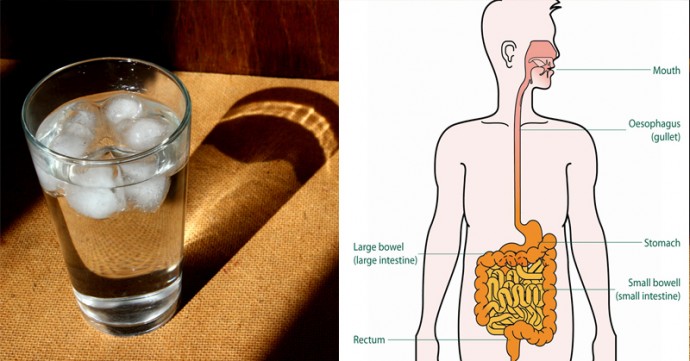
Having ice-cold water with your meal

Yep, I’m back to talking about water again. And here you thought all there was to water was drinking it. Nay friend. When it comes to temperature of drinking water at a meal, opt for room temperature instead of cold. Ice-cold water constricts blood vessels, so it hinders the body’s ability to digest food and absorb nutrients.

Ice-cold water will also solidify any fats that are being eaten making them difficult to digest as well. Plus, your body’s energy is going to get diverted from trying to digest food to trying to regulate your body’s temperature. So much unnecessary exhaustion.

Solution:

Think Japanese. Order some hot water (with lemon, optional) or green tea before the start of your meal and slowly sip on it to prime your gut for optimal digestion. Always tell the server “no ice” and “room temperature”.

Keep in mind that these tips are for optimal digestion. If you suffer from weak digestion, these are far more applicable to you than someone who rarely suffers from feeling bloated or sluggish after a meal. These tips are also more crucial when you have a big brunch or celebratory meal coming up  — basically, when you know a food coma is just around the corner.

The Secret to Lowering Your Blood Pressure in 15 Minutes

bloodpressure

Uncontrolled high blood pressure is a very serious health concern that can lead to heart disease and increased risk for stroke. The good news is, by optimizing your dietary intake, exercising, and effectively managing your stress, the odds of lowering your blood pressure are greatly in your favor.

If you or someone you love is affected by high blood pressure, then please review and share the guidelines given below. A list of supplementary articles is also included, if you desire further information. Hypertension is actually an easily treated condition, but one that can cause serious damage to your health if ignored.

Your Diet Will Raise or Lower Your Blood Pressure

Are you on a high grain, low fat regimen? If so, I have bad news for you, because this nutritional combination is a prescription for hypertension and can absolutely devastate your health.

Groundbreaking research published in 1998 in the journal Diabetes reported that nearly two-thirds of the test subjects who were insulin resistant (IR) also had high blood pressure, and insulin resistance is directly attributable to a high sugar, high grain diet, especially if accompanied by inadequate exercise. So, chances are that if you have hypertension, you also have poorly controlled blood sugar levels, because these two problems often go hand in hand.

As your insulin level elevates, so does your blood pressure.

As explained by Dr. Rosedale, insulin stores magnesium. If your insulin receptors are blunted and your cells grow resistant to insulin, you can’t store magnesium so it passes out of your body through urination. Magnesium stored in your cells relaxes muscles. If your magnesium level is too low, your blood vessels will constrict rather than relax, which will raise your blood pressure and decrease your energy level. Insulin also affects your blood pressure by causing your body to retain sodium. Sodium retention causes fluid retention. Fluid retention in turn causes high blood pressure and can ultimately lead to congestive heart failure. If your hypertension is the direct result of an out-of-control blood sugar level, then normalizing your blood sugar levels will also lower your blood pressure readings into the healthy range.

Fructose Can Cause Your Blood Pressure to Skyrocket

The first thing you need to do is remove all grains and sugars from your diet, particularly fructose, until both your weight and your blood pressure have normalized. Eating sugars and grains — including any type of bread, pasta, corn, potatoes, or rice — will cause your insulin levels and your blood pressure to remain elevated.

A study1 published earlier this year discovered that those who consumed 74 grams or more per day of fructose (the equivalent of about 2.5 sugary drinks) had a 77 percent greater risk of having blood pressure levels of 160/100 mmHg. (For comparison, a normal blood pressure reading is below 120/80 mmHg.) Consuming 74 grams or more of fructose daily also increased the risk of a 135/85 blood pressure reading by 26 percent, and 140/90 by 30 percent.

This is significant because the average American now consumes 70 grams of fructose EVERY day!

Fructose breaks down into a variety of waste products that are bad for your body, one being uric acid. Uric acid drives up your blood pressure by inhibiting the nitric oxide in your blood vessels. Nitric oxide helps your vessels maintain their elasticity, so nitric oxide suppression leads to increases in blood pressure. In fact, 17 out of 17 studies demonstrate that elevated uric acid levels lead to hypertension. For more information on the connection between fructose, uric acid, and hypertension, please see this article that explains it in greater depth.

I’ve also interviewed Dr. Richard Johnson, one of the leading medical researchers in this field, about his research into the health dangers of fructose, specifically how fructose causes health problems such as high blood pressure.

My Recommended Fructose Allowance

As a standard recommendation, I strongly advise keeping your TOTAL fructose consumption below 25 grams per day. Since the average 12-ounce can of soda contains 40 grams of sugar, at least half of which is fructose, this can of soda ALONE would exceed your daily allotment.

In addition, most people would be wise to also limit the amount of fructose you get from fruit to 15 grams or less, because you’re virtually guaranteed to consume “hidden” sources of fructose (typically in the form of high fructose corn syrup) from most beverages and just about any processed food you eat.

Fifteen grams of fructose is not much — it represents two bananas, one-third cup of raisins, or just two Medjool dates. In his book, The Sugar Fix, Dr. Johnson includes detailed tables showing the fructose content in different foods, and I’ve included a sample of these values in the linked article.

Additional Dietary Considerations

  1. Normalize your omega 6:3 ratio — Both omega-3 and omega-6 fats are essential for your health. Most Americans, however, are getting too much omega-6 in their diet and far too little omega-3. Consuming omega-3 fats is one of the best ways to re-sensitize your insulin receptors if you suffer from insulin resistance. Omega-6 fats are found in corn, soy, canola, safflower and sunflower oil. If you’re consuming a lot of these oils, you’ll want to avoid or limit them.Omega-3 fats are typically found in flaxseed oil, walnut oil and fish, with fish being by far the best source. Unfortunately, most fresh fish today contains dangerously high levels of mercury. Your best bet is to find a safe source of fish, or if this proves too difficult, supplement with a high quality krill oil, which has been found to be 48 times more potent than fish oil.
  2. Eliminate caffeine — The connection between caffeine consumption and high blood pressure is not well understood, but there is ample evidence to indicate that if you have hypertension, coffee and other caffeinated drinks and foods can ex­acerbate your condition. Caffeine is a drug, and while it’s entirely legal and widely consumed, it can have a powerful effect on your individual physiology. If you want to eliminate caffeine from your diet, try to do it gradually over a period of days or even weeks in order to avoid withdrawal symptoms like headaches.
  3. Consume Fermented Foods – Differences in gut flora from one person to another appears to have a large effect on whether or not you develop heart disease. If your gut flora is not healthy, your risk is much greater for heart disease, as well as many other chronic health problems. The best way to optimize your gut flora is by including some naturally fermented foods in your diet, such as sauerkraut and other fermented vegetables, yogurt, kefir, and natto. An additional benefit of fermented foods is that some of them are excellent sources of vitamin K2, which is important for preventing arterial plaque buildup and heart disease.

Use Exercise as a Drug

Physical activity is by far one of the most potent “drugs” there is, and its side effects are exactly the kinds you want to experience. Regardless of the primary reason you start an exercise program, your efforts will be rewarded in countless other ways.

A comprehensive exercise regimen, such as my Peak Fitness program, is very important in producing long-term benefits in people with high blood pressure. Nearly every program should incorporate anaerobic sprint or burst-type exercises one to three times a week, as these have been shown to be even more effective than aerobic exercises at reducing your risk of dying from a heart attack.

If you are insulin resistant, you’ll definitely want to include weight training in your exercise program. When you work individual muscle groups, you increase blood flow to those muscles. Good blood flow will increase your insulin sensitivity. Depending on your physical condition when you embark on your exercise program, you may need to consult with a health care professional for help increasing to the intensity required to lower your insulin level. Exercise in combination with the supplement L-arginine has been shown to correct the abnormal functioning of blood vessels seen in people with chronic heart failure. However, I would view this more as a drug approach and not necessarily a supplement you would consider using for optimizing health in general. L-arginine probably works through its interaction with nitric oxide. I would consider it an adjunct, not a replacement, for coenzymeQ10, which is a well-proven therapy for heart failure.

Optimize Your Vitamin D Levels

Believe it or not, the farther you live from the equator, the higher your risk of developing high blood pressure2. And did you know that blood pressure is typically higher in winter months than in summer?

Sunlight actually affects blood pressure in several ways:

  • Sun exposure causes your body to produce vitamin D. Lack of sunlight reduces your vitamin D stores and increases parathyroid hormone production, which increases blood pressure.
  • Vitamin D deficiency has been linked to insulin resistance (IR) and Syndrome X (also known as Metabolic Syndrome), a group of health problems that can include IR, elevated cholesterol and triglyceride levels, obesity, and high blood pressure.
  • Vitamin D is also a negative inhibitor of your body’s renin-angiotensin system (RAS), which regulates blood pressure. If you’re vitamin D deficient, it can cause inappropriate activation of your RAS, which may lead to hypertension.
  • Additionally, exposure to UV rays is thought to cause the release of endorphins, chemicals in your brain that produce feelings of euphoria and pain relief. Endorphins naturally relieve stress, and stress management is an important factor in resolving hypertension.

Exposure to appropriate amounts of sunlight is a basic health requirement that extends far beyond blood pressure normalization. Vitamin D helps systems and organs throughout your body to function properly. Ideally, you’ll want to get your vitamin D through safe exposure to sunshine or a safe tanning bed, but vitamin D3 supplements can also be used. Please do NOT let your doctor give you a “prescription” vitamin D. That is vitamin D2, which is synthetic, and not nearly as beneficial as the real vitamin D, which is D3 (cholecalciferol).

Keep in mind that if you decide to supplement with oral vitamin D3, you must carefully monitor your vitamin D blood levels to avoid overdosing. (This is why it is highly preferable to get your vitamin D through sun exposure, since there is virtually no chance of overdosing.)

To learn much more about vitamin D test values and the best labs to get your tests done, please visit the linked page. I also recommend watching my free one-hour vitamin D lecture for more information about the incredible health benefits of this essential nutrient.

Controlling Your Stress is Crucial


ABC US News | World Newsnbsp;

One in three American adults have high blood pressure (hypertension), and just as many, if not more, battle emotional and mental stress on a day-to-day basis.

Are these two conditions connected?

You bet. As reported by ABC World News on September 16, 20103, one cardiologist believes the connection between stress and hypertension is undeniable, yet still does not receive the emphasis it deserves. In response, Dr. Kennedy developed a stress-relieving technique he calls “The 15 Minute Heart Cure,” a set of breathing and creative visualization techniques that can be done anywhere, anytime. The technique is demonstrated in the ABC World News video above. By teaching your body to slow down and relax when stress hits — essentially short-circuiting your physical stress reaction — you can protect your health.

My preferred method is the Emotional Freedom Technique (EFT), an easy to learn, easy to use technique for releasing negative emotions. EFT combines visualization with calm, relaxed breathing, while employing gentle tapping to “reprogram” deeply seated emotional patterns.

Supplements and Other Alternatives

Although certain supplements may be helpful, it’s important to understand they should never be used as a substitute for basic lifestyle choices that treat the real cause of the problem. Using only supplements without modifying your lifestyle is an allopathic approach not very different from using drugs. In most instances, it is not likely to be effective. Once you have made some beneficial changes to your lifestyle, you can then consider some of the following supplements as a way to further enhance your health:

  • Calcium and magnesium. Daily calcium and magnesium supplementation can be useful in lowering blood pressure, especially if yours is on the high end of high. However, if you avoid sugars and grains and eat for your Nutritional Type™ (see above), it’s unlikely additional calcium or magnesium supplements will be necessary.
  • Vitamins C and E. Studies indicate that these vitamins can be helpful in lowering your blood pressure. Ideally, you’ll want to get the right amount of both these nutrients through diet alone. If you decide you need a supplement, make sure to take a natural (not synthetic) form of vitamin E. You can tell what you’re buying by carefully reading the label. Natural vitamin E is always listed as the “d-” form (d-alpha-tocopherol, d-beta-tocopherol, etc.) Synthetic vitamin E is listed as “dl-” forms.
  • Olive leaf extract. In one 2008 study, supplementing with 1,000 mg of olive leaf extract daily for eight weeks caused a significant dip in both blood pressure and LDL (“bad cholesterol”) in people with borderline hypertension. If you want to incorporate olive leaf extract as a natural adjunct to a nutritionally sound diet, you should look for fresh leaf liquid extracts for maximum synergistic potency. You can also prepare your own olive leaf tea by placing a large teaspoon of dried olive leaves in a tea ball or herb sack. Place it in about two quarts of boiling water and let it steep for three to 10 minutes. The tea should be a medium amber color when done.
  • Electrical acupuncture. Acupuncture combined with electrical stimulation has shown to temporarily lower elevations in blood pressure in animals by as much as 50 percent. It’s currently undergoing testing in humans and could be a promising alternative treatment for controlling blood pressure.
  • Breastfeeding. Studies have shown that babies who are breastfed for more than 12 months have a dramatically lower risk of developing hypertension. Researchers believe long-chain polyunsaturated fatty acids (the same found in fatty fish) in breast milk provide a protective effect for newborns.
  • Quick tricks. Increasing nitric monoxide in your blood can open constricted blood vessels and lower blood pressure. Methods of increasing the compound include taking a warm bath, breathing in and out through one nostril (close off the other nostril and your mouth), and eating bitter melon, rich in amino acids and vitamin C.

Like obesity, high blood pressure is an epidemic. And like obesity, your best treatment is to evaluate your lifestyle and make the necessary adjustments.

A natural approach to preventing disease and healing yourself when illness strikes is always the better choice. In the case of high blood pressure, lifestyle changes — with particular emphasis on normalizing your insulin levels — can put you on the road to a drug-free, all-natural return to optimal health.

Get More Done by Following ‘The Productivity Diet’

Get More Done by Following 'The Productivity Diet' (Infographic)

Image credit: Shutterstock

Your productivity is directly impacted by what you eat. If you want both your mind and body to perform at optimal levels then you need to practice good nutrition.

It sounds great, but what does “good nutrition” mean?

With so much conflicting diet and health information online, it can leave you with more questions than answers most of the time.

What is a good mid-day snack to maintain high energy levels? Not candy bars and Red Bull — unless you want to trigger a blood sugar spike followed by a crash.

What we eat as well as when we eat it contributes to high productivity, and that’s why EBOC teamed up with HubSpot to create the infographic below, highlighting the food types that will help you maintain high energy levels and productivity throughout your day.

Use this as a guide to help you make better food choices, and don’t forget that every person will have different dietary needs — so consult your doctor or healthcare professional.

Jonathan Long – June 25, 2015

The 15 Most Effective Natural Remedies For Anxiety

Herbal-Remedies-For-Anxiety

Herbal therapies are astoundingly popular and their interest is growing as the dangers of pharmaceuticals become widely known and accepted. In 2008 statistician Patricia M. Barnes of the National Center for Health Statistics and her colleagues reported that almost 20 percent of children and adults in the U.S. had used an herbal medicine during the past year. That percentage according to some experts has doubled. A team led by physician David M. Eisenberg of Harvard Medical School determined that use of herbs for physical and mental problems including anxiety had risen 380 percent in seven years.

The use of plants as treatments dates to at least 3000 b.c. although some theories propose humans have been using plants has medicine for as long as we’ve existed. Today this practice is part of a broader movement that has been fueled by the high ineffectiveness of prescription drugs, their side effects and the fact that these drugs do not work for everyone. Natural remedies come with little to no risk and if you find the right one for your condition, you can use it for life. That being said, always consult with a Naturopathic Doctor before initiating any herbal treatments for diagnosed conditions, especially if you are already taking medication.


1. Cannabis

Cannabis has very powerful neuroprotective properties with an incredible ability to regulate emotional behavior and may be the most reliable medicinal plant available as a therapeutic target for the treatment of anxiety and depressive disorders. A study conducted with mice suggests that beta-caryophyllene may be useful in treating anxiety and depression. The findings were published online in the journal Physiology & Behavior.


2. Valerian

Valerian root (valeriana officinalis) is derived from a plant native to Europe and Asia and has been used for thousands of years as a remedy for various ailments. It is believed that valerian root has an impact on the availability of the neurotransmitter GABA in the brain. GABA is a neurotransmitter in the central nervous system that is responsible for regulating and specifically for inhibiting the activity of the brain’s neurons. Extra GABA in your system promotes relaxation and lowers stress levels. For this reason, valerian root is known as a sedative. Valerian is very effective at relieving stress itself and insomnia caused by stress.


3. Honey

The nutrients in honey produce a calming effect, especially when taken in significant amounts. Honey can also be mixed with a suitable beverage for a good night’s sleep!

4. Lemon Balm

A large amount of published data has emerged on the benefits of lemon balm for alleviating anxiety and mood disorders in humans. In the past five years alone, the powerful relaxing effects of lemon balm extracts have been documented by scientists around the world. These studies confirm what herbal practitioners have long known–that lemon balm in combination with other herbal agents is effective in addressing conditions related to stress and anxiety. In one study of healthy volunteers, those who took standardized lemon balm extracts (600 mg) were more calm and alert than those who took a placebo.

5. Passionflower

Passion Flower

Natural sedative relieves occasional anxiety and mild panic attacks. Passion Flower is a woody vine that bears small berry-like fruit called grandilla. The brightly colored flowers and above-ground portions of the Passion Flower vine are used to derive medicinal compounds that relax the central nervous system and promote emotional balance. In the United States, Passion Flower is classified as GRAS (Generally Recognized as Safe) by the Food and Drug Administration. Substances that receive a GRAS classification have maintained a long, safe history of common use in foods or have been determined to be safe based on proven scientific research.

6. Winter Cherry

Relieves nervous tension, occasional anxiety and mental fatigue. Winter Cherry, or Ashwagandha Root, is among the most prominent herbal preparations used in Ayurveda, a holistic system of medicine that originated in India. The root of this small evergreen shrub is primarily recognized for its adaptogenic properties, meaning it naturally increases the body’s resistance to physical and emotional stress. Practitioners of Ayurveda traditionally prescribe Winter Cherry to promote gentle relaxation and emotional balance. Research has shown that Winter Cherry is a safe, natural sedative that produces the most noticeable benefits following daily use for two to six weeks.


7. Lavender  

Lavender is a common herb used in aromatherapy for mental health and mood. Lavender is a part of aromatherapy for headaches and depression. Lavender is a part of several scented products like perfumes soaps, shampoos and sachets. The plant is usually extracted into an oil and used in aromatherapy for mood, stress and anxiety. Lavender should be used with the recommendation of a physician, because it can interact with other medications. In one German study, a specially formulated lavender pill was shown to reduce anxiety symptoms in people with Generalized Anxiety Disorder (GAD) as effectively as lorazepam (brand name: Ativan), an anti-anxiety medication in the same class as Valium.


8. Ashwagandha

Ashwagandha is an Ayurvedic herb from the roots of Withania somnifera, a plant in the nightshade family. It has long been prized for hundreds of years for its ability to help the body deal with stress. It has also been used to boost the immune system, improve memory, and to promote overall wellness.

9. L-theanine (or green tea)

Research shows that L-theanine helps curb a rising heart rate and blood pressure, and human studies have found that it reduces anxiety. In one study, anxiety-prone subjects were calmer and more focused during a test if they took 200 milligrams of L-theanine beforehand. Astonishingly, even extremely short-term use of theanine had remarkable effects on manifestations of anxiety.

10. Rhodiola Rosea (Arctic Root)

Relieves occasional anxiety and positively supports the body during periods of stress. Arctic Root is a plant indigenous to Siberia, where it thrives in high altitudes and dry arctic climate. The primary medicinal compounds of Arctic Root are derived from the root of the plant.
In Russia, Scandinavia and much of Europe, Arctic Root has been traditionally recognized for its adaptogenic properties. An adaptogen is a physiological agent that naturally increases the body’s resistance to physical and emotional stress. Rhodiola Rosea has been clinically shown to stimulate Serotonin, Norepinephrine and Dopamine activity, and may help to support healthy neurotransmitter balance.

11. St. Johns Wort

Natural reuptake inhibitor that supports a healthy neurotransmitter balance. St. John’s Wort is an aromatic perennial herb with an abundance of golden-yellow flowers. Tiny perforations filled with phytochemical-rich oils cover the aerial (above- ground) portions of St. John’s Wort and yield an extract that gives the plant its primary health benefits. Current usage statistics indicate that millions of Americans supplement their daily diets with St. John’s Wort to promote positive mood balance. The medicinal components of St. John’s Wort, which include Hypericin and Hyperforin, have been clinically shown to promote a healthy neurotransmitter balance, which can help to provide positive mood support following two to six weeks of continued use.

12. Chamomile

There is good evidence that chamomile possesses anxiolytic (anti-anxiety) properties and can be used to treat stress, anxiety and insomnia. In one study at the University of Pennsylvania Medical Center, in Philadelphia, patients with generalized anxiety disorder (GAD) who took chamomile supplements for eight weeks had a significant decrease in anxiety symptoms compared to patients taking placebo.

13. Skullcap

Skullcap is the anxiety remedy for people who experience anxiety along with restlessness, muscle tension, and jaw clenching. If you tend to toss and turn in bed, or if you feel like you can only relax when you’re out walking (but sitting still makes you want to jump out of your skin), or if you feel like “climbing the walls” when you’re stuck inside during a bout of anxiety, skullcap can help you to unwind not only your anxiety, but also the accompanying muscular tension and restlessness. Skullcap is effective in tea or tincture (a tincture is an herb extracted in alcohol) form, but if you can tolerate small amounts of alcohol I think 20-40 drops of the tincture (for a 150-pound person) is the most effective form.

14. Kava Kava

The known active ingredients in kava are phytochemicals called kavalactones. Kava Kava is best-known as a ceremonial South Pacific beverage. Six major kavalactones are used to identify the chemotype of variety as they represent greater than 90 percent of the total amount of kavalactones within the kava specimen. These kavalactones give kava its stress fighting, muscle relaxing, anxiety reducing effects. The are also very effective for depression and sleeplessness.

15. Licorice Root

contains a natural hormone alternative to cortisone, which can help the body handle stressful situations, and can help to normalize blood sugar levels as well as your adrenal glands, providing you with the energy necessary to deal with the stressful situation at hand. Some claim licorice stimulates cranial and cerebrospinal fluid, thereby calming the mind.

Neurotransmitter Support is one of the best formulations on the market for brain energy metabolism. It is a feast for brains in need of restoration, providing the optimum combination to facilitate the transport of vital nutrients into brain cells, and assist in re-establishment of neuronal function. And it’s a healthy snack for an aging brain, as well, giving it all the essentials necessary to support our mood, memory, and cognitive abilities, which tend to slow down as the years pass by.

by DAVE MIHALOVIC


Dave Mihalovic is a Naturopathic Doctor who specializes in vaccine research, cancer prevention and a natural approach to treatment.


Sources:
vtherbcenter.org
preventdisease.com
care2.com
life-choice.net
about.com

The Health Truth about Coffee

Liver CoffeeThe health effects of coffee are quite controversial. Depending on who you ask, it is either a super healthy beverage or incredibly harmful. But despite what you may have heard, there are actually plenty of good things to be said about coffee. For example, it is high in antioxidants and linked to a reduced risk of many diseases. However, it also contains caffeine, a stimulant that can cause problems in some people and disrupt sleep. This article takes a detailed look at coffee and its health effects, examining both the pros and cons.


Coffee Contains Some Essential Nutrients and is Extremely High in Antioxidants

Coffee is more than just dark brown water… many of the nutrients in the coffee beans do make it into the drink.

A typical 8oz (240 ml) cup of coffee contains (1):

Vitamin B2 (Riboflavin): 11% of the RDA.

Vitamin B5 (Pantothenic Acid): 6% of the RDA.

Vitamin B1 (Thiamin): 2% of the RDA.

Vitamin B3 (Niacin): 2% of the RDA.

Folate: 1% of the RDA.

Manganese: 3% of the RDA.

Potassium: 3% of the RDA.

Magnesium: 2% of the RDA.

Phosphorus: 1% of the RDA.

This may not seem like a lot, but try multiplying with 3, 4, or however many cups you drink per day. It can add up to a significant portion of your daily nutrient intake.

But where coffee really shines is in its high content of antioxidants.

The average person who eats a typical Western diet actually gets more antioxidants from coffee than fruits and vegetables… combined (2, 3).

Bottom Line: Coffee contains a small amount of some vitamins and minerals, which add up if you drink many cups per day. It is also high in antioxidants.

Coffee Contains Caffeine, A Stimulant That Can Enhance Brain Function and Boost Metabolism

Caffeine is the most commonly consumed psychoactive substance in the world (4).

coffee punch


Soft drinks, tea and chocolate all contain caffeine, but coffee is the biggest source.

The caffeine content of a single cup can range from 30-300 mg, but the average cup is somewhere around 90-100 mg.

Caffeine is a known stimulant. In the brain, it blocks the function of an inhibitory neurotransmitter (brain hormone) called Adenosine.

By blocking adenosine, caffeine actually increases activity in the brain and the release of other neurotransmitters like norepinephrine and dopamine. This reduces tiredness and makes us feel more alert (5, 6).

There are numerous studies showing that caffeine can lead to a short-term boost in brain function… including improved mood, reaction time, vigilance and general cognitive function (7, 8).

Caffeine can also boost metabolism (calories burned) by 3-11% and even increase exercise performance by 11-12%, on average (9, 10, 11, 12).

However… some of these effects are likely to be short-term. If you drink coffee every day, then you will build a tolerance to it and the effects will be less powerful (13).

There are also some downsides to caffeine, which I’ll get to in a bit.

Bottom Line: The main active compound in coffee is the stimulant caffeine. It can cause a short-term boost in energy levels, brain function, metabolic rate and exercise performance.

Coffee May Help Protect Your Brain in Old Age, Leading to Reduced Risk of Alzheimer’s and Parkinson’s


Alzheimer’s disease is the most common neurodegenerative disease and a leading cause of dementia.

Studies have shown that coffee drinkers have up to a 65% lower risk of developing Alzheimer’s disease (14, 15, 16).

Parkinson’s is the second most common neurodegenerative disease and caused by the death of dopamine-generating neurons in the brain.

Coffee drinkers have a 32-60% lower risk of Parkinson’s disease. The more coffee people drink, the lower the risk (17, 18, 19, 20).

Bottom Line: Several studies show that coffee drinkers have a much lower risk of dementia, Alzheimer’s disease and Parkinson’s disease in old age.


Coffee Drinkers Have a Much Lower Risk of Type 2 Diabetes

Type 2 diabetes is characterized by elevated blood sugars due to resistance to the effects of insulin.

This is a very common disease… it has increased 10-fold in a few decades and now afflicts over 300 million people.

Interestingly, coffee drinkers appear to have a significantly reduced risk of developing this disease, some studies showing that coffee drinkers are up to 23-67% less likely to become diabetic (21, 22, 23, 24).

In one large review study that looked at 18 studies with 457,922 individuals, each daily cup of coffee was linked to a 7% reduced risk of type 2 diabetes (25).

Bottom Line: Numerous studies have shown that coffee drinkers have a significantly lower risk of developing type 2 diabetes.

Coffee Drinkers Have a Lower Risk of Liver Diseases

The liver is an incredibly important organ that has hundreds of different functions in the body.coffee liver


It is very sensitive to modern insults like excess alcohol and fructose intake.

The end stage of liver damage is called Cirrhosis, and involves most of the liver being replaced with scar tissue.

Coffee drinkers have up to an 84% lower risk of developing cirrhosis, with the strongest effect for those who drink 4 or more cups per day (26, 27, 28).

Liver cancer is also common… it is the second leading cause of cancer death worldwide. Coffee drinkers have up to a 40% lower risk of liver cancer (29, 30).

Bottom Line: Coffee drinkers have a significantly lower risk of cirrhosis and liver cancer. The more coffee they drink, the lower the risk.


People Who Drink Coffee Are at a Much Lower Risk of Depression and Suicide

Depression is an incredibly common problem.

It is the world’s most common mental disorder and leads to a significantly reduced quality of life.

In one Harvard study from 2011, people who drank the most coffee had a 20% lower risk of becoming depressed (31).

In one review of 3 studies, people who drank 4 or more cups of coffee per day were 53% less likely to commit suicide (32).

Bottom Line: Studies have shown that people who drink coffee have a lower risk of becoming depressed and are significantly less likely to commit suicide.


Some Studies Show That Coffee Drinkers Live Longer

Given that coffee drinkers have a lower risk of many common, deadly diseases (and suicide), it makes sense that coffee could help you live longer.

There is actually some good evidence to support this.

A study published in the New England Journal of Medicine in 2012 looked at the habits of 402,260 individuals between 50 and 71 years of age (33).

In this study, people who drank coffee had a much lower risk of dying over the 12-13 year study period:coffee death


The sweet spot seems to be at 4-5 cups per day, with men having a 12% reduced risk and women a 16% reduced risk.

You can read more about it in this article on how coffee can make you live longer.

Bottom Line: Some studies have shown that coffee drinkers live longer, which makes perfect sense given that they have a lower risk of many diseases. The strongest effect is seen for 4-5 cups per day.


Caffeine Can Cause Anxiety and Disrupt Sleep

It wouldn’t be right to only talk about the good stuff without mentioning the bad.

The truth is… there are some important negative aspects to coffee as well (although this depends on the individual).

Consuming too much caffeine can lead to jitteriness, anxiety, heart palpitations and may even exacerbate panic attacks (34).

If you are sensitive to caffeine and tend to become overstimulated, then perhaps you shouldn’t be drinking coffee.

Another unwanted side effect is that it can disrupt sleep (35). If coffee reduces the quality of your sleep, then try avoiding coffee late in the day, such as after 2pm.

Caffeine can also have some diuretic and blood pressure raising effects, but this usually goes away with regular use. However, an increase in blood pressure of 1-2 mm/Hg may persist (36, 37, 38).

Bottom Line: Caffeine can have various negative effects, such as causing anxiety and disrupting sleep, but this depends greatly on the individual.


Caffeine is Addictive and Missing a Few Cups Can Lead to Withdrawal

One issue with caffeine, is that it can lead to addiction in many people.

When people consume caffeine regularly, they become tolerant to it. It either stops working as it used to, or a larger dose is needed to get the same effects (39).

When people abstain from caffeine, they get withdrawal symptoms like headache, tiredness, brain fog and irritability. This can last for a few days (40, 41).

Tolerance and withdrawal are the hallmarks of physical addiction.

A lot of people (understandably) don’t like the idea of being literally dependant on a chemical substance in order to function properly.

Bottom Line: Caffeine is an addictive substance. It can lead to tolerance and well documented withdrawal symptoms like headache, tiredness and irritability.


The Difference Between Regular and Decaf

Some people opt for decaffeinated coffee instead of regular.

The way decaffeinated coffee is usually made, is by rinsing the coffee beans with solvent chemicals.

Each time this is done, some percentage of the caffeine dissolves in the solvent and this process is repeated until most of the caffeine has been removed.

However, it’s important to keep in mind that even decaffeinated coffee does contain some caffeine, just much less than regular coffee.

Unfortunately, not all of the health benefits of regular coffee apply to decaffeinated coffee. For example, some studies show no reduction in the risk of type 2 diabetes, Parkinson’s or liver diseases for people who drink decaffeinated coffee.

Bottom Line: Decaffeinated coffee is made by extracting caffeine from the coffee beans using solvents. Decaf does not have all of the same health benefits as regular coffee.


Things to Keep in Mind in Order to Maximize The Health Benefitscoffee benefits


There are some things you can do in order to maximize the beneficial health effects you get from coffee.

The most important is to NOT add anything unhealthy to it. This includes sugar and any sort of artificial, chemical-laden creamer.

Another important thing is to brew coffee with a paper filter. Unfiltered coffee (such as Turkish or French press) contains cafestol, a substance that can increase cholesterol levels (42, 43).

Also keep in mind that some of the coffee drinks at places like Starbucks can contain hundreds of calories and a whole bunch of sugar. These drinks are NOT healthy.

There are some more tips in this article on 8 ways to make your coffee super healthy.

Bottom Line: It is important not to put sugar or a chemical-laden creamer in your coffee. Brewing with a paper filter can get rid of a cholesterol-raising compound called Cafestol.


Should You be Drinking Coffee?

There are some people who would definitely want to avoid or severely limit coffee consumption, especially pregnant women.

People with anxiety issues, high blood pressure or insomnia might also want to try limiting coffee for a while to see if it helps.

There is also some evidence that people who metabolize caffeine slowly have an increased risk of heart attacks from drinking coffee (44).

All that being said… it does seem clear that for the average person, coffee can have important beneficial effects on health.

If you don’t already drink coffee, then I don’t think these benefits are a compelling reason to start doing it. There are downsides as well.

But if you already drink coffee and you enjoy it, then the benefits appear to far outweigh the negatives.

I personally drink coffee, every day… about 4-5 cups (sometimes more). My health has never been better.

Take Home Message

It’s important to keep in mind that many of the studies in the article are observational studies, which can not prove that coffee caused the beneficial effects.

But given that the effects are strong and consistent among studies, it is a fairly strong indicator that coffee does in fact play a role.

Despite having been demonized in the past, the evidence points to coffee being very healthy… at least for the majority of people.

If anything, coffee belongs in the same category as healthy beverages like green tea.

by KRIS GUNNARS

Source: Authority Nutrition
Baking Soda And Himalayan Salt, A Danger to the Pharmaceutical Industry ?

baking-soda-himalayan-salt-drink-recipe
Image Courtesy of HealthyWildAndFree

Baking soda is commonly found in most homes around the world as a good all purpose scraping and cleaning powder, or to be used for baking purposes but there’s a good chance that you’re not fully utilizing the full potential of baking soda for your health and well-being. Baking soda is very cheap, only a few bucks and can be bought practically anywhere so to use baking soda like it can be used to treat ailments and health issues is information that the pharmaceutical industry does not want to get out.

The great thing about it is that it can be used in many different ways and to help reduce aches and pains, reduce symptoms or even reduce the chances of potential life-threatening issues by doing all that it does! So what does baking soda actually do to your body and health?
The first and probably the earliest use of baking soda medicinally was written in 1924 by Arm & Hammer to treat and prevent the cold and flu. They found that people who consumed baking soda in water prevented the flu and cold and those who had already caught the flu or cold could take baking soda in water and their symptoms would begin to dissipate.
Baking soda is also used for ulcer pain, instead of taking an anti-acid medication baking soda can neutralize the pH of the stomach helping to relieve the Ulcer symptoms. Reducing stress and having healthy lifestyle practices will ultimately reduce the ulcers in the first place, but supplementing with baking soda orally can help relieve symptoms on the spot.
Baking soda is slightly more alkaline than human blood and helps to deliver oxygen to the body as well as bring the pH level up if it is too low (too acidic). This means that any ailment, or medical condition that suffers from an acidic environment or lack of oxygen can be benefited by baking soda. Literally every cell in the human body could use more oxygen and alkaline support because of the acidic, chemically-laden and overuse of acids in our world today.

People have used and recommended baking soda for ulcers, arthritis, diabetes, cancer, cardiovascular disease or any and all skin conditions ranging from sunburn to scars and acne. It is also very commonly used topically as a foot bath, a sunburn remedy, an addition to the bathtub for skin health as well as used in all natural aluminum free baking soda based deodorants like Primal Pit Paste which I personally use and love. Baking soda mainly oxygenates the body which allows your body to have direct access to more oxygen especially in cells that are suffering and need it, wherever they may be in the body. Secondly, it will alkalize your body and work to bring the pH into a more alkaline state, there is one issue with this however.

Based on my research I do not personally think that just swallowing baking soda and water throughout the day is the healthiest idea as most suggest. Why? Baking soda water is quite alkaline and that water goes right into your gut which is supposed to be an acidic environment in order to digest hard food. If you continuously bombard your gut with alkaline liquid without giving it some acids (which may not be an issue for some people) throughout the day you can actually weaken your gut and digestive system in general. This is why (and where) the second ingredient comes in, pink Himalayan salt.I’m sure you’ve heard of this salt before, it’s very mineral rich boasting a mineral content of 84 minerals as well as being rich in electrolytes which help the health of the cell, nervous system and entire body.

By mixing baking soda with Himalayan pink salt you are creating a mineral rich water (which provides more hydrogen and oxygen to your cells and entire body) that is pH balanced for the human blood which is going to supply your entire body. This is a drink that oxygenates, alkalizes and hydrates your body while balancing the pH of the blood which works to balance the pH of other individual organ as a carrier and modulator. This drink also balances and oxygenates the lungs which are responsible for balancing pH throughout the body as well as the kidneys with the many minerals and oxygen infusion. By drinking this you help your lungs and kidneys perform healthier which helps to supply a balanced pH and carry more oxygen and a balanced pH effect throughout the entire body.

Healthy human blood has a pH in the range of 7.35-7.45 and in order to optimize and enhance the health of your blood we’ll be ingesting something meant to do so as well as to balance the pH of your blood and get it back in the 7.35-7.45 range, or very close to it. The pH of baking soda in water is 8.2, slightly alkaline, The pH of Himalayan pink salt in water is right around 6.50 (depending on your water source) and if you put the two of these together you have something quite magical I discovered, You have a mineral and electrolyte rich drink that also gives you all of the benefits of baking soda, not to mention the pH of this drink will be right around a pH of 7.35-7.5 or so, this is right in the exact range of pH to balance the pH of your blood which runs through and gives your entire body nutrients, hydrogen and oxygen which are all vital to healing whatever is going on anywhere in your body.

Baking Soda + Himalayan Salt Drink Recipe:

1/2 tsp. of baking soda + 1/2 tsp. of Himalayan salt in a half glass of water (approximately 3-4 ounces of water) Simply add the baking soda and Himalayan salt to a half glass of water, stir and drink! You can drink this once in the morning and once at night.

Ingredients needed:

1. Himalayan Pink Salt 2. Baking Soda (Some people and companies claim that most conventional baking soda contains aluminum in it, which is a toxic metal that you definitely do not want to ingest! I’m not sure if this is true or not but you can get an aluminum free baking soda by clicking here just to be safe, I’m not sure if these claims are true and the aluminum free baking soda does cost a bit more but still fairly cheap.) 3. Purified Water (Ionizer/Distilled/Reverse Osmosis) Tap water is dead water. It’s sanitized and toxic. Chlorine, fluoride, heavy metals, traces of pharmaceutical drugs and many other compounds are in our tap water. It’s not the healthiest water and has little to no vitality left in it.

I highly recommend looking into getting a water filtration system, whether it’s purified, ionized, distilled or reverse osmosis, whatever floats your water floating boat! This drink recipe above can be used for heartburn, to balance pH of the blood and body, to oxygenate the body. Boost your immune system to fight the cold and flu as well as any other infection or sickness/disease. It can also be used to treat ulcers, help the blood for diabetic patients and many more uses. It’s oxygen, mineral and electrolyte rich and does a great job at fighting candida, bacteria or fungal infections as well as keeping your cells and blood healthy. Try drinking it once or twice daily and go from there!

By David Benjamin – June 23, 2015

10 Proven Health Benefits of Turmeric and Curcumin

Young Indian Woman Holding SpicesTurmeric may be the most effective nutritional supplement in existence.

Many high quality studies show that it has major benefits for your body and brain.

Here are the top 10 evidence-based health benefits of turmeric.

1. Turmeric Contains Bioactive Compounds With Powerful Medicinal Properties

Turmeric is the spice that gives curry its yellow color.

It has been used in India for thousands of years as a spice and medicinal herb.

Recently, science has started to back up what the Indians have known for a long time… it really does contain compounds with medicinal properties (1).

These compounds are called curcuminoids, the most important of which is curcumin.

Curcumin is the main active ingredient in turmeric. It has powerful anti-inflammatory effects and is a very strong antioxidant.

However, the curcumin content of turmeric is not that high… it’s around 3%, by weight (2).

Most of the studies on this herb are using turmeric extracts that contain mostly curcumin itself, with dosages usually exceeding 1 gram per day. It would be very difficult to reach these levels just using the turmeric spice in your foods.

Therefore, if you want to experience the full effects, then you need to take an extract that contains significant amounts of curcumin.

Unfortunately, curcumin is poorly absorbed into the bloodstream. It helps to consume black pepper with it, which contains piperine… a natural substance that enhances the absorption of curcumin by 2000% (3).

I personally prefer to swallow a few whole peppercorns along with my curcumin supplement, in order to enhance absorption.

Curcumin is also fat soluble, so it may be a good idea to take it with a fatty meal.

Bottom Line: Turmeric contains curcumin, a substance with powerful anti-inflammatory and antioxidant properties. Most studies used turmeric extracts that are standardized to include large amounts of curcumin.

2. Curcumin is a Natural Anti-Inflammatory Compound

Turmeric in Wooden Bowl

Inflammation is incredibly important.

It helps the body fight foreign invaders and also has a role in repairing damage.

Without inflammation, pathogens like bacteria could easily take over our bodies and kill us.

Although acute (short-term) inflammation is beneficial, it can become a major problem when it is chronic (long-term) and inappropriately deployed against the body’s own tissues.

It is now believed that chronic, low-level inflammation plays a major role in almost every chronic, Western disease. This includes heart disease, cancer, metabolic syndrome, Alzheimer’s and various degenerative conditions (4, 5, 6).

Therefore, anything that can help fight chronic inflammation is of potential importance in preventing and even treating these diseases.

It turns out that curcumin is strongly anti-inflammatory, it is so powerful that it matches the effectiveness of some anti-inflammatory drugs (7).

Curcumin actually targets multiple steps in the inflammatory pathway, at the molecular level.

Curcumin blocks NF-kB, a molecule that travels into the nuclei of cells and turns on genes related to inflammation. NF-kB is believed to play a major role in many chronic diseases (8, 9).

Without getting into the gory details (inflammation is extremely complicated), the key takeaway here is that curcumin is a bioactive substance that fights inflammation at the molecular level (10, 11, 12).

In several studies, its potency has compared favorably to anti-inflammatory pharmaceutical drugs… except without the side effects (13, 14).

Bottom Line: Chronic inflammation is known to be a contributor to many common Western diseases. Curcumin can inhibit many molecules known to play major roles in inflammation.

3. Turmeric Dramatically Increases The Antioxidant Capacity of The Body

Turmeric in Bowl and Spoon

Oxidative damage is believed to be one of the mechanisms behind ageing and many diseases.

It involves free radicals, highly reactive molecules with unpaired electrons.

Free radicals tend to react with important organic substances, such as fatty acids, proteins or DNA.

The main reason antioxidants are so beneficial, is that they protect our bodies from free radicals.

Curcumin happens to be a potent antioxidant that can neutralize free radicals due to its chemical structure (15, 16).

But curcumin also boosts the activity of the body’s own antioxidant enzymes (17, 18, 19).

In that way, curcumin delivers a one-two punch against free radicals. It blocks them directly, then stimulates the body’s own antioxidant mechanisms.

Bottom Line: Curcumin has powerful antioxidant effects. It neutralizes free radicals on its own, then stimulates the body’s own antioxidant enzymes.

4. Curcumin Boosts Brain-Derived Neurotrophic Factor, Linked to Improved Brain Function and a Lower Risk of Brain Diseases

Young Indian Woman Holding a Plate With Turmeric

Back in the day, it was believed that neurons weren’t able to divide and multiply after early childhood.

However, it is now known that this does happen.

The neurons are capable of forming new connections, but in certain areas of the brain, they can also multiply and increase in number.

One of the main drivers of this process is Brain-Derived Neurotrophic Factor (BDNF), which is a type of growth hormone that functions in the brain (20).

Many common brain disorders have been linked to decreased levels of this hormone. This includes depression and Alzheimer’s disease (21, 22).

Interestingly, curcumin can increase brain levels of BDNF (23, 24).

By doing this, it may be effective at delaying or even reversing many brain diseases and age-related decreases in brain function (25).

There is also the possibility that it could help improve memory and make you smarter. Makes sense given its effects on BDNF levels, but this definitely needs to be tested in human controlled trials (26).

Bottom Line: Curcumin boosts levels of the brain hormone BDNF, which increases the growth of new neurons and fights various degenerative processes in the brain.

5. Curcumin Leads to Various Improvements That Should Lower Your Risk of Heart Disease

Large Wooden Spoon Filled With Turmeric Powder

Heart disease is the biggest killer in the world (27).

It has been studied for many decades and researchers have learned a lot about why it happens.

It turns out that heart disease is incredibly complicated and there are various things that contribute to it.

Curcumin may help reverse many steps in the heart disease process (28).

Perhaps the main benefit of curcumin when it comes to heart disease, is improving the function of the endothelium, which is the lining of the blood vessels.

It is well known that endothelial dysfunction is a major driver of heart disease and involves an inability of the endothelium to regulate blood pressure, blood clotting and various other factors (29).

Several studies suggest that curcumin leads to improvements in endothelial function. One study shows that is as effective as exercise, another shows that it works as well as the drug Atorvastatin (30, 31).

But curcumin also reduces inflammation and oxidation (as discussed above), which are also important in heart disease.

In one study, 121 patients who were undergoing coronary artery bypass surgery were randomized to either placebo or 4 grams of curcumin per day, a few days before and after the surgery.

The curcumin group had a 65% decreased risk of experiencing a heart attack in the hospital (32).

Bottom Line: Curcumin has beneficial effects on several factors known to play a role in heart disease. It improves the function of the endothelium and is a potent anti-inflammatory agent and antioxidant.

6. Turmeric Can Help Prevent (And Perhaps Even Treat) Cancer

Cancer is a terrible disease, characterized by uncontrolled growth of cells.

Turmeric Roots and a Jar of Turmeric Powder

There are many different forms of cancer, but they do have several commonalities, some of which appear to be affected by curcumin supplementation (33).

Researchers have been studying curcumin as a beneficial herb in cancer treatment. It can affect cancer growth, development and spread at the molecular level (34).

Studies have shown that it can reduce angiogenesis (growth of new blood vessels in tumors), metastasis (spread of cancer), as well as contributing to the death of cancerous cells (35).

Multiple studies have shown that curcumin can reduce the growth of cancerous cells in the laboratory and inhibit the growth of tumours in test animals (36, 37).

Whether high-dose curcumin (preferably with an absorption enhancer like pepper) can help treat cancer in humans has yet to be tested properly.

However, there is some evidence that it may help prevent cancer from occurring in the first place, especially cancers of the digestive system (like colorectal cancer).

In one study in 44 men with lesions in the colon that sometimes turn cancerous, 4 grams of curcumin per day for 30 days reduced the number of lesions by 40% (38).

Maybe curcumin will be used along with conventional cancer treatment one day. It’s too early to say for sure, but it looks promising and this is being intensively studied as we speak.

Bottom Line: Curcumin leads to several changes on the molecular level that may help prevent and perhaps even treat cancer.

7. Curcumin May be Useful in Preventing and Treating Alzheimer’s Disease

A Pile of Fresh Turmeric Roots

Alzheimer’s disease is the most common neurodegenerative disease in the world and a leading cause of dementia.

Unfortunately, no good treatment is available for Alzheimer’s yet.

Therefore, preventing it from showing up in the first place is of utmost importance.

There may be good news on the horizon, because curcumin has been shown to cross the blood-brain barrier (39).

It is known that inflammation and oxidative damage play a role in Alzheimer’s disease. As we know, curcumin has beneficial effects on both (40).

But one key feature of Alzheimer’s disease is a buildup of protein tangles called Amyloid plaques. Studies show that curcumin can help clear these plaques (41).

Whether curcumin can really slow down or even reverse the progression of Alzheimer’s disease needs to be studied properly.

Bottom Line: Curcumin can cross the blood-brain barrier and has been shown to lead to various improvements in the pathological process of Alzheimer’s disease.

8. Arthritis Patients Respond Very Well to Curcumin Supplementation

A Plate Full of Turmeric Powder

Arthritis is a common problem in Western countries.

There are several different types, but most involve some sort of inflammation in the joints.

Given that curcumin is a potent anti-inflammatory, it makes sense that it could help with arthritis. Several studies show this to be true.

In a study of patients with rheumatoid arthritis, curcumin was even more effective than an anti-inflammatory drug (42).

Many other studies have looked at the effects of curcumin on arthritis and noted improvements in various symptoms (43, 44).

Bottom Line: Arthritis is a common disorder characterized by joint inflammation. Many studies show that curcumin can help treat symptoms of arthritis and is in some cases more effective than anti-inflammatory drugs.

9. Studies Show That Curcumin Has Incredible Benefits Against Depression

Turmeric Roots and Powder

Curcumin has shown some promise in treating depression.

In a controlled trial, 60 patients were randomized into three groups (45).

One group took prozac, another group took a gram of curcumin and the third group took both prozac and curcumin.

After 6 weeks, curcumin had led to improvements that were similar to prozac. The group that took both prozac and curcumin fared best.

According to this (small) study, curcumin is as effective as an antidepressant.

Depression is also linked to reduced levels of brain-derived neurotrophic factor and a shrinking hippocampus, a brain area with a role in learning and memory.

Curcumin boosts BNDF levels, potentially reversing some of these changes (46).

There is also some evidence that curcumin can boost the brain neurotransmitters serotonin and dopamine (47, 48).

Bottom Line: A study in 60 depressed patients showed that curcumin was as effective as prozac in alleviating the symptoms of depression.

10. Curcumin May Help Delay Ageing and Fight Age-Related Chronic Diseases

If curcumin can really help prevent heart disease, cancer and Alzheimer’s… then this would have obvious benefits for longevity.

For this reason, curcumin has become very popular as an anti-aging supplement (49).

But given that oxidation and inflammation are believed to play a role in ageing, curcumin may have effects that go way beyond just prevention of disease (50).

11. Anything Else?

If you want to buy a turmeric/curcumin supplement, then there is an excellent selection on Amazon with thousands of great customer reviews.

I recommend that you find one with bioperine (another name for piperine), which is the substance that enhances absorption of curcumin by 2000%.

Without this substance, most of the curcumin just passes through your digestive tract.

By Kris Gunnars

10 Amazing Benefits of Pink (Himalayan) Salt

Himalayan Pink Salt

Image courtesy of Fitlife.tv

Imagine everyone sitting down for a big family feast. The best china set gently upon silk cloth, crystals brimming with fresh apple-cinnamon-ginger juice. An array of baked, steamed and sautéed vegetables decorate the table. Suddenly Grandma reaches for the salt, startled she rears back and exclaims, “Why is the salt PINK?!”

Oh Grandma, “Its Himalayan salt, and it’s wonderful!”

Origins

The Himalayan mountain range stretches across Asia passing through China, Nepal, Myanmar, Pakistan, Bhutan, Afghanistan, and India. Most people associate the Himalayans with Mount Everest, the highest peak on this planet, but here is something new to think about- salt.

Once upon a time (a couple of hundreds of millions of years ago) crystallized sea salt beds, now deep within the Himalayans, were covered by lava. Aside from being kept it in a pristine environment that has been surrounded by snow and ice year round, the lava is thought to have protected the salt from modern-day pollution leading to the belief that Himalayan Pink salt is the purest salt to be found on earth. It is now hand-mined from the mountains and brought to the culinary market.

Why Pink? 

The many hues of pink, red and white are an indication of this salt’s rich and varying mineral and energy-rich iron content.

Benefits

In the same manner that vitamins and minerals are perfectly packaged in fruits and vegetables, because this salt was formed naturally the minerals within the sodium work in synergy.

(Synergy is the interaction of multiple elements in a system to produce an effect different from or greater than the sum of their individual effects.)

Iodine- Natural salts are rich in iodine, so it doesn’t need to be artificially added in.

Less sodium consumed per serving- Himalayan salt is made of the same components as table salt but since the crystal structure is larger than refined salt, and by volume- this salt therefore has LESS sodium per 1/4 t. serving- because the sea salt crystals or flakes take up less room on a teaspoon than highly refined tiny table salt grains.

Packs a hearty 80+ minerals and elements- Himalayan salts are mineral packed crystals which formed naturally within the earth made up of 85.62% sodium chloride and 14.38% other trace minerals including: sulphate, magnesium, calcium, potassium, bicarbonate, bromide, borate, strontium, and fluoride (in descending order of quantity).

Because of these minerals Himalayan pink salt can:

  • Create an electrolyte balance
  • Increases hydration
  • Regulate water content both inside   and outside of cells
  • Balance pH (alkaline/acidity) and help to reduce acid reflux
  • Prevent muscle cramping
  • Aid in proper metabolism functioning
  • Strengthen bones
  • Lower blood pressure
  • Help the intestines absorb nutrients
  • Prevent goiters
  • Improve circulation
  • Dissolve and eliminate sediment to remove toxins


It is even said to support libido, reduce the signs of aging, and detoxify the body from heavy metals.

Pink Salt vs. Sea Salt

Even though pink salts come from the mountains, they are technically sea salts as well. All salt comes from a salted body of water—namely, an ocean or salt-water lake. However, Himalayan salt is said to be the purest form of sea salt.

Why Table Salt is Inferior

Commercial refined salt is not only stripped of all its minerals, besides sodium and chloride, but is also chemically cleaned, bleached and heated at unnecessary high temperatures.

In addition, it is treated with anti-caking agents which prevent salt from mixing with water in the salt container. These agents also prevent dissolving within our system leading to build up and then deposit in organs and tissue, causing severe health problems.

Finally, the iodine that is added into salt is usually synthetic which is difficult for your body to process properly. Shockingly under U.S. law, up to 2% of table salt can be additives.

The Many Uses of Pink Salt

Cooking and curing– use pre-ground salt or grinders like any other salt.

Salt Slabs– used as serving platters, the slabs will impart an enhanced salt taste and mineral content. Chilled: decorate with fruits, sushi, vegetables or cheese. Frozen: present cold desserts and even sorbets. Heated: use the slabs to sear vegetables, shrimp, fish fillets or thinly sliced beef or even to fry an egg. The dense salt blocks conduct heat beautifully with near perfect heat distribution.

Best of all, Himalayan salt is naturally anti-microbial, so clean up requires just a quick scrub or rinse.

Decoration– use the salts in containers, as décor crystals and sprinkled on food for presentation.

Bathing- throw in the tub for a detoxifying Himalayan salt bath. The replenishing nutrients stimulate circulation and soothe sore muscles. Naturally rich in 80+ nourishing and skin-replenishing minerals, bathing with pink bath salt is a healing and therapeutic experience for mind and body.

Potpourri Holders and Essential Oil Diffusers– many on-line sites sell beautiful home décor featuring the pink salt as crystal rocks.

Air purification– crystal rock lamps for air purification are also found and sold on-line.

Hopefully now you will not be as shocked as Grandma when you reach for the salt shaker and find pink crystals staring back at you!

If you eat meat, brining should be in your bag of tools. Brining makes meat very juice and succulent! Here’s is an extremely simple recipe for it.

Basic low sodium brine for pork and poultry. (Brine will work for up to 8 lbs. of protein.)

Ingredients

  • 1 gallon water
  • 3 ounces sea salt
  • 3 ounces sugar (optional)
  • 1 Tbsp. citrus zest (lemon, lime or orange – optional)


Instructions

  • Add the salt, sugar and other aromatics to a pot and bring the water to a simmer until the salt and sugar have dissolved.
  • Remove the pot from the heat and chill before using the brine.
  • Let your protein brine for 6 hours.
  • Drain the protein, and let it rest and air dry in fridge for 2 hours.
  • Roast, broil or grill as you would!


By Amanda Ennett


10 Common Habits that Damage Your Kidneys

kidney1

 
The kidneys are important body organs, they take care of the urination process in our bodies by filtering body waste and excess of water. Despite being such an important component of our body many of us do not properly care for them and millions of people die each year from kidney disease.

There are habits many of us have that can harm our kidneys.

Here is a list of some habits to avoid for healthy kidneys:

1. Drinking inadequate water

Not drinking enough water is the biggest contributor to damage that our kidneys bear everyday. The main job of our kidneys is to drain metabolic waste from the body and regulate erythrocyte balances. When we do not stay properly hydrated, the renal blood flow decreases, ultimately resulting in accumulation of toxins in the blood.

2. Long-term full bladder

A habit many of us have is delaying the call of nature. When we leave the bladder full of urine for an extended time, different complications in urinary tract may arise: Hypertrophy of detrusor muscle is one example of such complications which may lead to formation of diverticula. Hydronephrosis (increase of urine pressure in kidneys) is another example which is caused by chronic back pressure on kidneys, ultimately resulting in renal failure and even the need for dialysis.

3. Consuming too much sodium

Metabolizing the sodium we consume is another job for our kidneys. The salt we eat is the prime source of sodium and the majority of our sodium intake needs to be excreted. When we eat excessive salt the kidneys keep busy excreting sodium, which may cause long term stress on our kidneys.

4. Consumption of too much caffeine

When we feel thirsty we often choose beverages other than water like soft drinks and sodas. Many of these beverages contain caffeine. Caffeine can elevate blood pressure and high blood pressure puts strain on the kidneys which can damage them.

5. Pain-killer abuse

Taking pain-killers for low-grade pain is a bad habit many people have. Most pain-killers have severe side effects and can damage different organs, such as kidneys. Research shows taking pain pills long term reduces blood flow and deteriorates kidney’s function.

6. Too much protein

Over-consumption of red meat and other protein-rich foods can deteriorate damaged kidneys condition. A protein-rich diet is essentially healthy unless you suffer from kidney damage and your doctor recommends a protein-restricted diet. Too much protein increases the metabolic load on our kidneys.

7. Too much alcohol consumption

When we drink alcohol we often ignore the proper quantity suitable for good health. Too much alcoholic intake is a kidney-damaging habit. Alcohol contains toxins which put stress on our kidneys and can damage them.

8. Smoking

According to the Centers for Disease Control and Prevention, smoking is bad for almost every organ of the body, including the kidneys. Several studies have shown the connection between smoking and kidney disease.

9. Ignoring colds and flu

Ignoring the common cold and flu is a habit that can cause kidney damage. Studies show people who have kidney disease also have a history of avoiding resting while sick.

10. Sleeplessness

During the night when you sleep, renewal of organ tissues occurs. Therefore, when you do not get sound sleep, this interrupts the renewal process, resulting in damage to the kidneys and other organs.

Original Article – Organic Health