Category: Cleansing

What Happens to Your Body When You Eat Meat and Potatoes Together


steak potatoes

Do you eat your meat and potatoes together at the same meal? If you’re a vegetarian that answer is obviously a resounding “no,” but for millions of people it’s something they’ve probably never even thought twice about.

“He’s a meat and potatoes kind of guy” is of course a common phrase and just one example of how eating these two favorite foods together has become ingrained in our DNA.

It’s a practice that hasn’t been questioned much, but the truth is that eating meat and starches like potatoes together could be doing serious harm to your body’s systems.

Should you really abandon your favorite Sunday meal of meat and potatoes? If you truly care about your health then the evidence is pretty clear.

The Problem With “Meat and Potatoes”

The science of food combining is not well known, but many naturopathic doctors have discovered some surprising patterns and rules for better health.

One of the biggest no-no’s is actually combining meat such as steak with high starch carbohydrates such as potatoes, or even buns with your hamburgers.

Dr. Wayne Pickering, a longtime friend of fitness legend Jack Lalanne, tells us why in this article.

“Starches require an alkaline digestive medium to digest,” he notes. But meat such as steaks require heavy acids to digest. “If you put your fist in your stomach while it’s digesting steaks and all that, chances are, you wouldn’t have a hand anymore. The acid is intense…”

When you mix meat and starches together in the same meal, Dr. Pickering says, your body chemistry does not allow them to mix at all.

“They neutralize…Then what happens? If the food is not digesting… it’s going through your body (undigested), throwing it into all kinds of turmoil.”

That type of turmoil can consist of: heartburn, discomforting gas, acid reflux, serious digestive issues and much more. To make matters worse, your body will be deprived of key nutrients from the food you just ate.

One Doctor’s Incredible Personal Story 

Cutting out the meat and potatoes (or just bread and meat) together is one highly effective way that Dr. William Howard Hay, founder of the Hay Diet, was able to recover his health, and lose a ton of weight for that matter.

Dr. William Hay

He had weighed 225 pounds and suffered from all sorts of medical conditions including a dilated heart, which he found out about while attempting to catch a fast-moving train.

Using the simple plan of not eating proteins such as meat with starches, he began to treat himself and lost 50 pounds in about three months while recovering from his life-threatening heart condition.

Dr. Hay then went on to create the Hay Diet (this book from Doris Grant has a good rundown) and the rest is history.

Suffice it to say if you’ve noticed any of the symptoms above or had any health problems similar to Dr. Hay’s, it may be time to stop eating your meat and potatoes together and see what kind of differences you notice.

Health is complex, but at the end of the day this one simple change really could save your health, not to mention your life.

by | July 9, 2015

Baking Soda – Helped to Cure Cancer

sodacancer

“Cancer is a fungus, called candida albicans, and it can be treated using sodium bicarbonate”. So says Tulio Simoncini

Simoncini is a former Italian oncologist in Rome who developed a theory that all cancer is caused exclusively by a fungus called candida albicans.  His alternative cancer treatment is simple: To alkalise the body and tumour by the use of a cheap, common compound, sodium bicarbonate, tackling the candida, shrinking the tumour and stopping metastases. Thus it is also a natural cancer cure.

Candida, beneficial bacteria, acid bodies and cancer

The background to Simoncini´s work involves the following theoretical elements:

Firstly, acid bodies are known to be linked to ill health and cancer.

Secondly, sodium bicarbonate can alkalise your body. It has been used in many preparations as an antacid; an indigestion aid. You can buy a small pot of it in high street chemists for a little over one pound.

Thirdly, the beneficial bacteria in your intestine are now known to direct up to 85 per cent of your immune response, to release anti-cancer vitamins (like biotin, B-12, folic acid, vitamin K) from your foods and even to produce a compound (sodium butyrate) which causes cancer cells to self-destruct. Beneficial bacteria work imperfectly if the acidity of the gut increases.

However, fourthly, at night when you sleep, beneficial bacteria digest vast quanities of microbes, fungus and yeasts that you consumed during the day with your food. In fact their favourite food is the yeast or fungus, Candida albicans. So, they are your first line of defence.

So how might candida cause cancer?

Candida albicans is known to be able to escape the intestine and travel around the body in the blood stream. Oregano oil and cinnamon can kill the yeast in the blood stream. About 25 per cent of type-2 Diabetics were shown to improve when given cinnamon. This is because the fungus sits on the outer membranes of cells, preventing crucial receptor sites from working properly – in the case of diabetes, those receptor sites are for insulin. However, candida also produces a sugar-like waste product. people with higher blood sugar levels develop more cancer; and survive less.

But there is a second potential problem. Yeasts like candida are anaerobes – this means they generate their energy in the absence of oxygen. Once in the blood stream they can colonise certain local areas of the body and greatly reduce the oxygen levels in that area. The result is that the local cells do not die, but switch their own energy production from an oxygen-based system to one that doesn´t use oxygen.  This is the system employed by cancer cells, which also do not use oxygen to generate their energy from food molecules. In fact, Otto Warburg won a Nobel Prize in 1931 for telling the world this property of cancer cells and that oxygen was their enemy!

Is it, then, any surprise then that women who had taken antibiotics more than 25 times during their lifetime had twice the risk of breast cancer, according to research covered in CANCER actives research service Cancer Watch? Their friendly bacteria were reduced allowing candida more chance to survive in the gut and move to the blood stream. Their immune systems were weak, indicated by the illnesses that required the antibiotics. And so on.

Dr Simoncini was a respected Italian Oncologist until he developed his theory … His theory is that all cancer is caused by the fungus, candida albicans. His cure is to alkalse the body to produce conditions in which the candida could not thrive. His main weapon is the inexpensive, sodium bicarbonate. He was struck off, in Italy.

Source: http://www.canceractive.com/

15 Health Conditions Helped By Drinking Lemon Water In the Morning

lemon-drink

1. Helps Heal Acne

Consuming lemon water, helps metabolize the acidic temperament of the body alleviating and preventing acne breakouts.
You can also rub the juiced lemons on your face to help with acne.


2. Appetite Suppression and Weight Loss

The vitamins and enzymes in lemons help regulate blood sugar in order to maintain normal weight levels.  Pectin fiber helps fight hunger cravings. Lemon juice is also a digestive aid. It encourages the production of bile, which is what breaks down food during digestion.

3. Flushes Out Kidney Stones

Potassium in lemons helps increase citrate levels in the urine to prevent oxalate from forming.


4. Boosts your immune system

Lemon water is a great support to the lymphatic system, which works in conjunction with your immune system to trap and eliminate pathogens.


5. Gall Bladder Pain

Drinking lemon water while eating has helped some deal with painful gall bladder stones.


6. Cold and Flu Remedy

Lemons are high in vitamin C, a natural antioxidant that enhances the immune system and has antiviral and antibacterial properties.


7. GERD (Gastroesophageal Reflux Disease)

One reader used to go through TUMS like candy and since drinking lemon water, two weeks later, she hasn’t needed them.


8. Harder Finger Nails

Several people mention they feel lemon water has increased the hardness of nails and cleared up white spots seen on them.


9. Fights Off Food-Borne Illnesses

This might be handy while traveling. Drink lemon water to avoid food poisoning.

10. Helps Deal With Fibromyalgia

A combination of lemon water and yoga stretches helps a reader deal with exhaustion due to fibromyalgia.

11. Reduces Inflammation

Lemons have anti-inflammatory properties. They also help neutralize acidity which is the main cause of tissue inflammation.


12. Relieves Sore Muscles After Exercise

Have a hard workout? Squeeze a lemon into a glass of water and feel the pain ease.


13. Reduces Joint Swelling And Pain

Lemon water can help reduce uric acid in our joints, which is one of the main causes of inflammation, especially as related to arthritis.
One reader suffered a compressed vertebrae and the doctors were surprised that she was in less pain than is normal–she credits drinking lemon water.


14. Reduces Alcohol Cravings

Whether you’re in recovery or just cutting back, one reader reports success by drinking lemon water at parties to help kick a craving for alcohol.


15. Helps With Colitis

Colitis is an imbalance of acid/alkaline levels in the body so it’s no wonder that lemons can help with this. Drinking a glass of lemon water a day is a great way to bring your pH levels back into balance and reduce acidity.

Source: Living Traditionally

Why You Should Never Take Statins

Statin DrugsA March 4, 2015 issue of Time magazine report on heart health featured a Finnish study that concluded men on statin drugs for six years had a 46% increased risk for developing diabetes. A Time response from a doctor interviewed left me cold, because it’s based on the conventional medical myth that sells statin drugs.

‘ “It’s a good news-bad news scenario,” says Dr. Robert Eckel, past president of the American Heart Association and professor of medicine at University of Colorado School of Medicine. “Although there is convincing evidence that patients on statins are at increased risk of new-onset diabetes, the benefit accrued [from statins] in reducing risks of heart attack, stroke and fatal heart disease trumps the effects of being new onset diabetics.” ‘


Well, Dr. Eckel authority guy, statins are based on the bogus theory that high cholesterol readings lead to heart attacks. More and more health experts, even cardiologists, are recognizing this. Despite decades of low fat foods and diets to lower cholesterol, obesity, diabetes, and cardiovascular problems have been on the rise.

Instead, high added sugar and fructose (HFCS) added to sodas and processed foods are the major sources of obesity, diabetes, and cardiovascular disease along with all those hydrogenated trans-fatty acid oils that were and still are considered wise substitutes to saturated fats like real butter and coconut oil. Old lies don’t die so easily.

Statin Drugs

Here’s an excerpt from Health Impact on cholesterol/saturated fats:

The biggest study to date examining the scientific literature on saturated fats was the meta analysis published in the American Journal of Clinical Nutrition in 2010: “Meta-analysis of prospective cohort studies evaluating the association of saturated fat with cardiovascular disease”. This analysis looked at 347,747 patients from clinical studies during a 23 year period and found that there was no link between saturated fat and heart disease.

Now, in May of 2013, we have another excellent study analyzing the existing medical literature regarding dietary fats and heart disease just published in Advances in Nutrition by Glen D. Lawrence, PhD, from the Department of Chemistry and Biochemistry at Long Island University in Brooklyn, NY: Dietary Fats and Health: Dietary Recommendations in the Context of Scientific Evidence

(…) the science actually points to only Omega 3 fatty acids, such as those found in fish oils, as being heart healthy, and not Omega 6 fatty acids, such as those found in corn and soybean oil, which comprise more than 90% of the dietary oil market in the U.S.

The study also correctly vindicates the negative bias against saturated fat found in coconut oil and dairy products: “Several recent analyses indicate that SFAs [saturated fatty acids], particularly in dairy products and coconut oil, can improve health. (Emphasis added)

That includes butter over margarine, incidentally.


Statins Are Mostly Risk with Little If Any Heart Protection

Well they do reduce cholesterol, which is actually a bad thing. We need cholesterol as building blocks for our cell walls and myelin sheathing on nerve conduits, brain cells, and epidermal. Over the past few decades, we have seen a significant rise in brain and neurological diseases that include Alzheimer’s, Parkinson’s, and Multiple Sclerosis (MS). Statins Kill

These increased neurological diseases coincide with the cultural dedication to reducing fat from our diets, and taking statin drugs. Dr. Stephanie Seneff, the MIT researcher who predicted by 2025 half our children will be autistic, has published research looking at the effects of a low-fat diet and statin drugs in relation to Alzheimer’s Disease.


She noticed a strong correlation between insulin resistance in the brain and early Alzheimer’s Disease, suggesting that Alzheimer’s might be considered a neuroendocrine disorder of the brain or so-called “type 3 diabetes”. Interestingly, this corresponds to the recent Finnish study regarding statin use and onset diabetes.


Dr. Seneff’s study included that following: The brain represents only 2% of the body’s total mass, but contains 25% of the total cholesterol. Cholesterol is required everywhere in the brain … as a structural scaffold for the neural network, and a functional component of all membranes. Cholesterol is also …. plays an important role in the formation and functioning of synapses in the brain.


Isn’t that great, Dr. Robert Eckel heart health authority guy – one can be a drooling stumbling idiot with no memory, merely a minor side effect of statins. But here’s the kicker, lowering cholesterol doesn’t do squat for longevity or lowering heart attack risks.


It’s been observed that people with high cholesterol readings live longer than those with lower cholesterol. And their minds and brains are more intact as well. A 2011 VA (Veterans Administration) study concluded: “… after adjusting for other factors associated with longevity, higher HDL cholesterol levels were significantly associated with survival to 85 years of age.”


Here’s more on how lowering cholesterol messes up your health. Vitamin D from the sun is considered the best way to benefit for vitamin D. That’s where those epidermal cholesterol levels come in handy. That epidermal cholesterol is the first phase of transforming UVB (ultraviolet B) rays from the sun into vitamin D in the liver.


man in hospital

So statin drugs also contribute to vitamin D deficiency, which has been associated with several adverse health conditions, especially those that take advantage of lowered immunity. That’s a lot of diseases, including cancer. Oh, statins also diminish CoQ10 absorption, a vital heart nutrient.


There may be a small segment of statin users, estimate at around five percent, who MAY benefit from statins. But for sure, all the rest are harming themselves while feeding Big Pharma annual multi-billion dollar revenues from statins, one of the most prescribed drugs in the world. Ca-ching, ca-ching – keep that cholesterol myth going!


A couple of cardiologists who have written books deconstructing the cholesterol myth are Dr. Dwight Lundell and Dr. Stephen Sinatra. Google those guys and their books and ignore that heart health authority guy. And there’s Dr. Jack Wolfson who spoke out aggressively against the MMR vaccine mob. He had stopped writing statin prescriptions as well.


By the way, there are more natural ways to protect oneself against heart disease.

By Paul Fassa

Paul Fassa is a contributing staff writer for REALfarmacy.com. His pet peeves are the Medical Mafia’s control over health and the food industry and government regulatory agencies’ corruption. Paul’s valiant contributions to the health movement and global paradigm shift are world renowned.


Sources:

http://time.com/3732605/statins-may-seriously-increase-diabetes-risk/

http://www.naturalnews.com/032262_cholesterol_fats.html

http://healthimpactnews.com/2014/new-alzheimers-drugs-continue-to-fail-where-coconut-oil-shines/

http://healthimpactnews.com/2013/study-saturated-fat-not-associated-with-risk-of-coronary-artery-disease-coconut-oil-and-dairy-fat-healthy/

Images: meminerals, healthyprotocols, mercola, flickr/upton

Understanding Cannabis Oil

cannabis-oil_2

Although I’ve been aware of the recent positive discussion  of cannabis oil as a treatment for various serious diseases, I was still skeptical to consider this as a viable solution for certain health disorders. After all, so many people these days are looking for the perfect miracle pill to solve their health issues! Is this another panacea? Is this another way of buying into the mentality of one-size-fits-all treatments that come in  a  bottle without making any necessary dietary and life style changes?

In the end, it all depends on how we really make use of these extracts that nature provided us and how clearly we see the “big picture” of true healing.

So it was time I found out more! I interviewed one of my colleagues with extensive knowledge on the matter – Steven Sinay, VP of Nutritional Science for Empower Genetics and a fellow Metabolic Typing practitioner.  This article is what  he kindly shared with me on  the  very interesting topic of cannabis oil.

Understanding Cannabis Oil

Raluca Schachter: What is cannabis oil and how does it work?

Steven Sinay: Cannabis Oil is a thick, sticky, resinous substance that is extracted from the cannabis plant (Cannabis sativaor Cannabis indica). Cannabis oil is a base product that is prepared by separating the resins from the cannabis flowers (buds) using a solvent extraction process. Cannabis oil contains several Cannabinoids including Tetrahydrocannabinol (THC), the psychoactive component, and Cannabidiol (CBD), the medicinal component of cannabis.

For legal purposes becoming more commonly used over Cannabis oil, is Hemp oil which is being grown in Europe to have higher levels of CBD and with no THC. In 2001, the DEA issued a rule banning all import and cultivation of industrial grade hemp. In 2003, the Hemp Industries Association filed an Urgent Motion for Stay in the Ninth Circuit Court of Appeals. In 2004, the Ninth Circuit Court sided with the Hemp Industries Association.

In the decision, Judge Betty Fletcher wrote, “[T]hey (DEA) cannot regulate naturally occurring THC not contained within or derived from marijuana-i.e., non-psychoactive hemp is not included in Schedule I. The DEA has no authority to regulate drugs that are not scheduled, and it has not followed procedures required to schedule a substance. The DEA’s definition of “THC” contravenes the unambiguously expressed intent of Congress in the Controlled Substances Act (CSA) and cannot be upheld.”

Judge Fletcher is essentially saying that the DEA cannot regulate hemp or the chemicals within it because hemp contains no THC, is not marijuana, and is therefore not covered under  the controlled substances act; and the DEA cannot regulate substances that have not been scheduled. This is why you can purchase and sell CBD hemp oil.

Over the last 20 years Cannabis has been at the center of one of the most exciting and underreported developments in recent modern science. Research on marijuana’s effects led directly to the discovery of an unknown biochemical communication system in the human body, the Endocannabinoid System, which plays a crucial role in regulating our physiology, mood, and everyday experience.

The discovery of receptors in the brain that respond pharmacologically to Cannabis and the subsequent identification of endogenous cannabinoid compounds in our own bodies that bind to these receptors has significantly advanced our understanding of human biology, health, and disease.

It is an established scientific fact that cannabinoids and other components of cannabis can modulate many physiological systems in the human brain and body. Cannabinoids are chemical compounds that trigger cannabinoid and other receptors. More than 100 cannabinoids have been identified in the marijuana plant. Of these, THC and CBD have been studied most extensively. In addition to cannabinoids produced by the plant, there are endogenous cannabinoids (anandamide and 2AG) that occur naturally in the body, as well as synthetic cannabinoids created by pharmaceutical researchers.

Cannabinoids promote homeostasis at every level of biological life, from the sub-cellular, to the organism, and perhaps to the community and beyond. Here’s one example: autophagy, a process in which a cell sequesters part of its contents to be self-digested and recycled, is mediated by the cannabinoid system. While this process keeps normal cells alive, allowing them to maintain a balance between the synthesis, degradation, and subsequent recycling of cellular products, it has a deadly effect on malignant tumor cells, causing them to consume themselves in a programmed cellular suicide. The death of cancer cells, of course, promotes homeostasis and survival at the level of the entire organism.

Scientists associated with the International Cannabinoid Research Society (ICRS) have elucidated a number of molecular pathways whereby CBD exerts a therapeutic impact. A preclinical study by Dr. Sean McAllister and his colleagues at the California Pacific Medical Center in San Francisco reports on how CBD kills breast cancer by down regulating a gene called ID-1, which is implicated in several types of aggressive cancer. Silencing the ID-1 gene is thus is an excellent strategy for a cancer treatment.

Extensive preclinical research much of it sponsored by the U.S. Government (see U.S. Patent below) indicates that CBD has potent anti-tumoral, antioxidant, anti-spasmodic, anti-psychotic, anti-convulsive, and neuroprotective properties. CBD directly activates serotonin receptors, causing an anti-depressant effect, as well.

The United States Government holds U.S. Patent 6,630,507 (filed 1999) on Cannabinoids stating in their patent: “Cannabinoids have been found to have antioxidant properties, unrelated to NMDA receptor antagonism. This new found property makes cannabinoids useful in the treatment and prophylaxis of wide variety of oxidation associated diseases, such as ischemic, age-related, inflammatory and autoimmune diseases. The cannabinoids are found to have particular application as neuroprotectants, for example in limiting neurological damage following ischemic insults, such as stroke and trauma, or in the treatment of neurodegenerative diseases, such as Alzheimer’s disease, Parkinson’s disease and HIV dementia. Nonpsychoactive cannabinoids, such as cannabidiol, are particularly advantageous to use because they avoid toxicity that is encountered with psychoactive cannabinoids at high doses useful in the method of the present invention.”

Raluca Schachter: Under  what conditions has cannabis oil proved to be most successful?

Steven Sinay: According to many CBD Researchers the following are a list of conditions that the use of CBD has been shown to improve: Acne, ADD/ADHD, Addiction, AIDS, ALS, Alzheimer’s Disease, Anorexia, Antibiotic Resistance, Anxiety, Atherosclerosis, Arthritis, Asthma, Autism Spectrum Disorder, Bipolar Disorder, Cancer, Colitis/Crohn’s, Depression, Diabetes, Endocrine Disorders, Epilepsy/Seizure, Fibromyalgia, Glaucoma, Heart Disease, Huntington’s Disease, Inflammatory Disorders, Irritable Bowel Syndrome, Kidney Disease, Liver Disease, Metabolic Syndrome, Migraines, Mood Disorders, Motion Sickness, Multiple Sclerosis, Nausea, Neurodegeneration, Neuropathic Pain, Obesity, OCD, Osteoporosis, Parkinson’s Disease, Prion/Mad Cow Disease, PTSD, Rheumatism, Schizophrenia, Sickle Cell Anemia, Skin Conditions, Sleep Disorders, Spinal Cord Injury, and Stress Stroke/TBI.


Raluca Schachter: What should we look out for, in terms of the quality of  cannabis oil?

Steven Sinay: Since cannabis oil products have only been in the market place for a short period of time, it is important to source these products just as you would your produce, meat, fish, etc. As far as I can tell there are not a lot of regulatory organizations monitoring the quality and purity of these sources. Be sure to look for a product that has gone through some sort of third party lab testing that detect contaminants like pesticides, fungicides, mycotoxins, microbes, etc. Equally as important consumers need to be aware of the concentration of their medicinal cannabis.

It is fundamental in allowing the consumer to choose the correct medicine for their symptoms, as well as determining the proper dose. It’s good practice to find a manufacturer that is not afraid to allow access to each Certificate of Analysis on every batch they produce.  Here in the United States a non THC CBD product is classified as a dietary supplement and is legal in all 50 states.

Raluca Schachter: The nutritional world is quite flooded with hypes these days. But as we know through Metabolic Typing ®, there is no nutrient, remedy or food that can be beneficial for everybody. Any nutrient has different effects in different metabolisms, biochemically speaking. So there are no one size fits all remedies, really. From your experience, have you had the chance to observe how this remedy had different effects in different metabolisms?

Steven Sinay: As previously mentioned, at the right dosage, CBD has been shown to significantly help with anxiety, pain, neurodegeneration, inflammation, etc. An appropriately high dosage of CBD will give you all the desired effects you need, and there is really no risk of overdose as CBD is harmless even in high concentrations. However, most people will feel little effect if they take too low a dosage, effectively wasting CBD’s powerful beneficial properties.

With the above in mind, the importance of correct CBD dosage becomes obvious. People with different requirements and different metabolisms will need accordingly different CBD dosages to experience CBD’s positive effects, and dosages can vary dramatically because there is no one-size-fits-all “typical CBD dosage.” While there is no such thing as “too much CBD,” you can in fact take too little to feel a difference. Dosage can range anywhere from 2-3 mg, up to 100 mg, 200 mg,  or 500 mg to 1000 mg on the super high end. Remember, you cannot overdose and there are no reported side effects from taking high concentrations of CBD. Most people only need around 2-3 mg per day to start feeling a difference. Yet people with stronger needs may need to start at a lower dose and work their way up until they find the right dose for their body.

Raluca Schachter: What are your thoughts regarding the future of cannabis in the medical field?

Steven Sinay:  This is the $64,000 Dollar Question! With our government holding a patent on several Cannabinoids, it leads one to be a little skeptical. Why? The forces that would keep cannabis illegal are vocal and very well-funded, but they are not impervious to persistent effort. The lynch pin in the War on Drugs has always been cannabis. Without the suppression and interdiction of this popular and widely used substance, there simply would not be enough “illegal drug use” going on to justify the huge amount of money and resources spent on “fighting drugs.” Once again all based on the all mighty dollar!

I feel CBD and other Cannabinoids with the persistence from those who can, and are truly benefiting from its medicinal properties, along with natural healers promoting its use, will find its place in future modern medicine. Time will tell.


By  Raluca  Schachter

Contributing Writer for Wake Up World

Understanding Inflammation … and How To Eliminate It Naturally

LUS inflammation-busting Golden Milk recipe!


By Raluca  Schachter

Contributing Writer for Wake Up World

One of the most common physical symptoms people suffer is inflammation. It is a sign that the body has initiated self-healing, but when inflammation is prolonged, it can result in an excessive free radical activity and tissue damage.

There are numerous mechanisms in the body which can cause inflammation and it can show up in various forms, but most of the time it directly involves a dysfunction of the digestive system – like most ailments.

The immune response is one of the main mechanisms to initiate inflammatory processes. Citokines are one of the most well-studied molecules involved in the immune response, and are responsible for cellular apoptosis (cell death) and cascades of inflammatory processes. An excessive level of citokines in the body is associated with insulin resistance, diabetes and many other health problems.

Insulin, Cholesterol,  C-reactive Protein

One of the main markers of inflammation is hyperinsulinism. In medical literature this is a main factor associated with cardiovascular diseases. A high level of insulin (above 5) determines high levels of pro-inflammatory mediators and is also associated with a high level of C reactive protein, a main marker for inflammation. Studies showed that the high level of C reactive protein is also associated with high consumption of the trans fats found in processed foods.

Cholesterol has a powerful anti-inflammatory effect and a critical importance in regulating inflammation and free radical activity. A low level of cholesterol is associated with many auto-immune inflammatory conditions. (For more information, please read my previous articles: Debunking Cholesterol Myths and Cholesterol Behind The Numbers: Facts Your Doctors Don’t Tell You.)

As with a high cholesterol level, C reactive protein is a response to inflammation, not the cause of it. Causes are multiple and they are mainly generated by nutritional deficiencies, glucose metabolism malfunction, hyperinsulinism, toxicity and the body’s response to stress.

A level higher than 3 for this marker indicates a higher inflammation level. Analyzing C reactive protein in association  with homocysteine and insulin levels is essential to properly monitor inflammation in the body.

Intestinal Dysbiosis

Medical research showed that inflammation often involves digestive function. Autoimmune diseases, for example, mostly always involve intestinal dysbiosis and other multiple chronic infections, which are often not considered in allopathic, conventional treatments. That’s why it’s essential to follow a strategy which focuses on re-establishing the digestive function and immunity, in order to normalize the inflammatory response.

Reactive foods, pathogen infections, heavy metal toxicity are also directly responsible for mucosal barrier damage and inflammation.

Processed Foods and Incorrectly Prepared Food

With the advent of the Industrial Revolution and the processing of omega 6-rich vegetable oils such as corn, soybean, canola and safflower oils – which are so abundant in our collective diet today – the balanced ratio of omega 6 and omega 3 fatty acids on which our human genome thrived for hundreds of thousands of years changed drastically in our diets.

These days, it is estimated that we eat one-tenth of the amount of omega 3 fatty acids required for normal functioning. This is one of the reasons why a high percentage of our modern population is susceptible to food-related health conditions like heart disease, cancer, insulin resistance and diabetes, obesity, arthritis and other inflammatory conditions. The elimination of toxic trans fatty acids alone could avert tens of thousands of coronary events each year, in the United States and around the world!

Disease is frequently caused by the consumption of processed foods which contain toxic and even carcinogenic substances, commercially-grown produce containing dangerous herbicides, pesticides, fungicides and rodenticides (2 billion pounds of such chemicals are used annually in the US alone!) and commercially farmed animals that are raised on steroids, antibiotics, food laden with mycotoxins (very poisonous toxins from mold and fungus) – and other toxic additives.

Cooking foods at high temperatures, crust formation when barbecuing foods, frying, etc. can generate high inflammation in the body and carcinogenic compounds named advanced glycation end products – AGEs.

Neurological Inflammation

Neurological inflammation occurs when an inflammatory cascade releases inflammatory mediators. Neurological inflammation can be a result of the overexcitation of neurons, nerve pathways in the nervous system and brain, leading to misfiring, exhaustion, and ultimately the death of these nerves.

When neurons die, chronic inflammation results, leading to poor nerve signaling and health imbalances. For example, the red swelling that surrounds a bug bite is actually the body’s inflammatory process at work. A very similar process can occur in the areas surrounding our nerves, even if we can’t see that internal process as clearly as we can the red bite on our skin’s surface. (Dr. Amy Yasko, Ph.D – Neurological Research Institute)

The causes which determine the process of “neurological inflammation” resulting in autism and autistic-like behaviors including ADD and ADHD is multifactorial. Without a particular combination of genetic mutations, heavy metal toxicities, chronic viral infections, underlying bacterial and fungal infections, and excitotoxin damage leading to a negative cascade of neurological events, autism, ADD/ADHD and other neurological conditions like Alzheimer’s Disease may not manifest. And the same underlying factors may also be responsible for the increase in chronic fatigue, fibromyalgia as well as the increase in mitochondrial disease.

For example, excitoxins are stimulating chemicals present now in many common foods, that overstimulate brain chemistry via the neurotransmitters and nerve receptors. This over-stimulation can trigger nerve cell death, which results in poor signaling, contributing to “stims”, and language difficulties. Add to this all the other mentioned factors and it’s no wonder such conditions are on the rise in our society!

Dangers of Using Anti-Inflammatory Drugs: Aspirin, Ibuprofen

Commonly used anti-inflammatory medications can cause ulcers, stomach bleeding, and other gastrointestinal complications. Research shows that 80% of deaths caused by ulcers occur in patients who take anti-inflammatories, and people who follow anti-inflammatory drug therapy have a 5-10 times higher risk of developing ulcers. Moreover, these drugs can also affect the kidney and liver function, especially when used over a long period of time. (For more information, please see the article: 9 Natural Alternatives to Ibuprofen/NSAIDs Without the Side Effects.)

Natural Alternatives to Eliminate Inflammation Long Term

The best long-term strategy to eliminate inflammation is to ensure you provide your body with the necessary nutritional support to maintain normal biological functions. This means to first follow a clean organic diet that fits your unique metabolism. A wrong diet, even if “organic”, can quickly become a stressor for the body if it doesn’t fit to your unique genetic and biochemical requirements. It is also essential to eliminate inflammatory foods (frying, sugar, processed foods, the above mentioned vegetable oils, reactive foods like gluten and dairy, additives and other toxic, industrial substances, etc.)

Proteolytic enzymes like bromelaine, pancreatin and serrapeptase contain powerful anti-inflammatory effects. These have been shown to be efficient at inhibiting fibroids formation, fibrinogen and excessive coagulation. Serrapeptase has very beneficial effects in joint inflammation, arthritis, fibroids, excessive blood coagulation, respiratory conditions, mucus excess, carpal tunnel syndrome, fibrocystic breast disease.

A large variety of plants have an anti-inflammatory effect, plus other health benefits; some of these are boswellia, willow bark, turmeric, ginger, cloves, rosemary, holy basil, arnica, yarrow.

Anti-Inflammatory ‘Golden Milk’ Recipe!

This turmeric-based drink has its origins in Ayurveda, one of the world’s oldest medical systems. It has a special earthy taste, is very rich in anti-inflammatory, anti-carcinogenic and antioxidant properties, and naturally supports the body’s elimination (detox) and immune systems. As with any other medicinal plants, overuse or misuse can lead to negative health effects. Consume the turmeric golden milk considering your dosha and metabolic type, and most importantly, carefully observing your body’s signs and symptoms. (For more information, check out my article: Listen To Your Body. Correct Food Ratios. Reverse Disease.)

You can use a previously-boiled turmeric paste for this recipe, but it is not mandatory to gain the anti-inflammatory benefits of turmeric. In my recipe, I’ll use turmeric powder.


Ingredients:

•   1 and 1/2 cups milk (ie. organic, grass fed milk from cow or goat, coconut milk, home made hemp milk or almond milk)

•   1/2 – 1 tsp organic turmeric powder

•   a pinch of black pepper (to enhance turmeric absorption)

•   1/2 – 1 tsp of cinnamon, ginger, vanilla, cardamom, nutmeg (a combination of these or all of them)

•   1/2 tsp organic, raw honey (optional)

•   1/2 organic coconut oil or coconut cream (optional)

Preparation:

•   Add milk together with all ingredients except honey.

•   Warm on a medium heat, without boiling.

•   Stir well and add honey at the end.

•   Drink this healthy “cocktail” with pleasure and intention!

Dealing With Inflammation?

Let us know how you naturally manage inflammation by leaving a comment below!

For specialized help to efficiently solve your inflammatory and other health problems, visit www.guide2health.net

Resources:

  • http://jn.nutrition.org/content/135/3/562.short
  • Mucosal Immunol. 2008 Sep;1(5):364-71. Epub 2008 Jul 9. Joint expedition: linking gut inflammation to arthritis.Jacques P, Elewaut D. Department of Rheumatology, Ghent University Hospital, Ghent, Belgium.

Previous articles by Raluca Schachter:

About the author:

Long-time contributor Raluca Schachter is a passionate Nutritionist, Metabolic Typing Advisor, and a Weston A. Price Chapter Leader. She believes in the benefits of traditional unaltered food, ancestral wisdom, sustainable farming and simple living.

Raluca was able to naturally reverse chronic health conditions she was struggling with most of her life, and now uses her knowledge to help as many people as possible do the same. Her unique Metabolic Typing® Ecological Lifestyle Programs for Optimal Health offer a very unique and comprehensive approach to health, where individual nutritional and biochemical requirements are firstly met using specific nutrients and foods that each metabolism thrives on.

3 Mistakes Everyone Makes While Eating That Cause Indigestion, Bloating and Acid Reflux

bloating and indigestion

We’ve all been there. One hand is clutching your stomach while your other hand is leaning forward and reaching for that last piece of chicken. You know you’re full, but everything is so damn delicious. Anyway, you worked out yesterday so it’s okay. Or was it last week? Doesn’t matter, this chicken is filling that caloric deficit right now, so it’s all even.

The food coma is something we all experience now and again, but if you’re experiencing it every time you go out to a restaurant or every weekend, then something’s got to change. It’s not normal to feel sleepy, sluggish and bloated after every meal. You know this and I know this, 90% of the time the culprit is simply overeating.

But what about when it’s not? What if you’re eating healthy, not overeating and yet you still feel sluggish and bloated afterwards? That’s where digestion comes in. Unfortunately most of us aren’t even aware that the eating habits we’ve developed as a society are causing us to feel this way.

Here are the top 3 unhealthy habits I recommend avoiding at your next meal:

Drinking lots of water with your meal

Feeling confused already? A nutritionist telling you NOT to drink water? Hear me out. Water is wonderful. And it’s great to have with your meal in small sips, for the purpose of helping the food along the digestive tract. But drowning your meals with multiple glasses of water is just going to give you indigestion and make you feel bloated afterwards.When food enters your stomach, a substance called hydrochloric acid (HCL) is secreted from the stomach lining to help begin the process of digestion. HCL is super acidic — after all, it needs to be in order to break big chunks of food into tiny, absorbable nutrients. So if you start chugging back water with your meal, you’re going to dilute the hydrochloric acid and thereby dampen (pun intended) its efforts.

If it helps to paint a picture, imagine a pool of water in your stomach with bits of food floating around, the acid just kind of fizzing out trying to do its job. Feeling gross and bloated already? Good, don’t do it!

Solution:

Drink lots of water either an hour before or after your meals. Only sip on a glass of water throughout your meal.

Eating lots of starch and protein together

Steak and mashed potato. Burger and fries. Eggs Benedict. All the glorious combinations that make us want to pass out on the couch after. Eating large amounts of starch (e.g. bread, pasta, rice, potatoes) and protein (e.g. fish, chicken, beef, eggs) at the same time can cause indigestion and acid reflux.

This is because protein has a much slower rate of digestion, and starches digest much faster into simple sugars. Technically speaking, starches should be saying “hasta la vista” to the stomach pretty quickly and entering the next stage of digestion in the small intestine. But because they’re all mushed up with the protein in the stomach, they have to hang around and wait for hours until the protein finishes digesting too.

And when starches hang around too long, they ferment i.e. release gas which causes us to belch every so eloquently.

Solution:

Eat your starch first, follow it up with protein afterwards. Don’t sweat it if you’re having a small portion of starch alongside your protein, the key is not to overdo the rice and potatoes. P.S. you can eat your veggies with starch and protein, either combo works well!

Having ice-cold water with your meal

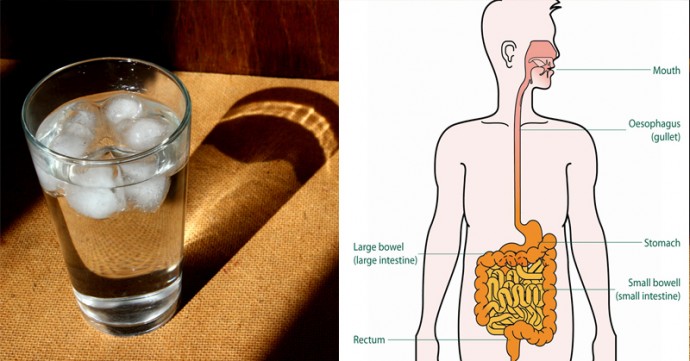
Yep, I’m back to talking about water again. And here you thought all there was to water was drinking it. Nay friend. When it comes to temperature of drinking water at a meal, opt for room temperature instead of cold. Ice-cold water constricts blood vessels, so it hinders the body’s ability to digest food and absorb nutrients.

Ice-cold water will also solidify any fats that are being eaten making them difficult to digest as well. Plus, your body’s energy is going to get diverted from trying to digest food to trying to regulate your body’s temperature. So much unnecessary exhaustion.

Solution:

Think Japanese. Order some hot water (with lemon, optional) or green tea before the start of your meal and slowly sip on it to prime your gut for optimal digestion. Always tell the server “no ice” and “room temperature”.

Keep in mind that these tips are for optimal digestion. If you suffer from weak digestion, these are far more applicable to you than someone who rarely suffers from feeling bloated or sluggish after a meal. These tips are also more crucial when you have a big brunch or celebratory meal coming up  — basically, when you know a food coma is just around the corner.

15 Plants & Herbs That Can Boost Lung Health, Heal Respiratory Infections & Repair Pulmonary Damage


healthy_lungs_herbsWhen it comes to taking herbs for medicinal purposes, it seems the mainstream belief is that they are not as effective and not worth taking. While the effectiveness of herbs has not been studied deeply to determine how well they work across the entire population, the same could be said for most pharmaceutical drugs. Much of the time, pharmaceutical drugs attempt to mimic a compound that occurs in nature (herbs), but often bring the risk of side effects in the process.

Safety is one of the most critical areas of review amongst herbs and drugs. According to stats released by the American Association of Poison Control Centers, no deaths have been reported due to the use and consumption of herbs.[4] However, pharmaceutical drugs and physician prescribed medications kill approximately one million Americans each year. While it is important to note that herbal medicines can be lethal in extreme doses, it appears their safety is much greater than that of pharmaceutical drugs. [2]

Interestingly, pharmaceutical drugs are actually adding to the world-wide issue of declining health due to their side effects and encouragement of viral resistance. Antibiotics in particular are adding to the wave of increased viral strength when it comes to certain infections. [3] Herbs, on the other hand, can be a useful tool in fighting infections that have turned into superbugs due to the overuse of antibiotics.

It is always useful to perform as much research as possible, or as you see fit, when it comes to both pharmaceutical drugs and herbs prior to taking them. Just as we approach the use of herbs with skepticism, so too should we approach the use of any pharmaceutical drugs with the same discerning eye.

Contrary to popular belief, our reluctance to use herbs in Western culture is not a result of their inefficacy. It is because pharmaceutical companies (and those who can benefit from the sale of pharmaceutical drugs) have done a great job of making them seem unsafe and inadequate. Herbs cannot be patented and owned, unlike synthetic drugs, which is why many pharma companies operate the way they do. Seek out the assistance of a naturopathic doctor, traditional Chinese medicine practitioner, ayurveda practioner, or herbologist before you use herbs. Like any medical issue, each illness can have different root causes and it’s always important to understand them before relying on any treatment to solve the entire problem.

Below is a list of herbs that can not only boost lung and respiratory health but can also repair it.
Herb information is courtesy of John Summerly who is a nutritionist, herbologist, and homeopathic practitioner.

1. Licorice Root – Glycyrrhiza Glabra

Licorice is one of the more widely consumed herbs in the world. In Traditional Chinese Medicine it occurs in more formulas than any other single herb because it is thought to harmonize the action of all other herbs. Licorice is very soothing and softens the mucous membranes of the throat and especially the lungs and stomach, and at the same time cleanses any inflamed mucous membrane that needs immune system support . It reduces the irritation in the throat and yet has an expectorant action. It is the saponins (detergent-like action) that loosen the phlegm in the respiratory tract so that the body can expel the mucus. Compounds within this root help relieve bronchial spasms and block the free radical cells that produce the inflammation and tightening of the airways. The compounds also have antibacterial and antiviral effects to them as well, which helps fight off viral and bacterial strains in the body that can cause lung infections. Glycrrhizins and flavonoids can even help prevent lung cancer cells from forming. For people with high blood pressure this should be taken with caution.

2. Coltsfoot – Tussilago Farfara

Coltsfoot has been traditionally used by Native Americans for thousands of years to strengthen the lungs. It clears out excess mucus from the lungs and bronchial tubes. It also soothes the mucus membranes in the lungs and has been shown in research to assist with asthma, coughs, bronchitis, and other lung ailments. Coltsfoot is available in dried form for tea or as an alcohol extract known as a tincture.

3. Cannabis

The toxic breakdown of therapeutic compounds in cannabis from burning the plant are totally avoided with vaporization. Extracting and inhaling cannabinoid essential oils of the unprocessed plant affords significant mitigation of irritation to the oral cavity that comes from smoking. Cannabis is perhaps one of the most effective anti-cancer plants in the world, shown in study after study to stimulate cannabinoid receptor activation in specific genes and mediate the anti-invasive effect of cannabinoids. Vaporizing cannabis allows the active ingredients to stimulate the body’s natural immune response and significantly reduces the ability of infections to spread. Vaporizing cannabis (especially with very high amounts of cannabinoids) opens up airways and sinuses, acting as a bronchodilator. It is even a proven method for treatment and reversal of asthma.

4. Osha Root – Ligusticum porteri

Osha is an herb native to the Rocky Mountain area and has historically been used by the Native Americans for respiratory support. The roots of the plant contain camphor and other compounds which make it one of the best lung-support herbs in America. One of the main benefits of osha root is that it helps increase circulation to the lungs, which makes it easier to take deep breaths. Also, when seasonal sensitivities flare up your sinuses, osha root, which is not an actual antihistamine, produces a similar effect and may help calm respiratory irritation.

5. Thyme – Thymus

Thyme is very powerful in the fight against chest congestion. It produces powerful antiseptic essential oils which are classified as naturally antibiotic and anti-fungal. Thyme is well known to zap acne more so than expensive prescription creams, gels, and lotions. Thyme tea has the power to chase away and eliminate bacteria and viruses, so whether your infection is based on one or the other, it will still work. Thyme has been used as a lung remedy since antiquity and is used extensively today to prevent and treat respiratory tract infections and bacterial infection pneumonia.

6. Oregano

Although oregano contains the vitamins and nutrients required by the immune system, its primary benefits are owed to its carvacrol and rosmarinic acid content. Both compounds are natural decongestants and histamine reducers that have direct, positive benefits on the respiratory tract and nasal passage airflow. Oil of oregano fights off the dangerous bacteria Staphylococcus aureus better than the most common antibiotic treatments. Oregano has so many health benefits that a bottle of organic oregano oil should be in everyone’s medicine cabinet.

7. Lobelia Inflata

Did you know that horses given lobelia are able to breathe more deeply? Its benefits are not limited to equestrians. It has been used as an “asthmador” in Appalachian folk medicine. Lobelia, by some accounts, is thought to be one of the most valuable herbal remedies in existence. Extracts of Lobelia Inflata contain lobeline, which showed positive effects in the treatment of multidrug-resistant tumor cells. Lobelia contains an alkaloid known as lobeline, which thins mucus and breaks up congestion. Additionally, lobelia stimulates the adrenal glands to release epinephrine; in effect, this relaxes the airways and allows for easier breathing. Also, because lobelia helps to relax smooth muscles, it is included in many cough and cold remedies. Lobelia should be part of everyone’s respiratory support protocol!

*Use with caution as too much can cause side effects.

8. Elecampane – Inula Helenium

Elecampane has been used by Native Americans for many years to clear out excess mucus that impairs lung function. It is known as a natural antibacterial agent for the lungs, helping to lessen infection, particularly for people who are prone to lung infections like bronchitis. Herbal practitioners often recommend one teaspoon of the herb per cup of boiling water, drunk three times daily for two to three weeks. Elecampane is also available in tincture format for ease.

9. Eucalyptus – Eucalyptus Globulus

Native to Australia, eucalyptus isn’t just for Koala bears! Aborigines, Germans, and Americans have all used the refreshing aroma of eucalyptus to promote respiratory health and soothe throat irritation. Eucalyptus is a common ingredient in cough lozenges and syrups and its effectiveness is due to a compound called cineole. Cineole has numerous benefits — it’s an expectorant, can ease a cough, fights congestion, and soothes irritated sinus passages. As an added bonus, because eucalyptus contains antioxidants, it supports the immune system during a cold or other illness.

10. Mullein – Verbascum Thapsus

Both the flowers and the leaves of the mullein plant are used to make an herbal extract that helps strengthen the lungs. Mullein is used by herbal practitioners to clear excess mucus from the lungs, cleanse the bronchial tubes, and reduce inflammation that is present in the respiratory tract. A tea can be made from one teaspoon of the dried herb to one cup of boiled water. Alternatively, you can take a tincture form of this herb.

11. Lungwort – Pulmonaria officinalis

As early as the 1600’s, lungwort has been used to promote lung and respiratory health and clear congestion. Pulmonaria selections come in all kinds so seek a herbologist for direction. Lungwort also contains compounds that are powerfully effective against harmful organisms that affect respiratory health.

12. Chaparral

Chaparral, a plant native to the Southwest, has been appreciated by the Native Americans for lung detoxification and respiratory support for many years. Chaparral contains powerful antioxidants that resist irritation, and NDGA, which is known to fight histamine response. NDGA inhibits aerobic and anaerobic glycolysis (the energy-producing ability) of cancer cells. Chaparral is also an herb that fights harmful organisms. The benefits of chaparral are mostly available in a tincture extraction but chaparral tea may support respiratory problems by encouraging an expectorant action to clear airways of mucus. [Source]

13. Sage – Salvia Officinalis

Sage’s textured leaves give off a heady aroma, which arises from sage’s essential oils. These oils are the source of the many benefits of sage tea for lung problems and common respiratory ailments. Sage tea is a traditional treatment for sore throats and coughs. The rich aromatic properties arising from sage’s volatile oils of thujone, camphor, terpene, and salvene can be put to use by inhaling sage tea’s vapors to dispel lung disorders and sinusitis. Alternatively, brew a strong pot of sage tea and place it into a bowl or vaporizer.

14. Peppermint – Mentha × Piperita

Peppermint and peppermint oil contains menthol — a soothing ingredient known to relax the smooth muscles of the respiratory tract and promote free breathing. Dried peppermint typically contains menthol, menthone, menthyl acetate, menthofuran, and cineol. Peppermint oil also contains small amounts of many additional compounds including limonene, pulegone, caryophyllene, and pinene. Paired with the antihistamine effect of peppermint, menthol is a fantastic decongestant. Many people use therapeutic chest balms and other inhalants that contain menthol to help break up congestion. Additionally, peppermint is an antioxidant and fights harmful organisms.

15. Plantain herb – Plantago major and P. lanceolata

Plantain leaf has been used for hundreds of years to ease coughs and soothe irritated mucous membranes. Many of its active constituents show antibacterial and antimicrobial properties, as well as being anti-inflammatory and antitoxic. Clinical trials have found it favorable against cough, cold, and lung irritation. Plantain leaf has an added bonus in that it may help relieve a dry cough by spawning mucus production in the lungs.

Sources:

1. http://www.everygreenherb.com/lungs.html

2. http://www.sciencedaily.com/releases/2010/02/100209183337.htm?utm_source=twitterfeed&utm_medium=twitter

3. https://www.sciencenews.org/article/antibiotics-may-make-fighting-flu-harder

5. http://thegoodnewsnp.com.au/files/45th_Edition_small_file_size._pdf.pdf

10 Ways To Empty Your Lymphatic System From Toxins

lymphatic-system-drainage
Yesterday I wrote an article about the lymphatic system sharing the three most important actions to take on a daily basis to drain your lymph fluids and quite a few people asked how else to drain lymphatic fluids so I decided to create a nice size list to share with you so that you could engage in these practices as often as you’d like to see results faster. The lymphatic system is very important in the human body. The lymphatic system is composed of tissue and fluids and runs mostly throughout your entire body just like your circulation does. One key difference between lymphatic tissue and your circulation is that the lymphatic system does not have a heart (pump) to move it throughout the body. This is why consistent daily exercise and hydration are crucial to keep the lymphatic system and lymph nodes healthy.If your lymphatic system is congested, or lymph nodes are swollen this will result in different aches and pains. Your joints could have pain or feel weak, your immune system is compromised dramatically because your immune system works directly with your lymphatic system. Your liver and kidneys become toxic because they aren’t draining toxins and chemicals from the lymphatic system to excrete them from the body as it should be. This can lead to weight gain, digestive disorders, being sick more often, hormonal imbalances, poor circulation, and much more.

Thankfully there are more than a few ways to stimulate your lymphatic system though and it’s important to stay on top of it each and every single day.

10 Ways To Empty Your Lymphatic System From Toxins:

1. Exercise: Exercise moves the lymphatic system and lymph fluids and circulates them to your liver and kidneys to be filtered and excreted from the body. You should walk briskly or engage in high intensity workouts every single day. Do one or both, but move faster than a slow walk every single day to get the lymphatic system moving.

2. Water: The lymphatic system is rich in water and if you’re dehydrated the entire system will be holding onto water for dear life. You need new water to filter the lymphatic system, and to help excrete and remove chemicals and toxins through your liver and kidneys. A good rule of thumb is to drink 50% of your body weight in ounces of water each day. Example: If you weigh 100 pounds, drink 50 ounces daily.

3. Breath work: Breathing does so much for your body, from calm your heart and nervous system to change brainwaves and even to help the lymphatic system drain and stay healthy. By taking deep breathes in through your nose and out through your mouth you’re giving your body more oxygen to work with. Oxygen and Hydration are two essential parts to keeping the lymphatic system clear of impurities. Exercise also helps you breathe deeply by exerting energy so exercise gives you multiple lymphatic draining benefits.

4. Rebounding: Rebounding is simply jumping on a small trampoline up and down. It doesn’t take much energy but is a slight workout that get’s your heart rate and breath up. It uses the force of gravity to move your lymphatic system and to detoxify cells by going in an up and down motion. This is a great exercise for lymphatic drainage as well as overall health and well-being. You can look for rebounders by clicking here.

5. Massage: Massage works by hands physically moving your lymphatic tissue. Deep tissue massage will work to move the lymphatic tissue to drain it most but any form of massage is beneficial. Massage is a way to squeeze the lymphatic system to remove impurities so that new hydration and nutrients can keep the lymphatic system healthy and able to do it’s job.

6: Laughter: Believe it or not laughter is an effective method for helping the lymphatic system. Laughing causes you to take deeper breaths which is once again beneficial but it also stimulates your lungs, circulation and other organs that create more harmony working with the lymphatic system. You need to make it an effort to laugh at least a few times daily for not only your lymphatic system but your heart, immunity, brain and overall sense of well-being.

7. Skin Brushing: Dry skin brushing is taking a brush and rubbing it around your entire body. It is similar to massage except for it’s not quite as deep into the tissue and it’s a great way to exfoliate dead skin cells. It works best right before a bath or shower so you don’t have a layer of dead skin cells on your skin. You can get a dry skin brush by clicking here.

8. Take A Hot+Cold Shower: I personally love taking a hot+cold shower because it’s so invigorating. What is a hot+cold shower you ask? it’s a shower where you turn the water hot, then cold, then hot, then cold. You continue switching the temperature of the water. It’s extremely invigorating and the change in temperature stimulates your lymphatic system to move as well as circulation by expanding and contracting blood vessels. It’s a great practice that will leave you feeling extremely rejuvenated.

9. Eat Raw Fruits: Fruits are great for stimulating the lymphatic system to drain. The key here is to eat fruits raw (uncooked) and to eat them on an empty stomach so that the acids and enzymes in the fruit have the best lymphatic draining and stimulating effects. Lemon, lime and grapefruit work well. You can also get these in therapeutic grade essential oils to add to your water and drink throughout the day to stimulate lymphatic drainage and overall digestive detoxification.

10. Use Essential Oils Topically: You can apply ginger, peppermint and rosemary essential oils topically on lymph nodes throughout your body to stimulate drainage. Specifically on the back of your neck is a great spot to apply these oils to get into the skin, circulation and lymph nodes and allow them to go to work. I use certified pure therapeutic grade essential oils which can be found here.

There you have it, 10 different ways to stimulate the lymphatic system to drain and detoxify. The more of these you engage in the more you’ll feel the benefits of a healthy lymphatic system. I hope you try these out and keep them as consistent practices.

By   July 7, 2015

The Secret to Lowering Your Blood Pressure in 15 Minutes

bloodpressure

Uncontrolled high blood pressure is a very serious health concern that can lead to heart disease and increased risk for stroke. The good news is, by optimizing your dietary intake, exercising, and effectively managing your stress, the odds of lowering your blood pressure are greatly in your favor.

If you or someone you love is affected by high blood pressure, then please review and share the guidelines given below. A list of supplementary articles is also included, if you desire further information. Hypertension is actually an easily treated condition, but one that can cause serious damage to your health if ignored.

Your Diet Will Raise or Lower Your Blood Pressure

Are you on a high grain, low fat regimen? If so, I have bad news for you, because this nutritional combination is a prescription for hypertension and can absolutely devastate your health.

Groundbreaking research published in 1998 in the journal Diabetes reported that nearly two-thirds of the test subjects who were insulin resistant (IR) also had high blood pressure, and insulin resistance is directly attributable to a high sugar, high grain diet, especially if accompanied by inadequate exercise. So, chances are that if you have hypertension, you also have poorly controlled blood sugar levels, because these two problems often go hand in hand.

As your insulin level elevates, so does your blood pressure.

As explained by Dr. Rosedale, insulin stores magnesium. If your insulin receptors are blunted and your cells grow resistant to insulin, you can’t store magnesium so it passes out of your body through urination. Magnesium stored in your cells relaxes muscles. If your magnesium level is too low, your blood vessels will constrict rather than relax, which will raise your blood pressure and decrease your energy level. Insulin also affects your blood pressure by causing your body to retain sodium. Sodium retention causes fluid retention. Fluid retention in turn causes high blood pressure and can ultimately lead to congestive heart failure. If your hypertension is the direct result of an out-of-control blood sugar level, then normalizing your blood sugar levels will also lower your blood pressure readings into the healthy range.

Fructose Can Cause Your Blood Pressure to Skyrocket

The first thing you need to do is remove all grains and sugars from your diet, particularly fructose, until both your weight and your blood pressure have normalized. Eating sugars and grains — including any type of bread, pasta, corn, potatoes, or rice — will cause your insulin levels and your blood pressure to remain elevated.

A study1 published earlier this year discovered that those who consumed 74 grams or more per day of fructose (the equivalent of about 2.5 sugary drinks) had a 77 percent greater risk of having blood pressure levels of 160/100 mmHg. (For comparison, a normal blood pressure reading is below 120/80 mmHg.) Consuming 74 grams or more of fructose daily also increased the risk of a 135/85 blood pressure reading by 26 percent, and 140/90 by 30 percent.

This is significant because the average American now consumes 70 grams of fructose EVERY day!

Fructose breaks down into a variety of waste products that are bad for your body, one being uric acid. Uric acid drives up your blood pressure by inhibiting the nitric oxide in your blood vessels. Nitric oxide helps your vessels maintain their elasticity, so nitric oxide suppression leads to increases in blood pressure. In fact, 17 out of 17 studies demonstrate that elevated uric acid levels lead to hypertension. For more information on the connection between fructose, uric acid, and hypertension, please see this article that explains it in greater depth.

I’ve also interviewed Dr. Richard Johnson, one of the leading medical researchers in this field, about his research into the health dangers of fructose, specifically how fructose causes health problems such as high blood pressure.

My Recommended Fructose Allowance

As a standard recommendation, I strongly advise keeping your TOTAL fructose consumption below 25 grams per day. Since the average 12-ounce can of soda contains 40 grams of sugar, at least half of which is fructose, this can of soda ALONE would exceed your daily allotment.

In addition, most people would be wise to also limit the amount of fructose you get from fruit to 15 grams or less, because you’re virtually guaranteed to consume “hidden” sources of fructose (typically in the form of high fructose corn syrup) from most beverages and just about any processed food you eat.

Fifteen grams of fructose is not much — it represents two bananas, one-third cup of raisins, or just two Medjool dates. In his book, The Sugar Fix, Dr. Johnson includes detailed tables showing the fructose content in different foods, and I’ve included a sample of these values in the linked article.

Additional Dietary Considerations

  1. Normalize your omega 6:3 ratio — Both omega-3 and omega-6 fats are essential for your health. Most Americans, however, are getting too much omega-6 in their diet and far too little omega-3. Consuming omega-3 fats is one of the best ways to re-sensitize your insulin receptors if you suffer from insulin resistance. Omega-6 fats are found in corn, soy, canola, safflower and sunflower oil. If you’re consuming a lot of these oils, you’ll want to avoid or limit them.Omega-3 fats are typically found in flaxseed oil, walnut oil and fish, with fish being by far the best source. Unfortunately, most fresh fish today contains dangerously high levels of mercury. Your best bet is to find a safe source of fish, or if this proves too difficult, supplement with a high quality krill oil, which has been found to be 48 times more potent than fish oil.
  2. Eliminate caffeine — The connection between caffeine consumption and high blood pressure is not well understood, but there is ample evidence to indicate that if you have hypertension, coffee and other caffeinated drinks and foods can ex­acerbate your condition. Caffeine is a drug, and while it’s entirely legal and widely consumed, it can have a powerful effect on your individual physiology. If you want to eliminate caffeine from your diet, try to do it gradually over a period of days or even weeks in order to avoid withdrawal symptoms like headaches.
  3. Consume Fermented Foods – Differences in gut flora from one person to another appears to have a large effect on whether or not you develop heart disease. If your gut flora is not healthy, your risk is much greater for heart disease, as well as many other chronic health problems. The best way to optimize your gut flora is by including some naturally fermented foods in your diet, such as sauerkraut and other fermented vegetables, yogurt, kefir, and natto. An additional benefit of fermented foods is that some of them are excellent sources of vitamin K2, which is important for preventing arterial plaque buildup and heart disease.

Use Exercise as a Drug

Physical activity is by far one of the most potent “drugs” there is, and its side effects are exactly the kinds you want to experience. Regardless of the primary reason you start an exercise program, your efforts will be rewarded in countless other ways.

A comprehensive exercise regimen, such as my Peak Fitness program, is very important in producing long-term benefits in people with high blood pressure. Nearly every program should incorporate anaerobic sprint or burst-type exercises one to three times a week, as these have been shown to be even more effective than aerobic exercises at reducing your risk of dying from a heart attack.

If you are insulin resistant, you’ll definitely want to include weight training in your exercise program. When you work individual muscle groups, you increase blood flow to those muscles. Good blood flow will increase your insulin sensitivity. Depending on your physical condition when you embark on your exercise program, you may need to consult with a health care professional for help increasing to the intensity required to lower your insulin level. Exercise in combination with the supplement L-arginine has been shown to correct the abnormal functioning of blood vessels seen in people with chronic heart failure. However, I would view this more as a drug approach and not necessarily a supplement you would consider using for optimizing health in general. L-arginine probably works through its interaction with nitric oxide. I would consider it an adjunct, not a replacement, for coenzymeQ10, which is a well-proven therapy for heart failure.

Optimize Your Vitamin D Levels

Believe it or not, the farther you live from the equator, the higher your risk of developing high blood pressure2. And did you know that blood pressure is typically higher in winter months than in summer?

Sunlight actually affects blood pressure in several ways:

  • Sun exposure causes your body to produce vitamin D. Lack of sunlight reduces your vitamin D stores and increases parathyroid hormone production, which increases blood pressure.
  • Vitamin D deficiency has been linked to insulin resistance (IR) and Syndrome X (also known as Metabolic Syndrome), a group of health problems that can include IR, elevated cholesterol and triglyceride levels, obesity, and high blood pressure.
  • Vitamin D is also a negative inhibitor of your body’s renin-angiotensin system (RAS), which regulates blood pressure. If you’re vitamin D deficient, it can cause inappropriate activation of your RAS, which may lead to hypertension.
  • Additionally, exposure to UV rays is thought to cause the release of endorphins, chemicals in your brain that produce feelings of euphoria and pain relief. Endorphins naturally relieve stress, and stress management is an important factor in resolving hypertension.

Exposure to appropriate amounts of sunlight is a basic health requirement that extends far beyond blood pressure normalization. Vitamin D helps systems and organs throughout your body to function properly. Ideally, you’ll want to get your vitamin D through safe exposure to sunshine or a safe tanning bed, but vitamin D3 supplements can also be used. Please do NOT let your doctor give you a “prescription” vitamin D. That is vitamin D2, which is synthetic, and not nearly as beneficial as the real vitamin D, which is D3 (cholecalciferol).

Keep in mind that if you decide to supplement with oral vitamin D3, you must carefully monitor your vitamin D blood levels to avoid overdosing. (This is why it is highly preferable to get your vitamin D through sun exposure, since there is virtually no chance of overdosing.)

To learn much more about vitamin D test values and the best labs to get your tests done, please visit the linked page. I also recommend watching my free one-hour vitamin D lecture for more information about the incredible health benefits of this essential nutrient.

Controlling Your Stress is Crucial


ABC US News | World Newsnbsp;

One in three American adults have high blood pressure (hypertension), and just as many, if not more, battle emotional and mental stress on a day-to-day basis.

Are these two conditions connected?

You bet. As reported by ABC World News on September 16, 20103, one cardiologist believes the connection between stress and hypertension is undeniable, yet still does not receive the emphasis it deserves. In response, Dr. Kennedy developed a stress-relieving technique he calls “The 15 Minute Heart Cure,” a set of breathing and creative visualization techniques that can be done anywhere, anytime. The technique is demonstrated in the ABC World News video above. By teaching your body to slow down and relax when stress hits — essentially short-circuiting your physical stress reaction — you can protect your health.

My preferred method is the Emotional Freedom Technique (EFT), an easy to learn, easy to use technique for releasing negative emotions. EFT combines visualization with calm, relaxed breathing, while employing gentle tapping to “reprogram” deeply seated emotional patterns.

Supplements and Other Alternatives

Although certain supplements may be helpful, it’s important to understand they should never be used as a substitute for basic lifestyle choices that treat the real cause of the problem. Using only supplements without modifying your lifestyle is an allopathic approach not very different from using drugs. In most instances, it is not likely to be effective. Once you have made some beneficial changes to your lifestyle, you can then consider some of the following supplements as a way to further enhance your health:

  • Calcium and magnesium. Daily calcium and magnesium supplementation can be useful in lowering blood pressure, especially if yours is on the high end of high. However, if you avoid sugars and grains and eat for your Nutritional Type™ (see above), it’s unlikely additional calcium or magnesium supplements will be necessary.
  • Vitamins C and E. Studies indicate that these vitamins can be helpful in lowering your blood pressure. Ideally, you’ll want to get the right amount of both these nutrients through diet alone. If you decide you need a supplement, make sure to take a natural (not synthetic) form of vitamin E. You can tell what you’re buying by carefully reading the label. Natural vitamin E is always listed as the “d-” form (d-alpha-tocopherol, d-beta-tocopherol, etc.) Synthetic vitamin E is listed as “dl-” forms.
  • Olive leaf extract. In one 2008 study, supplementing with 1,000 mg of olive leaf extract daily for eight weeks caused a significant dip in both blood pressure and LDL (“bad cholesterol”) in people with borderline hypertension. If you want to incorporate olive leaf extract as a natural adjunct to a nutritionally sound diet, you should look for fresh leaf liquid extracts for maximum synergistic potency. You can also prepare your own olive leaf tea by placing a large teaspoon of dried olive leaves in a tea ball or herb sack. Place it in about two quarts of boiling water and let it steep for three to 10 minutes. The tea should be a medium amber color when done.
  • Electrical acupuncture. Acupuncture combined with electrical stimulation has shown to temporarily lower elevations in blood pressure in animals by as much as 50 percent. It’s currently undergoing testing in humans and could be a promising alternative treatment for controlling blood pressure.
  • Breastfeeding. Studies have shown that babies who are breastfed for more than 12 months have a dramatically lower risk of developing hypertension. Researchers believe long-chain polyunsaturated fatty acids (the same found in fatty fish) in breast milk provide a protective effect for newborns.
  • Quick tricks. Increasing nitric monoxide in your blood can open constricted blood vessels and lower blood pressure. Methods of increasing the compound include taking a warm bath, breathing in and out through one nostril (close off the other nostril and your mouth), and eating bitter melon, rich in amino acids and vitamin C.

Like obesity, high blood pressure is an epidemic. And like obesity, your best treatment is to evaluate your lifestyle and make the necessary adjustments.

A natural approach to preventing disease and healing yourself when illness strikes is always the better choice. In the case of high blood pressure, lifestyle changes — with particular emphasis on normalizing your insulin levels — can put you on the road to a drug-free, all-natural return to optimal health.