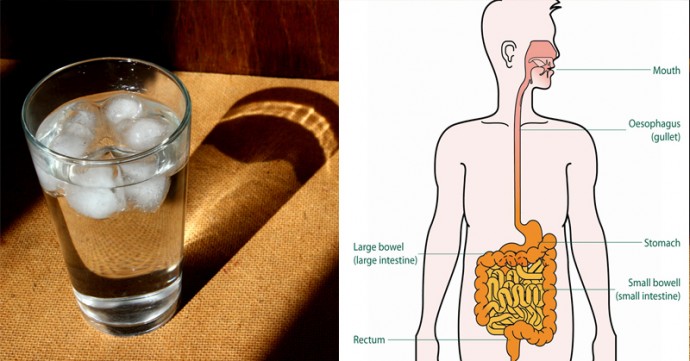
This guest post was written by Alina Islam, a wonderful Certified Nutritional practitioner from Toronto, Canada. She is a writer, speaker and nutritional consultant. You can read more of her work at AlinaIslam.com
We’ve all been there. One hand is clutching your stomach while your other hand is leaning forward and reaching for that last piece of chicken. You know you’re full, but everything is so damn delicious. Anyway, you worked out yesterday so it’s okay. Or was it last week? Doesn’t matter, this chicken is filling that caloric deficit right now, so it’s all even.
The food coma is something we all experience now and again, but if you’re experiencing it every time you go out to a restaurant or every weekend, then something’s got to change. It’s not normal to feel sleepy, sluggish and bloated after every meal. You know this and I know this, 90% of the time the culprit is simply overeating.
But what about when it’s not? What if you’re eating healthy, not overeating and yet you still feel sluggish and bloated afterwards? That’s where digestion comes in. Unfortunately most of us aren’t even aware that the eating habits we’ve developed as a society are causing us to feel this way.
Here are the top 3 unhealthy habits I recommend avoiding at your next meal:
Drinking lots of water with your meal
Feeling confused already? A nutritionist telling you NOT to drink water? Hear me out. Water is wonderful. And it’s great to have with your meal in small sips, for the purpose of helping the food along the digestive tract. But drowning your meals with multiple glasses of water is just going to give you indigestion and make you feel bloated afterwards.When food enters your stomach, a substance called hydrochloric acid (HCL) is secreted from the stomach lining to help begin the process of digestion. HCL is super acidic — after all, it needs to be in order to break big chunks of food into tiny, absorbable nutrients. So if you start chugging back water with your meal, you’re going to dilute the hydrochloric acid and thereby dampen (pun intended) its efforts.
If it helps to paint a picture, imagine a pool of water in your stomach with bits of food floating around, the acid just kind of fizzing out trying to do its job. Feeling gross and bloated already? Good, don’t do it!
Solution:
Drink lots of water either an hour before or after your meals. Only sip on a glass of water throughout your meal.
Eating lots of starch and protein together
Steak and mashed potato. Burger and fries. Eggs Benedict. All the glorious combinations that make us want to pass out on the couch after. Eating large amounts of starch (e.g. bread, pasta, rice, potatoes) and protein (e.g. fish, chicken, beef, eggs) at the same time can cause indigestion and acid reflux.
This is because protein has a much slower rate of digestion, and starches digest much faster into simple sugars. Technically speaking, starches should be saying “hasta la vista” to the stomach pretty quickly and entering the next stage of digestion in the small intestine. But because they’re all mushed up with the protein in the stomach, they have to hang around and wait for hours until the protein finishes digesting too.
And when starches hang around too long, they ferment i.e. release gas which causes us to belch every so eloquently.
Solution:
Eat your starch first, follow it up with protein afterwards. Don’t sweat it if you’re having a small portion of starch alongside your protein, the key is not to overdo the rice and potatoes. P.S. you can eat your veggies with starch and protein, either combo works well!
Having ice-cold water with your meal
Yep, I’m back to talking about water again. And here you thought all there was to water was drinking it. Nay friend. When it comes to temperature of drinking water at a meal, opt for room temperature instead of cold. Ice-cold water constricts blood vessels, so it hinders the body’s ability to digest food and absorb nutrients.
Ice-cold water will also solidify any fats that are being eaten making them difficult to digest as well. Plus, your body’s energy is going to get diverted from trying to digest food to trying to regulate your body’s temperature. So much unnecessary exhaustion.
Solution:
Think Japanese. Order some hot water (with lemon, optional) or green tea before the start of your meal and slowly sip on it to prime your gut for optimal digestion. Always tell the server “no ice” and “room temperature”.
Keep in mind that these tips are for optimal digestion. If you suffer from weak digestion, these are far more applicable to you than someone who rarely suffers from feeling bloated or sluggish after a meal. These tips are also more crucial when you have a big brunch or celebratory meal coming up — basically, when you know a food coma is just around the corner.
Uncontrolled high blood pressure is a very serious health concern that can lead to heart disease and increased risk for stroke. The good news is, by optimizing your dietary intake, exercising, and effectively managing your stress, the odds of lowering your blood pressure are greatly in your favor.
If you or someone you love is affected by high blood pressure, then please review and share the guidelines given below. A list of supplementary articles is also included, if you desire further information. Hypertension is actually an easily treated condition, but one that can cause serious damage to your health if ignored.
Your Diet Will Raise or Lower Your Blood Pressure
Are you on a high grain, low fat regimen? If so, I have bad news for you, because this nutritional combination is a prescription for hypertension and can absolutely devastate your health.
Groundbreaking research published in 1998 in the journal Diabetes reported that nearly two-thirds of the test subjects who were insulin resistant (IR) also had high blood pressure, and insulin resistance is directly attributable to a high sugar, high grain diet, especially if accompanied by inadequate exercise. So, chances are that if you have hypertension, you also have poorly controlled blood sugar levels, because these two problems often go hand in hand.
As your insulin level elevates, so does your blood pressure.
As explained by Dr. Rosedale, insulin stores magnesium. If your insulin receptors are blunted and your cells grow resistant to insulin, you can’t store magnesium so it passes out of your body through urination. Magnesium stored in your cells relaxes muscles. If your magnesium level is too low, your blood vessels will constrict rather than relax, which will raise your blood pressure and decrease your energy level. Insulin also affects your blood pressure by causing your body to retain sodium. Sodium retention causes fluid retention. Fluid retention in turn causes high blood pressure and can ultimately lead to congestive heart failure. If your hypertension is the direct result of an out-of-control blood sugar level, then normalizing your blood sugar levels will also lower your blood pressure readings into the healthy range.
Fructose Can Cause Your Blood Pressure to Skyrocket
The first thing you need to do is remove all grains and sugars from your diet, particularly fructose, until both your weight and your blood pressure have normalized. Eating sugars and grains — including any type of bread, pasta, corn, potatoes, or rice — will cause your insulin levels and your blood pressure to remain elevated.
A study1 published earlier this year discovered that those who consumed 74 grams or more per day of fructose (the equivalent of about 2.5 sugary drinks) had a 77 percent greater risk of having blood pressure levels of 160/100 mmHg. (For comparison, a normal blood pressure reading is below 120/80 mmHg.) Consuming 74 grams or more of fructose daily also increased the risk of a 135/85 blood pressure reading by 26 percent, and 140/90 by 30 percent.
This is significant because the average American now consumes 70 grams of fructose EVERY day!
Fructose breaks down into a variety of waste products that are bad for your body, one being uric acid. Uric acid drives up your blood pressure by inhibiting the nitric oxide in your blood vessels. Nitric oxide helps your vessels maintain their elasticity, so nitric oxide suppression leads to increases in blood pressure. In fact, 17 out of 17 studies demonstrate that elevated uric acid levels lead to hypertension. For more information on the connection between fructose, uric acid, and hypertension, please see this article that explains it in greater depth.
I’ve also interviewed Dr. Richard Johnson, one of the leading medical researchers in this field, about his research into the health dangers of fructose, specifically how fructose causes health problems such as high blood pressure.
My Recommended Fructose Allowance
As a standard recommendation, I strongly advise keeping your TOTAL fructose consumption below 25 grams per day. Since the average 12-ounce can of soda contains 40 grams of sugar, at least half of which is fructose, this can of soda ALONE would exceed your daily allotment.
In addition, most people would be wise to also limit the amount of fructose you get from fruit to 15 grams or less, because you’re virtually guaranteed to consume “hidden” sources of fructose (typically in the form of high fructose corn syrup) from most beverages and just about any processed food you eat.
Fifteen grams of fructose is not much — it represents two bananas, one-third cup of raisins, or just two Medjool dates. In his book, The Sugar Fix, Dr. Johnson includes detailed tables showing the fructose content in different foods, and I’ve included a sample of these values in the linked article.
Additional Dietary Considerations
Normalize your omega 6:3 ratio — Both omega-3 and omega-6 fats are essential for your health. Most Americans, however, are getting too much omega-6 in their diet and far too little omega-3. Consuming omega-3 fats is one of the best ways to re-sensitize your insulin receptors if you suffer from insulin resistance. Omega-6 fats are found in corn, soy, canola, safflower and sunflower oil. If you’re consuming a lot of these oils, you’ll want to avoid or limit them.Omega-3 fats are typically found in flaxseed oil, walnut oil and fish, with fish being by far the best source. Unfortunately, most fresh fish today contains dangerously high levels of mercury. Your best bet is to find a safe source of fish, or if this proves too difficult, supplement with a high quality krill oil, which has been found to be 48 times more potent than fish oil.
Eliminate caffeine — The connection between caffeine consumption and high blood pressure is not well understood, but there is ample evidence to indicate that if you have hypertension, coffee and other caffeinated drinks and foods can exacerbate your condition. Caffeine is a drug, and while it’s entirely legal and widely consumed, it can have a powerful effect on your individual physiology. If you want to eliminate caffeine from your diet, try to do it gradually over a period of days or even weeks in order to avoid withdrawal symptoms like headaches.
Consume Fermented Foods – Differences in gut flora from one person to another appears to have a large effect on whether or not you develop heart disease. If your gut flora is not healthy, your risk is much greater for heart disease, as well as many other chronic health problems. The best way to optimize your gut flora is by including some naturally fermented foods in your diet, such as sauerkraut and other fermented vegetables, yogurt, kefir, and natto. An additional benefit of fermented foods is that some of them are excellent sources of vitamin K2, which is important for preventing arterial plaque buildup and heart disease.
Use Exercise as a Drug
Physical activity is by far one of the most potent “drugs” there is, and its side effects are exactly the kinds you want to experience. Regardless of the primary reason you start an exercise program, your efforts will be rewarded in countless other ways.
A comprehensive exercise regimen, such as my Peak Fitness program, is very important in producing long-term benefits in people with high blood pressure. Nearly every program should incorporate anaerobic sprint or burst-type exercises one to three times a week, as these have been shown to be even more effective than aerobic exercises at reducing your risk of dying from a heart attack.
If you are insulin resistant, you’ll definitely want to include weight training in your exercise program. When you work individual muscle groups, you increase blood flow to those muscles. Good blood flow will increase your insulin sensitivity. Depending on your physical condition when you embark on your exercise program, you may need to consult with a health care professional for help increasing to the intensity required to lower your insulin level. Exercise in combination with the supplement L-arginine has been shown to correct the abnormal functioning of blood vessels seen in people with chronic heart failure. However, I would view this more as a drug approach and not necessarily a supplement you would consider using for optimizing health in general. L-arginine probably works through its interaction with nitric oxide. I would consider it an adjunct, not a replacement, for coenzymeQ10, which is a well-proven therapy for heart failure.
Optimize Your Vitamin D Levels
Believe it or not, the farther you live from the equator, the higher your risk of developing high blood pressure2. And did you know that blood pressure is typically higher in winter months than in summer?
Sunlight actually affects blood pressure in several ways:
Sun exposure causes your body to produce vitamin D. Lack of sunlight reduces your vitamin D stores and increases parathyroid hormone production, which increases blood pressure.
Vitamin D deficiency has been linked to insulin resistance (IR) and Syndrome X (also known as Metabolic Syndrome), a group of health problems that can include IR, elevated cholesterol and triglyceride levels, obesity, and high blood pressure.
Vitamin D is also a negative inhibitor of your body’s renin-angiotensin system (RAS), which regulates blood pressure. If you’re vitamin D deficient, it can cause inappropriate activation of your RAS, which may lead to hypertension.
Additionally, exposure to UV rays is thought to cause the release of endorphins, chemicals in your brain that produce feelings of euphoria and pain relief. Endorphins naturally relieve stress, and stress management is an important factor in resolving hypertension.
Exposure to appropriate amounts of sunlight is a basic health requirement that extends far beyond blood pressure normalization. Vitamin D helps systems and organs throughout your body to function properly. Ideally, you’ll want to get your vitamin D through safe exposure to sunshine or a safe tanning bed, but vitamin D3 supplements can also be used. Please do NOT let your doctor give you a “prescription” vitamin D. That is vitamin D2, which is synthetic, and not nearly as beneficial as the real vitamin D, which is D3 (cholecalciferol).
Keep in mind that if you decide to supplement with oral vitamin D3, you must carefully monitor your vitamin D blood levels to avoid overdosing. (This is why it is highly preferable to get your vitamin D through sun exposure, since there is virtually no chance of overdosing.)
To learn much more about vitamin D test values and the best labs to get your tests done, please visit the linked page. I also recommend watching my free one-hour vitamin D lecture for more information about the incredible health benefits of this essential nutrient.
One in three American adults have high blood pressure (hypertension), and just as many, if not more, battle emotional and mental stress on a day-to-day basis.
Are these two conditions connected?
You bet. As reported by ABC World News on September 16, 20103, one cardiologist believes the connection between stress and hypertension is undeniable, yet still does not receive the emphasis it deserves. In response, Dr. Kennedy developed a stress-relieving technique he calls “The 15 Minute Heart Cure,” a set of breathing and creative visualization techniques that can be done anywhere, anytime. The technique is demonstrated in the ABC World News video above. By teaching your body to slow down and relax when stress hits — essentially short-circuiting your physical stress reaction — you can protect your health.
My preferred method is the Emotional Freedom Technique (EFT), an easy to learn, easy to use technique for releasing negative emotions. EFT combines visualization with calm, relaxed breathing, while employing gentle tapping to “reprogram” deeply seated emotional patterns.
Supplements and Other Alternatives
Although certain supplements may be helpful, it’s important to understand they should never be used as a substitute for basic lifestyle choices that treat the real cause of the problem. Using only supplements without modifying your lifestyle is an allopathic approach not very different from using drugs. In most instances, it is not likely to be effective. Once you have made some beneficial changes to your lifestyle, you can then consider some of the following supplements as a way to further enhance your health:
Calcium and magnesium. Daily calcium and magnesium supplementation can be useful in lowering blood pressure, especially if yours is on the high end of high. However, if you avoid sugars and grains and eat for your Nutritional Type™ (see above), it’s unlikely additional calcium or magnesium supplements will be necessary.
Vitamins C and E. Studies indicate that these vitamins can be helpful in lowering your blood pressure. Ideally, you’ll want to get the right amount of both these nutrients through diet alone. If you decide you need a supplement, make sure to take a natural (not synthetic) form of vitamin E. You can tell what you’re buying by carefully reading the label. Natural vitamin E is always listed as the “d-” form (d-alpha-tocopherol, d-beta-tocopherol, etc.) Synthetic vitamin E is listed as “dl-” forms.
Olive leaf extract. In one 2008 study, supplementing with 1,000 mg of olive leaf extract daily for eight weeks caused a significant dip in both blood pressure and LDL (“bad cholesterol”) in people with borderline hypertension. If you want to incorporate olive leaf extract as a natural adjunct to a nutritionally sound diet, you should look for fresh leaf liquid extracts for maximum synergistic potency. You can also prepare your own olive leaf tea by placing a large teaspoon of dried olive leaves in a tea ball or herb sack. Place it in about two quarts of boiling water and let it steep for three to 10 minutes. The tea should be a medium amber color when done.
Electrical acupuncture. Acupuncture combined with electrical stimulation has shown to temporarily lower elevations in blood pressure in animals by as much as 50 percent. It’s currently undergoing testing in humans and could be a promising alternative treatment for controlling blood pressure.
Breastfeeding. Studies have shown that babies who are breastfed for more than 12 months have a dramatically lower risk of developing hypertension. Researchers believe long-chain polyunsaturated fatty acids (the same found in fatty fish) in breast milk provide a protective effect for newborns.
Quick tricks. Increasing nitric monoxide in your blood can open constricted blood vessels and lower blood pressure. Methods of increasing the compound include taking a warm bath, breathing in and out through one nostril (close off the other nostril and your mouth), and eating bitter melon, rich in amino acids and vitamin C.
Like obesity, high blood pressure is an epidemic. And like obesity, your best treatment is to evaluate your lifestyle and make the necessary adjustments.
A natural approach to preventing disease and healing yourself when illness strikes is always the better choice. In the case of high blood pressure, lifestyle changes — with particular emphasis on normalizing your insulin levels — can put you on the road to a drug-free, all-natural return to optimal health.
Not all sugars are created equal, and they’re hidden in most of today’s processed foods. Nutritionist, fitness trainer, and author JJ Virgin has written a new book that helps open your eyes to the way sugars are hidden.
The book also provides practical tips on how to wean yourself from this pernicious ingredient that will decimate your health.
In The Sugar Impact Diet: Drop 7 Sugars to Lose Up to 10 Pounds in Just 2 Weeks, she tackles the confusion surrounding sugar. Many health-conscious people are still under the mistaken belief that as long as the sugar is all-natural, it’s fine to eat.
Not so. Agave, natural fruit juice, raw cane sugar, and any number of other natural sugars will still wreak havoc on your health.
“[S]ugar is really public enemy number one,” she says. “That’s why I chose to focus on it. I don’t think added sugar is really the problem; I think it’s what’s in a lot of our food that we don’t recognize [as sugar].
Whether it’s having apple juice (which is worse for you than a soda), or having a yogurt sweetened with fruit juice concentrate, or whether you’re just thinking that fruits are free for all, these are all creating problems.
I wanted to create a structured program that could help someone break free of those sugar cravings, drop the weight forever, and then let them go back and [do a food] challenge… in order to connect the dots between what happens when they drink one of those big fruit smoothies that are supposed to be so healthy.”
To End Sugar Cravings, Your Body Needs to Burn Fat as Its Primary Fuel
As JJ notes, whether the sugar comes in the form of a muffin, a fruit juice-sweetened yogurt, or a smoothie, it’s all the same thing to your body. “Food is information,” she says. And she’s right.
Once you break free from your body’s constant need for yet another sugar fix (remember, sugar is more addictive than cocaine!), you’ll experience great levels of newfound energy and clarity of mind. But in order to get there, you need to retrain your body to burn fat as its primary form of fuel instead of sugar.
This can be a real challenge for many. JJ’s book specifically addresses the gradual process of getting from burning sugar to burning fat as your body’s primary fuel, in order to maximize your chances for success.
“There’s got to be a transition period, where you go from sugar burner to getting your body to be able to start to burn fat again,” she explains.
“You have to taper down from where your starting point is, which is what I call a Sneaky Sugar Inventory, of things you would never think about (like sundried tomatoes and marinara sauce) that we’re just using like crazy not realizing how much sugar this is actually adding into our food.”
The Sugar Impact Scales: A New Way of Looking at Sugar
As an initial step, you’ll want to weigh yourself and measure your waist-to-hip ratio, to determine your starting point. Next, you do an initial inventory of all the hidden sugars in your diet.
This means reading the labels on all the foods you eat, including items you might never expect to contain sugar, such as that jar of pickles, condiments, sauces, and marinades, and so on. JJ lists all the sneaky places sugars hide in your diet in her book, and by creating what she calls Sugar Impact Scales, she’s created a new way of looking at sugar.
“It looks at fructose grams, glycemic load, nutrient density, and fiber. Bad are fructose and glycemic load; good are nutrient density and fiber,” she explains.
“Depending on where the food falls, it can either be low, medium, or high-sugar impact. The reason this was so important to me is I keep looking at programs out there, and they either focus on fructose… glycemic index, or glycemic load.
That can be very confusing because it makes things like agave sweetener look great. It makes milk look great… People go, ‘We should have fructose because fructose is low on the glycemic index.’
The difference between fructose and glucose is fructose doesn’t trigger the whole insulin response. Because of that, it doesn’t trigger insulin, leptin, or ghrelin, so it doesn’t tell your body you ate anything. Instead, it just goes to the liver. If there’s no room for it to become glycogen… it starts becoming fat.
You look at that and you go, ‘Okay, food is information. What does fructose say?’ It says, ‘Hey, make fat but don’t tell us we ate. Stay hungry.’ What a nightmare!”
So what are the basic symptoms of having high-sugar impact? Gas and bloating are common, as sugar feeds yeast, fungi, and detrimental bacteria in your gut. Other symptoms include joint pain, headaches, fatigue, inability to lose weight or weight loss resistance, and sugar cravings.
By grading yourself on those and other symptoms, while tracking your waist, hip, and weight, you’ll get a clearer picture of how sugar impacts your body, and your progress in terms of retraining your body to burn fat instead of sugar as its primary fuel.
The Three Cycles of the Sugar Impact Diet
The first cycle is a one to two-week long taper cycle, in which you switch from high sugar impact foods to medium sugar impact foods. As an example, if you typically eat regular pasta, you’d switch over to quinoa pasta.
She also recommends scheduling your meals to where you’re not eating every two hours; rather you stretch the time between meals to prevent insulin spikes. This is one form of intermittent fasting. At the end of this taper-down period of one or two weeks, you retest yourself on the sugar impact quiz, to see how you’ve done.
If all is going as planned, you should notice a reduction in your symptoms. At that point, you move on to cycle two, in which you’re really resetting your taste buds and reclaiming your sugar sensitivity, meaning your ability to taste how sweet a food really is.
“What I’m doing is I’m getting rid of all of the fructose. We’re getting down to five grams or less [per day], just as low as possible because you don’t want your body to be good at processing fructose. One thing we know is that the more fructose you eat, the better you get at handling fructose, which means the faster it goes to your liver, the faster you start making fat, and the more fat you make.
If someone’s used to eating fruit, they eat more fruit, they eat more fruit, and they can handle it. If you never eat any fruit, and you ate a bunch of fruit, you’d be bloated, you’d be gassy, and it’d be horrible. I take fruit out altogether except for things like lemons, limes, avocado, tomato, and olives. And we go down to all low-sugar impact foods. But you’re still eating great stuff. You’re eating wild salmon, grass-fed beef, kale, avocado, nuts and seeds, a little quinoa, legumes, and lentils.”
Most people can make the shift from burning sugar to burning fat as primary fuel in this second cycle of the program in a couple of weeks, although it may take longer if you’re seriously insulin/leptin resistant. “The reason it can happen so fast is number one, you’ve got to do that initial one-week [taper] period,” she explains. “Whenever you look at a program, you want to jump right into the most intense part, but you can’t because you’ll fail.”
In the third cycle of the program, you start to challenge yourself by reintroducing some of the medium or even high sugar impact foods. Most people will now find that they’re overwhelmed by the sweetness, or they’ll feel bloated or downright ill by the high-sugar food. As a result, the psychological grip of sweet foods lessen, as you simply do not want to go back to feeling horrible once you’re feeling really great. Interestingly, sour taste, such as that from cultured vegetables, helps to reduce sweet cravings, too.
This is a doubly-beneficial thing, as fermented vegetables also promote gut health. “It’s a sweet tooth strategy,” JJ says. “One of the things that I do in these books is I try to keep it simple and give people simple strategies. But I’m always thinking, “How am I healing their gut with this? How am I improving their gut flora? How are we reducing inflammation?”
Healthy Snack Alternatives
Nuts, which are one of my favorite snack foods, are also great for satisfying the occasional hunger pang. Typically, when I’m at home, I only have one meal a day, a very large salad. But I will snack on nuts, specifically macadamia nuts and occasionally pecans, because of two criteria:
1. They’re very high in fat – the good fat, oleic acid, which is similar to olive oil, and
2. They’re low in protein, so you won’t run the risk of eating a whole day’s worth of protein in a few handfuls of nuts (which could be the case if you eat a lot of almonds)
That said, as JJ warns, be aware of your food triggers, and if you cannot keep a jar of nuts in your house without polishing off the whole thing in one sitting, you just turned a good thing into something bad. While nuts do contain healthy fats, they also tend to be high in calories, so moderation is in order.
“If you know something’s your trigger, don’t bring it into the house. It doesn’t matter if it’s healthy or unhealthy. But I think if you put them into little serving baggies, that’s a perfect way to go with it. I also like that because most people aren’t home all day long, so I say, ‘Put one in your car. Put it in your purse. Put it in your office so that you have them scattered around if you ever get in trouble.’
Another healthy snack that is much harder to overdo is dehydrated kale chips. I’m in the process of planting six dozen kale plants on my property to create a surplus for this very reason. That way I can have kale chips year-round. Roasted Brussels sprouts are another alternative that you can’t really “overdose” on.
Last But Not Least—The Maintenance Phase
It’s quite rare to find someone who’s not burning sugar as their primary fuel these days. To check yourself, simply observe how frequently you feel hungry. If you’re hungry every two hours or so, you’re burning sugar. You’re craving food because sugar is fast burning, and your hunger is an indication that your body wants to be refueled. Once you’re burning fat as your primary fuel, you can easily go five to six hours or longer without feeling hungry, as fat is a far slower-burning fuel. Sugar cravings are also virtually eliminated once you’re burning fat rather than sugar.
Most everyone watching this would benefit from applying a program such as the one JJ has put together. The question is, once you’ve successfully made the switch, how long do you have to continue eating this way? What does maintenance look like?
“The maintenance phase is different from the weight loss phase,” JJ explains. “It’s like dating and marriage. Totally different beasts, right? During the maintenance phase—for weight loss—it’s about setting new goals and doing different fitness activities. The biggest thing that I want someone to do is to connect the dots between what they’re eating and how they feel. It’s to lose that sweet tooth that they had and reclaim their sugar sensitivity so they really say, ‘Oh, wow, that’s how sweet a blueberry really is.’
[In the maintenance phase] you’ve got to mix up your exercise; you’ve got to mix up your food… [F]ood is information. You want your food to tell your body to burn fat not sugar, keep steady energy, great focus, and reduce inflammation. It’s the same with exercise. Exercise can be therapeutic or destructive. I do no endurance training at all. I do not believe in endurance training. I did so much endurance training [when I was younger, yet] I was always slightly overweight. I was never lean.”
JJ recommends high intensity interval-type exercises over endurance training, and for good reason. Endurance training is actually among the least effective forms of exercise when it comes to weight loss, and research has shown that the benefits of high intensity exercise are not necessarily related to calories burned. Rather, it creates beneficial metabolic changes that promote health and muscle growth while boosting fat burning.
These metabolic changes, which include boosting human growth hormone (HGH), do not occur when you’re doing endurance training such as long-distance running.
She’s also a big proponent of exercising in a fasted state, as this actually helps repair, restore, and rejuvenate your muscle tissues. A conflicting approach calls for loading up on carbs and protein before and after exercise, to boost performance and muscle building. So which one should you follow? It may be worth taking JJ’s advice, and experiment to determine what works best for you, depending on your fitness and weight loss goals:
“I kind of play with both of them. Because if you eat a little bit before you work out, you can generally work out harder. If you’re doing resistance training, a lot of times you’re better off having a little bit [of food] before. If you’re doing burst training, ideally here’s what you would do: on burst-training days, do it first thing in the morning. It doesn’t take long anyway. It’s 15 minutes at the most. Ideally, do that a couple of mornings a week, two or three mornings a week. You do your resistance training two times a week, have a little bit of food before; have something really good afterwards, and you’re set.”
More Information
If you’ve tried cutting calories while still eating foods like gluten, pasteurized dairy, and processed fructose, yet failed to lose weight, the problem lies not in insufficient calorie restriction. Rather, you were still eating the wrong foods, albeit in smaller amounts. Once you start viewing food as information, you can begin to appreciate how certain foods, fructose in particular, instructs your body to store fat and not let any of it go…
What you eat makes all the difference, and when it comes to successfully losing weight, a major key is switching your body from burning sugar to burning fat as its primary fuel. In order to do this, you need to cut down on the fructose-laden foods that tell your body to:
-Store the sugar as fat
-Eat more (as fructose doesn’t trigger insulin, leptin, or ghrelin to the same degree as glucose, which means it doesn’t tell your body you just consumed a whole bunch of calories)
Your productivity is directly impacted by what you eat. If you want both your mind and body to perform at optimal levels then you need to practice good nutrition.
It sounds great, but what does “good nutrition” mean?
With so much conflicting diet and health information online, it can leave you with more questions than answers most of the time.
What is a good mid-day snack to maintain high energy levels? Not candy bars and Red Bull — unless you want to trigger a blood sugar spike followed by a crash.
What we eat as well as when we eat it contributes to high productivity, and that’s why EBOC teamed up with HubSpot to create the infographic below, highlighting the food types that will help you maintain high energy levels and productivity throughout your day.
Use this as a guide to help you make better food choices, and don’t forget that every person will have different dietary needs — so consult your doctor or healthcare professional.
The health effects of coffee are quite controversial. Depending on who you ask, it is either a super healthy beverage or incredibly harmful. But despite what you may have heard, there are actually plenty of good things to be said about coffee. For example, it is high in antioxidants and linked to a reduced risk of many diseases. However, it also contains caffeine, a stimulant that can cause problems in some people and disrupt sleep. This article takes a detailed look at coffee and its health effects, examining both the pros and cons.
Coffee Contains Some Essential Nutrients and is Extremely High in Antioxidants
Coffee is more than just dark brown water… many of the nutrients in the coffee beans do make it into the drink.
A typical 8oz (240 ml) cup of coffee contains (1):
•Vitamin B2 (Riboflavin): 11% of the RDA.
•Vitamin B5 (Pantothenic Acid): 6% of the RDA.
•Vitamin B1 (Thiamin): 2% of the RDA.
•Vitamin B3 (Niacin): 2% of the RDA.
•Folate: 1% of the RDA.
•Manganese: 3% of the RDA.
•Potassium: 3% of the RDA.
•Magnesium: 2% of the RDA.
•Phosphorus: 1% of the RDA.
This may not seem like a lot, but try multiplying with 3, 4, or however many cups you drink per day. It can add up to a significant portion of your daily nutrient intake.
But where coffee really shines is in its high content of antioxidants.
The average person who eats a typical Western diet actually gets more antioxidants from coffee than fruits and vegetables… combined (2, 3).
Bottom Line: Coffee contains a small amount of some vitamins and minerals, which add up if you drink many cups per day. It is also high in antioxidants.
Coffee Contains Caffeine, A Stimulant That Can Enhance Brain Function and Boost Metabolism
Caffeine is the most commonly consumed psychoactive substance in the world (4).
Soft drinks, tea and chocolate all contain caffeine, but coffee is the biggest source.
The caffeine content of a single cup can range from 30-300 mg, but the average cup is somewhere around 90-100 mg.
Caffeine is a known stimulant. In the brain, it blocks the function of an inhibitory neurotransmitter (brain hormone) called Adenosine.
By blocking adenosine, caffeine actually increases activity in the brain and the release of other neurotransmitters like norepinephrine and dopamine. This reduces tiredness and makes us feel more alert (5, 6).
There are numerous studies showing that caffeine can lead to a short-term boost in brain function… including improved mood, reaction time, vigilance and general cognitive function (7, 8).
Caffeine can also boost metabolism (calories burned) by 3-11% and even increase exercise performance by 11-12%, on average (9, 10, 11, 12).
However… some of these effects are likely to be short-term. If you drink coffee every day, then you will build a tolerance to it and the effects will be less powerful (13).
There are also some downsides to caffeine, which I’ll get to in a bit.
Bottom Line: The main active compound in coffee is the stimulant caffeine. It can cause a short-term boost in energy levels, brain function, metabolic rate and exercise performance.
Coffee May Help Protect Your Brain in Old Age, Leading to Reduced Risk of Alzheimer’s and Parkinson’s
Alzheimer’s disease is the most common neurodegenerative disease and a leading cause of dementia.
Studies have shown that coffee drinkers have up to a 65% lower risk of developing Alzheimer’s disease (14, 15, 16).
Parkinson’s is the second most common neurodegenerative disease and caused by the death of dopamine-generating neurons in the brain.
Coffee drinkers have a 32-60% lower risk of Parkinson’s disease. The more coffee people drink, the lower the risk (17, 18, 19, 20).
Bottom Line: Several studies show that coffee drinkers have a much lower risk of dementia, Alzheimer’s disease and Parkinson’s disease in old age.
Coffee Drinkers Have a Much Lower Risk of Type 2 Diabetes
Type 2 diabetes is characterized by elevated blood sugars due to resistance to the effects of insulin.
This is a very common disease… it has increased 10-fold in a few decades and now afflicts over 300 million people.
Interestingly, coffee drinkers appear to have a significantly reduced risk of developing this disease, some studies showing that coffee drinkers are up to 23-67% less likely to become diabetic (21, 22, 23, 24).
In one large review study that looked at 18 studies with 457,922 individuals, each daily cup of coffee was linked to a 7% reduced risk of type 2 diabetes (25).
Bottom Line: Numerous studies have shown that coffee drinkers have a significantly lower risk of developing type 2 diabetes.
Coffee Drinkers Have a Lower Risk of Liver Diseases
The liver is an incredibly important organ that has hundreds of different functions in the body.
It is very sensitive to modern insults like excess alcohol and fructose intake.
The end stage of liver damage is called Cirrhosis, and involves most of the liver being replaced with scar tissue.
Coffee drinkers have up to an 84% lower risk of developing cirrhosis, with the strongest effect for those who drink 4 or more cups per day (26, 27, 28).
Liver cancer is also common… it is the second leading cause of cancer death worldwide. Coffee drinkers have up to a 40% lower risk of liver cancer (29, 30).
Bottom Line: Coffee drinkers have a significantly lower risk of cirrhosis and liver cancer. The more coffee they drink, the lower the risk.
People Who Drink Coffee Are at a Much Lower Risk of Depression and Suicide
Depression is an incredibly common problem.
It is the world’s most common mental disorder and leads to a significantly reduced quality of life.
In one Harvard study from 2011, people who drank the most coffee had a 20% lower risk of becoming depressed (31).
In one review of 3 studies, people who drank 4 or more cups of coffee per day were 53% less likely to commit suicide (32).
Bottom Line: Studies have shown that people who drink coffee have a lower risk of becoming depressed and are significantly less likely to commit suicide.
Some Studies Show That Coffee Drinkers Live Longer
Given that coffee drinkers have a lower risk of many common, deadly diseases (and suicide), it makes sense that coffee could help you live longer.
There is actually some good evidence to support this.
A study published in the New England Journal of Medicine in 2012 looked at the habits of 402,260 individuals between 50 and 71 years of age (33).
In this study, people who drank coffee had a much lower risk of dying over the 12-13 year study period:
The sweet spot seems to be at 4-5 cups per day, with men having a 12% reduced risk and women a 16% reduced risk.
Bottom Line: Some studies have shown that coffee drinkers live longer, which makes perfect sense given that they have a lower risk of many diseases. The strongest effect is seen for 4-5 cups per day.
Caffeine Can Cause Anxiety and Disrupt Sleep
It wouldn’t be right to only talk about the good stuff without mentioning the bad.
The truth is… there are some important negative aspects to coffee as well (although this depends on the individual).
Consuming too much caffeine can lead to jitteriness, anxiety, heart palpitations and may even exacerbate panic attacks (34).
If you are sensitive to caffeine and tend to become overstimulated, then perhaps you shouldn’t be drinking coffee.
Another unwanted side effect is that it can disrupt sleep (35). If coffee reduces the quality of your sleep, then try avoiding coffee late in the day, such as after 2pm.
Caffeine can also have some diuretic and blood pressure raising effects, but this usually goes away with regular use. However, an increase in blood pressure of 1-2 mm/Hg may persist (36, 37, 38).
Bottom Line: Caffeine can have various negative effects, such as causing anxiety and disrupting sleep, but this depends greatly on the individual.
Caffeine is Addictive and Missing a Few Cups Can Lead to Withdrawal
One issue with caffeine, is that it can lead to addiction in many people.
When people consume caffeine regularly, they become tolerant to it. It either stops working as it used to, or a larger dose is needed to get the same effects (39).
When people abstain from caffeine, they get withdrawal symptoms like headache, tiredness, brain fog and irritability. This can last for a few days (40, 41).
Tolerance and withdrawal are the hallmarks of physical addiction.
A lot of people (understandably) don’t like the idea of being literally dependant on a chemical substance in order to function properly.
Bottom Line: Caffeine is an addictive substance. It can lead to tolerance and well documented withdrawal symptoms like headache, tiredness and irritability.
The Difference Between Regular and Decaf
Some people opt for decaffeinated coffee instead of regular.
Each time this is done, some percentage of the caffeine dissolves in the solvent and this process is repeated until most of the caffeine has been removed.
However, it’s important to keep in mind that even decaffeinated coffee does contain some caffeine, just much less than regular coffee.
Unfortunately, not all of the health benefits of regular coffee apply to decaffeinated coffee. For example, some studies show no reduction in the risk of type 2 diabetes, Parkinson’s or liver diseases for people who drink decaffeinated coffee.
Bottom Line: Decaffeinated coffee is made by extracting caffeine from the coffee beans using solvents. Decaf does not have all of the same health benefits as regular coffee.
Things to Keep in Mind in Order to Maximize The Health Benefits
There are some things you can do in order to maximize the beneficial health effects you get from coffee.
The most important is to NOT add anything unhealthy to it. This includes sugar and any sort of artificial, chemical-laden creamer.
Another important thing is to brew coffee with a paper filter. Unfiltered coffee (such as Turkish or French press) contains cafestol, a substance that can increase cholesterol levels (42, 43).
Also keep in mind that some of the coffee drinks at places like Starbucks can contain hundreds of calories and a whole bunch of sugar. These drinks are NOT healthy.
Bottom Line: It is important not to put sugar or a chemical-laden creamer in your coffee. Brewing with a paper filter can get rid of a cholesterol-raising compound called Cafestol.
Should You be Drinking Coffee?
There are some people who would definitely want to avoid or severely limit coffee consumption, especially pregnant women.
People with anxiety issues, high blood pressure or insomnia might also want to try limiting coffee for a while to see if it helps.
There is also some evidence that people who metabolize caffeine slowly have an increased risk of heart attacks from drinking coffee (44).
All that being said… it does seem clear that for the average person, coffee can have important beneficial effects on health.
If you don’t already drink coffee, then I don’t think these benefits are a compelling reason to start doing it. There are downsides as well.
But if you already drink coffee and you enjoy it, then the benefits appear to far outweigh the negatives.
I personally drink coffee, every day… about 4-5 cups (sometimes more). My health has never been better.
Take Home Message
It’s important to keep in mind that many of the studies in the article are observational studies, which can not prove that coffee caused the beneficial effects.
But given that the effects are strong and consistent among studies, it is a fairly strong indicator that coffee does in fact play a role.
Despite having been demonized in the past, the evidence points to coffee being very healthy… at least for the majority of people.
If anything, coffee belongs in the same category as healthy beverages like green tea.
Ever get off of work or just have a day where you have been very busy? Chances are you’re going to have some pain in your back, hip or knees, here are some ways to help!
Your feet are a big contributor to your different body parts. Every day you get up and walk, or stand. Standing or walking can lead to other body parts aching like your knee, back and neck. In fact, 19% of the U.S. population has an average of 1.4-foot problems each year. The pains though could be the type of floor you are walking on, the shoes on your feet or foot problems. Thankfully there are ways to exercise your feet and help the pains in your body
Here are the 4 exercises that will help you feel better!
1. Toe Press– As you know, it is very important to warm up before any exercise. So it only makes sense to warm up your feet before exercising. Toe presses are a great way to warm up, and they are so simple. Here is what you do: Stand tall and bend slightly in the knees. Next grip the floor with your toes and hold for 3 seconds. Release and perform a set of 10, 3 times a day.
2. Ankle Circles– If your ankles are tight you may be experiencing back, hip and knee pain. It can also cause the rest of the body to result in muscle and joint pain. To do the ankle circles, put your back to the floor and extend one leg over your head. Rotate the extended leg’s ankle clockwise for 10 counts. Then switch legs, perform 10 sets of ankle circles.
3. Toe Walking– This next exercise should be done twice a day for the best results. Toe walking strengthens the muscles in your toes as well as ligaments and muscles. To do this exercise all you have to do is stand on your tiptoes and walk forward for 20 seconds. Always rest 15-20 seconds in between each walk.
4. Toe Pencil Pickups– For this last exercise you pick up a pencil with your toes. Sounds simple, right? Well, it is simple! Stand in front of the pencil you are picking up. Use your toes to grab the pencil and lift it off of the ground. Hold for 10 seconds and then drop it, repeat 5 times for each foot.
The exercises should only take 15 minutes or less. They also should make you feel better afterwards! For best results perform these exercises every 2-3 days!
Every day we’re fed new and often conflicting information on our health and diets; what’s good for you, what’s bad, what to eat in moderation and what to avoid completely. As a result of poor education coupled with laziness, obesity rates are rising like never before. Obesity has doubled since 1980, and in 2014, more than 1.9 billion adults, 18 years and older, were overweight. Of these over 600 million were obese.
So are we totally to blame for our ever expanding waist lines? Or are we being subjected to a barrage of misinformation and misdirection in the form of health advice and advertising?
Those of us that try to eat balanced diets and watch their weight are likely to be limiting or removing sugar from their diets completely, switching to “healthier” options like cane sugar, artificial sweeteners and “sugar-free” options which are better for us. Right?
Wrong
Take a look at Business Insiders post debunking common sugar myths.
Turmeric may be the most effective nutritional supplement in existence.
Many high quality studies show that it has major benefits for your body and brain.
Here are the top 10 evidence-based health benefits of turmeric.
1. Turmeric Contains Bioactive Compounds With Powerful Medicinal Properties
Turmeric is the spice that gives curry its yellow color.
It has been used in India for thousands of years as a spice and medicinal herb.
Recently, science has started to back up what the Indians have known for a long time… it really does contain compounds with medicinal properties (1).
These compounds are called curcuminoids, the most important of which is curcumin.
Curcumin is the main active ingredient in turmeric. It has powerful anti-inflammatory effects and is a very strong antioxidant.
However, the curcumin content of turmeric is not that high… it’s around 3%, by weight (2).
Most of the studies on this herb are using turmeric extracts that contain mostly curcumin itself, with dosages usually exceeding 1 gram per day. It would be very difficult to reach these levels just using the turmeric spice in your foods.
Therefore, if you want to experience the full effects, then you need to take an extract that contains significant amounts of curcumin.
Unfortunately, curcumin is poorly absorbed into the bloodstream. It helps to consume black pepper with it, which contains piperine… a natural substance that enhances the absorption of curcumin by 2000% (3).
I personally prefer to swallow a few whole peppercorns along with my curcumin supplement, in order to enhance absorption.
Curcumin is also fat soluble, so it may be a good idea to take it with a fatty meal.
Bottom Line: Turmeric contains curcumin, a substance with powerful anti-inflammatory and antioxidant properties. Most studies used turmeric extracts that are standardized to include large amounts of curcumin.
2. Curcumin is a Natural Anti-Inflammatory Compound
It helps the body fight foreign invaders and also has a role in repairing damage.
Without inflammation, pathogens like bacteria could easily take over our bodies and kill us.
Although acute (short-term) inflammation is beneficial, it can become a major problem when it is chronic (long-term) and inappropriately deployed against the body’s own tissues.
It is now believed that chronic, low-level inflammation plays a major role in almost every chronic, Western disease. This includes heart disease, cancer, metabolic syndrome, Alzheimer’s and various degenerative conditions (4, 5, 6).
Therefore, anything that can help fight chronic inflammation is of potential importance in preventing and even treating these diseases.
It turns out that curcumin is strongly anti-inflammatory, it is so powerful that it matches the effectiveness of some anti-inflammatory drugs (7).
Curcumin actually targets multiple steps in the inflammatory pathway, at the molecular level.
Curcumin blocks NF-kB, a molecule that travels into the nuclei of cells and turns on genes related to inflammation. NF-kB is believed to play a major role in many chronic diseases (8, 9).
Without getting into the gory details (inflammation is extremely complicated), the key takeaway here is that curcumin is a bioactive substance that fights inflammation at the molecular level (10, 11, 12).
In several studies, its potency has compared favorably to anti-inflammatory pharmaceutical drugs… except without the side effects (13, 14).
Bottom Line: Chronic inflammation is known to be a contributor to many common Western diseases. Curcumin can inhibit many molecules known to play major roles in inflammation.
3. Turmeric Dramatically Increases The Antioxidant Capacity of The Body
Oxidative damage is believed to be one of the mechanisms behind ageing and many diseases.
It involves free radicals, highly reactive molecules with unpaired electrons.
Free radicals tend to react with important organic substances, such as fatty acids, proteins or DNA.
The main reason antioxidants are so beneficial, is that they protect our bodies from free radicals.
Curcumin happens to be a potent antioxidant that can neutralize free radicals due to its chemical structure (15, 16).
But curcumin also boosts the activity of the body’s own antioxidant enzymes (17, 18, 19).
In that way, curcumin delivers a one-two punch against free radicals. It blocks them directly, then stimulates the body’s own antioxidant mechanisms.
Bottom Line: Curcumin has powerful antioxidant effects. It neutralizes free radicals on its own, then stimulates the body’s own antioxidant enzymes.
4. Curcumin Boosts Brain-Derived Neurotrophic Factor, Linked to Improved Brain Function and a Lower Risk of Brain Diseases
Back in the day, it was believed that neurons weren’t able to divide and multiply after early childhood.
However, it is now known that this does happen.
The neurons are capable of forming new connections, but in certain areas of the brain, they can also multiply and increase in number.
One of the main drivers of this process is Brain-Derived Neurotrophic Factor (BDNF), which is a type of growth hormone that functions in the brain (20).
Many common brain disorders have been linked to decreased levels of this hormone. This includes depression and Alzheimer’s disease (21, 22).
Interestingly, curcumin can increase brain levels of BDNF (23, 24).
By doing this, it may be effective at delaying or even reversing many brain diseases and age-related decreases in brain function (25).
There is also the possibility that it could help improve memory and make you smarter. Makes sense given its effects on BDNF levels, but this definitely needs to be tested in human controlled trials (26).
Bottom Line: Curcumin boosts levels of the brain hormone BDNF, which increases the growth of new neurons and fights various degenerative processes in the brain.
5. Curcumin Leads to Various Improvements That Should Lower Your Risk of Heart Disease
Heart disease is the biggest killer in the world (27).
It has been studied for many decades and researchers have learned a lot about why it happens.
It turns out that heart disease is incredibly complicated and there are various things that contribute to it.
Curcumin may help reverse many steps in the heart disease process (28).
Perhaps the main benefit of curcumin when it comes to heart disease, is improving the function of the endothelium, which is the lining of the blood vessels.
It is well known that endothelial dysfunction is a major driver of heart disease and involves an inability of the endothelium to regulate blood pressure, blood clotting and various other factors (29).
Several studies suggest that curcumin leads to improvements in endothelial function. One study shows that is as effective as exercise, another shows that it works as well as the drug Atorvastatin (30, 31).
But curcumin also reduces inflammation and oxidation (as discussed above), which are also important in heart disease.
In one study, 121 patients who were undergoing coronary artery bypass surgery were randomized to either placebo or 4 grams of curcumin per day, a few days before and after the surgery.
The curcumin group had a 65% decreased risk of experiencing a heart attack in the hospital (32).
Bottom Line: Curcumin has beneficial effects on several factors known to play a role in heart disease. It improves the function of the endothelium and is a potent anti-inflammatory agent and antioxidant.
6. Turmeric Can Help Prevent (And Perhaps Even Treat) Cancer
Cancer is a terrible disease, characterized by uncontrolled growth of cells.
There are many different forms of cancer, but they do have several commonalities, some of which appear to be affected by curcumin supplementation (33).
Researchers have been studying curcumin as a beneficial herb in cancer treatment. It can affect cancer growth, development and spread at the molecular level (34).
Studies have shown that it can reduce angiogenesis (growth of new blood vessels in tumors), metastasis (spread of cancer), as well as contributing to the death of cancerous cells (35).
Multiple studies have shown that curcumin can reduce the growth of cancerous cells in the laboratory and inhibit the growth of tumours in test animals (36, 37).
Whether high-dose curcumin (preferably with an absorption enhancer like pepper) can help treat cancer in humans has yet to be tested properly.
However, there is some evidence that it may help prevent cancer from occurring in the first place, especially cancers of the digestive system (like colorectal cancer).
In one study in 44 men with lesions in the colon that sometimes turn cancerous, 4 grams of curcumin per day for 30 days reduced the number of lesions by 40% (38).
Maybe curcumin will be used along with conventional cancer treatment one day. It’s too early to say for sure, but it looks promising and this is being intensively studied as we speak.
Bottom Line: Curcumin leads to several changes on the molecular level that may help prevent and perhaps even treat cancer.
7. Curcumin May be Useful in Preventing and Treating Alzheimer’s Disease
Alzheimer’s disease is the most common neurodegenerative disease in the world and a leading cause of dementia.
Unfortunately, no good treatment is available for Alzheimer’s yet.
Therefore, preventing it from showing up in the first place is of utmost importance.
There may be good news on the horizon, because curcumin has been shown to cross the blood-brain barrier (39).
It is known that inflammation and oxidative damage play a role in Alzheimer’s disease. As we know, curcumin has beneficial effects on both (40).
But one key feature of Alzheimer’s disease is a buildup of protein tangles called Amyloid plaques. Studies show that curcumin can help clear these plaques (41).
Whether curcumin can really slow down or even reverse the progression of Alzheimer’s disease needs to be studied properly.
Bottom Line: Curcumin can cross the blood-brain barrier and has been shown to lead to various improvements in the pathological process of Alzheimer’s disease.
8. Arthritis Patients Respond Very Well to Curcumin Supplementation
Arthritis is a common problem in Western countries.
There are several different types, but most involve some sort of inflammation in the joints.
Given that curcumin is a potent anti-inflammatory, it makes sense that it could help with arthritis. Several studies show this to be true.
In a study of patients with rheumatoid arthritis, curcumin was even more effective than an anti-inflammatory drug (42).
Many other studies have looked at the effects of curcumin on arthritis and noted improvements in various symptoms (43, 44).
Bottom Line: Arthritis is a common disorder characterized by joint inflammation. Many studies show that curcumin can help treat symptoms of arthritis and is in some cases more effective than anti-inflammatory drugs.
9. Studies Show That Curcumin Has Incredible Benefits Against Depression
Curcumin has shown some promise in treating depression.
In a controlled trial, 60 patients were randomized into three groups (45).
One group took prozac, another group took a gram of curcumin and the third group took both prozac and curcumin.
After 6 weeks, curcumin had led to improvements that were similar to prozac. The group that took both prozac and curcumin fared best.
According to this (small) study, curcumin is as effective as an antidepressant.
Depression is also linked to reduced levels of brain-derived neurotrophic factor and a shrinking hippocampus, a brain area with a role in learning and memory.
Curcumin boosts BNDF levels, potentially reversing some of these changes (46).
There is also some evidence that curcumin can boost the brain neurotransmitters serotonin and dopamine (47, 48).
Bottom Line: A study in 60 depressed patients showed that curcumin was as effective as prozac in alleviating the symptoms of depression.
10. Curcumin May Help Delay Ageing and Fight Age-Related Chronic Diseases
If curcumin can really help prevent heart disease, cancer and Alzheimer’s… then this would have obvious benefits for longevity.
For this reason, curcumin has become very popular as an anti-aging supplement (49).
But given that oxidation and inflammation are believed to play a role in ageing, curcumin may have effects that go way beyond just prevention of disease (50).
11. Anything Else?
If you want to buy a turmeric/curcumin supplement, then there is an excellent selection on Amazon with thousands of great customer reviews.
I recommend that you find one with bioperine (another name for piperine), which is the substance that enhances absorption of curcumin by 2000%.
Without this substance, most of the curcumin just passes through your digestive tract.
We have all heard of antioxidants, but have we heard of the mother of all antioxidants? One that is the secret to prevent cancer, heart disease, aging, neurological issues and more? This single antioxidant has been studied in great depth yet most of us know nothing about it and many doctors have no idea how to address the epidemic of its deficiency in humans.
We are of course talking about Glutathione (pronounced “gloota-thigh-own.”) This is a powerful detoxifier and immune booster and is crucial to a healthy life. Although the body does make some of its own Glutathione, poor food quality, pollution, toxic environments, stress, infections and radiation are all depleting out bodies glutathione.
What is Glutathione?
Glutathione is a simple molecule produced naturally in the body at all times. It’s a combination of three building blocks of protein or amino acids — cysteine, glycine and glutamine.
The best part of glutathione is that is contains sulfur chemical groups that work to trap all the bad things like free radicals and toxins such as mercury and heavy metals in our body then flush them out. This is especially important in our current world of heavy metal bombardment.
Where Can You Get Glutathione?
The body makes it, but it’s often not enough in our strenuous environment. Here are some food sources that either contain glutathione or its precursors to help the body produce more.
Notice they are all healthy foods we often don’t get enough of? This is another big issue with our diets. We consume a lot of junk, meat, dairy and processed foods, items that clinically have been proven to be the number one causes of heart disease and illness yet we consume them in huge quantities. The key is to limit these and eat a lot of fresh, lively foods that provide nutrients and don’t ask the body to perform a mega job to digest.
You can also increase your exercise as glutathione production increases when you exercise. Breathing and sweating are also great ways to get rid of toxins in the body.
Glutathione Protects Against Chronic Illness
What makes glutathione so important and powerful is that it recycles antioxidants. When your body is dealing with free radicals, it is essentially passing them from one molecule to another. They might go from vitamin C to vitamin E to lipoic acid and then to glutathione where they are cooled off. Antioxidants are recycled at this point and the body can now regenerate another glutathione molecule to go back at it again.
Glutathione is crucial for helping your immune system fight chronic illness as it acts as the carrier of toxins out of your body. Like a fly trap, toxins stick to glutathione and they are carried to the bile into the stools and out of the body. Glutathione is also powerful enough that it has been shown to help in the treatment of AIDS greatly. The body is going to get in touch with oxidants and toxins, the more we can deal with those the better our body will be at staying strong, this is why glutathione is so important.
9 Final Tips
Dr. Mark Hyman has given 9 tips to increase your Glutathione levels. Check them out!
1. Consume sulfur-rich foods. The main ones in the diet are garlic, onions and the cruciferous vegetables (broccoli, kale, collards, cabbage, cauliflower, watercress, etc.).
2. Try bioactive whey protein. This is great source of cysteine and the amino acid building blocks for glutathione synthesis. As you know, I am not a big fan of dairy, but this is an exception — with a few warnings. The whey protein MUST be bioactive and made from non-denatured proteins (“denaturing” refers to the breakdown of the normal protein structure). Choose non-pasteurized and non-industrially produced milk that contains no pesticides, hormones, or antibiotics. Immunocal is a prescription bioactive non-denatured whey protein that is even listed in the Physician’s Desk Reference.
3. Exercise boosts your glutathione levels and thereby helps boost your immune system, improve detoxification and enhance your body’s own antioxidant defenses. Start slow and build up to 30 minutes a day of vigorous aerobic exercise like walking or jogging, or play various sports. Strength training for 20 minutes 3 times a week is also helpful.
One would think it would be easy just to take glutathione as a pill, but the body digests protein — so you wouldn’t get the benefits if you did it this way. However, the production and recycling of glutathione in the body requires many different nutrients and you CAN take these. Here are the main supplements that need to be taken consistently to boost glutathione. Besides taking a multivitamin and fish oil, supporting my glutathione levels with these supplements is the most important thing I do every day for my personal health.
4. N-acetyl-cysteine. This has been used for years to help treat asthma and lung disease and to treat people with life-threatening liver failure from Tylenol overdose. In fact, I first learned about it in medical school while working in the emergency room. It is even given to prevent kidney damage from dyes used during x-ray studies.
5. Alpha lipoic acid. This is a close second to glutathione in importance in our cells and is involved in energy production, blood sugar control, brain health and detoxification. The body usually makes it, but given all the stresses we are under, we often become depleted.
6. Methylation nutrients (folate and vitamins B6 and B12). These are perhaps the most critical to keep the body producing glutathione. Methylation and the production and recycling of glutathione are the two most important biochemical functions in your body. Take folate (especially in the active form of 5 methyltetrahydrofolate), B6 (in active form of P5P) and B12 (in the active form of methylcobalamin).
7. Selenium. This important mineral helps the body recycle and produce more glutathione.
8. A family of antioxidants including vitamins C and E (in the form of mixed tocopherols), work together to recycle glutathione.
9. Milk thistle (silymarin) has long been used in liver disease and helps boost glutathione levels.
Energy medicine is at once time-honored and new. Whether using traditional forms like acupuncture, T’ai chi and reiki or modern applications such as Emotional Freedom Technique (EFT), magnetic, vibrational or music therapy, working with the human energetic system to create wellness is an esteemed practice that produces tangible results.
According to Dr. Erin Olivio in the article Energy Medicine: “The field of energy medicine involving putative energy fields is based on the fundamental premise that all physical objects (bodies) and psychological processes (thoughts, emotions, beliefs and attitudes) are expressions of energy. Therefore, all bodies are believed to be infused with a “subtle” energy or life force. This life force is known by a variety of terms corresponding to different traditions. In traditional Chinese medicine it is called qi (pronounced CHEE), in the Judeo-Christian tradition it is called spirit, and in Ayurvedic medicine it is represented in the doshas.”
What the ancients recognized, science is now validating. Candace Pert, PhD, is one researcher who has significantly contributed to the legitimate study of Mind-Body Medicine.
How emotions affect physiology
“Most psychologists treat the mind as disembodied, a phenomenon with little or no connection to the physical body. Conversely, physicians treat the body with no regard to the mind or emotions. But the body and mind are not separate, and we cannot treat one without the other.” ~ Dr. Candice Pert
In Dr. Pert’s book, Molecules of Emotion: The Science Behind Mind-Body Medicine, she explains how a class of proteins called peptides (including endorphins) act as a nervous system, delivering information throughout the body. Her theory is that the surface of each cell is covered with receptors for specific peptides. These free-floating molecules function as messengers. When we have a specific emotion, a cascade of peptides are released that ultimately influence our body.
Paul Trachtman explains how this sequence works in Smithsonian Magazine:
“… it’s through the emotion-modulating peptides that an embarrassing thought can cause blood vessels to dilate and turn a face beet red. In the same way, the molecules of emotion can mobilize immune cells to destroy an incipient tumor. Techniques like meditation or visualization may also act as forces to set those molecules in action.”
The question is: If emotions alter the functioning of the body, how do we experience healing by addressing subconscious negative emotional patterns?
This is the topic of a cutting-edge documentary on Mind-Body Medicine: E-Motion.
The energy of emotions
Leaders in the field of energetic medicine — including Sonia Choquette, Dr. Joe Dispenza, Dr. Bradley Nelson, Don Tolman, and others — explore the connection between emotions, the body and health in the documentary.
Taking into account the subconscious mind is 1000 times more powerful than the conscious mind, we are likely to ask: What actually controls it? The answer lies with unresolved emotions.
When we have traumatic perceptions buried in our subconscious mind, these emotional memories — when triggered — will cause a reaction in the body that sets-off a cascade of stress hormones, thereby altering our physiology.
How are these negative perceptions created? By our thoughts, because thoughts create emotions. And when we feel an emotion strongly enough, it will become trapped and disrupt the energy field of the body. Anger, aggression, anxiety, depression, sadness — these negative emotions will lodge themselves in the body and are the leading cause of physical pain. Eventually, if the blockage isn’t cleared, disease will develop.
Dr. Joseph Mercola provides an example:
“… those suffering from depression will often experience chest pains, even when there’s nothing physically wrong with their heart. Extreme grief can also have a devastating impact — not for nothing is the saying that someone “died from a broken heart.” In the days after losing a loved one, your risk of suffering a heart attack shoots up by 21 times!”
He also points out:
“Your body cannot tell the difference between an actual experience that triggers an emotional response, and an emotion fabricated through thought process alone — such as when worrying about something negative that might occur but has not actually happened, or conversely, thinking about something positive and pleasant.
“The fact that you can activate your body’s stress response (which produces chemicals that can make you sick) simply by thinking means that you wield tremendous power over your physical state in every moment. Moreover, it means that you can literally manifest disease, or healing, by thinking.”
Needless to say, in order to enjoy vibrant health, it’s vitally important to release emotional baggage.
Tips on how to ditch toxic emotional imprints
The team of experts in E-Motion believethere are active steps we can take to heal the body, the subconscious mind and our overall health. Here are a few:
Always remember that our mind is the key to healing.
Expect good things in life.
Slowdown when you feel a negative emotion arise and acknowledge it, then honor and release.
Practice Emotional Freedom Technique. By doing so, we short-circuit damaging energetic patterns from taking hold within the body.
Be clear about your purpose in life. To discover your calling, answer the question: “If I weren’t afraid, I would …”
Focus on the color of food to heal the chakra centers. For example, exposure to sunlight + eating pineapple and oranges will help fortify the 2nd and 3rd chakras, which helps alleviate depression.
Participate regularly in a water fast to clear problematic emotions from the body.
Learn The Emotion Code technique by Dr. Bradley Nelson to rapidly release stuck emotions.
And finally, never underestimate the healing power of gratitude and liberal self-love.