Category: Myths

Conditions You Can Treat With Cannabidiol (CBD)

Cannabidiol is just one of the many cannabinoids found in marijuana, however, it is probably the most medically advanced substance in the world. Here’s what CBD can help treatment with…

Conditions You Can Treat With Cannabidiol (CBD)

There are more than 500 cannabinoids currently known to humanity and 1 of them is cannabidiol. It is easily the most interesting of all right next to THC as CBD has a ton of medicinal uses.

Thus, it is slowly becoming a global healing agent, but unlike “modern” drugs it has no negative side effects and can also help treat a number of conditions – some of which are extremely serious ones.

1. Cannabidiol VS Cancer

CBD has been proven to have antineoplastic properties which inhibit cancerous development and tumor growth. The stimulation of apoptotic pathways throughout the body forces the immune system to effectively destroy cancer cells.

2. Cannabidiol VS Multiple Sclerosis

Multiple sclerosis is an awful condition which is caused by the body’s own immune system attacking nerve endings. That results in  constant pain throughout the entire day.

However, marijuana is very well know for its pain relieving properties. More specifically, CBD has been found to relieve that exact same pain caused by multiple sclerosis.

Rough statistics show that up to 30% of multiple sclerosis patients in Europe puff weed to ease the symptoms of MS.

3. Cannabidiol VS Epilepsy

This battle is probably what CBD is most famous for currently and we all know who the winner is. There is still much to learn about the way cannabidiol works to stop seizures, but one thing’s for sure – the effects are there and no one can deny their power.

The countless success stories around the Internet of people treating their children’s epilepsy with medical marijuana (like this one) prove just how good of a medicine this plant is.

In the story mentioned above, we have a 9 year old girl with severe epileptic episodes in her earlier years going to 30 or more in a day and some days even more than 100.

However, since here mother started her on cannabis oil treatment, her daughter hasn’t had a single seizure in more than 18 months.

The sad part is that even though the results are too obvious to be true, hospitals are still denying medical marijuana renewals, because of the lack of scientific evidence of marijuana being a safe treatment option.

What a joke. Where’s the scientific evidence that any of the drugs you buy at your local pharmacy are a safe treatment option? There is none, because they aren’t.

They all do more damage than heal and if the same rule was applied to them as is to cannabis, there will be no pharmacies left.

4. Cannabidiol VS Depression

That lame state of mind we’ve all been at one point in our lives should be fought with the mind itself, however, throwing in some CBD in the mix won’t hurt at all.

According to this study, cannabidiol induces anti-depressant effects in mice. THC was also found to have these same anti-depressant properties which is why marijuana is a first choice for anyone feeling blue.

5. Cannabidiol VS Diabetes

CBD has been recently found to significantly reduce the incidence of diabetes in mice. This study showed that with the percentage lowered from 86% for non-treated mice to 30% in mice treated with cannabidiol.

This data proves that CBD can in fact inhibit and delay the destructive insulitis and inflammatory cytokine production.

6. Cannabidiol VS Schizophrenia

Recent research suggested that CBD is also an effective and at the same time safe treatment for patients suffering from schizophrenia – who isn’t right?

Cannabidiol has anxiolytic and anti-psychotic properties that help people with schizophrenia as well as another similar mind condition, namely bipolar disorder.

It has also been found to help negate some of the more unwanted effects of THC such as paranoia and anxiety. In my opinion, those are caused by the puffer’s mind frame right before they smoke.

7. Cannabidiol VS Cardiovascular Disease

Aside from the aforementioned serious conditions that CBD can help with, it can also help with the number 1 cause of death nowadays – cardiovascular disease.

According to this study, the same effects that cannabidiol exerts which help prevent diabetes are also responsible for its positive effects on cardiovascular disease.

CBD attenuated myocardial dysfunction, cardiac fibrosis, oxidative stress, inflammation, cell death, and interrelated signaling pathways.

Summary

Believe it or not, there are even more conditions that CBD can help with (probably even cure on its own), but a lot more research is needed to know.

However, since it acts on the endocannabinoid system in our bodies, which is located everywhere, it’s pretty logical to assume that it can help with almost anything.

The good thing is that CBD at least can be obtained legally much more easily than marijuana as a whole. That is due to the fact that it does not cause a high like THC.

But despite that fact, the decades of being demonized by the “health organizations” around the world have caused immense damage to the plant’s “image” including its underlying cannabinoids.

So, it will take time before marijuana and its substances become a (legal) major part of the medical industry, but once this happens, we will be surely looking at the medical revolution of the millennium.

Admin – February 2, 2016

Turmeric Is A Potent Inflammation & Cancer Fighter. How Much Turmeric Should You Take & How Often ?

Here’s everything you need to know about the health benefits of turmeric including how to take it, how much to take and how often…

turmeric-roots-and-a-jar-of-turmeric-powder

Historically, spices are treasured for the unique flavors they bring to food and for their healing properties.

Most spices provide some health benefits.

But one spice that shines for its medicinal benefits is turmeric.

You may have seen turmeric in the news as a potential treatment for diseases as diverse as arthritis, cancer, diabetes, heart disease, psoriasis, and Alzheimer’s.

But does this spice live up to its press?

And can you get the benefits of turmeric from food alone or should you take a turmeric supplement?

Turmeric and curcumin are often used interchangeably. What’s the difference between them?

Here’s everything you need to know about the health benefits of turmeric.

Traditional Health Benefits of Turmeric

Turmeric is a spice that comes from the root of Curcuma longa, a beautiful flowering tropical plant native to India.

Turmeric has been used for healing for thousands of years going back to Ayurveda, India’s 5,000-year-old natural healing system. (1)

Cooking residue found on pottery shards shows that people in parts of Asia cooked with turmeric 4,500 years ago. (2)

It is one of several spices used to make curry powder, an essential ingredient in south Asian cuisine.
It’s usually used dry, but the root can also be grated fresh like ginger.

This versatile spice was used traditionally to improve digestion, dissolve gallstones, relieve arthritis, and alleviate symptoms of allergies and colds. (34)

Turmeric + Curcumin Supplements See Amazon.com for best selection and value
It was applied externally for wounds and skin conditions.

It was also used as a beauty treatment. (5)

Soaps and creams containing turmeric are experiencing a surge in popularity today.

Turmeric paste is still applied to the skin of both the bride and groom in a ceremony before marriage in some parts of India, Bangladesh, and Pakistan to beautify skin and as a form of good luck.

The Relationship Between Turmeric and Curcumin

Many websites, even authoritative medical sites, incorrectly use the terms turmeric, curcumin, and even curry powder interchangeably.

This makes it hard to understand the information on turmeric.

Let’s clear up any confusion.

Curry powder is a mix of many spices including the spice turmeric.

Turmeric contains hundreds of compounds, each with its own unique properties.

But of all the compounds in turmeric, curcumin is by far the most promising and is the most widely studied.

Curcumin is not unique to turmeric, it is also found in ginger, another spice with a long history of medicinal use.

You can find many websites that make unrealistic claims about turmeric.

A few natural health websites boldly state that turmeric has been proven beneficial for over 600 ailments.

But the vast majority of studies were done on the isolated compound curcumin, not turmeric.
Turmeric + Curcumin Supplements See Amazon.com for best selection and value
The National Center for Complementary and Integrative Health says this about turmeric studies: “… there is little reliable evidence to support the use of turmeric for any health condition because few clinical trials have been conducted.” (6)

Why would this be?

It’s easier to study a compound like curcumin which can be isolated and standardized and acts more drug-like than spice-like.

But the overriding reason may be that there is little monetary incentive to research a spice that’s already found in millions of kitchens worldwide unless it can be transformed into a substance that can be patented.

Proven Health Benefits of Turmeric

As we’ve seen, the majority of studies have been done on curcumin — not turmeric — and it looks like there aren’t many health conditions this compound won’t help.

Proven health benefits of curcumin include alleviating allergies, breaking up the brain plaques of Alzheimer’s, easing the pain of arthritis, treating depression, controlling diabetes, and decreasing risk of heart attack. (7, 8, 9, 10111213)

But what about turmeric — what is it good for?

So far, turmeric has been found to contain at least 20 compounds that are antibiotic, 14 known cancer preventatives, 12 that are anti-tumor, 12 anti-inflammatory, and at least 10 antioxidants. (14)

Turmeric is considered a potent antioxidant, anti-inflammatory, antibacterial, antiviral, and anticancer agent. (1516)

And studies point to a few specific conditions that turmeric can help.

Turmeric for Alzheimer’s

One of the most exciting benefits of turmeric is that it may prevent Alzheimer’s.

Elderly villagers in India who eat turmeric as a regular part of their diet have the lowest rate of Alzheimer’s in the world. (17)

Over 200 compounds have been identified in turmeric and curcumin is not the only one being studied for Alzheimer’s. (18)

OptiMind A single supplement for better thinking, mental energy, productivity, and mood
Another compound in turmeric, turmerone, stimulates the production of new neurons and seems to encourage the brain to repair itself. (19)

This property could make it a useful treatment for a variety of degenerative brain diseases besides Alzheimer’s, including Parkinson’s, traumatic brain injury, and stroke. (20)

Turmeric for Arthritis

Arthritis and other inflammatory diseases are extremely common.

Over $650 million is spent in the United States every year on natural remedies for treating chronic inflammation.

Turmeric is anti-inflammatory and has been found to be beneficial for arthritis when taken internally and when applied topically. (21)

Turmeric + Curcumin Supplements See Amazon.com for best selection and value
The Arthritis Foundation reports that turmeric can provide long-term improvement in pain and function for those with osteoarthritis.

Their suggested dosage for osteoarthritis is to take one capsule (400-600 mg) three times per day or 0.5-1.0 gram of powdered turmeric root up to 3 grams per day.

Turmeric for Cancer

Curcumin is a promising candidate as a cancer treatment. (22)

It selectively kill tumor cells while leaving normal cells unharmed and works synergistically to increase the effectiveness of both chemotherapy and radiation. (23)

Dr. Saraswati Sukumar is a medical oncologist at the Johns Hopkins University School of Medicine and has been involved in hundreds of studies on the effects of turmeric on cancer. (24)

She has found that eating turmeric prepared in food provides more benefits than taking either curcumin or turmeric supplements. (25)

Turmeric Is Better than Prozac for Depression

Turmeric has impressive antidepressant properties.

In fact it’s been found to be more a more potent antidepressant than fluoxetine, the generic name for Prozac. (26)

It is believed to work by reducing the stress hormone cortisol while increasing serotonin, the neurotransmitter associated with happiness.

This is great news for the millions who have tried antidepressants without success or for those who experience unacceptable side effects (27)

Antidepressant Supplements See Amazon.com for best selection and value
Unlike antidepressant drugs, turmeric either in food or as a supplement can used indefinitely.
It can also be safely combined with other natural remedies for depression such as St. John’s wort and SAM-e. (28)

Enhancing Turmeric Naturally

Unfortunately, turmeric’s main active ingredient curcumin is not very well absorbed.

Unless the right steps are taken, it largely passes through the intestines unutilized.

You can greatly increase absorption by adding black pepper, as is done in curry powder.

Turmeric + Curcumin Supplements See Amazon.com for best selection and value
The compound piperine found in black pepper increases curcumin absorption by a whopping 2,000%. (29)

Since curcumin is fat soluble, its bioavailability is enhanced when turmeric is cooked in oil. (30)

Again, tradition has this covered.

Indian cuisine liberally uses peanut, sesame and coconut oil, and butter-derived ghee. (31)

Turmeric Tea

Turmeric tea is a great compromise between to trying to get enough turmeric into your daily diet and taking supplements.

Boiling turmeric in water for 10 minutes increases the solubility of curcumin up to 12 times. (32)

The people of Okinawa, Japan are the longest-lived in the world, with an average life span of 81.2 years.

And they drink large amounts of turmeric tea. (33)

To make basic turmeric tea, put 1/2 teaspoon of turmeric powder in 1 cup of water and simmer for 10 minutes.

Strain if needed and serve.

If you actually enjoy it, you’re in luck because not everyone is crazy about it.

It’s very bitter and medicinal-tasting.

I’ve been experimenting to find a recipe that’s both healthy and delicious.

Turmeric Tea See Amazon.com for best selection and value
This recipe is tasty and assures maximum bioavailability by both heating and adding coconut oil, a top brain-healthy fat.

Liquid Gold Turmeric Tea

  • 1/2 cup water
  • 1/2 teaspoon turmeric powder
  • 1/2 cup coconut milk
  • 1 tablespoon coconut oil
  • Honey or stevia to taste

Bring water to a boil. Add turmeric powder and simmer gently for 10 minutes.
Add coconut milk and coconut oil. Heat until warmed through.
Sweeten with honey or stevia to taste.

Feel free to experiment with the ingredients and proportions to create the brew that is just right for you.

You can substitute almond milk or regular milk for coconut milk, as long as it contains some fat.
Ghee, traditional clarified Indian butter, works great instead of coconut oil and adds a rich buttery flavor.

Turmeric Dosage

Most of us in Western countries are familiar only with the turmeric found in the dried spice section at the grocery store.

But you can buy turmeric root in some produce sections — it looks a lot like ginger, a plant cousin that’s another source of curcumin.

According to the University of Maryland’s Complementary and Alternative Medicine Guide, here are suggested turmeric dosages for adults:

  • Cut root: 1.5-3 grams per day
  • Dried, powdered root: 1-3 grams per day
  • Fluid extract (1:1): 30-90 drops per day
  • Tincture (1:2): 15-30 drops, 4 times per day

Their recommended curcumin dosage for a standardized powder supplement is 400-600 mg, 3 times per day.

Turmeric + Curcumin Supplements See Amazon.com for best selection and value
Look for products standardized for 95% curcuminoids that also contain piperine or black pepper extract.

When unsure, follow the dosage instructions on labels. (34)

Turmeric Supplement Side Effects

Turmeric consumed as a spice in food is considered safe.

There are almost no known turmeric side effects except for an increased risk of kidney stones in those susceptible. (35)

But I was somewhat surprised to learn that turmeric supplements carry a large number of possible side effects, interactions, and warnings.

While clearly turmeric and curcumin are not identical, their respective side effects and reactions are treated as one on sites like Drugs.com, RXlist.com, and the National Institutes of Health’s MedLine.
All three sites were in agreement that you should not take either curcumin or turmeric supplements if:

  • You are pregnant. Curcumin stimulates the uterus and raises the risk of a miscarriage. The safety of this spice while breastfeeding has not been established.
  • You are trying to conceive. If you are having trouble conceiving, turmeric could add to your difficulties.
  • You have a hormone-sensitive condition. Turmeric can act like estrogen so should be avoided if you have reproductive cancer, endometriosis, or uterine fibroids.
  • You have gallstones or gallbladder disease. Turmeric can make gallbladder problems worse.
  • You are scheduled for surgery in the next two weeks. Turmeric increases the risk of bleeding.
  • You take medications that slow clotting such as aspirin, clopidogrel, diclofenac, ibuprofen, naproxen, and warfarin. Turmeric increases the risk of bruising and bleeding.
  • You have GERD, ulcers, or other stomach problems. Turmeric can make GERD worse and cause gastric irritation, stomach upset, nausea, and diarrhea.
  • You take drugs to reduce stomach acid. Turmeric can interfere with the actions of medications like Zantac, Tagamet, and Nexium, increasing the production of stomach acid. (36)
  • You take diabetes medication. Turmeric increases the risk of hypoglycemia (low blood sugar).
  • You have an iron deficiency. Turmeric can prevent the absorption of iron.

Turmeric + Curcumin Supplements See Amazon.com for best selection and value
According to Drugs.com, 70 drugs interact adversely with turmeric and curcumin supplements.
You can find a complete list of turmeric interactions here.

Turmeric Benefits: The Bottom Line

Turmeric is a traditional healing spice with a long history of safe and effective use.
While there are turmeric capsules and turmeric tinctures available, their bioavailability is questionable.

They are also significantly more likely to cause side effects than cooking with turmeric which has no downside.

Some experts believe that the liberal use of turmeric in cooking is all you need to get therapeutic amounts.

We agree that it’s prudent to start first with turmeric in food and tea for that sweet spot of maximum benefits with virtually no risk of side effects.

And if you don’t get the results you want, you can try turmeric supplements.

If that still doesn’t bring the relief you’re looking for, then you can try curcumin supplements, staying mindful of interactions and side effects.

Should We Still Be Using Microwave Ovens ?

Why We Should All Get Rid of Our Microwave Ovens

Over 90% of American homes have microwave ovens used for meal preparation.

Microwave ovens, originally sold as “Radaranges,” use technology that passes electromagnetic waves through food, exciting the molecules and causing them to move and heat up as they respond to the microwave radiation.

Microwaves are electromagnetic energy that travel at the speed of light. The magnetron in the microwave oven produces wave energy. This wave energy converts polarity of molecules from positive to negative. This polarity changes millions of times every second in the microwave oven. These microwaves bombard the food molecules and makes the polarized molecules to radiate at the same frequency millions of times every second. This friction heats up the food and also causes ‘structural isomerism’, that is, structural damage of the food molecules.

A Swiss study led by biologist and food scientist Dr. Hans Hertel identified the effects of microwaved food. For eight weeks, eight people lived in a controlled environment and intermittently ate raw foods, conventionally cooked foods and microwaved foods. Blood samples were tested after each meal. The microwaved food caused significant changes in blood chemistry.

Hans Hertel, a Swiss scientist, states:

“There are no atoms, molecules or cells of any organic system able to withstand such a violent, destructive power for any extended period of time, not even in the low energy range of milliwatts… This is how microwave cooking heat is generated – friction from this violence in water molecules. Structures of molecules are torn apart, molecules are forcefully deformed (called structural isomerism) and thus become impaired in quality.”

You might wonder why food is often unevenly heated when taken out of the microwave. The uneven heating occurs because microwaves work with whatever water molecules are present, and since not all areas of food contain the same amount of water, heating becomes uneven.

Another study at Stanford University investigated the effects of microwaving breast milk. One of the head scientists said “Microwaving human milk, even at a low setting, can destroy some of its important disease-fighting capabilities.” They claimed that besides heating, there were many other disturbing alterations in the milk

In early 1991, a lawsuit was filed against an Oklahoma hospital after a patient died from receiving blood that was heated in a microwave oven.

In Russia, microwave ovens were banned in 1976 because of their negative effect on health and wellbeing.
  • Eating food processed from a microwave oven causes permanent brain damage by “shorting out” electrical impulses in the brain.
  • The prolonged eating of microwaved foods causes cancerous cells to increase in human blood.
  • Minerals, vitamins, and nutrients of all microwaved food is reduced or altered so that the human body gets little or no benefit.
  • Microwaved foods cause stomach and intestinal cancerous growths (tumors). This may explain the rapid increased rate of colon cancer in America.
  • The prolonged eating of microwaved foods causes cancerous cells to increase in human blood.
  •  Continual ingestion of microwaved food causes immune system deficiencies through lymph gland and serum alterations.
  •  Eating microwaved food causes loss of memory, concentration, emotional instability, and a decrease of intelligence.
  •  Microwaving milk and cereal grains converted some of their amino acids into carcinogens.
  • Thawing frozen fruits converted their glucoside and galactoside containing fractions into carcinogenic substances.
  • Extremely short exposure of raw, cooked or frozen vegetables converted their plant alkaloids into carcinogens.

In Comparative Study of Food Prepared Conventionally and in the Microwave Oven, published by Raum & Zelt in 1992, it states:

“Production of unnatural molecules is inevitable. Naturally occurring amino acids have been observed to undergo isomeric changes (changes in shape morphing) as well as transformation into toxic forms, under the impact of microwaves produced in ovens. One short-term study found significant and disturbing changes in the blood of individuals consuming microwaved milk and vegetables. Eight volunteers ate various combinations of the same foods cooked different ways. All foods that were processed through the microwave ovens caused changes in the blood of the volunteers. Hemoglobin levels decreased and overall white cell levels and cholesterol levels increased. Lymphocytes decreased. Luminescent (light-emitting) bacteria were employed to detect energetic changes in the blood. Significant increases were found in the luminescence of these bacteria when exposed to blood serum obtained after the consumption of microwaved food.”

 The bottom line is that microwaves cause cancer and other diseases. They destroy the goodness in our food and weaken our bodies. Ultimately, we should all be thinking about permanently getting rid of them.

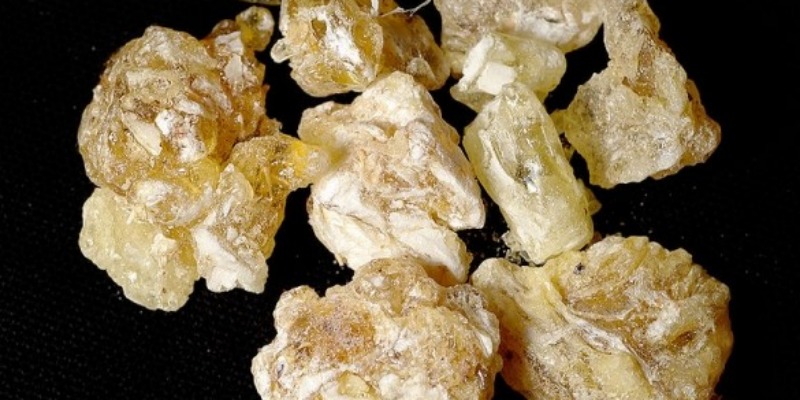
Got Health Problems? Drink Frankincense Water. Here is How to Make It.

PicMonkey Collage

Frankincense water has been a traditional drink in the Middle East for Centuries. People in Oman and Yemen usually soak 4 or 5 pieces of this resin in water overnight and drink the water. According to their doctors, only few people over there have cancer.

Frankincense is a fragrant plant resin that comes from the Boswelllia sacra tree found in Africa and the Arabian peninsula, including Yemen and Oman.  Frankincense possesses analgesic, anti-arthritic, antifungal, anti-inflammatory, antioxidant, antiseptic, astringent, carminative, digestive, diuretic, expectorant, sedative, tonic, vulnerary properties.

Scientists have found that there is some agent within frankincense which helps stop spreading of cancer. It induces cancerous cells to close themselves down. According to the latest studies,

“Cancer starts when the DNA code within the cell’s nucleus becomes corrupted. It seems frankincense has a re-set function. It can tell the cell what the right DNA code should be. “Frankincense separates the ‘brain’ of the cancerous cell – the nucleus – from the ‘body’ – the cytoplasm, and closes down the nucleus to stop it reproducing corrupted DNA codes.”]

Benefits of Frankincense Resin Water

  • Prevents digestive problems
  • Strengthens immune system
  • Works As A Natural Diuretic
  • Strengthens, tones, and lifts the skin, muscles, and internal organs
  • Promotes skin and tissue regeneration
  • Helps the body to read of  toxins
  • Helps with stress relief and inflammation
  • Anti-carcinogenic
  • Eases Fever And Headaches
  • Penetrates the blood-brain barrier
  • Helps with bronchitis
  • Helps relieve sore throats

How to Make Frankincense Water

Ingredients

One bag Frankincense resin (where to find)

One quarter of clean purified water

A one quarter glass jar


Directions

Place Frankincense Resin in the bottom of the jar. Boil Water. Pour water over resin until the jar is full. Cover with a glass plate or towel. Let the water sit overnight.

How to Use it

Drink a few ounces throughout the day.  If it’s your first time drinking the water, make sure to introduce this drink to your body slowly.
Madina-frankincense-1 Lb


Frankincense Essential Oil

One of the oldest known medical records from the sixteenth century B.C., the Ebers Papyrus, mentions frankincense oil. The ancient Egyptians listed the oil on hundreds of prescriptions and recipes.

Frankincense oil is one of the most highly prized essential oils in the world and one of the best oils you can use for your health.  The astringent property of frankincense oil can help strengthen gums, stop the bleeding from wounds and cuts, help with skin health, reverse signs of aging, and reduce the appearance of stretch marks and scars. Frankincense oil can break up phlegm deposits in your respiratory tract and lungs, and can relieve bronchitis-related congestion. It can suppress the production of key inflammatory cells, helping to prevent the breakdown of cartilage tissue in patients with arthritis.


Quality frankincense oil is hard to find.  Make sure you are getting the real oil. This is why I recommend Doterra Essential oils. (where to find)

Reference: http://news.bbc.co.uk/2/hi/middle_east/8505251.stm

http://articles.mercola.com/herbal-oils/frankincense-oil.aspx

4 Surprising Health Benefits of Juicing Raw Marijuana

By Healthy Holistic Living

Did you know that marijuana is a vegetable? Yup – it’s true.

The marijuana plant’s leaves and buds are actually loaded with antioxidant, anti-inflammatory, and anti-cancer compounds. These compounds are known as cannabidiols (CBD) and they make marijuana, cannabis, or whatever you want to call it, a superfood.

Yup – it’s true.

Don’t Get Dazed And Confused

But when heated, all of that goodness evaporates – it goes up in smoke and is blown away. Instead, be blown away by the health benefits of juicing the raw marijuana plant.

When heated the psychoactive compound – tetrahydrocannabinol (THC)  – is released from the plant. Most people don’t want medicine to get “high” though. Our bodies were made to receive cannabidiols and the plant does not need to be heated to get these healing properties.

We have cannabinoid receptors built-in to our bodies. Getting CBD into your body can normalize functional systems like cell communication and immune functions. This means that the systems that make up your body, from cells to organs, will talk to each other better, have a better understanding of what’s going on, and help to clean things up.

Whole Lotta Love

It’s like a good relationship – both people should talk to each other and work with each other to keep the house clean.

And with cannabinoid receptors in our brains and pretty much no other way to get cannabidiol, marijuana seems to be the perfect medicine to ensure our bodies are working at peak performance. Major league sports would disagree.

CBDs bridge the gap of neurotransmission in the central nervous system by providing a two-way system of communication that completes a positive “feedback loop” says Dr. William Courtney, a medical marijuana expert and founder of Cannabis International. This is instead of a one-way transmission which promotes chronic inflammation.

CBDs mimic the body’s natural two-way communications system.

Stairway To Heaven

“The endogenous cannabinoid system acts as a modulator in fine-tuning a lot of these systems, and if something is deranged biochemically in a person’s body, it may well be that a cannabinoid system can bring things back into balance.” – Dr. Ethan Russo, a Seattle area physician, Senior Advisor to GW Pharmaceuticals.

Juicing marijuana ensures you’ll get the healing benefits of the plant without the high. No smoking, no high, and you can ingest higher doses of the drug, which will inevitably have your system running more smoothly and you feeling better. Juicing the plant also offers versatility: you can add other fruits and veggies to make delicious juices and incorporate cannabis into your diet.

Communication Breakdown

Smoking promotes inflammation which leads to infection and potential dysfunction or communication breakdowns in your body. While lots of doctors suggest vaporizing over smoking, most promote edibles over vaporizing. But you still need to heat up the drug to make edibles. That’s why, medically speaking, juicing the plant works best.

4 Health Benefits To Juicing Marijuana

Dr. Courtney and others are working hard to legalize the drug and work it into mainstream diets. They’ve found that using cannabis as a food (instead of a smokeable) it can help prevent, diminish, and fix:

  1. Autoimmune Disorders
  2. Cellular Dysfunction
  3. Chronic Inflammation
  4. Cancer Cells


The Health Benefits of Bananas

Bananas contain three natural sugars – sucrose, fructose and glucose combined with fiber. A banana gives an instant, sustained and substantial boost of energy. Research has proven that just two bananas provide enough energy for a strenuous 90-minute workout. No wonder the banana is the number one fruit with the world’s leading athletes. But energy isn’t the only way a banana can help us keep fit. It can also help overcome or prevent a substantial number of illnesses and conditions, making it a must to add to our daily diet.


DEPRESSION
According to a recent survey undertaken by MIND amongst people suffering from depression, many felt much better after eating a banana. This is because bananas contain tryptophan, a type of protein that the body converts into serotonin, known to make you relax, improve your mood and generally make you feel happier. PMS: Forget the pills – eat a banana. The vitamin B6 it contains regulates blood glucose levels, which can affect your mood.


ANEMIA

High in iron, bananas can stimulate the production of hemoglobin in the blood and so helps in cases of anemia.


BLOOD PRESSURE:

This unique tropical fruit is extremely high in potassium yet low in salt, making it perfect to beat blood pressure So much so, the US Food and Drug Administration has just allowed the banana industry to make official claims for the fruit’s ability to reduce the risk of blood pressure and stroke.


BRAIN POWER

200 students at a Twickenham school ( England ) were helped through their exams this year by eating bananas at breakfast, break, and lunch in a bid to boost their brain power. Research has shown that the potassium-packed fruit can assist learning by making pupils more alert.


CONSTIPATION

High in fiber, including bananas in the diet can help restore normal bowel action, helping to overcome the problem without resorting to laxatives.


HANGOVERS

One of the quickest ways of curing a hangover is to make a banana milkshake, sweetened with honey. The banana calms the stomach and, with the help of the honey, builds up depleted blood sugar levels, while the milk soothes and re-hydrates your system.


HEARTBURN

Bananas have a natural antacid effect in the body, so if you suffer from heartburn, try eating a banana for soothing relief.


MORNING SICKNESS

Snacking on bananas between meals helps to keep blood sugar levels up and avoid morning sickness.


MOSQUITO BITES:

Before reaching for the insect bite cream, try rubbing the affected area with the inside of a banana skin. Many people find it amazingly successful at reducing swelling and irritation.


NERVES

Bananas are high in B vitamins that help calm the nervous system.. Overweight and at work? Studies at the Institute of Psychology in Austria found pressure at work leads to gorging on comfort food like chocolate and chips. Looking at 5,000 hospital patients, researchers found the most obese were more likely to be in high-pressure jobs. The report concluded that, to avoid panic-induced food cravings, we need to control our blood sugar levels by snacking on high carbohydrate foods every two hours to keep levels steady.


ULCERS

The banana is used as the dietary food against intestinal disorders because of its soft texture and smoothness. It is the only raw fruit that can be eaten without distress in over-chronicler cases. It also neutralizes over-acidity and reduces irritation by coating the lining of the stomach.


TEMPERATURE CONTROL

Many other cultures see bananas as a ‘cooling’ fruit that can lower both the physical and emotional temperature of expectant mothers. In Thailand , for example, pregnant women eat bananas to ensure their baby is born with a cool temperature. So, a banana really is a natural remedy for many ills. When you compare it to an apple, it has FOUR TIMES the protein, TWICE the carbohydrate, THREE TIMES the phosphorus, five times the vitamin A and iron, and twice the other vitamins and minerals.. It is also rich in potassium and is one of the best value foods around So maybe its time to change that well-known phrase so that we say, ‘A BANANA a day keeps the doctor away!’

Source: Natureknows.org

Science Verifies Folklore ~ The Benefits of Elderberry

 elderberries
European Black Elderberry (Sambucus nigra) is a shrub that is commonly found across Europe, central and western Asia, and northern Africa, with subspecies all over North America. There are several different species of Elderberry. The berries and flowers are used medicinally and are loaded with antioxidants, quercetin, rutin and anthocyanins (a type of flavonoid that acts as an antioxidant and anti-inflammatory ).[1] Hippocrates referred to the elder tree as his “medicine chest.”[2]

Elderberry has been used for centuries as a medicinal in European folk medicine and by indigenous tribes to boost the immune system or as a general health tonic. Black elderberry is available and found in several supplemental forms at many health food stores. [3]

In fact, science has just recently verified what folk medicine has known for centuries, Black Elderberry ‘Laciniata’ is a potent antiviral medicine and works against some strains of bacteria as well. Just because researchers have only verified the medicinal benefits of Sambucus nigra L. does not mean that other varieties of Elderberry are not effective.

Elderberry Sambucus nigra subspecies forage map

Natural range of North American Sambucus nigra subspecies. Natural distribution map for the North American Sambucus nigra (black & blue elderberry) subspecies: Sambucus nigra subsp. canadensis (green, from Little’s S. canadensis map and red from Little’s S. mexicana Presl map) Sambucus nigra subsp. cerulea (dark blue, from Little’s S. glauca map and light blue from Little’s S. velutina map)

Sambucus Nigra aka Elderberry for Cold and Flu


Caution: Do not eat raw wild elderberries as

they are mildly toxic unless cooked or dried

and made into a tincture. Watch the video

below to learn how to make your own

homemade Elderberry medicines.

Clinical Studies Verify Black Elderberry’s Efficacy

A 2011 study published in Bio Med Central (BMC) demonstrated that Black Elderberry inhibits the replication of both influenza A and B viruses, as well as three Gram-positive bacteria and one Gram-negative bacteria, which cause upper respiratory infections. [4]


Researchers at the Department of Virology at Hebrew University-Hadassah Medical School, concluded that the berries are very efficacious as a flu treatment:

“Symptoms were relieved on average 4 days earlier and use of rescue medication was significantly less in those receiving elderberry extract compared with placebo. Elderberry extract seems to offer an efficient, safe and cost-effective treatment for influenza.” [5]


Hadassah University researchers discovered that the berries confer protection at the cellular level by inhibiting damaging inflammation and enhancing immune system response. They also confirmed that Elderberry is a safe and effective general health tonic.


In summary, the Hadassah researchers stated:“Sambucol ( a proprietary Elderberry product) might therefore be beneficial to the immune system activation and in the inflammatory process in healthy individuals or in patients with various diseases. Sambucol could also have an immunoprotective or immunostimulatory effect when administered to cancer or AIDS patients, in conjunction with chemotherapeutic or other treatments.”


Dr. Madeleine Mumcuoglu, [world-renowned Israeli virologist who researched and developed Sambucol] and is president of Razei Bar [the company that manufactures Sambucol], first tested her research on patients in the Southern Israel flu epidemic of 1992/3. The results were extremely encouraging.


“Within 24 hours, 20% of those patients taking Sambucol had dramatic improvements in symptoms like fever, muscle aches and pains and coughing. By the second day, 73% were improved and by day three, 90%. In the untreated group, only 16% felt better after two days. The majority of that group took almost a week to begin feeling better.” [6]


A 2001 study published in the journal, European Cytokine Network, focused on how elderberries engage proinflammatory cytokines in a healthy immune system.


The researchers concluded that Sambucol Elderberry products activate immune response by stimulating and enhancing inflammatory cytokines. Previous studies have demonstrated that elderberry also boosts the production of non-inflammatory infection-fighting cytokines depending on the situation and what is needed by the body, essentially acting like an adaptogen.


The immunostimulatory effect of Elderberry is effective not only for influenza but may prove useful in the treatment of cancer and various immunosuppressive diseases like AIDS.


According to Mountain Rose Herbs: “Extensive research shows that elder stop the production of hormone-like cytokines that direct a class of white blood cells known as neutrophils to cause inflammation, especially in influenza and arthritis. On the other hand, elder increases the production non-inflammatory infection-fighting cytokines as much as 10 fold” [8]


Learn how to make your own homemade Elderberry medicines:

by PAUL FASSA

Paul Fassa is a contributing staff writer for REALfarmacy.com. His pet peeves are the Medical Mafia’s control over health and the food industry and government regulatory agencies’ corruption. Paul’s valiant contributions to the health movement and global paradigm shift are world renowned.

Images courtesy of realfarmacy.com and facebook.com/growrealfood

7 Simple Ways to Boost Serotonin Naturally

seven boost serotoninSerotonin is a neurotransmitter that is responsible for healthy brain chemistry and tends to be lower in the wintertime, especially if you live in the North because of decreased sunlight exposure. It affects many biological functions such as sex drive, digestion, sleep, how happy you feel, and more. Often times our serotonin levels can be lower than necessary for ideal health, happiness, sleep, and well-being. This begs the question, how can you boost serotonin in your life? Serotonin is produced by the gut and the brain and 95% of serotonin is stored in your nervous system. The serotonin neurotransmitter is stored mainly in your gut. This is why gut health and maintaining a healthy gut flora is so important because this acts as your second brain.

In the video below, I share with you 7 (technically 8) ways to boost serotonin naturally through healthy lifestyle practices such as diet, exercise, aromatherapy, and more. The video will help you understand serotonin better and understand why you may feel sad more often in the wintertime. Especially if you live in the north when the sun shines less which is also known as seasonal affective disorder (SAD). This video will give you the practical advice to fix that, boost serotonin, and feel better.

Watch the video below to learn how to boost serotonin:

The 7 ways to boost serotonin are:

1. Sunshine
2. Exercise
3. Eat more magnesium rich foods (example: cacao, leafy greens etc.)
4. Eat more tryptophan rich foods (example: eggs, turkey, chicken, nuts)
5. Eat Camu Camu (I use camu gold shown in the video from http://OrganicRainforestHerbs.com)
6. Eat Turmeric (I like the kind found here)
7. Eat Carbs (kiwi, sour cherries, pineapple & bananas specifically) Space fruits out throughout the day.
8th tip… Use all natural incense, candles or essential oils to have aromatherapy boosting serotonin! I use certified therapeutic grade essential oils from doterra oils, click here to learn more.


Hopefully these 7 tips will help you feel happier, more carefree, sleep better, and receive all the benefits of having adequate levels of serotonin in your body and gut at any given time. Please leave your comments and share this with anyone you think it could help.

Cheers to your health!


David Benjamin

Chinese Face Map Reveals What Your Body Fights With!

When problems begin to appear on our skin, it is usually a symptom of a problem we are having within the body.According to Chinese medicine, different parts of the face represent different organs of our body, when something is wrong within the body it will manifest itself on the face.Forehead: bladder and small intestine
Cause: Too many unhealthy foods, alcohol abuse, sleep deprivation and sugar cause slow digestion or stress.

Cure: Raw foods, lots of water, abstaining from alcohol, sugar in moderation and good sleep.


Between the eyebrows: liver
Cause: Your stomach is not getting sufficient rest or you are eating too much meat and might also be allergic to some ingredients (bear in mind the high amount of antibiotics animals are fed today).

Cure: Healthy and fresh foods, exercising, aerobic activity, getting outdoors to get some fresh air and meditation.


Eyebrow arch: kidneys
Cause: cigarette and alcohol abuse and lack of exercise.

Cure: A lot of clean water, avoid caffeine, sweetened drinks and alcohol.


Nose: heart
Cause: Not enough clean air and poor blood circulation or high blood pressure.

Cure: Check your blood pressure, follow the cholesterol level. Organic green tea can help you get rid the toxins. Start some form of physical exercise.


Upper part of the cheeks: lungs
Cause: Not enough clean air or cigarette abuse.

Cure: Physical training, jogging outside in a clean environment would be best.


Cheeks: lungs and kidneys
Cause: Excessive smoking, stress, sleep deprivation and bad diet.

Cure: Start a healthy diet that consists largely of fresh vegetables, drink lots of water and get some rest.


Mouth and chin: stomach
Cause: Poor diet or excessive caffeine and alcohol use.

Cure: Start a healthy diet that consists largely of fresh vegetables, drink lots of water and get some rest.


Jaw and neck: hormones
Cause: Dehydration.

Cure: Drink more water.


As you can see, smoking cigarettes, alcohol and caffeine abuse, along with poor diet, stress and lack of exercise are major problems, by changing these things around you can dramatically improve the quality of your life. If problems do persist though, it is recommended to go see a doctor.


Understanding Cannabis Oil

cannabis-oil_2

Although I’ve been aware of the recent positive discussion  of cannabis oil as a treatment for various serious diseases, I was still skeptical to consider this as a viable solution for certain health disorders. After all, so many people these days are looking for the perfect miracle pill to solve their health issues! Is this another panacea? Is this another way of buying into the mentality of one-size-fits-all treatments that come in  a  bottle without making any necessary dietary and life style changes?

In the end, it all depends on how we really make use of these extracts that nature provided us and how clearly we see the “big picture” of true healing.

So it was time I found out more! I interviewed one of my colleagues with extensive knowledge on the matter – Steven Sinay, VP of Nutritional Science for Empower Genetics and a fellow Metabolic Typing practitioner.  This article is what  he kindly shared with me on  the  very interesting topic of cannabis oil.

Understanding Cannabis Oil

Raluca Schachter: What is cannabis oil and how does it work?

Steven Sinay: Cannabis Oil is a thick, sticky, resinous substance that is extracted from the cannabis plant (Cannabis sativaor Cannabis indica). Cannabis oil is a base product that is prepared by separating the resins from the cannabis flowers (buds) using a solvent extraction process. Cannabis oil contains several Cannabinoids including Tetrahydrocannabinol (THC), the psychoactive component, and Cannabidiol (CBD), the medicinal component of cannabis.

For legal purposes becoming more commonly used over Cannabis oil, is Hemp oil which is being grown in Europe to have higher levels of CBD and with no THC. In 2001, the DEA issued a rule banning all import and cultivation of industrial grade hemp. In 2003, the Hemp Industries Association filed an Urgent Motion for Stay in the Ninth Circuit Court of Appeals. In 2004, the Ninth Circuit Court sided with the Hemp Industries Association.

In the decision, Judge Betty Fletcher wrote, “[T]hey (DEA) cannot regulate naturally occurring THC not contained within or derived from marijuana-i.e., non-psychoactive hemp is not included in Schedule I. The DEA has no authority to regulate drugs that are not scheduled, and it has not followed procedures required to schedule a substance. The DEA’s definition of “THC” contravenes the unambiguously expressed intent of Congress in the Controlled Substances Act (CSA) and cannot be upheld.”

Judge Fletcher is essentially saying that the DEA cannot regulate hemp or the chemicals within it because hemp contains no THC, is not marijuana, and is therefore not covered under  the controlled substances act; and the DEA cannot regulate substances that have not been scheduled. This is why you can purchase and sell CBD hemp oil.

Over the last 20 years Cannabis has been at the center of one of the most exciting and underreported developments in recent modern science. Research on marijuana’s effects led directly to the discovery of an unknown biochemical communication system in the human body, the Endocannabinoid System, which plays a crucial role in regulating our physiology, mood, and everyday experience.

The discovery of receptors in the brain that respond pharmacologically to Cannabis and the subsequent identification of endogenous cannabinoid compounds in our own bodies that bind to these receptors has significantly advanced our understanding of human biology, health, and disease.

It is an established scientific fact that cannabinoids and other components of cannabis can modulate many physiological systems in the human brain and body. Cannabinoids are chemical compounds that trigger cannabinoid and other receptors. More than 100 cannabinoids have been identified in the marijuana plant. Of these, THC and CBD have been studied most extensively. In addition to cannabinoids produced by the plant, there are endogenous cannabinoids (anandamide and 2AG) that occur naturally in the body, as well as synthetic cannabinoids created by pharmaceutical researchers.

Cannabinoids promote homeostasis at every level of biological life, from the sub-cellular, to the organism, and perhaps to the community and beyond. Here’s one example: autophagy, a process in which a cell sequesters part of its contents to be self-digested and recycled, is mediated by the cannabinoid system. While this process keeps normal cells alive, allowing them to maintain a balance between the synthesis, degradation, and subsequent recycling of cellular products, it has a deadly effect on malignant tumor cells, causing them to consume themselves in a programmed cellular suicide. The death of cancer cells, of course, promotes homeostasis and survival at the level of the entire organism.

Scientists associated with the International Cannabinoid Research Society (ICRS) have elucidated a number of molecular pathways whereby CBD exerts a therapeutic impact. A preclinical study by Dr. Sean McAllister and his colleagues at the California Pacific Medical Center in San Francisco reports on how CBD kills breast cancer by down regulating a gene called ID-1, which is implicated in several types of aggressive cancer. Silencing the ID-1 gene is thus is an excellent strategy for a cancer treatment.

Extensive preclinical research much of it sponsored by the U.S. Government (see U.S. Patent below) indicates that CBD has potent anti-tumoral, antioxidant, anti-spasmodic, anti-psychotic, anti-convulsive, and neuroprotective properties. CBD directly activates serotonin receptors, causing an anti-depressant effect, as well.

The United States Government holds U.S. Patent 6,630,507 (filed 1999) on Cannabinoids stating in their patent: “Cannabinoids have been found to have antioxidant properties, unrelated to NMDA receptor antagonism. This new found property makes cannabinoids useful in the treatment and prophylaxis of wide variety of oxidation associated diseases, such as ischemic, age-related, inflammatory and autoimmune diseases. The cannabinoids are found to have particular application as neuroprotectants, for example in limiting neurological damage following ischemic insults, such as stroke and trauma, or in the treatment of neurodegenerative diseases, such as Alzheimer’s disease, Parkinson’s disease and HIV dementia. Nonpsychoactive cannabinoids, such as cannabidiol, are particularly advantageous to use because they avoid toxicity that is encountered with psychoactive cannabinoids at high doses useful in the method of the present invention.”

Raluca Schachter: Under  what conditions has cannabis oil proved to be most successful?

Steven Sinay: According to many CBD Researchers the following are a list of conditions that the use of CBD has been shown to improve: Acne, ADD/ADHD, Addiction, AIDS, ALS, Alzheimer’s Disease, Anorexia, Antibiotic Resistance, Anxiety, Atherosclerosis, Arthritis, Asthma, Autism Spectrum Disorder, Bipolar Disorder, Cancer, Colitis/Crohn’s, Depression, Diabetes, Endocrine Disorders, Epilepsy/Seizure, Fibromyalgia, Glaucoma, Heart Disease, Huntington’s Disease, Inflammatory Disorders, Irritable Bowel Syndrome, Kidney Disease, Liver Disease, Metabolic Syndrome, Migraines, Mood Disorders, Motion Sickness, Multiple Sclerosis, Nausea, Neurodegeneration, Neuropathic Pain, Obesity, OCD, Osteoporosis, Parkinson’s Disease, Prion/Mad Cow Disease, PTSD, Rheumatism, Schizophrenia, Sickle Cell Anemia, Skin Conditions, Sleep Disorders, Spinal Cord Injury, and Stress Stroke/TBI.


Raluca Schachter: What should we look out for, in terms of the quality of  cannabis oil?

Steven Sinay: Since cannabis oil products have only been in the market place for a short period of time, it is important to source these products just as you would your produce, meat, fish, etc. As far as I can tell there are not a lot of regulatory organizations monitoring the quality and purity of these sources. Be sure to look for a product that has gone through some sort of third party lab testing that detect contaminants like pesticides, fungicides, mycotoxins, microbes, etc. Equally as important consumers need to be aware of the concentration of their medicinal cannabis.

It is fundamental in allowing the consumer to choose the correct medicine for their symptoms, as well as determining the proper dose. It’s good practice to find a manufacturer that is not afraid to allow access to each Certificate of Analysis on every batch they produce.  Here in the United States a non THC CBD product is classified as a dietary supplement and is legal in all 50 states.

Raluca Schachter: The nutritional world is quite flooded with hypes these days. But as we know through Metabolic Typing ®, there is no nutrient, remedy or food that can be beneficial for everybody. Any nutrient has different effects in different metabolisms, biochemically speaking. So there are no one size fits all remedies, really. From your experience, have you had the chance to observe how this remedy had different effects in different metabolisms?

Steven Sinay: As previously mentioned, at the right dosage, CBD has been shown to significantly help with anxiety, pain, neurodegeneration, inflammation, etc. An appropriately high dosage of CBD will give you all the desired effects you need, and there is really no risk of overdose as CBD is harmless even in high concentrations. However, most people will feel little effect if they take too low a dosage, effectively wasting CBD’s powerful beneficial properties.

With the above in mind, the importance of correct CBD dosage becomes obvious. People with different requirements and different metabolisms will need accordingly different CBD dosages to experience CBD’s positive effects, and dosages can vary dramatically because there is no one-size-fits-all “typical CBD dosage.” While there is no such thing as “too much CBD,” you can in fact take too little to feel a difference. Dosage can range anywhere from 2-3 mg, up to 100 mg, 200 mg,  or 500 mg to 1000 mg on the super high end. Remember, you cannot overdose and there are no reported side effects from taking high concentrations of CBD. Most people only need around 2-3 mg per day to start feeling a difference. Yet people with stronger needs may need to start at a lower dose and work their way up until they find the right dose for their body.

Raluca Schachter: What are your thoughts regarding the future of cannabis in the medical field?

Steven Sinay:  This is the $64,000 Dollar Question! With our government holding a patent on several Cannabinoids, it leads one to be a little skeptical. Why? The forces that would keep cannabis illegal are vocal and very well-funded, but they are not impervious to persistent effort. The lynch pin in the War on Drugs has always been cannabis. Without the suppression and interdiction of this popular and widely used substance, there simply would not be enough “illegal drug use” going on to justify the huge amount of money and resources spent on “fighting drugs.” Once again all based on the all mighty dollar!

I feel CBD and other Cannabinoids with the persistence from those who can, and are truly benefiting from its medicinal properties, along with natural healers promoting its use, will find its place in future modern medicine. Time will tell.

By  Raluca  Schachter

Contributing Writer for Wake Up World