Category: Cancer

5 Reasons The Most Dangerous Drug Is Not Illegal

alcohol-5-reasons
 

Marco Torres

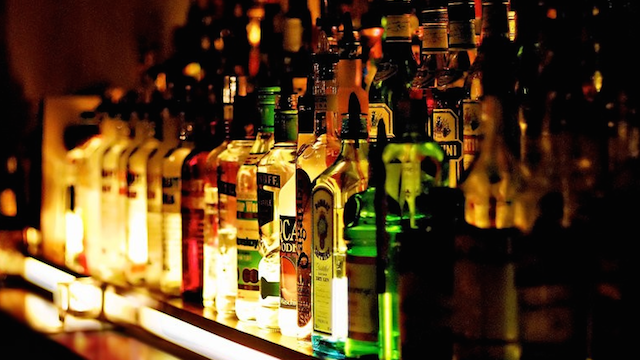
Hundreds of millions of people indulge in one of the most dangerous drugs which is sold right over the counter. When it comes to harm done to other people and the users themselves, not heroin, crack cocaine, methamphetamines, marijuana or even tobacco come close to the health and safety hazards caused by this one depressant.

Drug harms fall into two broad categories: those that affect you, and those that affect others. The personal ones include death, health problems (including mental health), accidents, addiction, relationship breakdown and legal trouble. Harms to other people include violence, financial problems, crime and environmental damage — both at home and where the drugs are produced.

One rule of thumb is that risks become more serious with repeated use. Take addiction, for example. According to the US National Institute on Drug Abuse, it can take only “a few” uses of a drug to become addicted to it, although the potential for addiction varies between drugs and people. What’s interesting is that cannabis is one of the most demonized “drugs” yet there is no evidence of it’s addictive nature in human beings.

Perhaps the best guide to the harm comes from the UK’s Independent Scientific Committee on Drugs (ISCD), which analysed 20 drugs on 16 criteria. It found the most harmful illicit drug to be heroin, with an overall rating of 55 out of 100, with crack cocaine on 54 (see diagram). LSD and magic mushrooms are among the least harmful, and also carry the lowest risk of dependence.

Another rule of thumb is that mixing drugs amplifies the risks. Taking cocaine with ecstasy or amphetamines, for example, raises the risk of acute toxicity over and above the sum of their parts.

Many factors determine whether you’ll become addicted to a drug: your genetic makeup, social history, the drugs your friends take, how much money you make. But the chemical makeup of drugs guarantee that certain drugs are more addictive than others.

30233701-addictive

5 Reasons Alcohol is Legal


1. IT’S HEALTH RELATED COSTS ARE HIGHER
Health-related costs for alcohol consumers are eight times greater than those for cannabis consumers, according to an assessment recently published in the British Columbia Mental Health and Addictions Journal. More specifically, the annual cost of alcohol consumption is $165 per user, compared to just $20 per user for cannabis. This should not come as a surprise given the vast amount of research that shows alcohol poses far more — and more significant — health problems than any other drug and most drugs combined. There results in more medication, therapy and medical expenses which the health system profits handsomely from.

2. DEATH IS A GREAT BUSINESS
The official publication of the Scientific Research Society, American Scientistreported that alcohol is one of the most toxic drugs and using just 10 times what one would use to get the desired effect could lead to death. According to the CDC, hundreds of alcohol overdose deaths occur in the United States each year. Again this leads to increased revenues and funding at the expense of lives.

3. CANCER CLINICS ARE MAKING A KILLING
Alcohol use is associated with a wide variety of cancers, including cancers of the esophagus, stomach, colon, lungs, pancreas, liver and prostate. Researchers from the Boston University School of Medicine (BUSM) and Boston University School of Public Health (BUSPH) have shown that alcohol is a major contributor to cancer and drinking even small amounts of alcohol, as little as one drink, can increase the risk of developing cancer. Alcohol, regardless of its type (i.e. beer, wine, liquor, etc) is a class A1 carcinogen which are confirmed human carcinogens. Alcohol consumption has been causally related with breast cancer for some time. Increasing evidence indicates a stronger association with neoplasms, though the risk is elevated for other types of breast cancers too.

4. IT’S ADDICTIVE NATURE FUELS OTHER ADDICTIVE BEHAVIORS WHICH FUEL THE ECONOMY
Alcohol use can result in significant and potentially fatal physical withdrawal. Those who use alcohol are also much more likely to develop dependence and build tolerance. Because alcohol is legal and often consumed in social settings, alcohol addiction is complicated. But as an addictive agent, it’s remarkably simple–and effective. Alcohol’s withdrawal syndrome is so severe that it can cause death, and its effects on the brain’s reward system cause well-documented and intense craving in heavy drinkers. Alcohol is proven to exacerabate other addictive tendencies such as gambling, smoking, overeating, other drugs and many other physical and psychological dependencies which drive economies worldwide. Research published in the journal Alcoholism: Clinical & Experimental Research, found that 36 percent of hospitalized assaults and 21 percent of all injuries are attributable to alcohol use by the injured person which alone increases overall revenue of hospitals, clinics and many different health professionals.

5. IT CREATES ABUSERS AND PUTS MORE PEOPLE IN PRISON
Once again, it’s a business. Alcohol is a major contributing factor in the prevalence of domestic violence and sexual assault. This is not to say that alcohol causes these problems; rather, its use makes it more likely that an individual prone to such behavior will act on it. For example, a study conducted by the Research Institute on Addictions found that among individuals who were chronic partner abusers, the use of alcohol was associated with significant increases in the daily likelihood of male-to-female physical aggression. Specifically, the odds of abuse were eight times higher on days when men were drinking; the odds of severe abuse were 11 times higher. According to the Rape, Abuse and Incest National Network (RAINN) website highlights alcohol as the “most commonly used chemical in crimes of sexual assault” and provides information on an array of other drugs that have been linked to sexual violence. This one drug alone is estimated for at least 12% of all incarcerations.

By Marco Torres – June 04 2015

About the Author

Marco Torres is a research specialist, writer and consumer advocate for healthy lifestyles. He holds degrees in Public Health and Environmental Science and is a professional speaker on topics such as disease prevention, environmental toxins and health policy.

Sources:
nytimes.com
columbia.edu
rt.com
newscientist.com
csun.edu
drinkaware.co.uk

Baking Soda – Helped to Cure Cancer

sodacancer

“Cancer is a fungus, called candida albicans, and it can be treated using sodium bicarbonate”. So says Tulio Simoncini

Simoncini is a former Italian oncologist in Rome who developed a theory that all cancer is caused exclusively by a fungus called candida albicans.  His alternative cancer treatment is simple: To alkalise the body and tumour by the use of a cheap, common compound, sodium bicarbonate, tackling the candida, shrinking the tumour and stopping metastases. Thus it is also a natural cancer cure.

Candida, beneficial bacteria, acid bodies and cancer

The background to Simoncini´s work involves the following theoretical elements:

Firstly, acid bodies are known to be linked to ill health and cancer.

Secondly, sodium bicarbonate can alkalise your body. It has been used in many preparations as an antacid; an indigestion aid. You can buy a small pot of it in high street chemists for a little over one pound.

Thirdly, the beneficial bacteria in your intestine are now known to direct up to 85 per cent of your immune response, to release anti-cancer vitamins (like biotin, B-12, folic acid, vitamin K) from your foods and even to produce a compound (sodium butyrate) which causes cancer cells to self-destruct. Beneficial bacteria work imperfectly if the acidity of the gut increases.

However, fourthly, at night when you sleep, beneficial bacteria digest vast quanities of microbes, fungus and yeasts that you consumed during the day with your food. In fact their favourite food is the yeast or fungus, Candida albicans. So, they are your first line of defence.

So how might candida cause cancer?

Candida albicans is known to be able to escape the intestine and travel around the body in the blood stream. Oregano oil and cinnamon can kill the yeast in the blood stream. About 25 per cent of type-2 Diabetics were shown to improve when given cinnamon. This is because the fungus sits on the outer membranes of cells, preventing crucial receptor sites from working properly – in the case of diabetes, those receptor sites are for insulin. However, candida also produces a sugar-like waste product. people with higher blood sugar levels develop more cancer; and survive less.

But there is a second potential problem. Yeasts like candida are anaerobes – this means they generate their energy in the absence of oxygen. Once in the blood stream they can colonise certain local areas of the body and greatly reduce the oxygen levels in that area. The result is that the local cells do not die, but switch their own energy production from an oxygen-based system to one that doesn´t use oxygen.  This is the system employed by cancer cells, which also do not use oxygen to generate their energy from food molecules. In fact, Otto Warburg won a Nobel Prize in 1931 for telling the world this property of cancer cells and that oxygen was their enemy!

Is it, then, any surprise then that women who had taken antibiotics more than 25 times during their lifetime had twice the risk of breast cancer, according to research covered in CANCER actives research service Cancer Watch? Their friendly bacteria were reduced allowing candida more chance to survive in the gut and move to the blood stream. Their immune systems were weak, indicated by the illnesses that required the antibiotics. And so on.

Dr Simoncini was a respected Italian Oncologist until he developed his theory … His theory is that all cancer is caused by the fungus, candida albicans. His cure is to alkalse the body to produce conditions in which the candida could not thrive. His main weapon is the inexpensive, sodium bicarbonate. He was struck off, in Italy.

Source: http://www.canceractive.com/

Understanding Cannabis Oil

cannabis-oil_2

Although I’ve been aware of the recent positive discussion  of cannabis oil as a treatment for various serious diseases, I was still skeptical to consider this as a viable solution for certain health disorders. After all, so many people these days are looking for the perfect miracle pill to solve their health issues! Is this another panacea? Is this another way of buying into the mentality of one-size-fits-all treatments that come in  a  bottle without making any necessary dietary and life style changes?

In the end, it all depends on how we really make use of these extracts that nature provided us and how clearly we see the “big picture” of true healing.

So it was time I found out more! I interviewed one of my colleagues with extensive knowledge on the matter – Steven Sinay, VP of Nutritional Science for Empower Genetics and a fellow Metabolic Typing practitioner.  This article is what  he kindly shared with me on  the  very interesting topic of cannabis oil.

Understanding Cannabis Oil

Raluca Schachter: What is cannabis oil and how does it work?

Steven Sinay: Cannabis Oil is a thick, sticky, resinous substance that is extracted from the cannabis plant (Cannabis sativaor Cannabis indica). Cannabis oil is a base product that is prepared by separating the resins from the cannabis flowers (buds) using a solvent extraction process. Cannabis oil contains several Cannabinoids including Tetrahydrocannabinol (THC), the psychoactive component, and Cannabidiol (CBD), the medicinal component of cannabis.

For legal purposes becoming more commonly used over Cannabis oil, is Hemp oil which is being grown in Europe to have higher levels of CBD and with no THC. In 2001, the DEA issued a rule banning all import and cultivation of industrial grade hemp. In 2003, the Hemp Industries Association filed an Urgent Motion for Stay in the Ninth Circuit Court of Appeals. In 2004, the Ninth Circuit Court sided with the Hemp Industries Association.

In the decision, Judge Betty Fletcher wrote, “[T]hey (DEA) cannot regulate naturally occurring THC not contained within or derived from marijuana-i.e., non-psychoactive hemp is not included in Schedule I. The DEA has no authority to regulate drugs that are not scheduled, and it has not followed procedures required to schedule a substance. The DEA’s definition of “THC” contravenes the unambiguously expressed intent of Congress in the Controlled Substances Act (CSA) and cannot be upheld.”

Judge Fletcher is essentially saying that the DEA cannot regulate hemp or the chemicals within it because hemp contains no THC, is not marijuana, and is therefore not covered under  the controlled substances act; and the DEA cannot regulate substances that have not been scheduled. This is why you can purchase and sell CBD hemp oil.

Over the last 20 years Cannabis has been at the center of one of the most exciting and underreported developments in recent modern science. Research on marijuana’s effects led directly to the discovery of an unknown biochemical communication system in the human body, the Endocannabinoid System, which plays a crucial role in regulating our physiology, mood, and everyday experience.

The discovery of receptors in the brain that respond pharmacologically to Cannabis and the subsequent identification of endogenous cannabinoid compounds in our own bodies that bind to these receptors has significantly advanced our understanding of human biology, health, and disease.

It is an established scientific fact that cannabinoids and other components of cannabis can modulate many physiological systems in the human brain and body. Cannabinoids are chemical compounds that trigger cannabinoid and other receptors. More than 100 cannabinoids have been identified in the marijuana plant. Of these, THC and CBD have been studied most extensively. In addition to cannabinoids produced by the plant, there are endogenous cannabinoids (anandamide and 2AG) that occur naturally in the body, as well as synthetic cannabinoids created by pharmaceutical researchers.

Cannabinoids promote homeostasis at every level of biological life, from the sub-cellular, to the organism, and perhaps to the community and beyond. Here’s one example: autophagy, a process in which a cell sequesters part of its contents to be self-digested and recycled, is mediated by the cannabinoid system. While this process keeps normal cells alive, allowing them to maintain a balance between the synthesis, degradation, and subsequent recycling of cellular products, it has a deadly effect on malignant tumor cells, causing them to consume themselves in a programmed cellular suicide. The death of cancer cells, of course, promotes homeostasis and survival at the level of the entire organism.

Scientists associated with the International Cannabinoid Research Society (ICRS) have elucidated a number of molecular pathways whereby CBD exerts a therapeutic impact. A preclinical study by Dr. Sean McAllister and his colleagues at the California Pacific Medical Center in San Francisco reports on how CBD kills breast cancer by down regulating a gene called ID-1, which is implicated in several types of aggressive cancer. Silencing the ID-1 gene is thus is an excellent strategy for a cancer treatment.

Extensive preclinical research much of it sponsored by the U.S. Government (see U.S. Patent below) indicates that CBD has potent anti-tumoral, antioxidant, anti-spasmodic, anti-psychotic, anti-convulsive, and neuroprotective properties. CBD directly activates serotonin receptors, causing an anti-depressant effect, as well.

The United States Government holds U.S. Patent 6,630,507 (filed 1999) on Cannabinoids stating in their patent: “Cannabinoids have been found to have antioxidant properties, unrelated to NMDA receptor antagonism. This new found property makes cannabinoids useful in the treatment and prophylaxis of wide variety of oxidation associated diseases, such as ischemic, age-related, inflammatory and autoimmune diseases. The cannabinoids are found to have particular application as neuroprotectants, for example in limiting neurological damage following ischemic insults, such as stroke and trauma, or in the treatment of neurodegenerative diseases, such as Alzheimer’s disease, Parkinson’s disease and HIV dementia. Nonpsychoactive cannabinoids, such as cannabidiol, are particularly advantageous to use because they avoid toxicity that is encountered with psychoactive cannabinoids at high doses useful in the method of the present invention.”

Raluca Schachter: Under  what conditions has cannabis oil proved to be most successful?

Steven Sinay: According to many CBD Researchers the following are a list of conditions that the use of CBD has been shown to improve: Acne, ADD/ADHD, Addiction, AIDS, ALS, Alzheimer’s Disease, Anorexia, Antibiotic Resistance, Anxiety, Atherosclerosis, Arthritis, Asthma, Autism Spectrum Disorder, Bipolar Disorder, Cancer, Colitis/Crohn’s, Depression, Diabetes, Endocrine Disorders, Epilepsy/Seizure, Fibromyalgia, Glaucoma, Heart Disease, Huntington’s Disease, Inflammatory Disorders, Irritable Bowel Syndrome, Kidney Disease, Liver Disease, Metabolic Syndrome, Migraines, Mood Disorders, Motion Sickness, Multiple Sclerosis, Nausea, Neurodegeneration, Neuropathic Pain, Obesity, OCD, Osteoporosis, Parkinson’s Disease, Prion/Mad Cow Disease, PTSD, Rheumatism, Schizophrenia, Sickle Cell Anemia, Skin Conditions, Sleep Disorders, Spinal Cord Injury, and Stress Stroke/TBI.


Raluca Schachter: What should we look out for, in terms of the quality of  cannabis oil?

Steven Sinay: Since cannabis oil products have only been in the market place for a short period of time, it is important to source these products just as you would your produce, meat, fish, etc. As far as I can tell there are not a lot of regulatory organizations monitoring the quality and purity of these sources. Be sure to look for a product that has gone through some sort of third party lab testing that detect contaminants like pesticides, fungicides, mycotoxins, microbes, etc. Equally as important consumers need to be aware of the concentration of their medicinal cannabis.

It is fundamental in allowing the consumer to choose the correct medicine for their symptoms, as well as determining the proper dose. It’s good practice to find a manufacturer that is not afraid to allow access to each Certificate of Analysis on every batch they produce.  Here in the United States a non THC CBD product is classified as a dietary supplement and is legal in all 50 states.

Raluca Schachter: The nutritional world is quite flooded with hypes these days. But as we know through Metabolic Typing ®, there is no nutrient, remedy or food that can be beneficial for everybody. Any nutrient has different effects in different metabolisms, biochemically speaking. So there are no one size fits all remedies, really. From your experience, have you had the chance to observe how this remedy had different effects in different metabolisms?

Steven Sinay: As previously mentioned, at the right dosage, CBD has been shown to significantly help with anxiety, pain, neurodegeneration, inflammation, etc. An appropriately high dosage of CBD will give you all the desired effects you need, and there is really no risk of overdose as CBD is harmless even in high concentrations. However, most people will feel little effect if they take too low a dosage, effectively wasting CBD’s powerful beneficial properties.

With the above in mind, the importance of correct CBD dosage becomes obvious. People with different requirements and different metabolisms will need accordingly different CBD dosages to experience CBD’s positive effects, and dosages can vary dramatically because there is no one-size-fits-all “typical CBD dosage.” While there is no such thing as “too much CBD,” you can in fact take too little to feel a difference. Dosage can range anywhere from 2-3 mg, up to 100 mg, 200 mg,  or 500 mg to 1000 mg on the super high end. Remember, you cannot overdose and there are no reported side effects from taking high concentrations of CBD. Most people only need around 2-3 mg per day to start feeling a difference. Yet people with stronger needs may need to start at a lower dose and work their way up until they find the right dose for their body.

Raluca Schachter: What are your thoughts regarding the future of cannabis in the medical field?

Steven Sinay:  This is the $64,000 Dollar Question! With our government holding a patent on several Cannabinoids, it leads one to be a little skeptical. Why? The forces that would keep cannabis illegal are vocal and very well-funded, but they are not impervious to persistent effort. The lynch pin in the War on Drugs has always been cannabis. Without the suppression and interdiction of this popular and widely used substance, there simply would not be enough “illegal drug use” going on to justify the huge amount of money and resources spent on “fighting drugs.” Once again all based on the all mighty dollar!

I feel CBD and other Cannabinoids with the persistence from those who can, and are truly benefiting from its medicinal properties, along with natural healers promoting its use, will find its place in future modern medicine. Time will tell.

By  Raluca  Schachter

Contributing Writer for Wake Up World

Broccoli Sprouts Kill Cancer; Fast

The development of science once more suggests that the best medicine can be found in the diet, and the most knowledgeable doctor is the Nature. In this case, broccoli, or even more potent, broccoli sprouts, have been proved to possess the capacity to prevent numerous health issues.

broccoli-sprouts-kill-cancer-fast

This vegetable has been repeatedly shown to be one of nature’s most valuable health-promoting foods. Broccoli sprouts are more than beneficial in cases of:

  • Allergies (1)
  • Osteoarthritis (2)
  • Diabetes (3)
  • Hypertension(4, 5)
  • Cancer

Broccoli Kills Cancer

Many researchers suggest that eliminating cancer stem cells may be key to controlling cancer. Sulforaphane, a sulfur compound, has been shown to kill these cancer stem cells, thereby, it has the potential to slow down the growth of cancer.

This is a thing that cannot be done by chemotherapies, but it can be done through our diet! The  cancer- fighting power of broccoli has been proved on various occasions, ever since studies in the mid-1990s showed that the broccoli compound glucoraphanin, which is a precursor to sulforaphane, boosts cell enzymes that protect against molecular damage from cancer-causing chemicals. (910 )

Moreover, studies have also found that sulforaphane normalizes DNA methylation.(11) This is a process by which a methyl group is added to part of a DNA molecule.

The methyl groups consists of one carbon atom attached to three hydrogen atoms. DNA methylation is crucial in regulating gene expression, and is also an extremely important a part of normal cell function, allowing cells to “remember who they are and where they have been”.

This DNA process also suppresses the genes for things we want to avoid, such as viral and other disease-related genes. On the other hand, abnormal DNA methylation plays a critical role in the development of nearly all types of cancer.

The sulforaphane found in broccoli activates more than 200 different genes. To be more concrete, broccoli possesses the needed ingredients to activate genes that prevent cancer development, and deactivate the opposite ones, the genes that help the cancer to spread. What is even better, you do not need large amounts of broccoli to use its benefits and feel ots effects.

Actually, PLoS One (12found published a study in 2008 which studied the effects of broccoli. The researchers collected tissue samples over the course of the study and found that the men who ate broccoli showed hundreds of beneficial changes in genes known to play a role in fighting cancer.

In addition, their findings showed that four servings of broccoli per week are enough to protect from prostate cancer. One serving of broccoli is about two spears, which means that the enough quantity is only 10 broccoli spears per week.

Various Cancers Can Be Cured With The Use Of Sulforaphane

One rather disturbing aspect of chemo- protection strategies is that they are rarely organ-specific. In particular, chemo- protection produces a general cancer protective effect which blocks multiple steps that are common to cancer formation. This is probably a reason why broccoli appears to work against a variety of different types of cancers.

There have been numerous studies on the sulforaphane’s effect on breast cancer, and it has been discovered that it hinders the growth of human breast cancer cells as well, at least in the laboratory. Moreover, it was also proved that it acts by disrupting the action of protein microtubules within the cancer cells, which promote cell division and growth.

What makes broccoli even more suitable for this matter is the fact that certain cancer drugs also work in this manner, but, of course, its use does not bring any of the side effects associated with synthetic drugs.

Furthermore, PreventDisease.com (13) also reports that:
“Previous research has also proven that the compound blocks the formation of breast tumors in rats, and it can even force colon cancer cells to commit cell suicide. It seems that sulforaphane works its magic on the detoxification enzymes that try to defend the cancer-promoting substances.”

Sprouts Have Even Bigger Power

As we previously mentioned, about 10 broccoli spears per week has been shown to offer protection against prostate cancer. Nevertheless, fresh broccoli sprouts have been shown to be far more capable and powerful, allowing you to eat far less in terms of quantity, which is excellent for those who do not like the taste or smell of broccoli.

In terms of research, (14) even small quantities of broccoli sprout extracts have been shown to markedly reduce the size of rat mammary tumors that were induced by chemical carcinogens.

 “Three-day-old broccoli sprouts consistently contain 20 to 50 times the amount of chemoprotective compounds found in mature broccoli heads, and may offer a simple, dietary means of chemically reducing cancer risk.”- according to researchers at Johns Hopkins University. (15)

Another good thing related to broccoli sprouts is that you can grow them at home quite easily and with low costs. Moreover, it is an advantage that they do not need to be cooked. They are eaten raw, usually as an addition to salad.

When compared to either broccoli or cauliflower, which also contains sulforaphane, (16)three-day-old broccoli sprouts contain anywhere from 10 to 100 times higher levels of glucoraphanin, compared to the mature varieties.

If you prefer mature broccoli heads, always opt for a variety of high potency, since the chemo- protective abilities of samples from 22 varieties of fresh and seven brands of frozen mature broccoli varied greatly, as tests showed. Fresh broccoli sprouts, on the other hand, are far more uniform in their potency. (17)

Furthermore, an extract of broccoli sprouts was discovered to be capable to protect your skin from sun damage, which could potentially lead to skin cancer.

Actually, Dr. Paul Talalay, a professor of pharmacology and molecular sciences at Johns Hopkins University School of Medicine in Baltimore investigated this issue and claims that:

“Cells contain an elaborate network of protective genes that code for proteins that protect against four principal injurious processes to which all of our cells are exposed and which are the causes of cancer, degenerative disease and aging. Those four processes are: oxidation; DNA damage; inflammation and radiation, namely ultraviolet radiation. The cells’ protective system normally operates at about one-third capacity, so the real question is what would ramp up that system.

The highest doses of sulforaphane extract reduced UV-induced redness and inflammation (erythema) by an average of 37 percent, although protection varied from 8 percent to 78 percent. If you apply an extract of broccoli sprouts that contains high levels of sulforaphane to regions of human skin, you can protect them very substantially.” 

Grow Your Own Broccoli Sprouts

Broccoli sprouts are easily grown at home, even if you have limited space. What is extremely important is to always pick organic seeds, and a pound of seeds will probably make over 10 pounds of sprouts. When you try, you will discovered that it is very easy to grow a continual supply of broccoli sprouts, and the benefit of your homemade- grown broccoli is more than evident.

By Dr. Mercola

Uncovering 5 Cannabis Misconceptions

Harvesting Cannabis

We have to admit, it makes sense why many people misunderstand cannabis and the benefits it holds for both individuals and society. Cannabis, after all, has been fraught with decades of misguided stereotypes, scare tactics, and inaccurate information masquerading as facts. Our legal system and anti-drug policies make it even harder to debunk these outlandish myths, as they themselves encourage misuse, perpetuate stereotypes, and spread fear-based messaging and biased conclusions, leaving society uninformed and struggling to separate the truths from the lies.

Exposing these false messages through research and awareness is our best bet at eliminating the misconceptions surrounding cannabis. Here are five misleading anti-cannabis sentiments we’ve all probably heard at some point or another. For each of these points, we state the facts and logic to debunk the arguments so you can decide on your own what to believe.


1. “Cannabis is a gateway drug.”

Heroin use

This myth has persisted despite being debunked on numerous occasions. It shouldn’t be surprising that people who consume harder, more illicit drugs have potentially consumed cannabis as well. We can say the same for alcohol and tobacco, yet, we don’t consider them a gateway to drug abuse because it’s foolish to associate a correlation as a cause.

The missing logic from the gateway argument unfolds even further when you look to its larger social implications. In a post on Psychology Today, Constance Scharff, Ph.D, points to alcohol and tobacco as the more sensible ‘gateway’ drugs:

“Many people mistakenly believe that marijuana use precedes rather than follows initiation of other illicit drug use. In fact, most drug use begins with alcohol and nicotine before marijuana, making nicotine and alcohol the two most common drugs of abuse.”

Aside from the confusing differentiation of cannabis, alcohol, and tobacco, Dr. Karen Van Gundy, Associate Professor of Sociology at the University of New Hampshire, recently completed a study on cannabis showing other factors of causation hidden in the gateway myth:

“But pot does serve as a ‘gateway’. Mainly for young people who are poor, unemployed and subjected to severe psychological stress.”

Larger social issues are at play here, so claiming that cannabis is a gateway drug is ignoring the numerous and complex factors, from environmental to psychological, that account for why heavy drug users turn to a variety of substances.


2. “Marijuana is worse for your lungs than tobacco.”

Cigarettes

Hats off to the tobacco corporations who’ve successfully perpetuated the idea that smoking cannabis is more harmful to your lungs than cigarette smoke — a crux of capitalism rather than science. No matter the projected rationale behind these arguments, whether it’s harping on the lack of filters or claiming that you inhale longer with marijuana, no study proves marijuana to contain more harmful effects than tobacco.

The Journal of the American Medical Association (JAMA) published a study in 2012 indicating that smoking cannabis was not linked with lung damage:

“Marijuana may have beneficial effects on pain control, appetite, mood, and management of other chronic symptoms. Our findings suggest that occasional use of marijuana for these or other purposes may not be associated with adverse consequences on pulmonary function. It is more difficult to estimate the potential effects of regular heavy use, because this pattern of use is relatively rare in our study sample; however, our findings do suggest an accelerated decline in pulmonary function with heavy use and a resulting need for caution and moderation when marijuana use is considered.”

Another study found that cannabis and tobacco smoke are not equally carcinogenic, and research led by the University of California San Francisco in conjunction with the University of Alabama at Birmingham found that cannabis is less damaging to the lungs than tobacco.

We aren’t saying that smoking marijuana doesn’t have any negative effects on your lungs — any sort of inhalation can have repercussions on your pulmonary health. But research has indicated on multiple occasions that tobacco is more harmful to your lungs than cannabis. Keep in mind that for both tobacco and cannabis, the resulting effect on your lungs is dependent on the quantity you consume.

If you’re concerned about your lung health as a cannabis user, remember that there are many other ways to consume cannabis without smoking it. Legalization opponents miss the mark when they spout this one off. Put this one to rest, people.


3. “Cannabis use leads to crime.”

Cannabis and crime

Here’s an example of propaganda at its best: the 1936 film Reefer Madness. Prohibition and anti-cannabis supporters still ride the waves of fear induced by a film that’s almost 80 years old. It makes sense to link cannabis to crime if you don’t want it around but, similar to the gateway myth, the argument is blind to the bigger social issues.

This myth hangs on to a premise that largely relies on the status of cannabis in our legal system. Crime trends and statistics used to fuel the argument against legalization don’t make sense, as the whole point is to end those arrests and allocate police attention to the real issues.

To take a look at how crime and cannabis really interconnect, we refer to a study in London that decriminalized cannabis for a year in the borough of Lambeth. Results showed a large drop in crime rates across the board, even in non-drug related crimes:

“We use the key lessons from this localized policing experiment to shed light on what would be the impacts on crime if the same policy were to be applied citywide, by developing and calibrating a model of the market for cannabis and crime, we account for the behavior of police and cannabis users.”

This policy change decreased crime and allowed the borough to further understand how cannabis functions in their community. The authors also noted how police were able to prioritize higher-risk crimes, improving the overall safety of the borough rather than tackling low-risk cannabis offenses. Can you imagine if the entire US adopted this model?

Speaking of the United States, in March, The Washington Post reported the significant and positive impact Colorado’s retail cannabis legalization has been having on Denver crime:

“The total number of marijuana court cases fell from 39,027 in 2011 to 2,036 cases in 2014. Those 37,000 fewer cases represent a savings of untold millions of dollars in court costs and law enforcement fees. They represent 37,000 fewer people who have to deal with the stigma and financial burden of an arrest and possible conviction.”

Cannabis isn’t indicative nor a cause of criminal behavior. Rather, anti-drug policies use cannabis as a scapegoat for community issues, which only results in promoting illicit activity and the black market rather than eliminating it.


4. “Cannabis is addictive.”

Cannabis user on couch

A simple guideline when it comes to using cannabis is to consume responsibly and within moderation. Anything can be considered harmful if it’s done or used in excess. People can be addicted to food, exercise, and even sleep when that’s all they do, all of which are perfectly legal activities.

The National Institute on Drug Abuse tells us that 9% of users become dependent on cannabis, which is unfortunate, but less overwhelming than cannabis opponents would have you believe. The organization describes the symptoms of marijuana addiction as “linked to a mild withdrawal syndrome”:

“Frequent marijuana users often report irritability, mood and sleep difficulties, decreased appetite, cravings, restlessness, and/or various forms of physical discomfort that peak within the first week after quitting and last up to 2 weeks.”

Addiction is an issue with all substances, which is why both awareness and mindset are crucial when using cannabis. The potential harm, no matter how minimal, should be combated through education and proper protocol, not fear and misinformation.


5. “We all know what stoners look like.”

Stereotypical stoner

This one doesn’t need science to be debunked; instead, it requires a moral conscience and a willingness to dispel stereotypes as a way of seeing the world. The cannabis archetype is set in stone: Cheech and Chong, Snoop Dog, Scooby and Shaggy all come to mind, but they aren’t the only stoners out there (not to mention how truly successful these so-called “lazy” stoners actually are).

Morgan Freeman, Jennifer Aniston, Maya Angelou, George Clooney, and many other successful people have all used cannabis, and they all look, live, and consume differently. There’s no one way or one type of person who consumes.

Not convinced? Check out these cannabis-friendly people, many of whom you probably recognize. Do all of them fit neatly into the archetypical stoner image?

We’ve got some work to do before the stereotypes and myths disappear, but consuming responsibly and being sensible with how we introduce the truths to others will lead to great things.

By Nick Elam — 6/30/2015

Freezing Lemons ? What’s All That about ?

Lemon“A new study has shown for the first time how Limonoids, natural compounds present in lemons and other citrus fruit, impede both ER+ and ER- breast cancer cell growth. This sheds new light on the importance of citrus fruit for breast cancer prevention and supports past studies which showed fruit consumption may lower breast cancer risk.(1)”

All kinds of people are saying that the entire lemon should be used with nothing wasted.   Not only for the obvious health benefits but also for the amazing taste!

How?

Simple, take a ORGANIC lemon, wash it, and then put it in the freezer. Once it is frozen you get whatever is necessary to grate or shred the whole lemon without even peeling it first.

Then sprinkle it on your salad, ice cream, soup, cereals, noodles, spaghetti sauce, or whatever. No holds barred. What you will experience is that whatever you sprinkle it on will take on a taste you may never have experienced before.

Why would I do this? Because the lemon peel contains 5 to 10 times more vitamins than the lemon juice itself and the peel is the part that is usually wasted. Not only that, but the peel helps to get rid of toxins in the body.

But wait, there’s more. Lemon is effective in killing cancer cells because it is allegedly 10,000 stronger than chemotherapy.

This has not been revealed because there are people out there that want to make a synthetic, toxic version that will bring them huge profits.   Shades of Monsanto.

The good news is that the taste of lemon is pleasant and does not deliver the horrific effects of chemotherapy.

What’s bizarre is that people are closely guarding this fact so as to not jeopardize the income to those that profit from other’s illnesses.

Another interesting aspect of the lemon is that it has a remarkable effect on cysts and tumors. Some say the lemon is a proven remedy against all types of cancer.

It doesn’t end there. It has an anti-microbial effect against bacterial infections and fungi; it is effective against internal parasites and worms; it regulates blood pressure, which is too high; it acts as an anti-depressant; it combats stress and nervous disorders.

The source of this information, although not specifically named, is one of the largest drug manufacturers in the world. They further say that after more than 20 laboratory tests since 1970, the extracts revealed that it destroys the malignant cells in 12 cancers, including colon, breast, prostate, lung and pancreas and that the compounds of the lemon tree were 10,000 times more effective than the product Adriamycin, which is a drug normally used chemotherapeutically in the world to slow the growth of cancer cells.

Even more, this type of therapy with lemon extract only destroys malignant cancer cells and does not affect healthy cells.

The process is simple: buy an ORGANIC lemon, wash it, freeze it, grate it, and put it on everything you eat.

freeze lemon

It’s not rocket science. God puts stuff on the planet to keep the body healthy. The corporations hide this information and create synthetics to treat disease. The synthetic chemical creates other symptoms from its ingestion requiring another drug to combat these symptoms.

And so the cycle continues, which equates to enormous profits coming from an overt intention to keep a body ill and suppressing natural healing foods, minerals and modalities, all withheld by the mainstream media to not jeopardize their advertising dollar income, and payoffs to the politicians to not pass laws that will greatly benefit the people.

If we do not take responsibility for ourselves and go against the mainstream grain, we will inevitably remain a “trick” our whole life.

Aloha!

About the author:
I have been doing a weekly radio show in Honolulu since 1981 called “Health Talk”. In 2007 I was “forced” to get a Masters degree in Nutrition because of all the doctors that would call in asking for my credentials. They do not call in anymore. Going to www.healthtalkhawaii.com enables you, among other things, to listen to the shows. I am an activist. In addition to espousing an organic vegan diet for optimum health, I am strongly opposed to GMOs, vaccines, processed foods, MSG, aspartame, fluoridation and everything else that the pimps (Big Pharma, Monsanto and the large food companies) and the hookers (the doctors, the government agencies, the public health officials, and the mainstream media) thrust upon us, the tricks.

After being vaccinated with the DTP vaccine as a child I developed asthma. After taking the organic sulfur crystals (they are harvested from the pine trees in Louisiana) in November of 2008 for 10 days my asthma reversed and has not come back over 4 years later, 18 cases, so far, of autism have been reversed, as has cancer, Alzheimer’s and Parkinson’s disease, osteoarthritis, joint pain, astigmatism, gum disease, increased sexual activity, heavy metal and radiation elimination, parasite elimination, free radicals elimination, faster athletic recovery time, increased blood circulation, reduced inflammation, resistance to getting the flu, reduction of wrinkles, allergy reduction, reduced PMS and monthly period pain, nausea, migraines and so much more. And it’s only possible because of the oxygen it releases that floods the cells of the body. The sulfur, as proven by the University of Southampton in England, enables the body to produce vitamin B12 and the essential amino acids. You can find out more about this incredible nutrient at

www.healthtalkhawaii.com
by HESH GOLDSTEIN

Vitamin B17: The Greatest Cover-Up In The History Of Cancer

Apricot Seeds - Vitamin B17

Ever heard of Vitamin B17 chances are you probably haven’t. Since Vitamin 17 has been banned by the FDA.

One of the biggest concentrated types of vitamin B17 can be found in the seed of the apricot. A fruit we don’t give enough credit to. The actual seed can be found within the hard pit in the apricot. The anti-cancer agent based in the actual Laetrile B17 vitamin is known as amygdalin.

4029214037

Why is B17 not prescribed by modern Physicians as a treatment? If it is so helpful towards the elimination of many cancers? G. Edward Griffin answers, “A control for cancer is known, and it comes from nature, but it is not widely available to the public because it cannot be patented, and, therefore, is not commercially attractive to the pharmaceutical industry.”
Vitamin B17 is comprised of hydrogen cyanide and glucose that is what gives it its cancer-solving properties. The benzaldehyde from the glucose and the cyanide work together as a poison that targets cancer cells. Many medical professionals claim B17 is toxic, but this is merely a myth.

So Here’s Where The Cover-Up Comes In

Even though this vitamin was not approved for treatment by the FDA, many doctors including one named John A. Richardson M.D. who started using the vitamin “illegally” in order to treat parents at his medical clinic in San Francisco, and it was giving astonishing results better than orthodox treatments. Richardson’s success in these treatments is documented in Laetrile Case Histories: The Richardson Cancer Clinic Experience by John A. Richardson M.D. and Patricia Irving Griffin, R.N. The FDA came out hard in its attack on Laetrile. The FDA sees at Laetrile as an unapproved form of treatment and is ” illegal” for a practitioner to administer, there for buying Laetrile is not available in the United States. But, on the other hand, you can still buy amygdalin (B12) in supplement form. There are many reports of people who will swear they have defeated cancer from using B17.

4007403093

Sloan-Kettering outraged at the B17 cover-up by the FDA and the AMA, for five years studies were conducted by Sloan on the anti-cancer benefits of B17 to which it was found that:

1. It improved general health of the cancer patient

2. It acted as a cancer preventative.

3. It stopped the spreading of cancer in mice.

4. Laetrile inhibited the growth of tumors.

To hear about clinical trials of B17 and learn how it fights cancer cells is one thing, but actually to hear real life people who have fought against cancer and thanks to vitamin B17 they won.

Being Protective in Our Fight Against Getting Cancer

If you exercise very little and engage in harmful bodily choices, then cancer is only chasing you. Although in some cases they are no matter how much you exercise or no matter what you do cancer will find you. But this is no reason not to be proactive throughout your day and engage in healthy bodily choices.

Besides B17 there has also been many other natural foods that help fight cancer such as: Consuming aloe gel, wheatgrass, sumac, chili peppers, swiss chard, food mushrooms, turmeric, Vegetables and raw fruits, flax, aloe juice, chia and black seed better known as Nigella sative. It is never too start late eating healthy and lowering your health risks. You could even start right now!

Sources:

http://treatments-for-cancer.com/tag/alternative-cancer-treatment/

http://www.ssqq.com/stories/cancerfight02.htm